How to Stop Rust on a Car from Spreading: Proven Methods
Rust on your car is more than just an eyesore; it’s a threat to your vehicle’s health. Left unchecked, rust can spread, causing serious damage.
But here’s the good news: you can stop it. Imagine driving a car that not only looks great but also lasts longer. You deserve that peace of mind. You’ll discover simple, effective techniques to halt rust in its tracks. We’ll guide you step-by-step, so you can protect your investment and keep your car looking its best.
Get ready to learn how to fight rust like a pro. Your car’s future depends on it!

Credit: www.reddit.com
Identifying Rust On Your Car
Rust often appears in hidden spots. Wheel wells and under the car are common. Door edges might start to rust too. Bumpers face rust issues frequently. Check around the trunk for rust signs. Rust loves exhaust pipes and mufflers. Look at the car’s frame carefully.
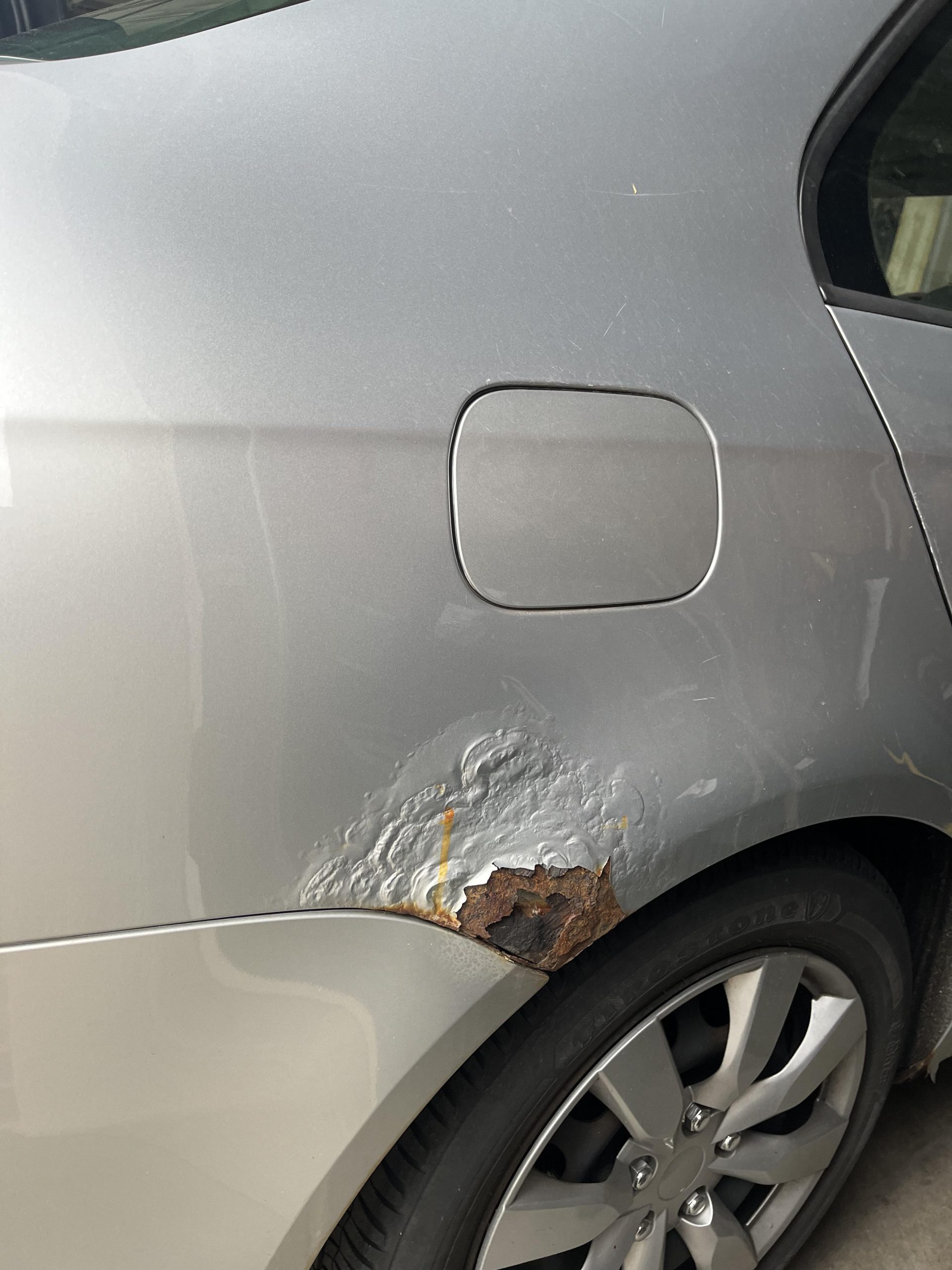
Small orange spots signal rust beginning. Bubbling paint can mean rust underneath. Metal feels rough where rust starts. Paint blisters might hide rust. Tiny flakes on the surface show rust forming. Rust can spread fast from small spots. Catch rust early to prevent damage.
Assessing Rust Damage
Rust on a car can be surface rust or deep rust. Surface rust is like a brown stain. It sits on top of the car’s paint. Easy to fix with a little sanding and paint. Deep rust goes deeper. It eats into the metal. This type of rust is harder to fix. It may need new parts or welding.
Rust can make a car less valuable. Buyers don’t like rusty cars. Surface rust can be fixed quickly. It might not lower the car’s value much. Deep rust is a bigger problem. It can cost a lot to repair. This can make the car worth less money. Keeping rust away keeps your car’s value up.
Rust Prevention Techniques
Washing your car keeps it clean and shiny. Dirt and salt can cause rust. Rinse the car with water often. Focus on the wheel wells and undercarriage. Use a soft cloth to dry it after washing. Regular washing helps keep the car’s paint in good shape. Clean cars are less likely to rust.
Protective coatings act as a shield against rust. Wax your car every few months. Wax adds a protective layer over the paint. Use rust-proof sprays on the undercarriage. These sprays help keep rust away. Consider using ceramic coatings for extra protection. They are tough and last long. Coatings help keep your car looking new.
DIY Rust Removal
To stop rust, you need a few tools. A wire brush helps scrub rust. Use sandpaper to smooth the surface. A rust remover solution works on tough spots. You also need primer and paint. These protect the metal. Gather gloves and goggles for safety.
First, wear your gloves and goggles. Scrub rust with the wire brush. Sand the area until smooth. Apply the rust remover. Wait for it to dry. Next, put on the primer. Let it dry completely. After, paint over the primer. Make sure to cover the entire spot. Let the paint dry well. Repeat if needed.
Professional Rust Treatment
Rust can be tricky. Small spots may turn into big problems. Seek help if rust covers large areas. Professionals have the right tools. They can remove rust safely. Expert care ensures the car stays strong. Delaying help might cost more. Early action saves money.
Picking the right service is key. Look for experienced technicians. They should have good reviews. Check their methods. Some use special treatments. Others may use paint. Ask about warranties. A good service will offer one. This shows they trust their work. Always compare prices. Quality service might not be the cheapest. But it could be the best choice.

Credit: www.youtube.com
Long-term Maintenance Tips
Checking your car often helps stop rust from spreading. Look for small rust spots. These can grow if not treated. Clean the car regularly. Dirt and salt cause rust. Keep the car dry. Moisture speeds up rust.
Weather affects rust. Rain and snow create wet conditions. If possible, keep the car in a garage. Sun can also be harmful. Heat makes metal expand. Cracks may form. These cracks can rust.
Areas near the ocean are risky. Salt air is corrosive. Cars in these areas need more care. Use a car cover. This protects from both sun and rain.

Credit: www.reddit.com
Frequently Asked Questions
How Can I Prevent Rust From Spreading On My Car?
To prevent rust, immediately clean and dry affected areas. Apply rust converter or primer to neutralize rust. Use touch-up paint to seal and protect. Regularly wash and wax your car to prevent moisture buildup. Keep your car in a dry garage to avoid exposure to elements.
What Causes Rust To Spread On Cars?
Rust spreads due to moisture, oxygen, and salt. These elements accelerate oxidation on metal surfaces. Scratches and chips expose bare metal, increasing rust risk. Road salt and humidity worsen the problem. Regular maintenance and protective coatings help prevent rust from spreading on your car.
Is It Expensive To Fix Car Rust?
The cost of fixing rust varies. Small spots can be inexpensive, while extensive damage can be costly. DIY solutions are cheaper but may not last. Professional repairs ensure durability but are pricier. Addressing rust early can save money and prevent further damage.
Can Rust Spread Without Driving The Car?
Yes, rust can spread even if the car is stationary. Moisture and humidity in the air can cause rust to develop. Parking in a damp environment accelerates the process. Regular checks, cleaning, and a dry storage space can help prevent rust from spreading when not driving.
Conclusion
Stopping rust on your car keeps it looking nice. Regular checks help catch rust early. Clean and dry affected areas. Use rust inhibitor products. They slow down corrosion. Paint over treated spots. This prevents moisture from causing damage. Protect your car with covers.
Keep it out of rain and snow. A little effort now saves money later. Avoid costly repairs. Rust spreads quickly if ignored. Taking action stops it. Your car stays strong and lasts longer. Follow these tips. Enjoy a rust-free ride.
Keep your car happy and healthy!