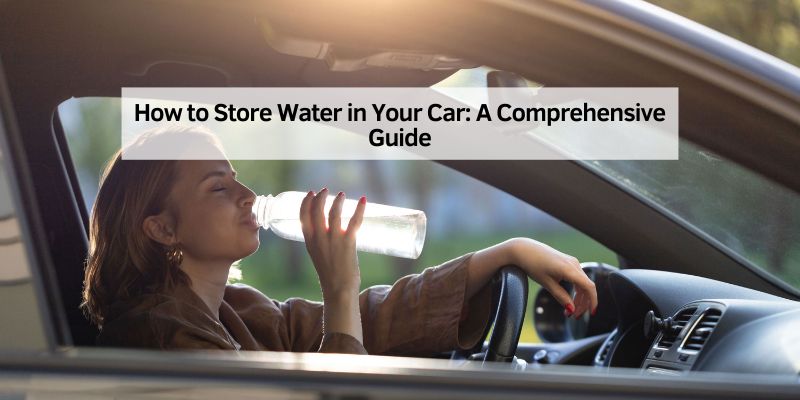
How to Store Water in Your Car: Containers, Heat & Freezing Facts
Storing water in your car is safest in BPA-free plastic or stainless steel containers, kept out of direct sun in the trunk or under a seat. Sealed rigid bottles can crack if water freezes solid, since ice expands about 9% in volume. This guide covers the best containers, safe placement, how hot-car heat really affects plastic, and how much water FEMA recommends keeping on hand.
Insert your Affiliate Disclosure reusable block here.
Quick Answer
Store water in BPA-free plastic, stainless steel, or sealed commercial bottles, not glass or a fully-topped rigid jug, since ice can crack it. Keep at least one gallon per person for three days, per FEMA, away from direct sun. A single hot afternoon will not make water unsafe to drink, but rotate stock every six months.
Why Storing Water in Your Car Matters
I can’t stress enough how important it is to have water with you when you’re driving. Our bodies need water to function, and dehydration can sneak up fast, especially in hot weather or during long drives. I’ve felt that foggy headache creep in when I didn’t drink enough, and it’s not fun—especially when you’re trying to focus on the road. Beyond personal comfort, water is critical in emergencies. A breakdown in the middle of nowhere or a natural disaster like a wildfire can leave you stranded for hours, and having water on hand can make all the difference.
From my own road trips across the USA, I’ve learned that not every gas station has potable water, and convenience stores can be overpriced or out of stock. Plus, in extreme weather—think blistering Texas summers or freezing Montana winters—water can be a literal lifesaver. Storing water in your car isn’t just about convenience; it’s about safety and preparedness. For more roadside-ready fixes like this one, check our full library of car how-to guides.
Choosing the Right Water Containers
When I first started keeping water in my car, I grabbed whatever plastic bottles I had lying around. Big mistake. Not all containers are created equal, and picking the right one can affect both safety and convenience. Here’s what I’ve learned about choosing the best containers for storing water in your car.
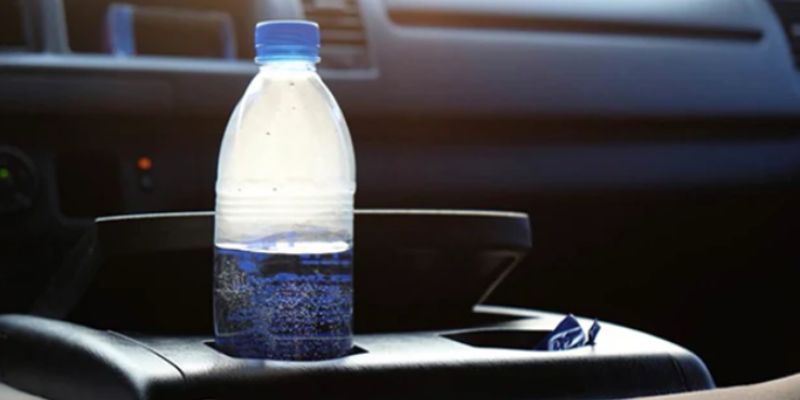
First, go for BPA-free plastic or stainless steel containers. Some plastics can leach chemicals into water when exposed to heat, like when your car turns into an oven on a sunny day — more on exactly how much that matters below. Stainless steel is another great option—it’s durable, doesn’t hold onto odors, and keeps water tasting fresh.
Size matters too. I keep a mix of small 16-ounce bottles for quick sips and a larger 1-gallon jug for emergencies. Smaller bottles are easy to grab while driving, but a larger container ensures you’ve got enough water if you’re stuck for a while. If you want a named container built for this exact job rather than a repurposed bottle, a rigid jug with a spigot or a collapsible camping-style container both hold up better in a trunk than anything from a dollar store.
Here’s a quick breakdown of container types worth using in a car:
| Container Type | Pros | Cons |
|---|---|---|
| BPA-Free Plastic Bottles | Lightweight, affordable, widely available | Can crack if dropped, may retain heat |
| Stainless Steel Bottles | Durable, keeps water cool, no chemical leaching | More expensive, heavier |
| Rigid Jug w/ Spigot (5-Gal) | Holds a lot, spigot means no spills at a rest stop | Bulky for daily driving, heavy when full |
| Collapsible Containers | Space-saving, folds flat when empty | Less durable, harder to clean |
| Aluminum Canned / Boxed Water | BPA-free, doesn’t affect taste, long shelf life | Costs more per gallon than a jug |
“I once had a dollar-store bottle crack in my trunk, and the mess was a nightmare. Stick to high-quality containers designed for long-term use.”
Best Car Water Jug Pick
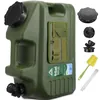
YOSN 5 Gallon BPA-Free Water Jug with Spigot
A rigid, food-grade 5-gallon jug with a built-in spigot — the “named” car water container most emergency-prep guides point to for trunk storage.
- Best for: Trunk-based emergency water storage for a family
- Why we picked it: BPA-free rigid plastic holds its shape in a hot trunk, and the spigot means no glugging water everywhere at a rest stop
- Main drawback: Heavy and bulky when full — better for road trips and emergency kits than a quick grab-and-go bottle
Compare more car water storage options
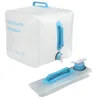 Option 1 GOutdare Collapsible 5-Gal Water Jug
|
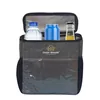 Option 2 Outer Woods Insulated Car Cooler Bag
|
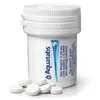 Option 3 Aquatabs Purification Tablets (100-Pack)
|
As an Amazon Associate we earn from qualifying purchases.
One tip from experience: avoid cheap, flimsy bottles. Stick to high-quality containers designed for long-term use.
Where to Store Water in Your Car
Figuring out where to store water in your car took some trial and error. You want it accessible but secure, and you definitely don’t want bottles rolling under your brake pedal! Here’s what works best based on real-world use.
The trunk is the go-to for larger containers like gallon jugs. It keeps them out of the way and protected from direct sunlight, which can heat up water and make it taste weird. Use a sturdy plastic crate to keep jugs upright and prevent them from sliding around during sharp turns. If you drive a hatchback or SUV, consider a cargo organizer to keep things tidy.
For smaller bottles, keep a couple in the center console or door pockets for easy access. A small cooler bag under the passenger seat helps keep water cool during summer road trips. One thing worth learning the easy way instead of the hard way: don’t leave bottles on the dashboard or in direct sunlight, since heat can turn your water into a hot, unappetizing mess.
If you’re short on space, get creative — slim bottles tuck in nicely behind the driver’s seat or in glove compartments. Just make sure they’re secure and won’t become projectiles if you brake suddenly.
Is It Safe to Leave Bottled Water in a Hot Car?
Mostly yes, at least for a single hot day. Most bottled water sold in single-use bottles is made from PET plastic, which does not contain BPA at all — BPA is a concern only in certain reusable polycarbonate bottles and some can linings, not in a standard case of store-bought water. A parked car’s interior can still get dangerously hot, though, so heat and container quality both matter.
📊 A parked car’s interior can climb from 88°F outside air to 110°F in just 20 minutes, and 124°F within an hour. — Source: NHTSA, Heatstroke Prevention Campaign
So does that heat actually leach chemicals into the water? Research has found that hot plastic can release measurably more antimony and trace BPA into water — but the studies behind that finding held bottles at around 158°F for four straight weeks, and even then only 1 of 16 tested brands exceeded EPA safety limits. That’s weeks of sustained oven-level heat, not one afternoon in a parked car. The FDA’s position backs that up:
📊 The FDA’s current safety review supports BPA as safe at the levels found in approved food and beverage packaging, including bottled water containers. — Source: FDA, Bisphenol A (BPA) in Food Contact Applications
One myth worth killing outright: plastic water bottles left in a hot car do not release cancer-causing dioxins. That claim has circulated for years in chain emails and social posts, but the plastics used for bottled water don’t contain dioxin precursors to begin with — there’s nothing in the bottle for heat to “release.” The real, evidence-backed takeaway is narrower and less dramatic: don’t let the same case of water bake in your trunk all summer and drink from it in October. Cracking a window and parking in shade knocks a few degrees off cabin heat, and it’s the same practical advice we’d give after looking into what else gets dangerous in a hot car. Rotate your water every six months regardless, and you’re well inside the safety margin either way.
How to Keep Water Safe and Fresh
Storing water in your car isn’t just about tossing a bottle in the back and calling it a day. Water can go bad—funky smells and weird tastes—and it’s not something you want to deal with. Here’s how to keep it safe and drinkable.
Check the fill date on any water you’ve bottled yourself. Commercially bottled water technically doesn’t expire, but it can develop a stale taste over time from the plastic, and it’s smart to rotate stock every six months. For reusable containers, clean them thoroughly with soap and water before refilling, using a bottle brush to get into every nook and cranny, especially for stainless steel bottles.
Temperature is a big factor. Heat can encourage bacterial growth in water, especially if the container isn’t sealed properly — that’s a much bigger everyday risk than trace plastic chemicals. Store water in a shaded spot, like the trunk or under a seat, and consider using an insulated bag for extra protection.
If you’re filling your own containers, use potable water from a trusted source, like your home tap if it’s safe, or a filtered water station. Avoid refilling single-use plastic bottles too many times—they’re not designed for repeated use and can break down.
Emergency Water Storage Tips
A flat tire in the desert, a snowstorm that closes the highway—having enough water on hand turns a bad day into a manageable one. For emergencies, keep at least one gallon of water per person in your car. If you travel with family or pets, increase that amount.
📊 FEMA recommends storing at least one gallon of water per person per day, for a minimum of three days, and replacing any water you’ve bottled yourself every six months. — Source: Ready.gov, Water
Pack a small emergency kit with water purification tablets. These are a game-changer if you’re in a pinch and need to use questionable water sources, like a stream or a public fountain — they’re lightweight and take up barely any space. A few single-serve electrolyte packets in the glove box are also great for boosting hydration if you’re stuck in extreme heat.
For long-term storage, consider sealed, commercially bottled water with a long shelf life. Keep a case of bottled water in the trunk, tucked into a corner so it doesn’t roll around. If you live in an area prone to natural disasters like hurricanes or earthquakes, make water storage a priority in your car’s emergency kit.
Water Storage for Different Seasons
Living in the USA means dealing with all kinds of weather, and water storage needs change with the seasons. In summer, heat is the biggest issue — water bottles can get so hot they’re undrinkable, so use insulated containers or a small cooler bag with an ice pack for road trips. If you’re parked for long periods, crack a window or park in the shade to keep the interior cooler.
In winter, freezing is the problem. A plastic bottle can split open after a hard cold snap because water expands roughly 9% in volume as it turns to ice, and a fully sealed rigid container has nowhere for that expansion to go. Freezing itself doesn’t make water unsafe — it’s a physical change, not a chemical or biological one — but a cracked bottle means a mess and lost water right when you might need it. Use freeze-resistant containers like stainless steel or thick BPA-free plastic, and leave some headspace at the top. If you live in a cold climate, store water in the passenger compartment rather than the trunk, since cabin air holds a bit more residual warmth. Check containers regularly for cracks or leaks caused by freezing temperatures.
Spring and fall can be milder, but don’t let your guard down. Rotate your water supply more frequently in these seasons because fluctuating temperatures can affect water quality. A good rule of thumb is to check your water every couple of months, no matter the season.
Water Storage for Long Road Trips
Road trips come with their own challenges for water storage. Driving from California to Colorado taught a few tricks that made a big difference.
Plan for more water than you think you’ll need — aim for at least half a gallon per person per day, plus extra for emergencies. For a three-day trip, that’s at least 1.5 gallons per person, not counting what you’ll drink at rest stops or hotels. Pack a mix of small bottles for convenience and larger jugs for backup. If you’re setting up a full trunk kitchen for camping stops along the way, our car camping kitchen setup guide covers the rest of the gear.
Coolers are a road-trip essential. A soft-sided cooler that fits under the seat and holds a few bottles with an ice pack keeps water cold and refreshing, which is a morale booster hours into a drive. If you’re camping or stopping in remote areas, consider a portable water filter for refilling from natural sources—just make sure it’s a high-quality filter designed for outdoor use.
Another tip: label your containers. Mixing up a water jug with one used for windshield washer fluid is not a fun mistake to make once. Clear labels keep things organized, especially with multiple containers in the car.
Water Storage for Families and Pets
If you’re traveling with kids or pets, water storage gets a bit more complicated. Kids need smaller, easy-to-hold bottles, and spill-proof sippy cups or bottles with straws work great for little ones.
For pets, a collapsible water bowl in the car makes it easy to give a dog water at rest stops — plan on roughly a quart of extra water per day for a medium-sized dog, less for a cat or smaller pet.
Keep family and pet water separate from your emergency stash. It’s tempting to dip into the gallon jug when a kid spills their bottle, but you don’t want to run short in a real emergency. Use a separate cooler bag for daily use and keep the emergency water tucked away in the trunk.
Common Mistakes to Avoid
Here are the biggest water-storage mistakes to avoid:
- Leaving water in direct sunlight: It can get hot, taste bad, and eventually become unsafe. Always store water in a shaded spot.
- Using low-quality containers: Cheap bottles can crack or leach chemicals faster. Invest in good-quality, BPA-free options.
- Forgetting to rotate your supply: Stale water isn’t just gross—it can encourage bacterial growth. Check and replace your water every six months.
- Not securing containers: Loose bottles can roll under seats or become hazards. Use crates or organizers to keep them in place.
- Underestimating your needs: Pack more water than you think you’ll need, especially for long trips or emergencies.
- Sealing a rigid container completely full before winter: Leave headspace, since freezing water expands and can crack the container.
How to Set Up Your Car’s Water Storage System (Step by Step)
Here’s a simple system that covers daily drives, road trips, and unexpected situations without taking up too much space. Adjust the amounts to fit your household.
- Stock daily-use bottles: Keep two 16-ounce BPA-free or stainless steel bottles in the center console or door pockets for quick sips while driving.
- Load a trunk crate: Set a 1-gallon jug and a sealed case of bottled water into a sturdy crate in the trunk so nothing rolls around on turns.
- Add a cooler bag: Tuck an insulated cooler bag with an ice pack under the passenger seat to keep a few bottles cold on hot days.
- Pack purification tablets: Store a small pack of water purification tablets in the glove box as a backup if you ever need to treat water from a questionable source.
- Rotate and label: Write the fill date on any reusable container and swap out the water every six months so nothing goes stale or freezes in a full, sealed jug.
Conclusion
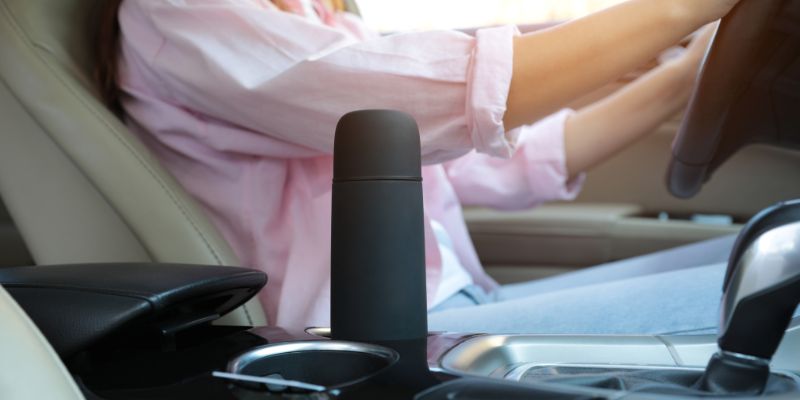
Storing water in your car is one of those small habits that pays off in a big way — from staying comfortable on a long commute to being ready for a real emergency. Choose BPA-free or stainless steel containers, store them out of direct sun, rotate your stock every six months, and leave headspace before winter so freezing water doesn’t crack a sealed jug. Get that system in place once, and you’ll never be caught thirsty on the road.
FAQs
How much water should I keep in my car?
FEMA recommends at least one gallon of water per person for a minimum of three days for emergencies, so a family of four should keep 12 gallons on hand. Add smaller bottles in the console or door pockets for daily sipping on top of that emergency reserve.
Can I use tap water to fill my car’s water containers?
Yes, as long as it comes from a safe, potable source like your home tap or a filtered pitcher. Fill BPA-free or stainless steel containers, seal them tightly, and label the date so you know when to rotate the water out.
How often should I replace the water in my car?
Replace tap water you’ve bottled yourself every six months, per FEMA guidance, since stale taste and bacterial growth become more likely over time. Commercially sealed bottled water lasts much longer, but swap it out roughly twice a year anyway if it lives in a hot trunk.
What’s the best way to keep water cool in my car during summer?
Use an insulated cooler bag with an ice pack, or switch to a double-wall stainless steel bottle, and store both in a shaded spot like under a seat or in the trunk rather than on the dashboard. Cracking a window and parking in shade also helps.
Is it safe to store water in my car during winter?
Yes. Freezing is a physical change, not a chemical or biological one, so thawed water is still safe to drink. Use freeze-resistant stainless steel or thick BPA-free plastic, store bottles in the passenger compartment rather than the trunk, and leave headspace since ice expands.
Will bottled water left in a hot car make me sick?
No, not from a single hot day. Most bottled water is BPA-free PET plastic, and the FDA considers current BPA levels in food packaging safe. A 2014 study held water at 158°F for four weeks and found only 1 of 16 brands exceeded EPA limits, so the real risk is water baked for weeks, not one afternoon in a parked car.
Does freezing a water bottle in my car make it unsafe to drink?
No. Freezing doesn’t add chemicals or bacteria to water, it just changes it from liquid to solid. The bigger risk is the container: water expands about 9% as it freezes, which can crack a fully sealed rigid bottle or jug. Leave extra headspace in anything you store in freezing temperatures.
Products related to this article
Sponsored / affiliate links. As an Amazon Associate I earn from qualifying purchases. I may earn additional commission from eligible campaigns.