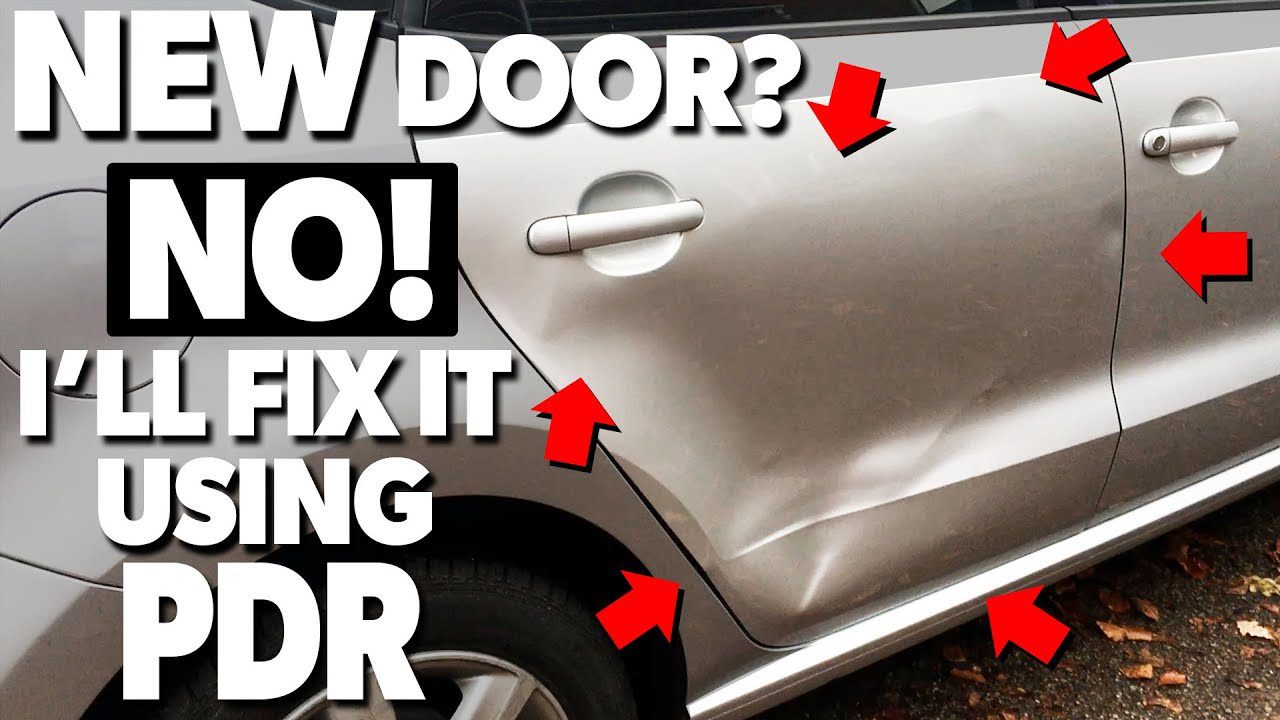
How to Fix a Dent in a Car Door: 5 DIY Methods That Actually Work
You can fix a car door dent yourself for $0–$100 using tools you likely already own — a plunger, hair dryer, or a $30 dent puller kit all work without touching the paint. Leaving a dent untreated invites rust and can cut your car’s resale value by $500 or more. Below you’ll find 5 proven DIY methods, when each works best, and the exact point at which a professional PDR tech ($75–$200) is worth calling instead.
Pour boiling water over the dent, then press a rubber plunger firmly and pull back sharply — this works on shallow, paint-intact dents in 2–3 attempts. For harder dents: heat with a hair dryer for 60 seconds, then spray inverted compressed air to contract the metal. A dent puller kit ($20–$60) handles larger dings. Call a PDR pro for dents near body lines or creased metal.
Tools And Materials Needed
Our Pick
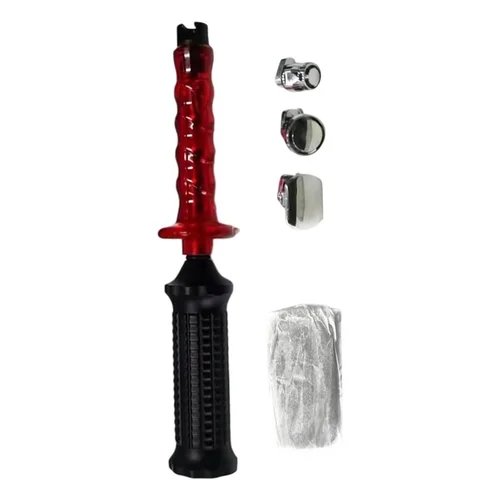 |
Slide Hammer Dent Puller Kit with Pull Tabs Slide hammer, multiple glue tab sizes, and a suction cup included — handles both shallow dings and larger door dents.
|
Before you start, gather the right tools for your method. For the plunger method: a rubber plunger (cup-style, not flange-style), a kettle of boiling water, and a clean microfiber cloth. For the hair dryer method: a standard hair dryer, a can of compressed air (held inverted), and gloves. For dry ice: thick rubber or leather gloves, safety goggles, and dry ice pellets or a block. For a dent puller kit: the kit itself (suction cup or glue-tab style), plus isopropyl alcohol to prep the dent area.
Rubber mallet, sandpaper, body filler, primer, and matching spray paint matched by color code are only needed if the DIY method chips or cracks the paint. Have them on hand as a backup, but you likely won’t need them on a shallow ding.
Assessing The Dent
Check three things before picking a method. First, is the paint intact? If paint is cracked or chipped, heat-and-pull methods risk making it worse — go straight to body filler or a professional. Second, is the metal creased or stretched? A smooth, bowl-shaped depression responds well to plunger and heat methods; a crease or ridge means the metal has been deformed and typically requires PDR tools or a body shop. Third, where is the dent? Dents near door edges, body lines, or panels with limited back access are harder to fix at home — flat, mid-panel dents are the easiest.
Using Hot Water And Plunger
First, park the car in a safe spot. Make sure there is enough light. Clean the door with a cloth to remove dirt. Dirt can scratch the paint. Boil some water until it gets very hot. Be careful not to spill. Pour the hot water over the dent. This softens the metal. Let it sit for a few seconds.
Take a rubber plunger from the bathroom. Place it over the dent. Push firmly on the plunger. Pull back quickly. Repeat this step several times. The dent should pop out. If it doesn’t, try again. Ensure the plunger creates a strong seal. This helps pull the metal back. Check the dent from different angles. Make sure it looks good.
Hair Dryer And Compressed Air Method
First, plug in a hair dryer and turn it on. Hold the dryer about six inches away. Move it around the dent for about one minute. The goal is to make the metal warm. Do not touch the metal to check the heat. It can be very hot. Keep the dryer moving all the time. This helps the heat spread evenly.
After heating, grab a can of compressed air. Turn the can upside down and spray the dent. The cold air will make the metal contract. You might hear a popping sound. This is the dent moving back into place. Repeat if needed, but be careful with the cold. It can hurt your skin.
Dry Ice Application
Dry ice is very cold. It can hurt your skin. Always wear gloves. Use a mask to avoid breathing in fumes. Keep dry ice away from kids and pets. Store it in a cool, safe place. Ventilate the area well. This helps to keep you safe.
First, clean the car door. Make it free of dirt. Next, put on your safety gear. Take a piece of dry ice. Hold it with gloves. Rub it on the dent. Move in circles. The dent should start to pop out. This happens because of the cold. If not, try again. The dent might need more time.
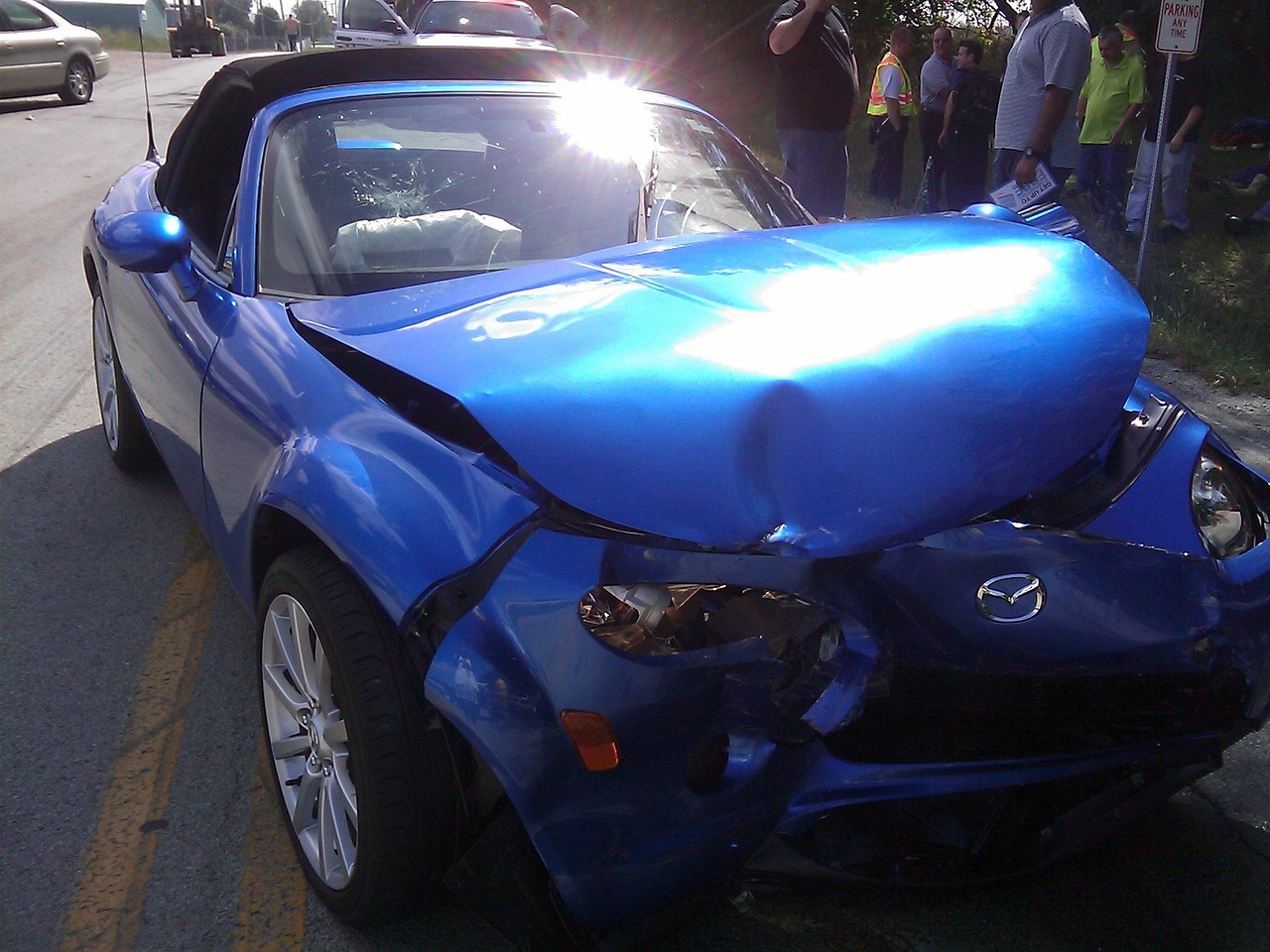
Dent Repair Kits
Dent repair kits come in different types. Puller kits use suction cups — they pull the dent out. Glue kits use special adhesive tabs that stick to the dent surface. Tapping kits use small hammers to tap the dent back in place. Each kit works differently. Consider the size and location of the dent when choosing: suction cup kits handle smooth, shallow dings best, while glue-tab kits with a slide hammer work on larger, harder-to-grip dents.
Read the instructions carefully. Clean the dent area with isopropyl alcohol first. Attach the tool to the dent. If using a puller kit, press down firmly. For glue kits, apply glue to the tab, wait for it to dry, then pull gently. For tapping kits, use soft taps and check progress after each step. Be patient — dents take time to fix. Wear gloves and eye protection throughout.
When To Seek Professional Help
Consider professional help when a dent is deep or the paint is damaged. DIY methods might worsen complex issues. Paintless Dent Repair (PDR) is the most cost-effective professional option — a trained tech uses specialized rods and picks to massage the metal back from behind the panel without filler or repainting. PDR typically costs $75–$200 per dent and preserves your factory paint finish, which protects resale value.
Complex Dents
Some dents are too big or complex to fix alone. They are near body lines, creased, or on aluminum panels (aluminum doesn’t respond to heat methods the same way steel does). A professional knows what to do. Trying to fix alone can make it worse — the dent could get bigger, or paint might chip off. Professionals have the right tools and years of experience to restore the panel correctly.
Preventing Further Damage
Small mistakes can cause more damage — using wrong tools or pressing too hard can scratch the paint or bend the metal further. A professional avoids these mistakes. They protect your car and keep it looking new. It saves money in the long run — fixing a botched DIY repair at a body shop can cost significantly more than going to a PDR tech from the start.
Maintaining Your Car’s Appearance
Keep your car looking its best with regular checks. A small dent spotted early is far cheaper to fix than one that’s rusted over. Clean your car regularly — dirt and grime can hide new dings and accelerate rust around paint chips. Make it a habit to walk around your car once a week and check for new damage.
Protect your car proactively: park away from other cars in lots, use a car cover to protect the surface, and be careful when opening your door in tight spaces. Door edge guards ($5–$15) prevent the most common parking-lot dings. If you spot scratches alongside a dent, treat them early — here’s how to remove car scratches at home before rust sets in.
Frequently Asked Questions
How Do I Fix A Dent In A Car Door?
To fix a dent in a car door, try a plunger or hair dryer first. Pour hot water over the dent, then press a rubber plunger firmly and pull back quickly. Alternatively, heat the dent with a hair dryer for 60 seconds, then spray inverted compressed air to contract the metal. Professional PDR repair ($75–$200) is recommended for deep dents or damaged paint.
Can Hot Water Remove Dents From Car Doors?
Yes, hot water can help remove small dents from car doors. Pour hot water over the dented area to soften the metal, then use a plunger to pull out the dent. This works best on shallow, paint-intact dents on flat panel areas. For creased dents or dents near body lines, professional PDR repair is a better option.
What’s The Cost To Repair A Car Door Dent?
DIY methods cost $0–$100 (a quality dent puller kit runs $20–$60). Professional paintless dent repair (PDR) typically runs $75–$200 per dent. Traditional body shop repairs with filler and repainting cost $200–$500+ depending on panel size. Prices vary based on dent size, location, and the repair shop you choose — always get 2–3 quotes.
Can DIY Methods Damage Car Paint?
Yes, DIY methods can potentially damage car paint if done incorrectly. Using excessive force or incorrect tools can scratch or chip the paint. Always prep the dent area cleanly, use the right tool for the dent size, and apply gradual pressure. Consult a professional for significant or deep dents to avoid costly paint damage.
Does Insurance Cover Car Door Dents?
Comprehensive or collision coverage typically covers dents caused by accidents, hail, or vandalism — but you’ll owe your deductible first. If the repair costs less than your deductible (common for small dents under $200), paying out of pocket with a DIY kit or PDR tech avoids a claim that could raise your premium. Minor parking-lot dings are generally not covered unless caused by an uninsured driver.
Fixing car door dents saves time and money when caught early. DIY methods like the plunger or hair dryer are effective for shallow, paint-intact dings. For deeper or creased dents, professional PDR ($75–$200) is the safest route. Park carefully, check your car regularly, and address new dents before rust takes hold.
Products related to this article
Sponsored / affiliate links. As an Amazon Associate I earn from qualifying purchases. I may earn additional commission from eligible campaigns.
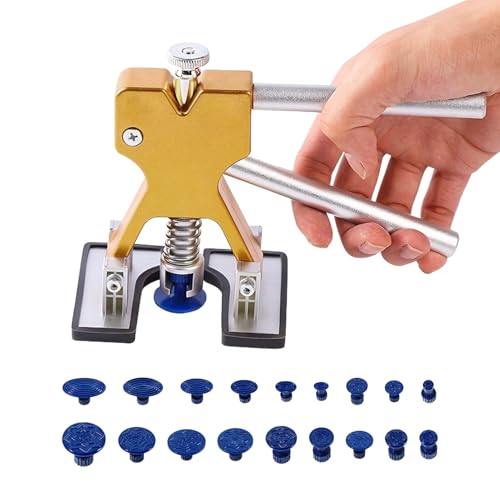 Auto Body Repair Kit Car Dent Puller with 18pcs Pull Tabs, Universal T Bar Paintless Dent Remover Tool Lifter for Auto Hail Damage Repair & Other Metal Surface
 Super PDR Dent Puller Kit Paintless Dent Repair Kit for Car – Slide Hammer Suction Cup and PDR Light for 98% Auto Body Dent Removal, Hail Damage & Appliance Dents or Vehicle Dent Removal