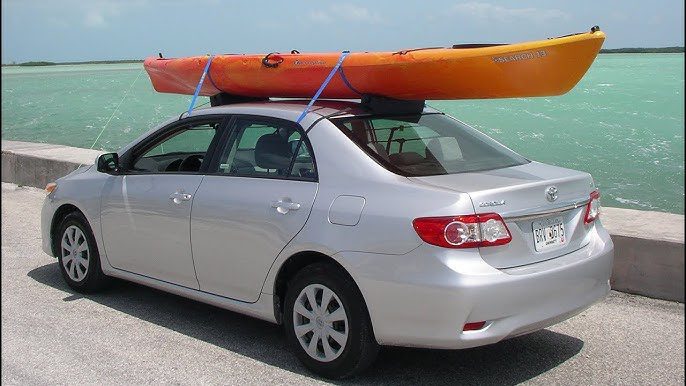
How to Strap a Kayak to a Car: Easy and Secure Tips
Picture this: You’re ready to hit the water, kayak loaded with gear, excitement bubbling over. But there’s just one problem – how do you safely strap your kayak to your car without turning your adventure into a roadside mishap?
Don’t worry; you’re not alone in wondering how to get your kayak from your garage to the great outdoors safely and securely. Imagine the peace of mind as you drive, knowing that your kayak isn’t going to budge an inch.
You’ll learn the secrets that seasoned paddlers swear by, ensuring that your kayak is snugly fastened, ready to slice through the water rather than bounce off the road. By mastering this skill, not only will you protect your kayak and car, but you’ll also set off with confidence every time. Ready to dive in and make sure your kayak’s journey is as smooth as yours? Let’s get started!

Credit: paddlingmag.com
Choosing The Right Equipment
Kayak straps come in different types. Cam buckle straps are easy to use and adjust. They hold the kayak securely. Ratchet straps are stronger. But be careful. They can tighten too much. This might damage the kayak. Bungee cords are flexible. But they might not be strong enough. Choose straps based on your needs. Always check their condition. Never use worn-out straps.
A good roof rack is key. J-style racks hold kayaks at an angle. This saves space on the roof. Saddle racks keep the kayak flat. They offer great support. Foam pads are simple. They protect the kayak and car roof. Make sure the rack fits your car. Check for sturdy construction. Ensure the rack holds the kayak securely. Safety first.
Preparing The Kayak And Car
Check the kayak for any cracks or damage. Look under and around it. Ensure the kayak is safe to use. A broken kayak can cause problems. Make sure all parts are tight. The seat, handles, and straps should be secure. Use a flashlight to see inside. A clean and safe kayak is important.
Start by washing the car roof. Use soap and water. Remove all dirt and dust. A clean roof helps the kayak stay in place. Dry it with a soft towel. Make sure there is no water left. Water can make it slippery. A clean roof is safer for the kayak.
Positioning The Kayak On The Car
Place the kayak on the car roof. Keep it straight and centered. This helps with balance. Make sure the kayak’s front faces forward. It should align with the car’s direction. Use foam pads if needed. They protect the car and kayak. Adjust the kayak so it sits well.
Distribute the weight evenly. The kayak should not lean to one side. Check both sides of the car. Ensure they look balanced. A level kayak is safer. It is less likely to move. Use straps to secure both ends. Tighten them well. But not too tight. You don’t want to damage the kayak.

Credit: www.rei.com
Securing The Kayak With Straps
Using front and rear strapsis key to keeping the kayak safe. The straps should be strong and long enough. Attach the front strap to a solid point on the car. This can be a tow hook or a sturdy bar. The rear strap should hold the back of the kayak.
Make sure the straps are tight. Loose straps can let the kayak move. Pull the straps until they are firm. Check the tightness by shaking the kayak. It should not move or wobble. Tighten the straps evenly on both sides.
Checking Safety Measures
Ensure the straps are tight. Pull them hard to check. They should not move. If they do, tighten them more. Loose straps can be dangerous. Always double-check. Look at all the straps. Each should be secure. No part should be loose. If a strap is worn, replace it. Safety is important.
The kayak should not block mirrors. You must see all around. Adjust the kayak if needed. Make sure the back window is clear. Visibility is key for safe driving. If any part blocks your view, fix it. Safety checks help prevent accidents. Always be sure before driving.

Credit: m.youtube.com
Driving With A Kayak
Keep your speed steadywhen driving with a kayak. Fast speeds might cause the kayak to shift. This can be dangerous. Maintain a safe pace. Going too fast may increase risks. Slow down on turns and corners. It helps in keeping the kayak secure.
The kayak will face wind resistance. It can impact your car’s stability. The wind pushes against the kayak. It may cause swaying. Secure the kayak tightly. The tighter, the better. Adjust your driving style. Move cautiously. Be aware of strong winds.
Frequently Asked Questions
What Equipment Do I Need To Strap A Kayak?
To strap a kayak, you need roof racks or crossbars, cam straps, and bow and stern lines. Roof racks provide stability. Cam straps secure the kayak. Bow and stern lines prevent movement during transport. Check your car’s compatibility with roof racks for optimal safety.
How Do I Position A Kayak On A Car?
Position the kayak with the cockpit facing up, centered on the roof racks. Ensure it’s balanced to prevent tilting. The kayak should sit evenly over the crossbars. Proper positioning prevents wind resistance, ensuring a safer drive.
Can I Use Ratchet Straps For My Kayak?
Avoid using ratchet straps for kayaks. They can exert excessive force, potentially damaging the kayak. Cam straps are preferred as they provide sufficient tension without harming the kayak. Ensure straps are tight but not overly compressed.
How Tight Should The Straps Be?
Straps should be tight enough to prevent movement but not overly compressed. Ensure the kayak is secure without damaging it. Check strap tension regularly during travel. Proper tension ensures safety while driving.
Conclusion
Securing a kayak to your car safely is crucial. It ensures a stress-free trip. Always use sturdy straps and check their tightness. Attach the kayak firmly to the roof rack. Double-check everything before hitting the road. Practice makes perfect. Strapping your kayak right prevents damage to your car and kayak.
It also keeps other drivers safe. Remember, a well-secured kayak means more fun on the water. Enjoy your next kayaking adventure with confidence. Happy paddling!