Best Roof-Mounted Kayak Racks for Cars (2026): Research Shows
For most car, SUV, and truck owners, a two-carry J-cradle rack is the best roof-mounted kayak rack. Choose a stacker only if you haul two kayaks often or need the lowest first-year cost. Buy the wrong style, and you can end up with noisy driving, scratched boats, harder loading, or a second rack purchase. This guide ranks the top two picks, explains which one fits solo loading, coastal use, fishing kayaks, or two-kayak duty, and shows the first-year cost.
Quick comparison
| Product | Badge | Best for | Price | ||
|---|---|---|---|---|---|
 |
Thule Compass Kayak and SUP Roof Rack, J-Style Carrier,Thule | Our pick | $379.95
Price as of 22 Oct 2026
|
View | |
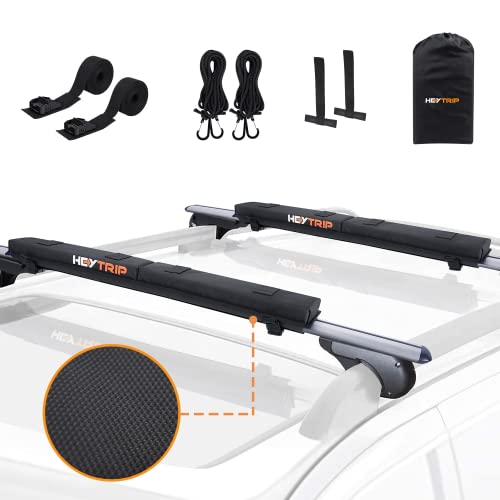 |
HEYTRIP Roof Rack Pads 30" Aero Crossbar Pads forHEYTRIP | Also great | $45.99
Price as of 22 Oct 2026
|
View | |
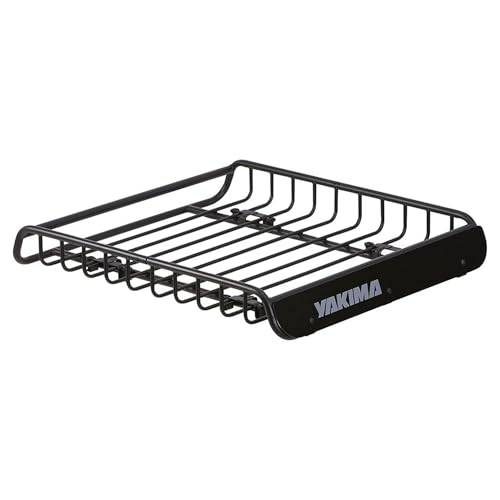 |
Yakima LoadWarrior Medium Sized Heavy Duty Steel CargoYakima | Also great | $528.95
Price as of 22 Oct 2026
|
View | |
 |
Malone SeaWing Saddle Style Universal Car Roof Rack KayakMalone | Also great | Saddle · No-Tool · 70 lb | $161.95
Price as of 22 Oct 2026
|
View |
 |
Forluck Kayak Roof Rack J-Bar Carrier, Universal Roof MountForluck | Our pick | $59.99
Price as of 31 Oct 2026
|
View |
The right choice depends on boat width, roof height, and whether you load alone. Hidden costs matter too: locks, tie-downs, adapters, and spare straps can add a real first-year bill.
How we chose
The comparison below starts with load rating, kayak size fit, and roof compatibility. It also weighs loading height, fold-flat storage, and whether the rack makes sense for one kayak or two.
We compared published specs and buyer feedback for three problem areas that matter most: solo loading, wide fishing kayaks, and year-round use on common crossbars. Saltwater use and hidden add-ons counted as well.
One more filter mattered. A rack that works on paper but hits the garage door, whistles on the highway, or needs extra hardware to fit your bars is a weaker buy.
Thule Compass: best for most buyers
The Thule Compass is the cleanest all-around pick for buyers who want one rack to cover a single kayak, two kayaks, or even a pair of SUPs. It carries a single kayak in J-style or saddle configuration, holds two kayaks in stacker mode, supports up to two SUPs in saddle mode, fits kayaks up to 36 inches wide, and is rated for a maximum kayak weight of 130 pounds.
That spread of use sets it apart. A solo paddler can run one kayak in a J-cradle or saddle position, while a two-kayak household can switch to stacker mode without buying a second system. The universal mounting hardware also makes it easier to move between vehicles with the right bars.
The drawback is price and complexity. It sits far above the budget tier, and buyers who only need one narrow kayak may pay for flexibility they never use. It also rewards careful mounting; a multi-position rack is not the same thing as a simple fixed J-cradle.
Why it wins for mixed use
Choose this rack if your needs change from trip to trip. It suits the buyer who may haul a touring kayak on Saturday, then two shorter boats for a family day the next weekend.
It also fits shoppers who want fewer compromises on width and weight. The 36-inch width limit and 130-pound maximum kayak weight are far more forgiving than the limits on many budget racks.
Malone FoldAway-5: best for budget two-kayak setups
The Malone FoldAway-5 is the value pick for buyers who want two-kayak duty without paying premium money. It holds two kayaks, is rated for 75 pounds per kayak, and fits most load bars up to 1.5 inches tall by 3.5 inches wide.
The fold-down frames matter. Lower clearance helps when you park in a tight garage, and the rack sits more neatly when you want less wind drag between paddling seasons. For a budget-minded household, that can be the difference between leaving it mounted and removing it every week.
The tradeoff is capacity. A 75-pound-per-kayak limit leaves less margin for a wide fishing kayak, a heavy sit-on-top, or a loaded boat with gear still inside. Buyers who need more loading help or more width forgiveness should move up-market.
Where the value shows up
This is the better choice when two boats matter more than premium convenience. It is a practical answer for couples or friends who split trips and want one rack system, not two separate purchases.
Its fit window is useful, but not universal. Measure your load bars before buying, because a bar outside the 1.5-by-3.5-inch range is a problem, not a minor mismatch.
Kayak rack decision matrix
This matrix turns the common buying variables into a decision path. It also shows the hidden extras that often push a cheap rack into midrange territory.
| Kayak width, weight, roof type, loading ability | Best rack style | Hidden extras needed | Estimated first-year cost |
|---|---|---|---|
| Under 28 inches wide, under 75 pounds, factory aero bars, can lift overhead alone | J-cradle | Tie-down straps, bow and stern lines, possible lock cores | Lower to midrange once extras are added |
| 28 to 36 inches wide, up to 130 pounds, round or square bars, two-person loading or careful solo loading | Saddle or convertible carrier | Straps, bow and stern tie-downs, possible adapter kit | Midrange to premium |
| Two kayaks, each under 75 pounds, square, round, or aero bars, strong crossbar load rating | Stacker or two-boat J-cradle setup | Extra straps, load protectors, lock cores if you leave it mounted | Lower to midrange |
| Heavy fishing kayak, solo loader, tall SUV, limited shoulder strength | Gas-assist saddle | More expensive hardware, straps, tie-downs, possible security locks | Premium |
| Rental car, temporary use, no permanent roof rack, occasional trip only | Inflatable temporary system | Inflator, tie-downs, careful setup time | Lower to midrange, but temporary by design |
Say your kayak is 34 inches wide and close to 90 pounds, and you drive a tall SUV with factory aero bars. A saddle-style or convertible rack fits the shape better than a narrow J-cradle, but the real budget hit often comes from straps, bow lines, and a possible adapter if your bars are unusually shaped.
Suppose you have two 11-foot recreational kayaks under 60 pounds each and a garage with limited overhead clearance. A fold-down two-boat rack is usually the cleaner buy than two separate carriers, because the frames tuck down and the first-year add-ons stay modest.
Which one should you buy?
For a solo loader with a heavy fishing kayak, the Thule Compass is the safer top pick if you want one rack that can handle different boat types; if loading height is the main problem, move toward a gas-assist option such as the Thule Hullavator Pro instead. Its gas-assist saddle design is built for solo loading, though the 75-pound-per-kayak limit means you still need to stay inside the spec.
For a two-kayak household on a tighter budget, the Malone FoldAway-5 is the better value if your boats are moderate in weight and your bars match its size range. A true budget J-cradle alternative exists in the TMS J-Bar Rack, which suits a two-kayak household on a strict budget, but the tradeoff is less refinement and fewer convenience features.
For factory crossbars, round bars, or aero bars, check the rack hardware first, not last. The Yakima JayLow fits round, square, and factory aero crossbars and folds flat when not in use, which makes it a useful middle-ground choice when you want a J-cradle without leaving the rack high and exposed.
A coastal user should pay attention to hardware materials. The Yakima SweetRoll uses a saddle plus roller design with marine-grade nylon and stainless hardware, plus tool-free quick-connect clamps and integrated bow and stern tie-down points, so it is the stronger pick when saltwater durability matters.
J-cradle, saddle, stacker, or inflatable?
A J-cradle is the easy answer for many single-kayak buyers. It tilts the boat on its side, saves roof space, and usually costs less than a premium saddle system.
A saddle spreads the hull on two padded contact points. That helps with wider boats and with users who want less side pressure on the hull, but it can demand more roof width and a steadier lift.
Stackers are the multi-boat answer. They are best when you carry two kayaks regularly and want to maximize roof capacity without buying two separate carriers.
Inflatable systems are for temporary or rental use, not a permanent rack plan. The HandiRack Inflatable has a 165-pound total load rating, which makes it a viable no-rail or short-term option, but it is not the first choice for year-round highway use.
What hidden costs change the real price?
Most buyers focus on the rack price and stop there. That misses the cost of locking cores, replacement straps, bow and stern tie-downs, and adapters for bars that do not match the mounting hardware out of the box.
Noise matters too. A rack that folds flat, like the Yakima JayLow, usually has less wind exposure than a taller fixed carrier, though fit, vehicle shape, and bar design still influence highway sound. Clearance matters for garages, and fold-down frames can save you from removing the rack every weekend.
Yakima JayLow: best for quiet folding storage
The Yakima JayLow is a smart middle-ground pick for buyers who want a folding J-cradle with broad crossbar fit. It is rated for 80 pounds per kayak, uses a folding J-cradle design, fits round, square, and factory aero crossbars, and folds flat when not in use.
That combination helps if you keep the rack on the car most of the season. Tool-free clamps and flat storage reduce hassle, and SKS lock cores add theft deterrence for buyers who leave the system mounted.
The honest drawback is that a J-cradle is still a side-load design, so it is not the easiest choice for a tall SUV or a heavier fishing kayak. It is also less adaptable than a convertible saddle-style rack when boat width gets large.
Why it suits many daily drivers
This is a practical answer for drivers who want a cleaner fit than a bulky two-boat setup. The folding design helps keep the profile lower in the garage and on the highway.
It also helps buyers who move between vehicle types. Round bars, square bars, and factory aero bars are all in play here, which takes some uncertainty out of the purchase.
Yakima SweetRoll: best for coastal use
The Yakima SweetRoll is the better fit when saltwater exposure is part of the routine. It uses a saddle plus roller design and includes tool-free quick-connect clamps plus integrated bow and stern tie-down points.
The roller makes solo loading easier than a plain saddle, especially if you are sliding a boat from the rear of an SUV or truck roof. The hardware choice is the key reason to favor it near brackish water or on repeated coastal trips.
The drawback is that premium convenience carries a premium cost. It is also a better match for buyers who value loading help and hardware quality than for those who simply want the cheapest way to strap down one kayak.
Where it beats a basic J-cradle
The roller changes the loading experience. A common first-timer mistake is choosing a simple carrier for a wide kayak, then discovering that the last few inches of lift are the hardest part.
That problem is less likely here, but the buyer still needs to confirm roof height and crossbar spacing. A saddle with a roller helps, yet it does not make a tall roof feel short.
TMS J-Bar Rack: best for the lowest-cost two-kayak setup
The TMS J-Bar Rack is a basic answer for a two-kayak household that wants the lowest upfront spend. It uses a pair of J-cradles and is rated for 75 pounds per kayak, which is enough for many recreational boats.
Its appeal is simple: two boats, one purchase, no premium branding. For buyers who only need a straightforward haul and can live with a more basic setup, it can make financial sense.
The drawback is obvious. It is a bare-bones solution, so expect fewer convenience features, less refinement, and more attention to straps and mounting than with higher-end carriers.
Who should skip it?
Skip it if your kayak is heavy, wide, or awkward to lift. The 75-pound limit leaves little margin for larger fishing models, and the basic J-cradle format offers less help than a roller or gas-assist system.
It is best viewed as a budget tool, not a long-term upgrade path.
Which one should you buy?
If you want the best overall answer, start with the Thule Compass. It covers single-kayak, two-kayak, and SUP use, fits kayaks up to 36 inches wide, and carries a maximum kayak weight of 130 pounds. That flexibility is hard to beat if your needs may change.
If the budget is tighter and you mainly haul two moderate kayaks, the Malone FoldAway-5 is the better value. Its fold-down frames matter in garages and on shorter cars, and the two-boat format makes more sense than buying a single premium rack and a second add-on later.
If loading pain is your top issue, look at the Thule Hullavator Pro. The gas-assist saddle design is the right tool for solo loading, especially with a heavier fishing kayak, but the 75-pound-per-kayak limit makes it a fit-based purchase, not a universal fix.
For a saltwater household, the Yakima SweetRoll deserves a hard look because of its marine-grade nylon and stainless hardware. For mixed vehicles, the Yakima JayLow has the cleaner fit story, since it works with round, square, and factory aero crossbars and folds flat when not in use.
Crossbars: where fit succeeds or fails
Round, square, and factory aero crossbars do not behave the same way. Some racks clamp onto all three, while others need adapters or refuse certain bar shapes entirely.
That is why bar compatibility should be checked before you compare prices. A rack that fits your kayak but not your bars is not a bargain.
Crossbar load rating matters too. The rack is only one part of the system; your vehicle roof and bars must also support the combined weight of the rack, the kayak, and any gear strapped with it.
- Measure kayak width and weight first.
- Check your crossbar type: round, square, or factory aero.
- Decide whether you load alone or with help.
- Choose J-cradle, saddle, stacker, or inflatable based on that answer.
- Add locks, tie-downs, and adapters to the real budget before buying.
Frequently asked questions
What is the best roof mounted kayak rack for my car?
For most buyers, the best answer is the Thule Compass because it can handle one kayak, two kayaks in stacker mode, or even up to two SUPs in saddle mode. If you mainly want a budget two-boat setup, the Malone FoldAway-5 makes more sense.
Which kayak roof rack is easiest to load by one person?
A gas-assist saddle rack is the easiest for one person, and the Thule Hullavator Pro is the clearest example in this group. A roller-style saddle like the Yakima SweetRoll is also easier than a plain J-cradle, especially with a taller vehicle.
How much weight can a roof mounted kayak rack hold?
It depends on the model and the vehicle system.
Will a kayak rack fit factory crossbars, round bars, or aero bars?
Sometimes yes, sometimes no. The Yakima JayLow is specified for round, square, and factory aero crossbars, while the Malone FoldAway-5 fits most load bars up to 1.5 inches tall by 3.5 inches wide. Always check the mount hardware before you buy.
Do I need a J-cradle or a saddle rack for my kayak?
Choose a J-cradle for a simpler, lower-cost single-kayak setup and a saddle if you want more hull support or a wider boat fit. A saddle usually helps with heavier or broader kayaks, while a J-cradle saves roof space and often costs less.
Can I carry two kayaks on one roof rack system?
Yes, if the rack is built for it and your roof load rating allows it. The Thule Compass can carry two kayaks in stacker mode, the Malone FoldAway-5 holds two kayaks, and a pair-based setup such as the TMS J-Bar Rack is aimed at two-kayak use. Always count the full system weight, not just the rack.
Are roof mounted kayak racks safe for saltwater use?
They can be, but hardware matters. The Yakima SweetRoll stands out here because it uses marine-grade nylon and stainless hardware. After saltwater trips, rinse the rack, straps, and clamps so corrosion does not shorten the life of the system.
What is the quietest roof mounted kayak rack on the highway?
No rack is silent, and vehicle shape matters, but lower-profile and fold-flat designs usually help. The Yakima JayLow folds flat when not in use, which can reduce exposed bulk compared with taller carriers, while a permanent high-profile setup usually has more wind exposure.
What is the best budget kayak roof rack?
The Malone FoldAway-5 is the budget pick in this guide for two-kayak use. If your goal is the absolute lowest-cost two-boat setup, the TMS J-Bar Rack is also worth a look, but it gives up refinement and convenience to get there.
Products related to this article
Sponsored / affiliate links. As an Amazon Associate I earn from qualifying purchases. I may earn additional commission from eligible campaigns.