
How to Take Care of a Stray Cat: Essential Tips
Are you wondering how to take care of a stray cat that has recently crossed your path? These furry wanderers can tug at your heartstrings, leaving you with a strong desire to help.
But where do you start? Taking care of a stray cat might seem daunting at first, but with a few simple steps, you can make a big difference in its life. Imagine the satisfaction of transforming a timid, hungry stray into a healthy, purring companion.
In this guide, you’ll discover practical tips that will not only ensure the well-being of a stray cat but also leave you feeling fulfilled and connected. Stick around, and you’ll find out how easy it is to make a lasting impact.
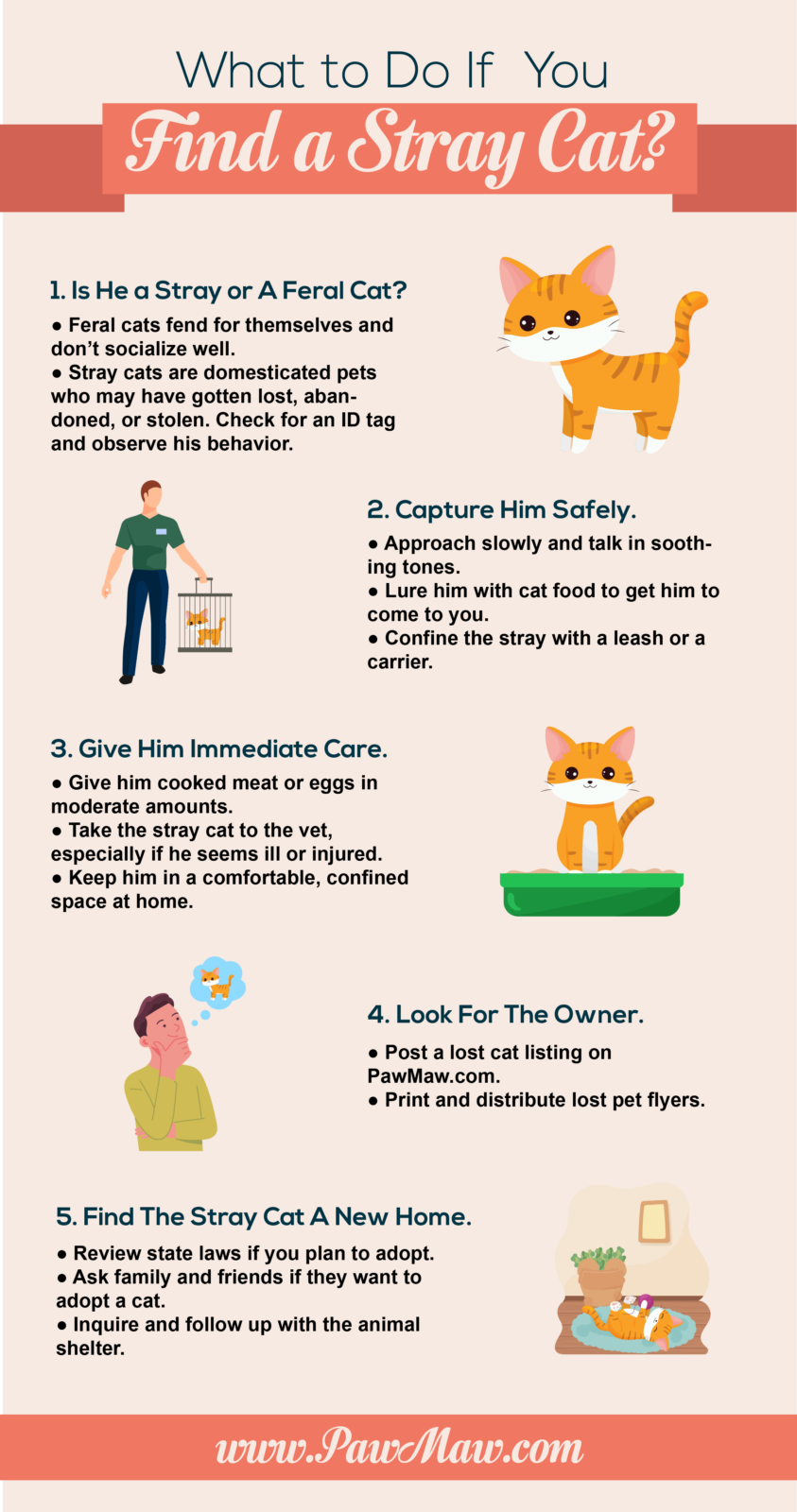
Credit: whiskersutah.org
Assessing The Cat’s Health
Look at the cat’s fur. Is it dirty or matted? Clean fur is a good sign. Check the cat’s eyes. Are they bright and clear? Dull eyes can mean trouble. See if the cat is limping. Walking smoothly is a healthy sign. Notice if the cat is sneezing. Frequent sneezing might be a problem. Feel if the cat is thin. A skinny cat might be sick.
Watch for coughing or wheezing. These are signs of a cold. Runny nose can also mean illness. Look at the cat’s ears. Are they red or dirty? This might mean an infection. Check the cat’s mouth. Is there bad breath? This could be a dental issue. Notice if the cat is not eating. Poor appetite is a concern. Keep an eye on the cat’s behavior. Is it more sleepy than usual? Tiredness can be a sign of illness.
Creating A Safe Environment
Stray catsneed a quiet place to rest. Pick a spot that’s dry and warm. Use old blankets or towels for comfort. Make sure it’s safe from rain and wind. A box can be a good choice. Put it in a quiet corner. Cats like to feel secure.
Cats need food and water every day. Choose foods with good nutrition. Fresh water is important too. Keep bowls clean and filled. Cats need a litter box. Place it near their shelter. Keep it clean to avoid smells. Cats also enjoy toys. Simple things like string or small balls work well.
Feeding And Nutrition
Stray cats need nutritious foodto stay healthy. You can give them cat foodfrom the store. Dry food is good, but wet food is better. Wet food has more water. Cats need water to stay hydrated. Avoid giving them human food. Some human foods can make cats sick. Make sure the food is fresh. Cats like food that smells good. Always check the label for nutrients. Good food makes cats strong.
Cats love routine. Feed the stray cat at the same timeevery day. It helps them feel safe. Choose a quiet spot for feeding. A safe place with no cars or dogs. Put the food bowl there every day. Start with small meals. You can increase the amount later. Watch the cat’s weight. If it gets too thin or fat, adjust the food. Always leave a bowl of fresh waternearby. Water is important for their health.

Credit: care-cats.org
Building Trust And Bonding
Caring for a stray cat requires patience and kindness. Offer food and water to gain trust. Spend time near the cat, speaking softly to help build a bond.
Approaching The Cat
Move slowly and stay calm. Cats sense fear and tension. Speak softly to the cat. This helps them feel safe. Avoid sudden movements. Cats can get scared easily. Let the cat come to you. This shows respect and patience. Offer a treat. This can be a small piece of food. The cat may feel more comfortable.
Using Positive Reinforcement
Reward good behavior. A gentle pet or a treat works well. Use a soft voice. Praise the cat when it behaves nicely. Be consistent with rewards. This helps the cat learn. Play with the cat using toys. This builds trust and friendship. Give space when needed. Cats need time to adjust.
Healthcare And Veterinary Visits
Caring for a stray cat involves gentle handling and regular feeding to build trust. Ensure veterinary visits to check health and vaccinations. A clean, safe shelter helps the cat feel secure.
Vaccinations And Preventive Care
Stray cats need vaccinations to stay healthy. These shots help protect against diseases. Rabies, distemper, and feline leukemia are common vaccines. It’s important to visit a vet for these shots. Regular check-ups keep them safe. Preventive care includes flea and tick control. Deworming is also essential. It keeps cats free from worms. A vet can guide you on this.
Handling Medical Emergencies
Stray cats may face emergencies. Injuries are common. It’s crucial to act fast. Call a vet if needed. Bleeding needs quick attention. Use a clean cloth to press the wound. Broken bones require a vet’s help. Do not move the cat much. Keep it calm and warm. Breathing problems need urgent care. Ensure the cat gets air. These steps help in emergencies.
Socialization And Behavior
Welcoming a stray cat involves patience and gentle care. Offer food and water to build trust gradually. Create a safe space indoors, allowing the cat to adjust at its own pace.
Introducing To Other Pets
Introducing a stray cat to other pets needs care. Keep them separated at first. Let them smell each other’s scent. Use a blanket or toy to swap scents. Cats like familiar smells. Then, let them see each other from a distance. Watch their body language. If both seem calm, move closer. Always supervise their meetings. Keep sessions short. Reward calm behavior with treats. This makes them happy. Do this daily until they are friends.
Understanding Stray Cat Behavior
Stray cats might be scared or shy. They hide or run away. Respect their space. Speak softly and move slowly. Give them time to trust you. Use food to make friends. Cats love treats. Play with toys to bond with them. Play helps them feel safe. Be patient. Some cats take longer to adjust. They will show love when ready. Cats are curious. Let them explore their new home.
Long-term Care And Adoption
Caring for a stray cat involves patience and consistency. First, provide food and clean water regularly. Create a safe, warm shelter to protect them from harsh weather. Gradually gain trust with gentle interactions, allowing them to feel secure. Regular veterinary check-ups ensure their health and well-being.
Considering Adoption Options
Adopting a stray cat is a big decision. First, visit local animal shelters. They often have resources to help with adoption. Shelters can offer advice on caring for your new pet. Consider asking friends or family if they know someone looking to adopt. Networking can help find a loving home. Online platforms can also help connect with potential adopters. Be sure to screen interested adopters carefully. A good home is most important for the cat’s well-being.
Preparing For Permanent Residence
Bringing a stray cat home needs preparation. Create a safe space for the cat. This helps the cat feel secure. Provide a cozy bed and litter box. Cats need their own private area. Make sure to offer fresh water and food daily. Toys and scratching posts keep the cat entertained. Regular vet visits are crucial for health. Vaccinations and check-ups ensure the cat stays healthy. A microchip can help if the cat gets lost. Love and patience will help your new cat adjust.
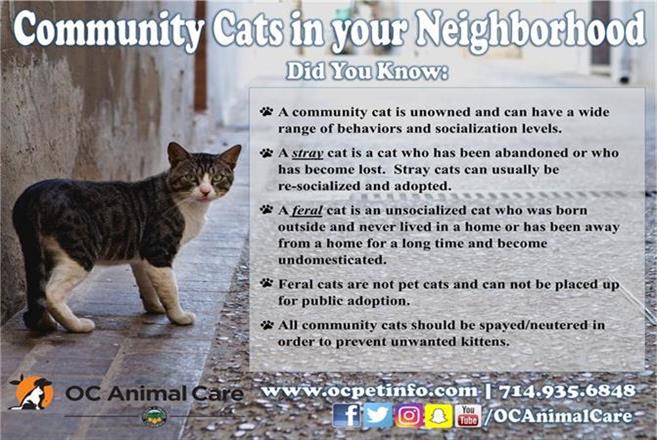
Credit: ocpetinfo.com
Frequently Asked Questions
How Can I Safely Approach A Stray Cat?
Approach the stray cat calmly and slowly, avoiding sudden movements. Offer your hand for sniffing from a safe distance. Use soothing words to communicate trust. Always respect the cat’s boundaries, and avoid direct eye contact, as it may seem threatening.
What Should I Feed A Stray Cat?
Feed stray cats nutritious and easily digestible food. Wet cat food is ideal, but dry kibble works too. Fresh water should always be available. Avoid feeding them human food, as it may cause health issues. Consult a vet for specific dietary needs.
How Do I Create Shelter For A Stray Cat?
Create a shelter using a sturdy box or a plastic container. Ensure it is weatherproof and insulated. Line the shelter with soft bedding like straw or blankets. Place it in a quiet area to provide security. Regularly check and clean the shelter to maintain hygiene.
How Can I Tell If A Stray Cat Is Sick?
Look for signs like lethargy, coughing, or discharge from eyes and nose. Observe changes in eating habits and grooming behavior. Unusual aggression or hiding might indicate illness. Always consult a vet for a professional diagnosis and treatment plan.
Conclusion
Caring for a stray cat is rewarding and fulfilling. Start with patience and kindness. Provide food and a safe shelter. Take time to earn their trust. Visit a vet for health checks and vaccinations. Spay or neuter to prevent more strays.
Monitor their progress and behavior closely. Love and attention help them adapt to new surroundings. Consider adopting if possible. Every small effort makes a big difference. You can change a stray’s life forever. Your compassion can turn a stray into a loving companion.
Keep learning and sharing your knowledge. Help create a better world for stray cats.