How to Test a Torque Converter Out of a Car
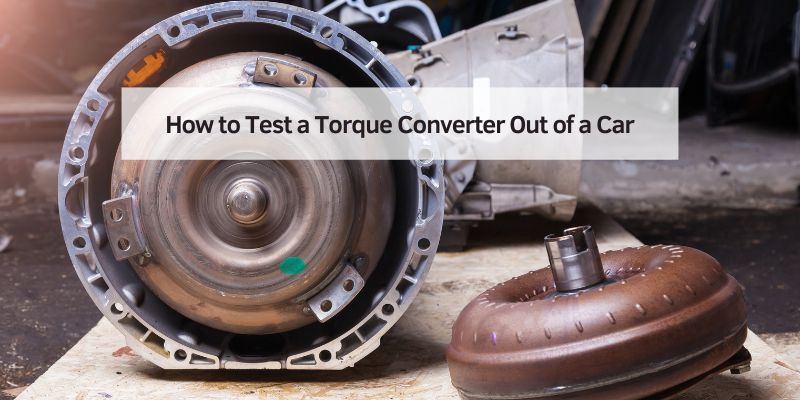
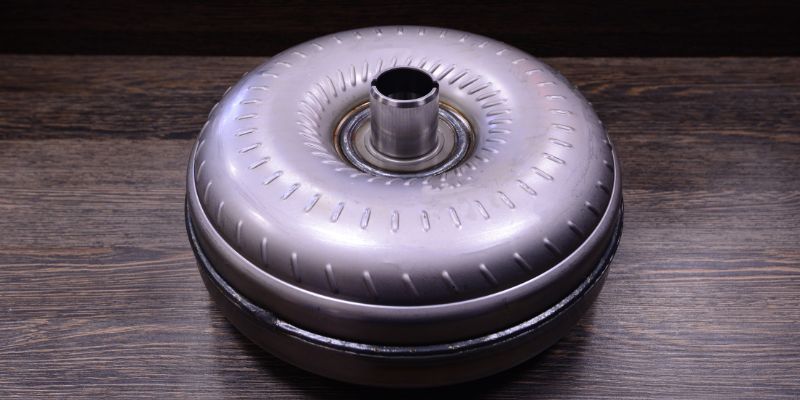
A torque converter is like the middleman between your car’s engine and transmission. It’s a fluid-filled device that transfers power to help your car move smoothly. Think of it as a spinning waterwheel, pushing fluid to keep gears shifting without a clutch. If it fails, you might feel shudders, hear weird noises, or lose power. Testing it out of the car helps you figure out if it’s bad before you reinstall it. This saves you from extra work and headaches!
Why Test a Torque Converter Off the Car?
Testing a torque converter out of the car is a smart move. It’s like checking a flashlight’s batteries before a camping trip. You don’t want to install a faulty converter and then pull it out again. A bad one can cause slipping gears, overheating, or even damage your transmission. By testing it first, you can spot issues like a stuck clutch or worn bearings. Plus, it’s a fun way to learn about your car!
Tools You’ll Need
You don’t need a fancy garage to test a torque converter. Here’s what I use, all easy to find:
- Snap ring pliers (small, external type, about $10 at auto stores)
- Screwdriver (small flathead, already in most toolkits)
- Clean rag (for wiping fluid and grime)
- Flashlight (to see inside the converter)
- Transmission fluid (a quart, check your car’s manual for type)
- Optional: Dial indicator (for precise end play measurement, around $20)
These tools are cheap and make the job a piece of cake. If you’re missing something, borrow from a friend or check a local auto parts store.
Step-by-Step Guide to Testing a Torque Converter
Testing a torque converter out of the car is easier than it sounds. Follow these steps, and you’ll be done in no time. I’ve broken it down so even a kid could follow along!
Step 1: Inspect the Outside
First, give the torque converter a good look. Check for cracks, dents, or leaks on the housing. A beat-up converter might already be toast. Use your flashlight to spot rust or fluid stains. Once, I found a tiny crack on a used converter—saved me from installing a dud!
Step 2: Check the Splines
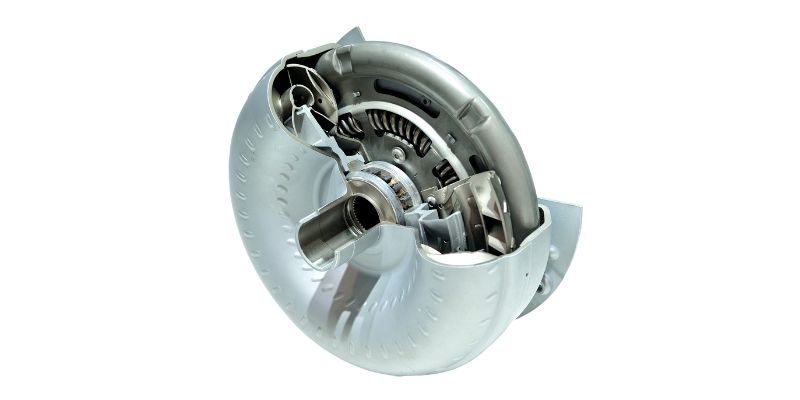
The splines are the toothy parts inside the converter’s hub. Grab your snap ring pliers and reach into the hub. Try turning the larger splines. They should spin easily one way but lock or feel tight the other way. This checks the one-way clutch (called a sprag). If it spins both ways, the clutch is bad, and the converter won’t work right.
Step 3: Test for End Play
End play is how much the internal parts wiggle up and down. Use your pliers to gently pull and push the turbine spline (the inner part). It should move no more than 1/16 to 1/8 inch. Too much wiggle means worn bearings or washers, which can cause noises or failure. A dial indicator can measure this exactly, but your fingers work fine for a quick check.
Step 4: Spin and Listen
Fill the converter with a bit of transmission fluid (about a cup). Spin it by hand. It should feel smooth, not gritty. Listen for weird sounds like rattling or grinding. I once heard a “marbles in a jar” noise—turned out to be broken bearings! Dump the fluid and repeat to clean out any debris.
Step 5: Check the Stator Clutch
The stator is a key part inside the converter. Insert a small screwdriver into the stator splines (deeper in the hub). Turn it one way—it should spin freely. Turn the other way—it should lock. If it spins both ways or feels stuck, the stator clutch is bad. This can cause overheating or poor performance.
Common Mistakes to Avoid
Here are some slip-ups I’ve made or seen others make. Steer clear to save time:
- Skipping the fluid check: Always inspect the fluid you pour out. Dark or metallic fluid means trouble inside.
- Using the wrong tools: Regular pliers can damage splines. Stick to snap ring pliers for safety.
- Ignoring small damage: A tiny crack or dent can worsen, so don’t install a questionable converter.
Benefits and Drawbacks of Testing Off the Car
Testing a torque converter out of the car has big perks. It’s quick, cheap, and catches problems early. You can do it in your garage without driving the car. But there are limits. You can’t test how it performs under real driving conditions. For that, you’d need a stall-speed test with the converter installed (but that’s risky for some transmissions). Still, off-car testing is a great first step.
My Personal Tips
After years of wrenching, here are my go-to tips:
- Clean everything first: Wipe the converter with a rag to spot leaks or cracks easier.
- Mark your converter: If you test multiple converters, label them with a marker to avoid mix-ups.
- Take it to a pro if unsure: If the tests don’t give clear answers, a transmission shop can check it for free or cheap.
Comparing Testing Methods
Here’s a quick table to show how off-car testing stacks up against in-car testing:
| Method | Pros | Cons | Best For |
|---|---|---|---|
| Off-Car Testing | Cheap, quick, no car needed | Can’t test under load | Beginners, home mechanics |
| In-Car Stall Test | Tests real performance | Risky for some transmissions | Advanced mechanics |
Table 1: Comparing torque converter testing methods
Tools Cost Breakdown
Here’s what you might spend on tools:
| Tool | Cost | Where to Get |
|---|---|---|
| Snap Ring Pliers | $10–$15 | AutoZone, Amazon |
| Small Screwdriver | $5 or less | Any hardware store |
| Dial Indicator | $20–$30 | Harbor Freight, eBay |
Table 2: Estimated costs for torque converter testing tools
Visual Ideas for Clarity
To make this easier, imagine these visuals (not included here):
- Diagram of a torque converter: Showing the hub, splines, and stator for reference.
- Photo of snap ring pliers in action: Highlighting how to grip the splines.
- Chart of good vs. bad sounds: Listing noises like rattling or grinding to watch for.
Frequently Asked Questions
How Do I Know If My Torque Converter Is Bad?
A bad torque converter might have cracks, spin freely both ways in the splines, or make rattling noises when spun. Check for dark or metallic fluid too. These signs mean it’s time to replace it.
Can I Test a Torque Converter Without Tools?
You can do a basic check by spinning it and listening for noises, but tools like snap ring pliers give better results. Without them, you might miss issues like a bad clutch.
How Long Does It Take to Test a Torque Converter?
Testing takes about 15–30 minutes once you have the tools. It’s quick if you follow the steps and clean the converter first.
What Happens If I Install a Bad Torque Converter?
A bad converter can cause slipping gears, overheating, or transmission damage. You’ll spend more time and money fixing it later, so test it first!
Can a Beginner Test a Torque Converter?
Yes, it’s beginner-friendly! With basic tools and these steps, anyone can do it. Just go slow and double-check your work.
Is It Safe to Test a Torque Converter at Home?
It’s safe if you handle the converter carefully and use the right tools. Avoid forcing parts, and keep your workspace clean to prevent slips.
How Much Does a New Torque Converter Cost?
A new torque converter costs $100–$300, depending on the car. Testing first can save you from buying one you don’t need!
Wrapping It Up
Testing a torque converter out of a car is a fun, hands-on way to learn about your vehicle. With just a few tools and 30 minutes, you can spot problems like a bad clutch or worn bearings. It’s like solving a puzzle that keeps your car running right! Try these steps next time you’re in the garage, and you’ll feel like a pro. Got a cool tip or a story about fixing your car? Share it with friends or on a car forum. For more info, check out trusted sites like AutoZone, Advance Auto Parts, or Transmission Repair Cost Guide. Now grab those pliers and get testing—no sweat!