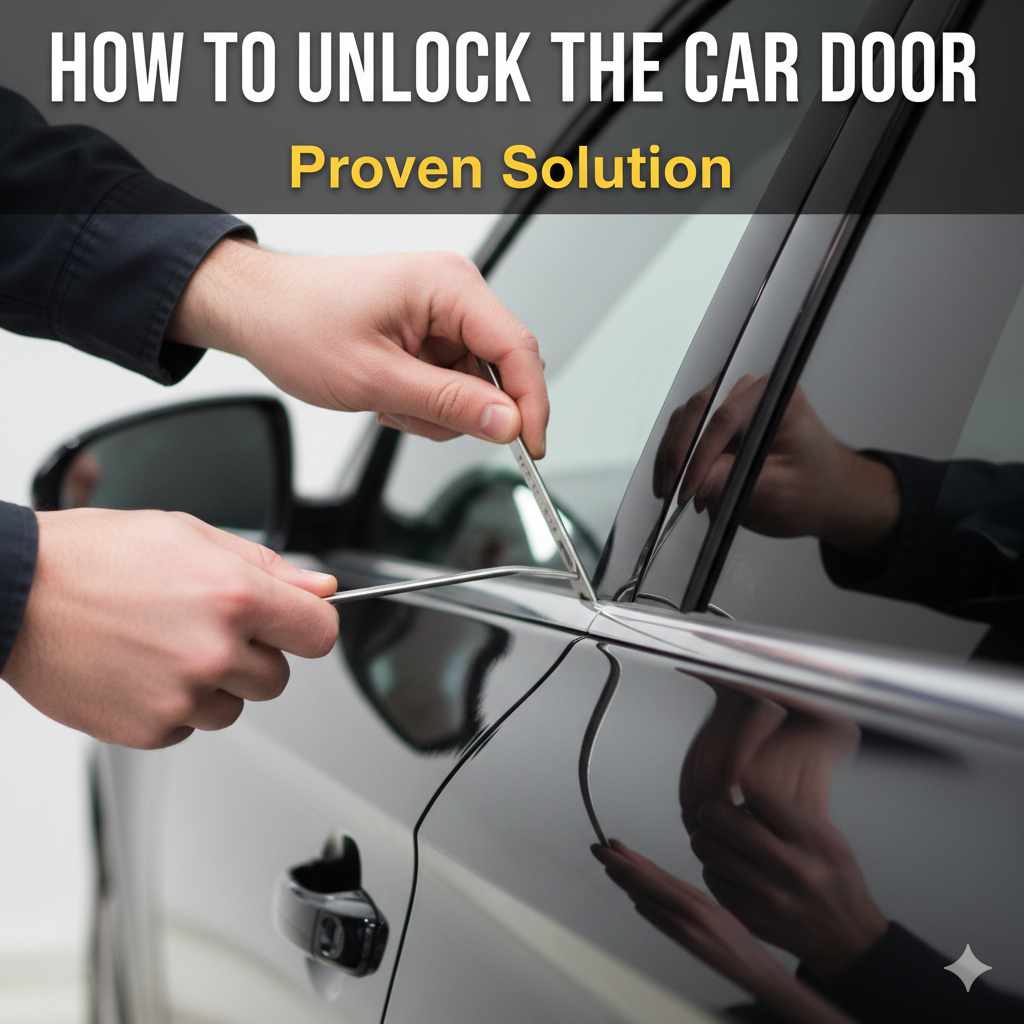
How To Unlock The Car Door: Proven Solution
Sure, if you’re locked out of your car, don’t panic! This guide offers simple, proven solutions to unlock your car door safely, whether your keys are inside, lost, or your key fob battery is dead. We cover manual tricks, and when to call for professional help, so you can get back on the road quickly.
How To Unlock Your Car Door: A Proven Solution When You’re Locked Out
Getting locked out of your car is a frustrating experience. It can happen to anyone – maybe you accidentally left your keys on the seat, or perhaps your key fob suddenly stopped working. Whatever the reason, knowing how to unlock your car door can save you time, stress, and money. This guide is here to help. We’ll walk you through easy, safe methods to get back into your vehicle, no matter the situation. You’ll feel more confident handling this common car problem after reading this.
Common Scenarios for Being Locked Out
Life happens, and sometimes you find yourself staring at your car door from the wrong side. Here are some common reasons this might happen:
- Keys Left Inside: The classic. You step out for a moment, the door closes, and click – you’re locked out.
- Lost Keys: Misplaced your car keys somewhere? This is a stressful situation, but unlocking the door is often just the first step.
- Dead Key Fob Battery: Your remote entry system might fail if the battery is dead, leaving you unable to unlock your doors electronically.
- Malfunctioning Door Lock: In rare cases, the lock mechanism itself might be jammed or broken.
- Child or Pet Lockout: Sometimes, little ones or pets inside accidentally engage the locks.
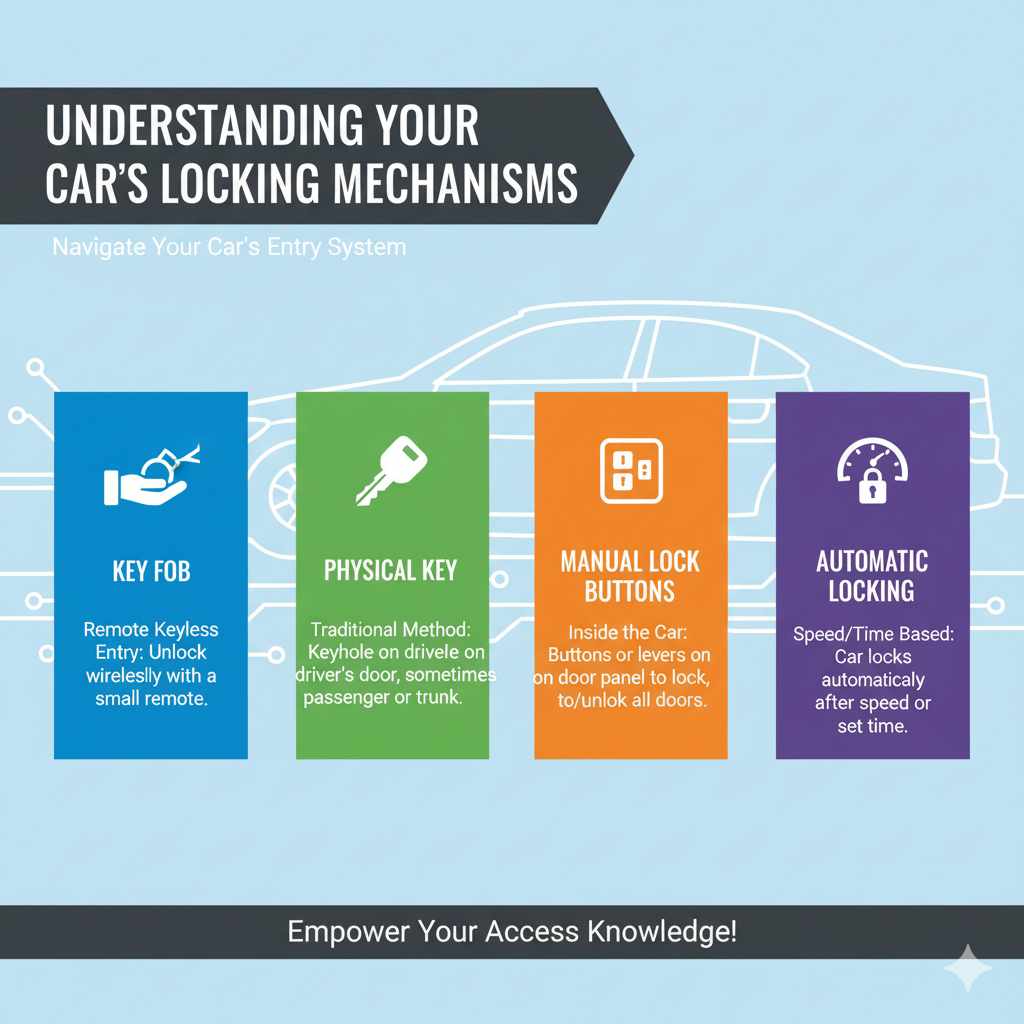
Understanding Your Car’s Locking Mechanisms
Most modern cars have a few ways to lock and unlock them. Knowing these can help you choose the best way to get back in. The primary methods involve:
- Key Fob (Remote Keyless Entry): This is the most common. A small remote allows you to unlock doors wirelessly.
- Physical Key (Traditional Method): Older cars, and even many newer ones, still have a keyhole on the driver’s door (and sometimes passenger doors or trunk) that accepts a physical key.
- Manual Lock Buttons: Inside the car, you usually have buttons or levers on the door panel to lock and unlock all doors manually.
- Automatic Locking: Many cars are programmed to lock automatically after a certain speed or a set time after unlocking.
Proven Solutions to Unlock Your Car Door
Let’s get to the solutions! Here are several methods to try, ranging from simple checks to more involved steps.
Method 1: The Smartest First Step – Check All Doors and the Trunk
Before trying anything drastic, do a quick and thorough check. It sounds obvious, but in a panic, we sometimes overlook the simple things.
- Walk Around: Check every single door. Sometimes, one might have been left unlocked.
- Check the Trunk: Many vehicles have a trunk release inside the cabin or even a manual keyhole on the trunk itself. If you can access the trunk, you might be able to crawl into the back seat and unlock the doors from the inside.
This method is the easiest and requires no tools. It’s all about keen observation!
Method 2: Using Your Spare Key
Do you have a spare car key? If so, this is your golden ticket. Many people keep a spare key at home, with a trusted friend or family member, or even in a secure magnetic box hidden on the car’s exterior (though this is less recommended for security reasons). If you can access your spare key:
- Retrieve the Spare: Go get it or have someone bring it to you.
- Unlock Your Car: Use the spare key or remote to unlock the door.
Pro Tip: If you don’t have a spare key, this is the perfect time to get one made! Your dealership or a reputable automotive locksmith can help. Having at least one spare is crucial.
Method 3: Dealing with a Dead Key Fob Battery
If your key fob isn’t working, the battery might be dead. Most key fobs have a hidden emergency physical key inside them. Here’s how to find and use it:
- Locate the Release: Look for a small button, slider, or switch on the side or back of your key fob.
- Remove the Physical Key: Slide or press the release and pull out the hidden metal key.
- Find the Keyhole: Examine your car door handle. Often, there’s a small cover that can be pried off to reveal the traditional keyhole. You might need to use the tip of the hidden key or a small flathead screwdriver to gently pop this cover off. Check your car’s owner’s manual for specific instructions on how to remove it.
- Insert and Turn: Insert the hidden physical key into the door lock and turn it to unlock the car.
Once inside, you can replace the battery in your key fob. Standard coin cell batteries like CR2032 or CR2025 are often used. You can usually find these at grocery stores, drugstores, or electronics retailers.
Method 4: The Shoelace or Wire Hanger Method (Use with Caution!)
This method is a bit more hands-on and involves attempting to manipulate the interior lock mechanism from the outside. It works best on older cars with less sophisticated locking systems or specific types of pull-up lock knobs. Use this only as a last resort, as improper technique can scratch your paint or damage the door seal.
What You’ll Need:
- A sturdy, thin shoelace (without thick plastic tips) OR a wire coat hanger
- Pliers (if using a wire hanger)
- A thin, flat object like a putty knife or ruler (optional, to help create a gap)
Steps for Shoelace Method:
- Prepare the Shoelace: Tie a small slip knot very close to the middle of the shoelace. This knot needs to be able to tighten as you pull.
- Create a Gap: Gently wedge open the top corner of the driver’s side door frame just enough to slide the shoelace in. You can use a thin ruler or a plastic wedge for this. Be very gentle not to damage the paint or rubber seals. A gap of only a centimeter or so is enough.
- Insert the Shoelace: Carefully slide the looped end of the shoelace into the car through the gap.
- Maneuver to the Lock: Guide the shoelace down towards the interior door lock mechanism. This is the trickiest part and requires patience. Try to get the loop around the lock knob if you have one.
- Tighten and Pull: Once the loop is around the lock knob, gently pull on the two ends of the shoelace to tighten the loop around the knob. Then, pull upwards to lift the lock knob and unlock the door.
Steps for Wire Hanger Method:
- Straighten the Hanger: Unbend the coat hanger until it’s mostly straight, but keep a small hook at one end.
- Carefully Pry Open the Door: Similar to the shoelace method, gently create a small gap at the top of the driver’s side door frame.
- Insert and Manipulate: Slide the hooked end of the hanger into the gap. Your goal is to reach the interior door lock lever or button. You might need to carefully maneuver the hanger to hook onto or push the unlock mechanism.
- Unlock: Once you have a grip or are in a position to push, carefully operate the lock.
Important Note: Modern cars with flush door handles or keyless entry systems where the handle needs to be lifted may not be compatible with these methods. Always prioritize a clear view of the locking mechanism to avoid damage.
Method 5: Using a Car Unlocking Tool (DIY Kit vs. Professional)
There are specialized tools designed to unlock car doors. While professionals use these regularly, basic kits are available for DIY use. These often include slim jims or air wedges.
- Air Wedge: This is a small, inflatable cushion that you insert into the door frame. Pumping it up creates a gap, allowing you to insert another tool (like a slim jim) to manipulate the lock.
- Slim Jim: This is a long, thin strip of metal designed to slide between the window and the door panel to reach the lock rod.
Caution: Using these tools without proper knowledge can easily damage your car’s internal components, wiring, or window mechanisms. Many automotive experts and police departments advise against DIY use of slim jims due to the high risk of damage.
For a definitive guide on car locks and security, you can refer to resources like those from the National Highway Traffic Safety Administration (NHTSA), which often provides safety and vehicle operation tips.
Method 6: Accessing Through the Trunk Release
Some cars have an interior trunk release lever. If your car has a pass-through from the trunk to the cabin, and you can access the trunk (perhaps from the outside if the trunk lock is separate), you might be able to get inside.
- Open the Trunk: If possible, open the trunk. If the trunk is locked but the car doors are not, you may need to use your spare key or a locksmith for the trunk first. Some cars have a separate keyhole for the trunk.
- Locate Pass-Through: Look for a lever or a small flap that allows access from the trunk into the rear seats.
- Enter the Cabin: Crawl through the pass-through into the car and use the interior door lock buttons or levers to unlock the doors.
When to Call a Professional
Sometimes, you can’t resolve the lockout yourself, or you simply don’t want to risk damaging your vehicle. In these situations, professional help is the best option.
Who to Call:
- Roadside Assistance: If you have a service like AAA or your insurance policy includes roadside assistance, call them. They are usually equipped to handle lockouts.
- Automotive Locksmith: These professionals specialize in car keys and locks. They can unlock your car quickly and often efficiently, without causing damage. They can also help if you’ve lost your keys entirely.
- Dealership: While they can help, they might be more expensive and may require towing the vehicle to their location. They are best for when you need a new key made.
Situations Needing Professional Help:
- You’ve tried DIY methods with no success.
- Your car has a complex locking system or anti-theft features.
- You’re concerned about damaging your vehicle.
- You’ve lost all your keys and need a replacement.
Here’s a quick comparison of professional services:
| Service | Pros | Cons | Best For |
|---|---|---|---|
| Roadside Assistance (AAA, Insurance) | Often included in membership/policy, can be cost-effective. | Response time can vary, may not have specialized locksmith tools. | Standard lockouts, dead batteries, flat tires. |
| Automotive Locksmith | Expertise in car locks, usually fast response, can make new keys. | Can be more expensive than roadside assistance if not covered. | Lockouts, lost keys, key replacement, electronic key issues. |
| Car Dealership | Guaranteed to have parts and knowledge for your specific make/model. | Generally the most expensive, often requires towing. | When a completely new key system or major repair is needed. |
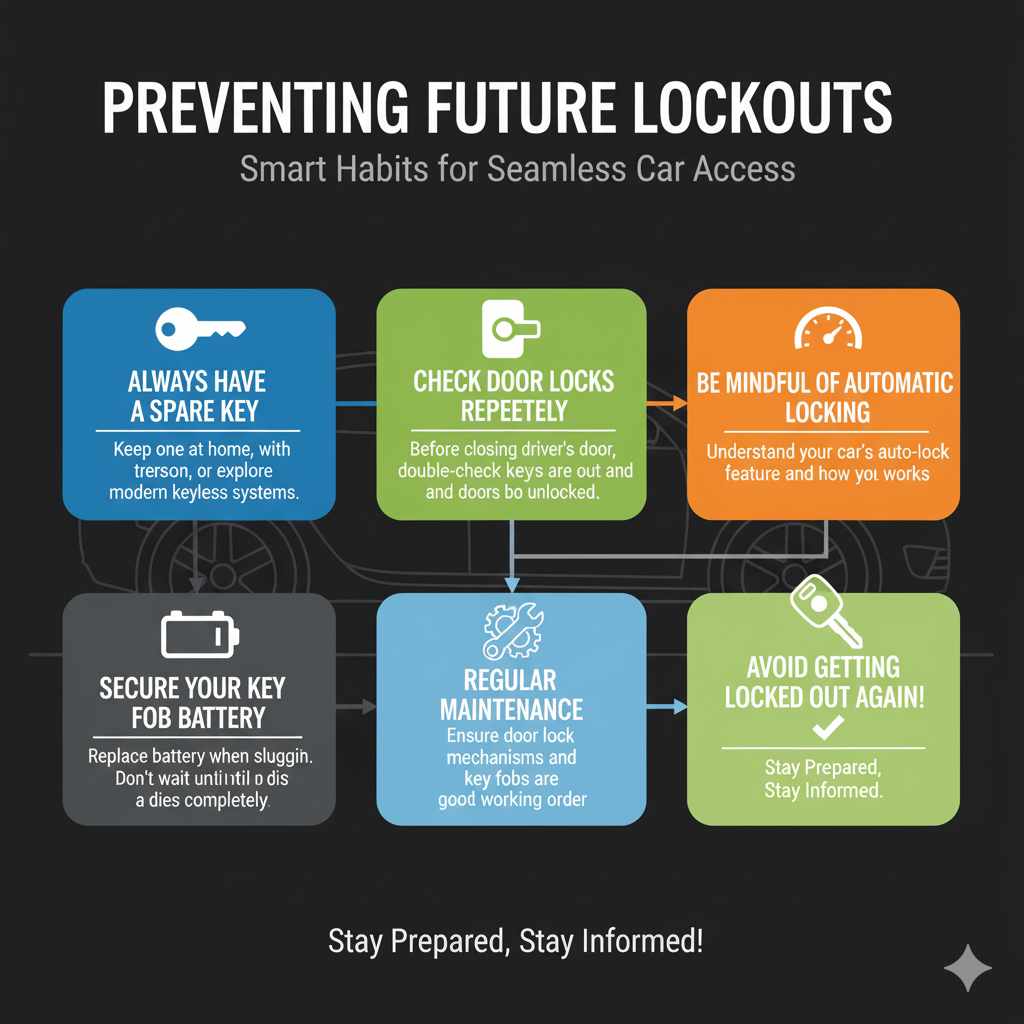
Preventing Future Lockouts
An ounce of prevention is worth a pound of cure! Here are some tips to avoid getting locked out again:
- Always Have a Spare Key: Keep one at home, with a trusted person, or explore modern keyless entry systems with multiple fobs.
- Check Door Locks Repeatedly: Before closing the driver’s door, do a quick double-check to ensure your keys are out of the car and the doors are unlocked.
- Be Mindful of Automatic Locking: Understand your car’s auto-lock feature and how it works.
- Secure Your Key Fob Battery: Replace the battery in your key fob when it starts to act sluggishly. Don’t wait until it dies completely.
- Regular Maintenance: Ensure your door lock mechanisms and key fobs are in good working order.
Frequently Asked Questions (FAQ)
Here are some answers to common questions about unlocking car doors.
Q1: Can I unlock my car door with a tennis ball?
A: The “tennis ball trick” is a myth. It involves puncturing a hole in a tennis ball and trying to use air pressure to pop open a lock. This does not work on modern car doors and can damage the ball and potentially the car.
Q2: What’s the fastest way to get into a locked car?
A: The fastest and safest way is typically to use your spare key or call a professional roadside assistance service or an automotive locksmith. DIY methods carry a risk of damage.
Q3: How much does it cost to unlock a car door?
A: Costs vary significantly. Roadside assistance might be included in your membership or insurance. A locksmith typically charges between $50 to $150, depending on your location, time of day, and car model. Dealerships will generally be more expensive.
Q4: Can a police officer unlock my car?
A: In some cases, police may be able to assist with simple lockouts, especially if there’s an emergency (like a child or pet locked inside). However, it’s not a guaranteed service, and they may use methods that could potentially cause damage if they deem it necessary and safe to do so.
Q5: My car has no visible keyhole. How do I unlock it if the fob dies?
A: Most modern cars with keyless entry still have a hidden mechanical backup. The key fob itself often contains a small physical key. You’ll need to find out how to release it (usually a small latch or button on the fob) and then locate a hidden keyhole on the car door handle (often behind a small cover that can be gently pried off). Consult your owner’s manual for specific instructions for your vehicle.
Q6: Is it safe to use a coat hanger to unlock my car?
A: While it’s possible to unlock some older cars with a coat hanger, it’s generally not recommended for beginners. The risk of scratching paint, damaging weather stripping, or interfering with internal wiring and mechanisms is high. Professional tools are designed to minimize this risk.
Q7: What if I lost my car keys and am locked out?
A: If your keys are lost, you’ll need to have new ones made and programmed. This is typically done by an automotive locksmith or your car dealership. They will need to know your car’s make, model, year, and VIN (Vehicle Identification Number). You may also need proof of ownership.
Conclusion
Being locked out of your car is a temporary inconvenience, not a disaster. By understanding the common causes and employing the right strategies, you can confidently regain access to your vehicle. Remember to always start with the simplest solutions, like checking all doors or using your spare key. If those don’t work, and you’re uncomfortable with DIY methods that carry a risk of damage, don’t hesitate to call for professional help from your roadside assistance provider or a reputable automotive locksmith.
Taking preventative measures, such as always having a spare key and maintaining your key fob, can save you from future stressful situations. With a little preparedness and knowledge, you can handle most car lockout scenarios with ease and get back to your drive.