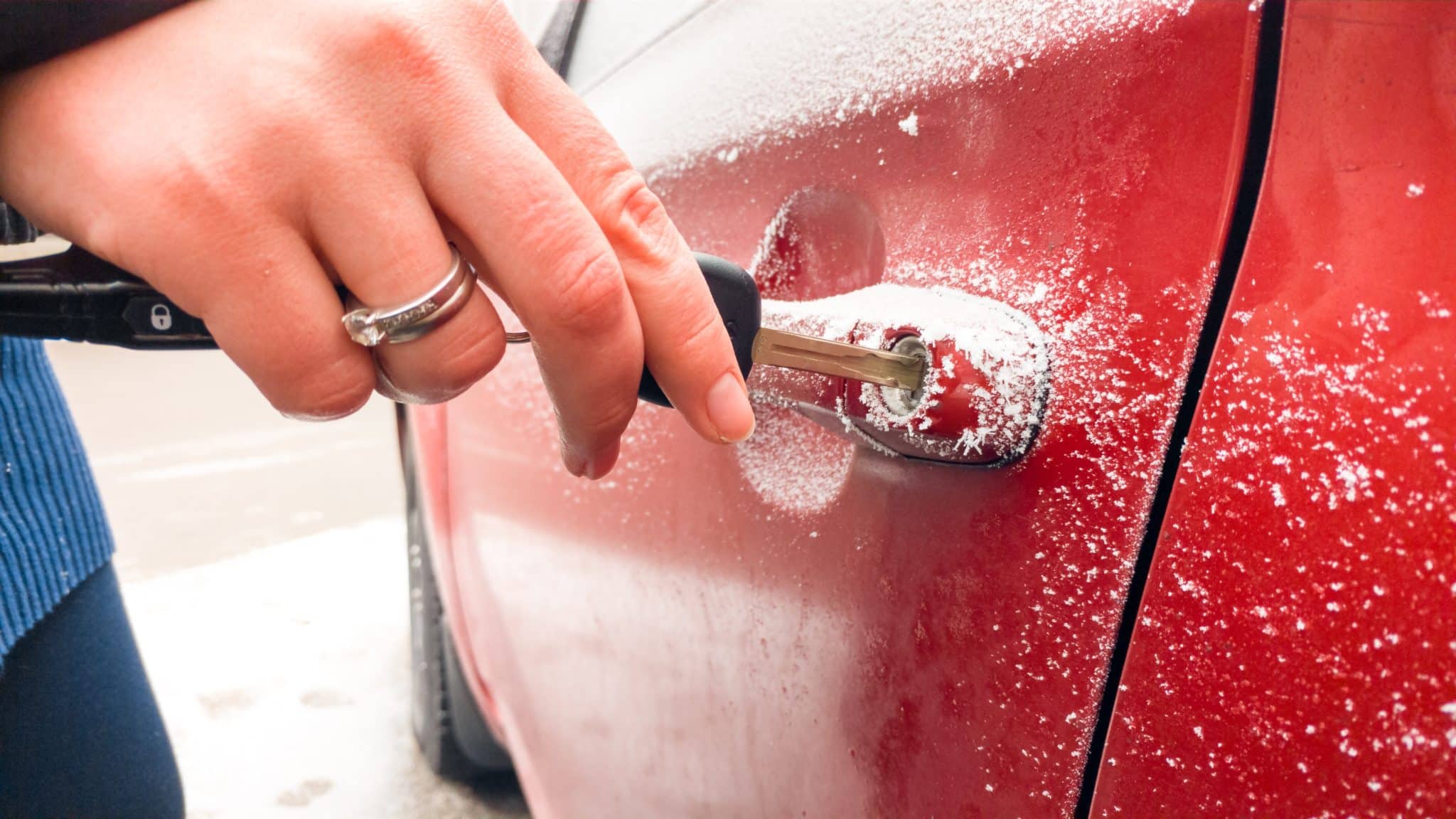
How to Unthaw a Car Door: 6 Safe Ways to Free a Frozen Lock
The fastest way to unthaw a frozen car door is a dedicated lock and windshield de-icer spray, not hot water. Spray it into the keyhole and along the door seam, wait one to two minutes, then pull the handle with steady, even pressure. The ice seal usually lets go without forcing anything.
Reach for a mug of boiling water instead and you risk a real problem: a sudden temperature swing can crack cold glass on contact, and forcing a door that’s still bonded to the frame can bend the weatherstripping or snap a handle. A locksmith or roadside-assistance callout for a frozen door commonly runs $50 to $150 (more overnight), so it’s worth getting the five-minute fix right the first time.
This guide covers six safe methods ranked by what you likely already own, the mistakes that cause the most damage, how to tell a frozen lock from a frozen seal, and how to stop the problem from coming back.
“Unthaw” or “Thaw” a Car Door?
If you searched “how to unthaw a car door,” you may have wondered whether that’s even the right word. Technically, to “unthaw” something would mean to re-freeze it, the same way “unfreeze” would mean to thaw. In everyday use, though, “unthaw,” “thaw,” and “de-ice” all mean the same thing: melting the ice off, or out of, something. Drivers search all three terms, and the fix is identical either way.
So whichever word you use, you’re solving one problem: ice has bridged the gap between a door, a seal, a handle, or a lock cylinder and its frame, and something needs to melt or dissolve that ice without damaging the paint, glass, or rubber underneath.
COLD-MORNING ESSENTIAL
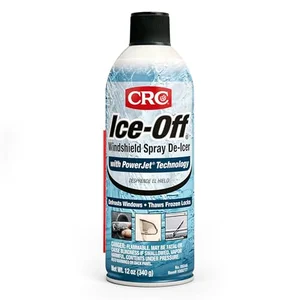 |
CRC Ice-Off Windshield & Lock De-Icer Spray – $7.33 This is the same type of spray we recommend in Method 1 below – it melts ice in the keyhole and along the door seam without the refreeze risk that comes with warm water.
|
Diagnose Your Frozen Door First
Not every frozen door needs the same fix. A door that won’t budge at all is a different problem than a handle that’s just frosted over. Use this table to figure out what’s actually frozen before you start spraying or heating anything.
| What You’re Seeing | Likely Cause | Best First Fix |
|---|---|---|
| Door won’t budge, no visible ice on the handle | Ice bridging the door seal to the frame | De-icer spray on the seams, then steady pressure |
| Key won’t turn or won’t go in | Ice or refrozen moisture inside the lock cylinder | Graphite powder or lock de-icer in the keyhole |
| Handle is frosted over and feels stuck | Surface frost on the handle mechanism | Lukewarm water or a hair dryer aimed at the handle |
| Door opens, but the window won’t roll down | Ice in the window channel or seal | Warm air on the track; never force the switch |
| Whole car is iced over, not just the door | Overnight frost or freezing rain | Remote-start the car if available; let cabin heat work outward |
If your doors, locks, and seals all seem frozen at once and you want a fuller room-by-room breakdown, our companion guide on how to unfreeze car doors walks through seals, locks, and handles separately.
Safety Precautions Before You Start
- Wear gloves. Ice edges and cold metal handles can cut or numb fingers fast.
- Skip metal picks, screwdrivers, or your car key as ice-breaking tools. They scratch paint and glass and can chip a lock cylinder.
- Never pour boiling or even hot tap water on frozen glass. The sudden temperature change can crack cold glass instantly.
- Don’t force the handle or door with your full body weight. A frozen handle can snap off, and hinges can bend under the extra shock.
- Keep de-icer and lock lubricant away from your eyes and skin, and read the can’s label before you spray.
6 Ways to Thaw a Frozen Car Door
Start with Method 1 if you have de-icer spray on hand. If not, work down the list based on what’s actually in your garage or glovebox this morning.
Method 1: Lock and Windshield De-Icer Spray
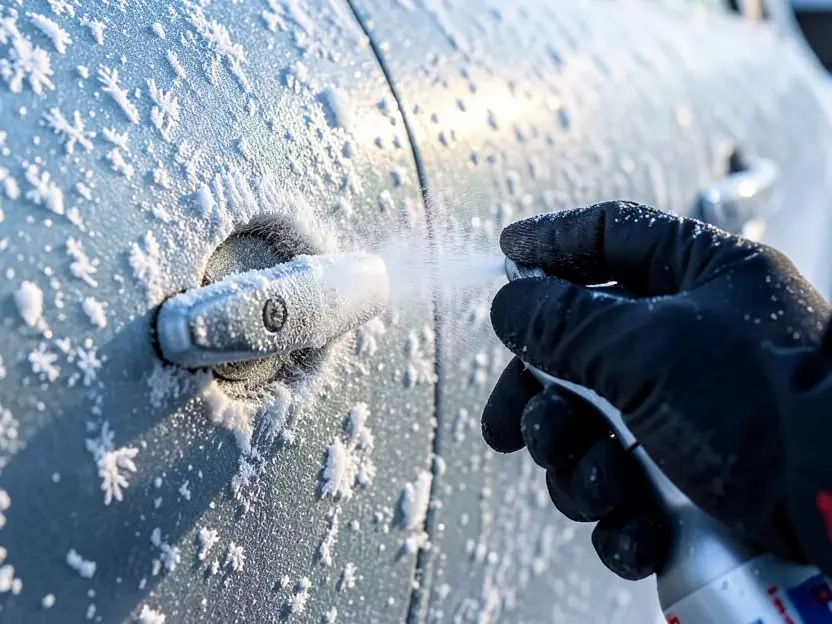
This is the fastest and most reliable method. A de-icer spray contains alcohol or propylene glycol, which lowers the freezing point of the water on contact and melts it within a minute or two. Spray it directly into the keyhole and along the door seam, focusing on the gap between the door and the frame. Wait a minute, then try the handle with steady, even pressure. Wipe away the excess liquid with a cloth once the door is open.
Method 2: Rubbing Alcohol and Water Mix
No de-icer on hand? Mix two parts rubbing alcohol (91% isopropyl works better than 70%) to one part water in a spray bottle. This works on the same principle as a commercial de-icer, since alcohol has a much lower freezing point than water. Spray it on the frozen seam or handle, wait a few minutes, and try the door again.
Method 3: A Hair Dryer or the Car’s Own Cabin Heat
If you’re at home and near an outlet, aim a hair dryer at the door seam and handle from a few inches away, moving it around so you don’t overheat one spot on the paint. If your car has remote start, running the engine for a few minutes lets the cabin heat work outward on the inside of the door and glass, which can loosen a stuck seal without you touching anything.
Method 4: Lukewarm Water (Never Boiling)
Water works, but the temperature matters. Use lukewarm water, roughly room temperature, poured or splashed gently along the door seam and handle. Boiling or even hot tap water is the one method to avoid entirely: the shock of hot water against cold glass and metal can crack the glass, and any water left behind on a below-freezing day often refreezes within minutes into a thicker layer of ice than you started with. Dry the area with a cloth immediately after the ice melts.
Method 5: Graphite Powder for a Frozen Lock Cylinder
If the key won’t turn or won’t fully insert, the problem is likely ice inside the lock cylinder itself, not the door seal. Sprinkle a small amount of graphite powder into the keyhole, then gently work the key in and out. Graphite doesn’t absorb water or freeze, so it displaces the ice without adding more moisture. Keep a small tube in your glovebox through winter.
Method 6: Silicone Spray for Sticking Seals
Once the door is open, silicone spray on the rubber weatherstripping keeps the seal from bonding to the frame again on the next freeze. It’s less a same-morning fix and more the step that prevents tomorrow’s repeat, which is why it also shows up in the prevention section below.
What NOT to Do
- Boiling water on the glass or lock. It can crack cold glass on contact and often refreezes into a thicker layer within minutes.
- Heating a key fob with a lighter and inserting it in the lock. This is a widely repeated old trick, but most modern key fobs have a plastic housing, a battery, and electronic chips that an open flame can warp or damage. Use graphite powder or de-icer in the keyhole instead.
- Prying at door seals with a metal scraper or screwdriver. It tears or cracks the rubber, which then lets in the water that causes next week’s freeze.
- Slamming the door once it’s free. A handle or hinge weakened by ice and cold can break under the extra shock. Open and close it gently for the first few tries.
How to Prevent Frozen Car Doors Next Time
The methods above fix today’s problem. These steps stop it from happening as often:
- Wipe door seals dry, then treat them. After a wash or a wet day, wipe the rubber weatherstripping dry and apply a thin coat of silicone spray or rubber conditioner. Do this every few weeks through winter; soft, treated rubber sheds water instead of trapping it.
- Don’t slam a wet door shut on a freezing night. Trapped moisture in the seal is what freezes and bonds the door to the frame. A quick wipe-down before you park beats a five-minute thaw the next morning.
- Cover what you can. A windshield cover that also drapes over the top of the door seams keeps direct frost off the areas that freeze shut most often.
- Keep de-icer somewhere you can actually reach it. A bottle locked in a frozen car or trunk doesn’t help. Keep a small one in a bag, at your desk, or just inside the door at home.
When a Frozen Door Needs a Professional
Most frozen doors thaw in under ten minutes with the methods above. Call a locksmith or roadside assistance if the lock cylinder itself feels completely solid, if you don’t have a spare key and the door won’t open by any other means, or if de-icer and gentle heat haven’t made progress after ten to fifteen minutes. A standard callout for a frozen car door commonly costs $50 to $150 during normal hours, and more overnight or in severe weather. Getting a price quote before the locksmith arrives is reasonable and expected.
Frequently Asked Questions
How do you unthaw a car door fast?
Spray a lock and windshield de-icer along the door seam, into the keyhole, and on the handle, then wait one to two minutes before trying the handle with steady, even pressure. Most doors free up within five minutes without needing a hair dryer or a bucket of water.
Will hot water unfreeze a car door?
No, avoid hot or boiling water. Cold glass and metal can crack or craze from the sudden temperature change, and any water left behind on a freezing day often refreezes into a thicker layer within minutes. If you use water at all, use it lukewarm, roughly room temperature, and dry the area immediately afterward.
Why is my car door frozen shut but the rest of the car isn’t iced over?
This usually means water pooled specifically in the door seal or seam overnight and froze there, often because a worn or dirty weatherstrip let moisture collect instead of shedding it. Cleaning and treating the seals with silicone spray is the long-term fix.
Can I use my key to break the ice on a frozen lock?
Avoid it. Prying or twisting a key against ice can bend the key or shear a worn lock cylinder, and heating a key with a lighter risks warping the plastic head or damaging the electronics in a modern key fob. Graphite powder or a small amount of lock de-icer in the keyhole is the safer fix.
How do I stop my car doors from freezing shut in the first place?
Wipe the door seals dry after washing the car, then apply a thin coat of silicone spray or rubber conditioner to the weatherstripping every few weeks through winter. Keeping the seals clean and pliable stops water from pooling and freezing there in the first place.
When should I call a professional for a frozen car door?
Call a locksmith or roadside assistance if the lock cylinder feels frozen solid, if you don’t have a spare key and the door won’t open any other way, or if de-icer and gentle heat haven’t worked after ten to fifteen minutes. Expect to pay roughly $50 to $150 for a standard callout, more overnight or in severe weather.
Conclusion
A frozen car door is almost never a reason to force anything or reach for boiling water. Lead with a de-icer spray or a lukewarm-water rinse, work down the list of methods above if you don’t have one on hand, and treat the seals with silicone spray afterward so the same door doesn’t freeze shut again tomorrow. If the lock cylinder itself is frozen solid and nothing above is budging it after fifteen minutes, that’s the point to call a locksmith instead of forcing it.
Products related to this article
Sponsored / affiliate links. As an Amazon Associate I earn from qualifying purchases. I may earn additional commission from eligible campaigns.