How to Wash Your Car on Grass Safely & Effectively
How to wash your car on grass presents a unique set of challenges and considerations compared to using a driveway or designated car wash bay. While it might seem convenient to tackle dirt and grime on your lawn, improper techniques can lead to scratched paint, clogged drains, and environmental concerns. This comprehensive guide will walk you through the safest and most effective methods for washing your car on grass, ensuring a sparkling finish while minimizing potential risks.
Simply put, washing your car on grass requires careful planning to prevent paint scratches from grit on the lawn and to manage water runoff responsibly. Use plenty of water to lubricate the surface, gentle cleaning tools, and avoid harsh chemicals to protect both your vehicle and the environment.
Key Takeaways
- How to wash your car on grass effectively means prioritizing lubrication and gentle cleaning to avoid scratching.
- Always choose a spot on the grass that allows for proper water drainage and won’t create muddy puddles.
- Use a pH-neutral car shampoo and microfiber wash mitts to lift dirt safely from the paintwork.
- Rinsing thoroughly is crucial, using a hose with a spray nozzle to direct water flow and minimize puddling.
- Be mindful of local regulations regarding car washing on private property, especially concerning water runoff.
Why Washing Your Car on Grass Requires Special Care
When you decide to wash your car on grass, you’re not just dealing with the usual dirt and dust; you’re introducing a new variable: the ground itself. Grass and soil can contain tiny abrasive particles like sand, grit, and even small stones. If these get trapped in your wash mitt or on your sponge, they can act like sandpaper against your car’s paintwork, leading to unsightly scratches and swirl marks.
This is why a significant amount of lubrication is paramount.
Furthermore, the water used during a car wash can carry soap and contaminants into the soil and potentially into storm drains or local waterways. Many areas have regulations in place to prevent this kind of runoff, as it can pollute water sources. Understanding these implications helps you make more environmentally conscious choices while keeping your vehicle clean.
The key to a successful grass car wash lies in preparation and technique. It’s about mimicking the controlled environment of a professional wash bay as much as possible, using the natural setting to your advantage while mitigating its inherent risks. This means choosing the right tools, the right soap, and a strategic approach to every step of the process.
Preparing Your Car Wash Station on the Lawn
- Select the Right Spot: Choose an area of your lawn that is relatively flat and has good drainage. Avoid low-lying areas where water might collect. If possible, pick a spot further away from trees that might drop debris.
- Gather Your Supplies: Ensure you have all your car washing essentials within easy reach: two buckets (one for soapy water, one for rinsing the wash mitt), a pH-neutral car shampoo, a high-quality microfiber wash mitt, a wheel brush, a dedicated wheel cleaner (if needed), microfiber drying towels, and a hose with an adjustable spray nozzle.
- Pre-Rinse Thoroughly: Before applying any soap, rinse the entire car thoroughly with plain water. This removes loose dirt and dust, significantly reducing the amount of grit that could be dragged across the paint during the washing phase. Pay attention to wheel wells and undercarriage areas.
- Use the Two-Bucket Method: This is non-negotiable when washing any car, but especially on grass. One bucket contains your car shampoo solution, and the other contains clean rinse water. After washing a section of the car, rinse the mitt thoroughly in the clean water bucket before dipping it back into the soapy water. This prevents transferring dirt back onto the car.
- Work from Top to Bottom: Always start washing from the roof and work your way down. This ensures that dirty water and soap run down over unwashed sections of the car, rather than over already cleaned areas.
Understanding Soap Selection for Lawn Washing
The type of soap you use is critical. Harsh detergents or household cleaners can strip protective waxes and sealants from your car’s paint and can be detrimental to grass and soil health. Stick to shampoos specifically designed for automotive use.
These are typically pH-neutral, meaning they won’t damage your car’s finish or harm the surrounding environment.
Look for biodegradable formulas whenever possible. These break down more easily in the environment, reducing their impact. A good quality car shampoo will also provide excellent lubrication, creating a slippery barrier between your wash mitt and the car’s surface, which is your best defense against scratches on grass.
Step-by-Step: The Grass Car Wash Process
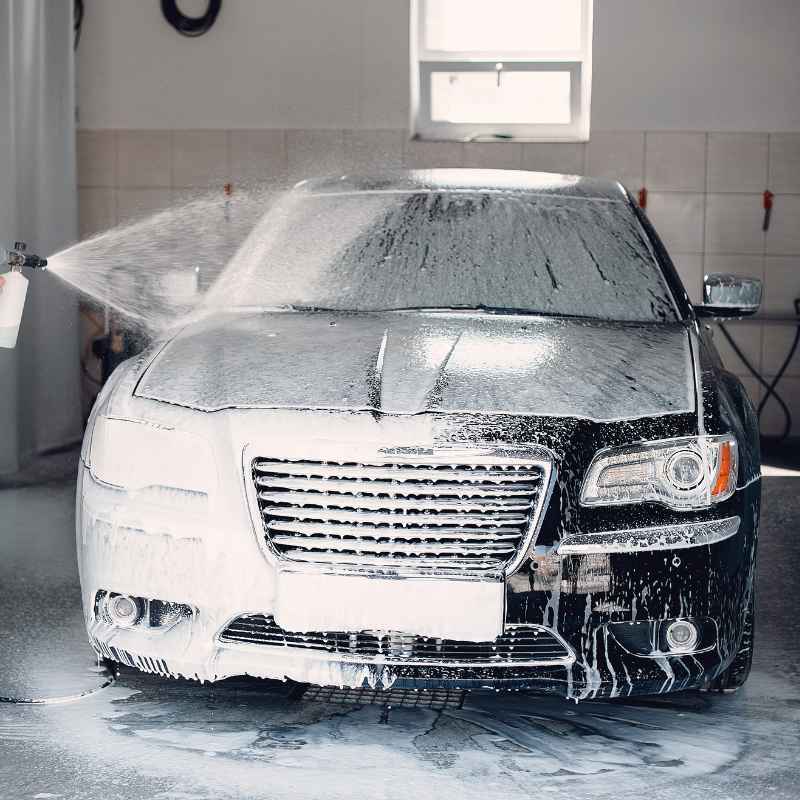
Washing your car on grass requires a slightly different approach to ensure the best results and minimal risk. The primary goal is to keep the paint lubricated and lift dirt away effectively. Here’s a detailed breakdown of the process.
Step 1: Initial Rinse and Preparation
Begin by thoroughly rinsing your entire vehicle with a hose. Use a strong spray to dislodge any loose dirt, mud, or debris. This step is crucial on grass because it minimizes the amount of abrasive material that will be present during the washing phase.
Focus on wheel wells, lower body panels, and areas where dirt tends to accumulate.
- Rinse the car from roof to tires.
- Ensure water reaches all crevices.
- Clear any loose debris from the grass around the car.
- Inspect your wash mitt and buckets for any obvious contamination.
Step 2: The Two-Bucket Wash Method
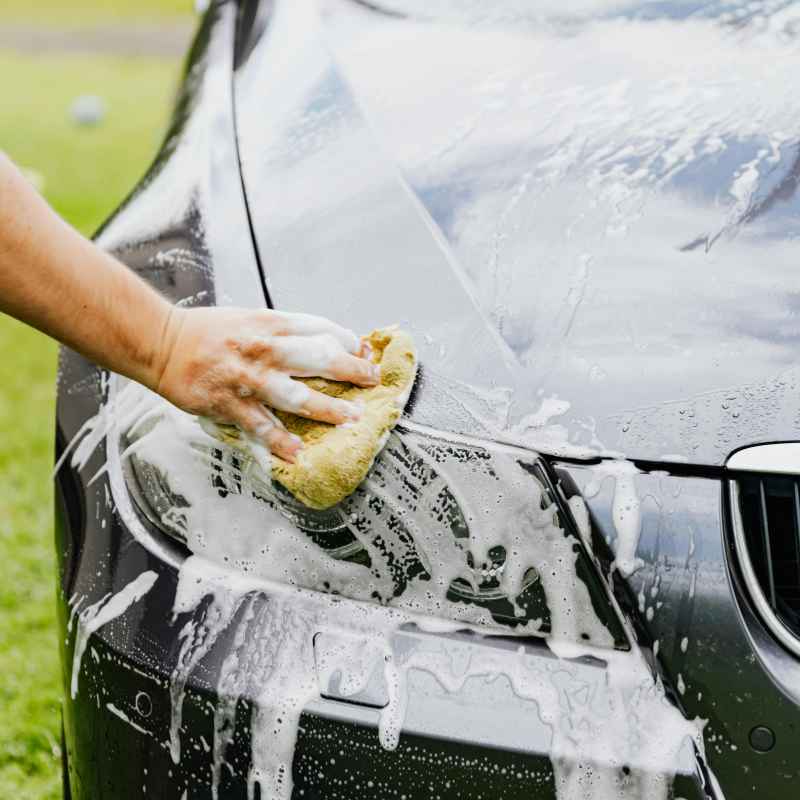
Fill one bucket with clean water and the second with your car shampoo and water mixture, following the manufacturer’s instructions for dilution. Dip your clean microfiber wash mitt into the soapy water. Gently wash one section of the car at a time, starting from the roof and working your way down.
After washing a section, rinse the mitt thoroughly in the clean water bucket before dipping it back into the soap bucket. This is the most important step to prevent scratches.
Step 3: Detailed Washing and Agitation
When washing on grass, use light pressure. Let the soap and the microfiber mitt do the work. Focus on one panel at a time.
For areas like the lower panels, wheels, and bumpers, you might encounter more stubborn grime. Use a dedicated wheel brush and cleaner if necessary for wheels, ensuring you rinse them thoroughly afterwards.
- Wash the roof and windows.
- Wash the hood and trunk.
- Wash the upper side panels.
- Wash the lower side panels and bumpers.
- Clean the wheels and tires last.
Step 4: Thorough Rinsing
After washing all sections, rinse the car thoroughly again. Use the hose with a spray nozzle to create a sheeting effect, allowing water to flow off the car in large sheets. This helps to remove all soap residue and remaining dirt.
Ensure you rinse all nooks and crannies, including door jambs and under the mirrors. Pay attention to areas where soap might get trapped.
Step 5: Drying the Vehicle
Drying is another critical step, especially on grass. Use clean, high-quality microfiber drying towels. Blot the water rather than wiping aggressively.
This minimizes the risk of scratching the paint. Start from the top and work your way down. You might need several towels, so have them ready.
- Begin drying the roof and glass.
- Move to the hood and trunk.
- Dry the upper body panels.
- Dry the lower body panels and sills.
- Use a separate towel for door jambs.
Warning: Never use household sponges or old rags for washing or drying your car. These materials can hold grit and cause significant paint damage. Always opt for dedicated microfiber products.
What Are the Environmental Considerations?
Washing your car on grass can have environmental implications that are often overlooked. The soap and grime washed off your vehicle contain detergents, oils, heavy metals, and other pollutants. When this water seeps into the ground, it can contaminate soil and groundwater.
If it runs off into storm drains, it can enter rivers, lakes, and oceans, harming aquatic life.
According to the Environmental Protection Agency (EPA), typical car wash wastewater can contain phosphates, hydrocarbons, and suspended solids. These can contribute to eutrophication in waterways, reduce water quality, and impact ecosystems. Therefore, being mindful of where your wastewater goes is a crucial aspect of responsible car care.
Managing Water Runoff on Grass
- Observe Drainage Patterns: Before you start, note how water typically drains on your lawn. If water pools in certain areas, avoid washing your car there.
- Use Minimal Soap: While lubrication is key, avoid over-sudsing. A moderate amount of soap is usually sufficient and will result in less chemical runoff.
- Contain Water if Possible: For heavily soiled cars or if you’re concerned about runoff, consider using temporary barriers like sandbags or towels around the perimeter of your washing area to help contain the water.
- Choose Biodegradable Products: As mentioned, using biodegradable, pH-neutral car shampoos significantly reduces the environmental impact.
- Consider a Waterless Wash: For light dust and dirt, a waterless car wash spray and microfiber towels can be an excellent alternative that produces minimal waste and is perfectly suited for grass washing.
Local Regulations and Best Practices
It’s wise to check your local municipal codes or homeowner’s association rules regarding car washing on private property, especially on permeable surfaces like grass. Some areas may have restrictions to prevent pollutants from entering storm drains. Many municipalities encourage or even require car washes to occur on impervious surfaces that are connected to sanitary sewers, which treat the wastewater before it’s released.
If you are in an area with strict regulations or are particularly concerned about environmental impact, consider alternative washing methods. Mobile car wash services often have self-contained systems that capture and treat wastewater. Alternatively, opting for a commercial car wash can also be a more environmentally sound choice, as they are typically equipped to handle wastewater responsibly.
Alternative and Complementary Washing Methods
While washing on grass is possible, it’s important to know when it’s most appropriate and what other methods can complement or replace it. Grass washing is best suited for routine cleaning of lightly to moderately dirty vehicles. Heavily soiled cars, especially those covered in thick mud or road salt, are better handled with more robust methods.
Consider the condition of your lawn as well. If it’s dry and your grass is sparse, the abrasive elements in the soil can be more detrimental to your car’s paint. Conversely, if the grass is lush and well-watered, it can provide a softer surface, but still requires careful technique.
Waterless Car Washing on Grass
For a quick touch-up or if your car only has a light layer of dust, a waterless car wash product is an excellent option. These sprays contain lubricants and cleaning agents that encapsulate dirt particles. You spray a section, gently wipe with a clean microfiber towel, then buff with another clean towel.
- Best for: Light dust, pollen, fingerprints, and minor road grime.
- Process: Spray product liberally, wipe gently with one microfiber towel, then buff with a second clean towel.
- Pros: Uses minimal water, very convenient, can be done anywhere, eco-friendly.
- Cons: Not suitable for heavily soiled vehicles; risk of scratching if used improperly on dirtier cars.
- Tips: Always use multiple clean microfiber towels and work in small sections.
Rinseless Car Washing on Grass
Rinseless car washing is a middle-ground between a full wash and a waterless wash. It uses a special polymer additive mixed with water in a single bucket. You soak a microfiber towel in the solution, wipe a section of the car, and then use the towel to dry that section immediately without a final rinse.
This method uses significantly less water than a traditional wash but more than a waterless wash.
- Mix rinseless wash solution with water in a bucket.
- Soak a microfiber towel and wring out excess water.
- Gently wipe one panel of the car.
- Immediately dry the panel with a separate, dry microfiber towel.
- Repeat for the entire car.
Important: When using rinseless or waterless washes on grass, ensure the ground beneath you is clear of sharp objects or debris that could puncture towels or damage your car if it were to accidentally touch the ground.
When to Avoid Washing on Grass
| Scenario | Reason | Recommendation |
|---|---|---|
| Heavy Mud or Dirt Accumulation | High risk of scratching paint due to embedded grit. | Use a pressure washer at a self-service bay or a professional car wash. |
| Road Salt or Corrosive Residue | Requires thorough rinsing to prevent long-term damage. | A full wash with plenty of water and proper drainage is essential. |
| Very Dry or Sparse Lawn | Less cushioning, higher chance of abrasive soil contact. | Consider a driveway wash or a rinseless/waterless method. |
| Legal Restrictions | Local ordinances may prohibit washing on grass. | Comply with regulations and choose an approved location. |
Choosing the right method based on your car’s condition and your environment ensures the best outcome for both your vehicle and the planet.
Common Mistakes to Avoid When Washing Your Car on Grass
Even with the best intentions, several common mistakes can turn a planned car wash on grass into a paint-damaging ordeal. Being aware of these pitfalls can help you avoid them and achieve a better result.
Mistake 1: Insufficient Water and Lubrication
This is arguably the biggest mistake. Not using enough water to create a slippery surface means the wash mitt will grind dirt particles directly into the paint. Always ensure your wash mitt glides smoothly over the surface.
If it feels like it’s catching, rinse the mitt and the car thoroughly.
Mistake 2: Reusing Dirty Water or Mitts
The two-bucket method is crucial. Dipping a dirty mitt back into the soap bucket or not rinsing it sufficiently in the clean water bucket will transfer grit onto your car. This leads to scratches and swirl marks.
Always rinse thoroughly between washes of different sections.
Mistake 3: Using Household Cleaners
Dish soap, laundry detergent, or all-purpose cleaners are too harsh for automotive paint. They can strip protective waxes and sealants, leaving your paint vulnerable to environmental damage. Stick to pH-neutral car wash shampoos.
Mistake 4: Aggressive Scrubbing
When washing on grass, the focus should be on gentle agitation. Applying heavy pressure with your mitt can push trapped grit deeper into the paint. Let the soap and the microfiber material do the work.
Light, consistent pressure is all that’s needed.
Mistake 5: Poor Rinsing and Drying
Leaving soap residue can lead to water spots, which are difficult to remove. Inadequate drying can also lead to water spots and streaks. Always rinse thoroughly from top to bottom, and use multiple clean microfiber towels for drying, blotting rather than rubbing.

Frequently Asked Questions
What is the safest way to wash a car on grass?
The safest way involves using a pH-neutral car shampoo, employing the two-bucket method with clean microfiber mitts, rinsing the car thoroughly before and after washing, and drying with clean microfiber towels. Working from top to bottom and using light pressure are key to preventing scratches.
Can washing my car on grass damage my paint?
Yes, if not done correctly. The primary risk comes from abrasive particles in the grass and soil getting trapped in your wash mitt and grinding against the paint. Insufficient lubrication and aggressive scrubbing exacerbate this risk, leading to scratches and swirl marks.
Is it bad for the environment to wash my car on grass?
It can be if the wastewater contains harsh chemicals that seep into the ground or run off into waterways. Using biodegradable, pH-neutral car shampoos and minimizing soap use helps to mitigate environmental impact. Always be aware of local regulations regarding runoff.
What kind of soap should I use for washing a car on grass?
You should always use a pH-neutral car wash shampoo specifically designed for automotive use. These shampoos are formulated to be gentle on paint and are less harmful to the environment compared to household detergents.
How much water do I need to wash a car on grass?
You will need a good amount of water, primarily from your hose, to ensure adequate lubrication and thorough rinsing. While you want to avoid excessive pooling, a steady flow of water is essential to lift dirt and carry away soap residue safely.
Final Thoughts
Washing your car on grass can be a viable option when done with care and the right techniques. Prioritizing lubrication, using quality microfiber tools, and being mindful of environmental impact are crucial for a successful and safe wash. Always remember to check local regulations and choose methods that best suit your car’s condition and your commitment to environmental stewardship.
Products related to this article
Sponsored / affiliate links. As an Amazon Associate I earn from qualifying purchases. I may earn additional commission from eligible campaigns.