3 Best Microfiber Mitts for Car Washing (2026): We Compared
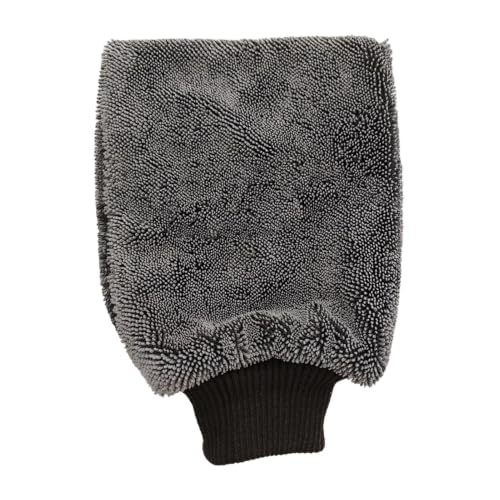
The best microfiber mitt for car washing is The Rag Company Cyclone Ultra if contamination control matters most; its 70/30 South Korean microfiber is the strongest upgrade choice for dark or coated paint, while the cheaper chenille option is the better buy for routine two-bucket washing.
Quick comparison
| Product | Badge | Best for | Price | ||
|---|---|---|---|---|---|
 |
Chemical Guys, Chenille Microfiber Wash Mitt for Cars, LimeChemical Guys | Our pick | Single · chenille microfiber · lime green | $8.99
Price as of 25 Oct 2026
|
View |
 |
The Rag Company – The Cyclone Ultra Wash Mitt + CycloneThe Rag Company | Also great | Combo pack · twist loop liner · microfiber blend | $29.95
Price as of 25 Oct 2026
|
View |
 |
Meguiar’s Microfiber Wash Mitt, 1 Pack | Car Wash Mitt ForMeguiar’s | Also great | 1 pack · microfiber wash mitt · exterior use | $15.68
Price as of 25 Oct 2026
|
View |
Use this table to compare by grit control first, not softness alone. The safest mitt is the one that dumps contamination quickly, rinses clean with little effort, and stays on paint instead of moving to wheels.
How we chose
This comparison focuses on five things that matter in real washing: dirt release, suds carry, rinse ease, wheel separation, and best use case. It also weighs pack size, cuff fit, machine washability, and whether the mitt makes sense for two-bucket washing, rinseless work, or a quick maintenance wash.
That approach matters because the mitt is the tool most likely to contact paint during washing, and trapped grit can still leave marring even when the fiber feels soft. No mitt makes paint scratch-proof.
Say your car has black paint and you wash every weekend. A mitt that holds grime too long is the wrong buy, even if it feels plush in the hand, because the rinse bucket will not clear contamination fast enough for calm, low-risk washing.
Microfiber mitt decision matrix
| Mitt type | Dirt release | Suds carry | Rinse ease | Wheel separation | Best use case | Do not buy if | Buy now |
|---|---|---|---|---|---|---|---|
| Chenille microfiber | Good for routine grime, but long noodles can hold heavier contamination longer than a premium blend | High | Moderate | Only if you dedicate one to wheels | Budget two-bucket washing, foam cannon pre-soak, weekly maintenance washes | You want the easiest rinse after heavy dirt, or you wash a dark car that shows marring fast | Buy if you want a low-cost wash mitt for regular use and can rinse often |
| Basic plush microfiber | Moderate | Moderate | Usually easier than deep noodle styles | Only if labeled and kept separate | Simple starter mitt for paint contact, especially on a first wash kit | You need strong contamination control or a mitt for rinseless work | Buy if you want a straightforward starting point with an easy hand fit |
| Korean 70/30 microfiber | Best of the three for encapsulating and releasing fine grit | Good | Best overall | Best to keep paint-only; wheel use is a waste of the better tool | Sensitive paint, dark paint, rinseless washing, foam cannon wash with careful rinsing | You only need a cheap wheel mitt or a casual second-string wash tool | Buy if you want the safest upgrade and do not mind paying more |
Chemical Guys chenille mitt: best for budget washing
The Chemical Guys chenille microfiber wash mitt suits drivers who wash on a schedule, use the two-bucket method with a wash bucket and a rinse bucket, and want a low-cost paint contact tool that still carries plenty of suds. It is the budget-friendly option in competitor coverage, and it is commonly sold as a 2-pack in that coverage, which helps if you want one mitt for paint and one for lower-risk jobs.
What stands out is the noodle-style chenille construction. Those strands hold soap well and give you a lot of surface area for routine wash passes, so the mitt stays easy to use during a normal foam-and-bucket wash.
Its weak point is contamination control under heavier dirt. Chenille can hold road film and grit longer than a premium 70/30 blend, so it is not the first choice for dark paint, neglected cars, or wash routines where you want the cleanest possible rinse between passes.
Buy this if you want a simple, reusable mitt for regular wash days and you are willing to rinse it often. It is also the most sensible pick if you need a second mitt for wheels only and do not want to spend premium money on a tool that will live away from paint.
Meguiar’s X3002: best for starter washing
Meguiar’s X3002 is the best starter pick for a driver who wants one straightforward microfiber mitt without paying for an upgrade blend. It is a single mitt, measures approximately 8 by 10 inches in competitor coverage, and is machine washable, which makes it a simple first purchase for basic maintenance washes.
The main advantage is its basic, no-frills fit. For a new DIY washer, that can matter more than luxury materials, because a mitt that is easy to hold and easy to launder gets used more often.
The drawback is that a single mitt does less for contamination management than a two-pack setup. If you want one mitt for paint and one for wheels, or if you wash frequently and want a backup ready to go, this is less convenient than a bundled option.
Buy this if you want an everyday wash mitt for light-to-moderate dirt and you are building a first kit. It makes the most sense for owners who hand wash a car occasionally, not for detailers who want separate tools for every job.
The Rag Company Cyclone: best for upgrade washing
The Rag Company Cyclone Ultra is the premium upgrade in this set, and competitor coverage describes it as a 70/30 South Korean microfiber mitt. That blend is the reason it earns the top slot for dark paint, coated paint, and rinseless work where you want better dirt encapsulation and easier release of fine contamination.
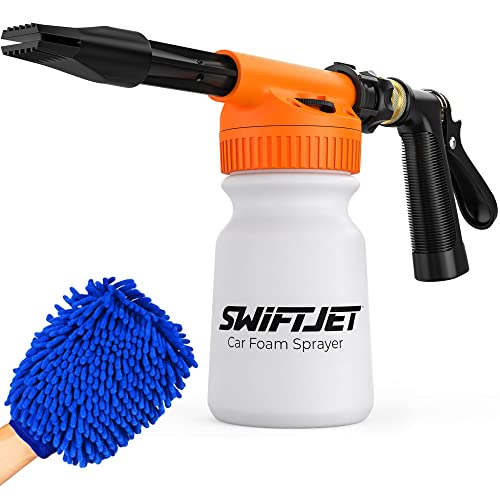
It also fits more methods than a budget chenille mitt. Competitor coverage pairs the Cyclone Ultra with foam cannon pre-soak, soap-and-bucket washing, and rinseless washing, which makes it the most flexible pick for a careful owner.
The tradeoff is price. A premium mitt only makes sense if the vehicle’s finish, wash frequency, or wash method justifies the extra cost. If the car sees heavy grime and the mitt will end up on wheels often, the upgrade is wasted.
Buy this if you wash dark paint, ceramic-coated paint, or a car that you want to keep looking clean with less risk from wash marring. It is the pick to start with when you care more about contamination control than about saving a few dollars.
Can one mitt handle paint and wheels?
A single mitt can do both, but it should not if you care about contamination control. Wheels carry brake dust, metallic debris, and heavier road film than paint, so the safer move is to keep a dedicated wheel mitt and keep your paint mitt away from that job.
The cleanest system is simple. Assign one color or label to paint, another to wheels, and never swap them. If the wheel mitt starts to hold grime after rinsing, retire it from paint duty and keep it wheel-only until you replace it.
Suppose your silver sedan gets a quick maintenance wash every 10 days. A green chenille mitt for paint and a separate dark-colored mitt for wheels is enough to stop cross-contamination, while still making the setup easy to remember.
- Pick one mitt for paint only.
- Pick a second mitt for wheels, lower panels, or exhaust areas.
- Label or color-code both so they never get mixed up.
- Rinse the wheel mitt thoroughly after each use.
- Retire the wheel mitt first if it will not rinse clean anymore.
Which one should you buy?
If budget matters most, buy the Chemical Guys chenille mitt. It is the easiest low-cost choice for routine washing, and it makes the most sense when you want a mitt that carries a lot of suds and does not punish a basic wash routine.
If your paint is sensitive, dark, or coated, buy The Rag Company Cyclone Ultra. The 70/30 South Korean microfiber blend is the strongest match for contamination control, and that matters more than softness once you are trying to limit wash marring.
If you are building a first kit and want one simple mitt, buy Meguiar’s X3002. It is the plainest option here, but that can be a plus when you want an easy starting point and do not need a premium two-pack.
A common first-timer mistake is buying the plushest mitt on the page and assuming that means the safest one. Plush can feel nicer, but if it rinses poorly or holds grit too long, it is the wrong tool for dirty paint.
Best choice by budget
Choose the Chemical Guys chenille mitt if you want the lowest-friction buy for regular use. It is the right answer when you wash often, keep the mitt for paint, and are willing to rinse it during the job.
Best choice by paint sensitivity
Choose The Rag Company Cyclone Ultra if the car is dark, ceramic-coated, or shows wash marks quickly. The premium 70/30 blend is the best fit when finish protection matters more than price.
Best choice by wash method
Choose a chenille mitt for soap-and-bucket or foam cannon pre-soak work. Choose the Cyclone Ultra if you also do rinseless washing, where better contamination release matters even more because you are working with less water.
Frequently asked questions
What is the best microfiber mitt for car washing?
The best microfiber mitt for car washing is The Rag Company Cyclone Ultra if you want the safest upgrade for contamination control. If you are buying on a tighter budget, the Chemical Guys chenille mitt is the better value for regular two-bucket washing.
Is chenille or plush microfiber better for a car wash mitt?
Chenille holds more suds and suits routine wash jobs, while a quality plush or 70/30 mitt usually rinses cleaner and handles fine grit better. For dirty daily-driver paint, better rinse behavior matters more than a softer feel in the hand.
How many microfiber wash mitts should I buy for one car?
Two is the practical minimum: one for paint and one for wheels or other lower-contamination areas. If you wash often, a backup paint mitt helps when one is in the laundry and keeps you from putting a dirty mitt back on the car.
Can I use the same microfiber mitt on wheels and paint?
You can, but you should not if the goal is lower contamination risk. Wheels pick up brake dust and metal debris that do not belong on paint, so separate mitts are the safer system, even for quick wash sessions.
What size microfiber wash mitt is best for hand washing a car?
Most buyers do best with a mitt that covers the hand securely without feeling bulky. A common size around 8 by 10 inches is manageable for most hands, but fit matters more than the exact number because a loose mitt is harder to control.
Are Korean 70/30 microfiber mitts worth the extra money?
Yes, if you wash dark paint, coated paint, or you want the best dirt release in this group. The higher cost makes less sense for a wheel mitt or a car that sees only light, infrequent washing.
How do I wash and care for a microfiber car wash mitt?
Rinse it well after use, machine wash it with mild detergent, and air-dry or tumble dry on low if the label allows. Inspect the fibers before the next wash; if they mat down, stay greasy, or will not rinse clean, retire the mitt.
Can a microfiber wash mitt prevent swirl marks?
No mitt can guarantee swirl-free washing. A microfiber mitt can lower the risk versus a sponge because it traps and releases grime better, but technique still matters: two buckets, frequent rinsing, and separate tools for wheels all reduce the chance of marring.
Is a microfiber mitt safe for ceramic-coated paint?
Yes, a microfiber mitt is generally a good choice for ceramic-coated paint, but only if you keep it clean and use careful technique. A premium 70/30 mitt is the better match when you want the safest contamination control on a coated surface.
Products related to this article
Sponsored / affiliate links. As an Amazon Associate I earn from qualifying purchases. I may earn additional commission from eligible campaigns.