Is a Car a Computer? Modern Tech Explained
Thinking about whether Is a Car a Computer? Modern Tech Explained might be a bit tricky? That’s totally normal! It’s a common question that can feel overwhelming, especially if you’re just getting started. Don’t worry, though. We’ll break it down step-by-step in easy-to-understand terms. This will help clear things up and show you exactly what makes modern cars so technologically advanced. Get ready to explore the fascinating tech hiding under your car’s hood!
What Makes a Modern Vehicle a Computer?
The first question most people have is, “How much tech is actually in my car?” The truth is, quite a lot! Modern vehicles are packed with sophisticated technology that goes far beyond what you might see at first glance. We’re talking about intricate systems and interconnected components working together to make your driving experience safer, more efficient, and more enjoyable. These systems handle everything from engine management to entertainment, making today’s cars remarkably complex machines.
Embedded Systems: The Brains of the Operation
At the heart of a modern vehicle’s tech are embedded systems. These are specialized computer systems designed to perform specific tasks within a larger device. Think of them as mini-brains dedicated to various jobs, like controlling the engine, managing the brakes, or operating the infotainment system. These systems run on specialized software and are constantly processing data from sensors, making real-time adjustments to ensure the vehicle functions correctly. They are designed to be efficient, reliable, and able to withstand the harsh conditions of a car’s operating environment.
-
- Electronic Control Units (ECUs): ECUs are the central control modules within a car’s embedded systems. They monitor numerous sensors throughout the car, analyze data, and then control various functions. Examples include the engine control unit (ECU), transmission control unit (TCU), and anti-lock braking system (ABS) control unit. The ECU is responsible for fuel injection, ignition timing, and other engine functions.
ECUs are fundamental to vehicle operation. Each ECU is responsible for a specific set of operations, ensuring that all components within its domain function correctly and work together. This sophisticated orchestration is what makes modern cars perform so efficiently. They can adjust engine performance based on the driver’s needs and the car’s current status.
-
- Real-Time Operating Systems (RTOS): Cars use RTOS to manage the embedded systems. These systems are designed to process and respond to data in real time, essential for functions like anti-lock brakes and airbags. RTOS prioritizes tasks to ensure important functions are handled immediately and accurately.
RTOS is key to the car’s safety and functionality. Consider the operation of anti-lock brakes (ABS). The RTOS must rapidly interpret data from wheel speed sensors and respond instantly by modulating brake pressure to prevent wheel lockup during emergency stops. Any delay could be dangerous.
-
- Sensors: Modern cars are loaded with sensors, acting as the “eyes and ears” of the embedded systems. These sensors gather data about almost every aspect of the car’s performance and environment. This includes data such as engine temperature, tire pressure, and even the proximity of other vehicles.
Sensors supply the data required to run the car properly. For instance, the engine temperature sensor provides data to the ECU, which can then alter the fuel mixture. Without these sensors, the ECU would not be able to adapt to changing conditions and optimize performance.
Networking and Communication
Cars use a variety of networks to link their many systems together. This allows different components to share data and coordinate actions. These networks are built on protocols designed for real-time communication and reliability, ensuring that all systems can interact seamlessly. As vehicles become more connected, these networks are becoming even more important for functions like remote diagnostics, over-the-air updates, and integration with external services.
-
- CAN Bus: The Controller Area Network (CAN) bus is the main network used in cars. It allows different ECUs to communicate with each other. The CAN bus facilitates quick, reliable data transmission.
The CAN bus acts as the backbone. For example, when the driver presses the accelerator, the position sensor sends a signal to the engine control unit via the CAN bus, which then adjusts fuel delivery and ignition timing to match.
-
- Ethernet: High-speed Ethernet networks are increasingly common in vehicles. They manage high-bandwidth data, such as multimedia and software updates. Ethernet is favored in applications where rapid data transfer is required.
Ethernet allows for faster data transmission rates. This is especially helpful in systems like advanced driver-assistance systems (ADAS) that need to process vast amounts of sensor data to make instant decisions.
-
- Wireless Communication: Vehicles use various wireless technologies, including Bluetooth and cellular networks. These technologies enable features such as hands-free calling, music streaming, and access to online services. Wireless communication also supports remote vehicle diagnostics and software updates.
Wireless technology enables a connection between the car and the outside world. This connectivity allows for features like remote vehicle start, over-the-air software updates, and the transmission of data to manufacturers for performance and diagnostics.
The Infotainment System and Connectivity
The infotainment system is a key feature of modern cars. It combines entertainment, information, and communication features into a single interface. These systems are powered by sophisticated software and hardware, offering features like navigation, audio streaming, smartphone integration, and more. As technology advances, these systems are becoming even more connected and integrated with the vehicle’s other systems.
-
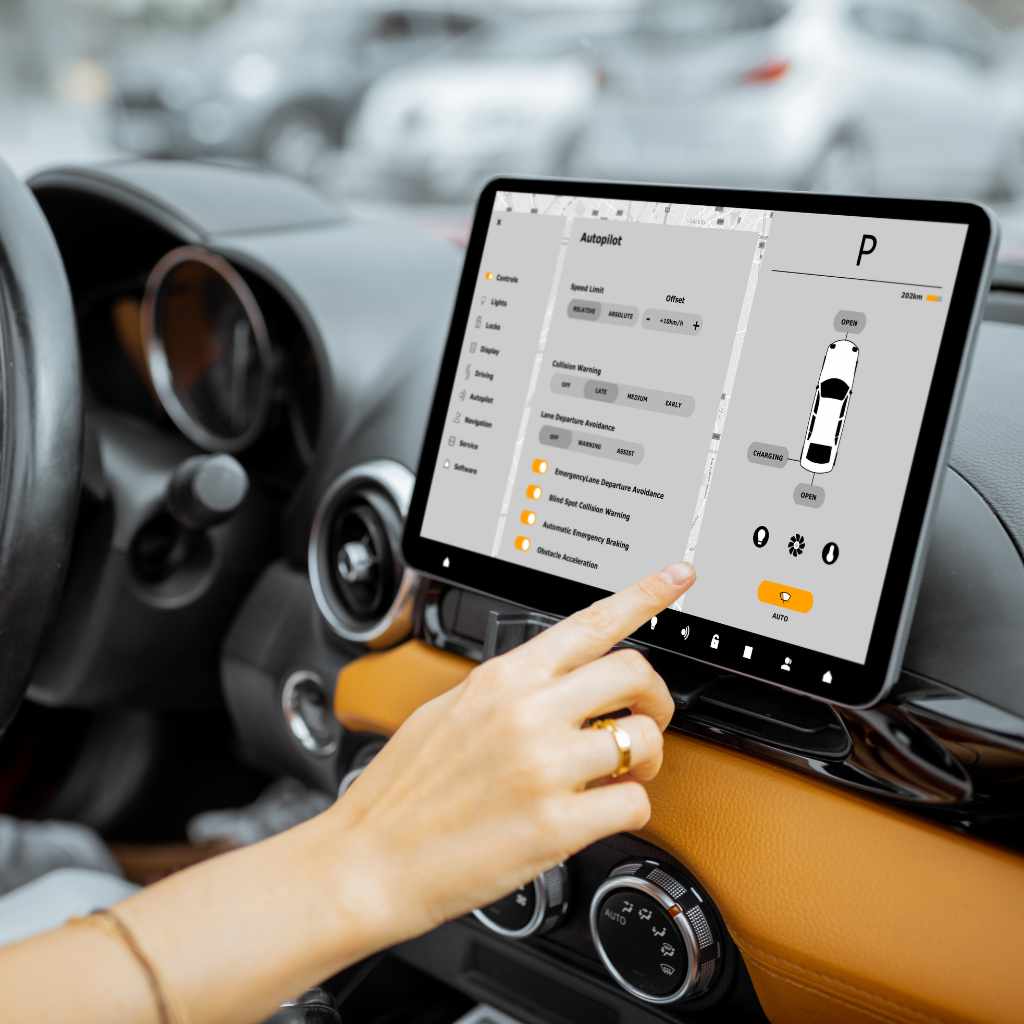
- Touchscreen Displays: Touchscreen displays are the main interface for infotainment systems. They allow drivers to easily control various features. High-resolution screens display maps, media information, and vehicle settings.
Touchscreens make interactions easy. They centralize control, reducing the number of physical buttons and dials. This results in a cleaner dashboard design and a more intuitive user experience.
-
- Smartphone Integration: Modern infotainment systems provide seamless smartphone integration via Apple CarPlay and Android Auto. These technologies mirror smartphone apps on the car’s display. Drivers can access navigation, music, and other apps through the car’s interface.
Smartphone integration increases the car’s usability. This allows drivers to use their favorite apps safely while driving. This includes hands-free calling, voice commands, and real-time navigation.
-
- Over-the-Air (OTA) Updates: OTA updates enable software and firmware updates to be delivered wirelessly. This allows manufacturers to improve vehicle performance. They also can add new features and fix bugs without the need to bring the car into a service center.
OTA updates ensure the car remains current. Regular updates can improve the performance of various systems. Also, they can enhance security and add new features.
How Do Modern Cars Work? A Tech Deep Dive
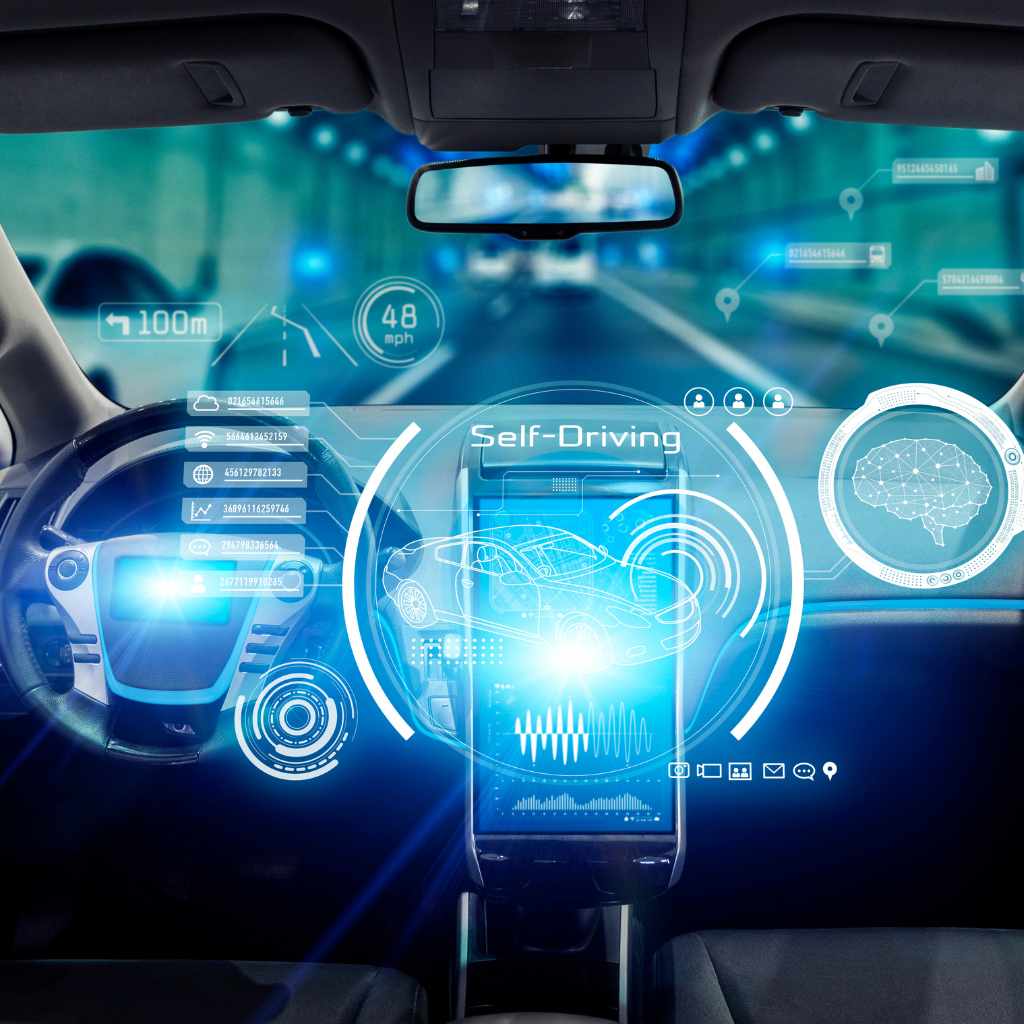
Once you see the underlying computer components, it is easier to understand how they work together. We’ll break down the basics of how the computer systems manage everything from engine control to safety features, providing insight into the complex mechanisms that operate within your vehicle. It’s like peeking behind the curtain to see how all the magic happens.
Engine Management
The engine’s operation is now tightly controlled by a sophisticated computer system. The Engine Control Unit (ECU) manages fuel injection, ignition timing, and other functions to optimize performance and efficiency. This system ensures the engine runs smoothly, produces the right amount of power, and complies with emissions standards. Modern engine management systems are highly adaptive, adjusting to driving conditions and environmental factors in real-time. This level of control is what allows today’s engines to deliver excellent performance while still meeting strict regulations.
-
- Fuel Injection System: The ECU controls the fuel injection system to deliver the correct amount of fuel to the engine cylinders. Sensors constantly monitor engine conditions, such as engine load and temperature, to determine the ideal fuel-air mixture. This process optimizes fuel consumption and reduces emissions.
Precise fuel injection is a key to engine efficiency. The ECU adjusts the fuel injectors to deliver the exact amount of fuel needed for each combustion cycle. This efficient process helps enhance fuel economy and cut back on pollution.
-
- Ignition Timing: The ECU also manages ignition timing, which is the precise moment when the spark plugs ignite the fuel-air mixture in the cylinders. Precise ignition timing helps maximize engine power and efficiency. The ECU fine-tunes ignition timing based on engine speed, load, and other factors.
Timing the spark at the proper instant maximizes power. The ECU adapts the ignition timing continuously, improving the engine’s output. Optimal timing enhances fuel efficiency and reduces emissions.
-
- Emissions Control: Modern cars are equipped with advanced emissions control systems, which the ECU manages. These systems, like catalytic converters and oxygen sensors, reduce harmful pollutants in the exhaust gases. The ECU makes sure the emissions control system operates effectively.
Controlling emissions helps protect the environment. The ECU monitors emissions and adjusts engine parameters to reduce pollutants. This compliance with environmental standards helps maintain air quality.
Safety Features
Modern cars are packed with advanced safety features. These systems depend heavily on computer technology. This includes everything from anti-lock brakes to adaptive cruise control and automated emergency braking. These safety systems use sensors, computers, and sophisticated algorithms to help prevent accidents and reduce the severity of impacts. The integration of these features is a testament to the role of computers in making cars safer.
-
- Anti-lock Braking System (ABS): ABS prevents the wheels from locking up during braking. The system uses sensors to monitor the wheel’s rotation. If a wheel starts to lock, the system momentarily releases brake pressure. This helps the driver maintain steering control and reduces stopping distances in many situations.
ABS prevents wheel lockup during a sudden stop. The system keeps the wheels turning. This lets the driver keep control of the vehicle. This added control helps reduce stopping distance and enhances safety.
-
- Electronic Stability Control (ESC): ESC helps prevent the vehicle from skidding. It works by monitoring the car’s direction. It then compares the driver’s intentions with the actual path of the car. If the system detects a potential skid, it can selectively apply brakes to individual wheels. This helps the driver regain control.
ESC helps stop skidding. The system corrects oversteer and understeer. By applying brakes to specific wheels, ESC helps keep the vehicle on its intended path, increasing safety.
-
- Advanced Driver-Assistance Systems (ADAS): ADAS includes a range of safety features, such as lane-keeping assist, adaptive cruise control, and automatic emergency braking. These systems use sensors, cameras, and radar to monitor the car’s surroundings. The system then takes actions to help prevent accidents or reduce their severity.
ADAS helps improve safety by assisting the driver. Features such as lane-keeping assist help keep the car in its lane. Adaptive cruise control maintains a safe distance. Automatic emergency braking can help prevent collisions.
Diagnostics and Maintenance
Modern cars feature onboard diagnostic systems that monitor and record vehicle performance data. This includes information about the engine, transmission, brakes, and other systems. This information is used for regular maintenance. It also helps diagnose issues and prevent larger problems. With all of this data available, it’s simpler than ever to keep your car in top shape.
-
- Onboard Diagnostics (OBD): The OBD system monitors the car’s emissions system and other components. If a problem is detected, the system will illuminate the “check engine” light. The mechanic can then access diagnostic codes to identify the issue.
OBD provides information on the car’s condition. The OBD system monitors vehicle performance. When an issue is found, it sends out a warning and provides useful data for repair.
-
- Diagnostic Trouble Codes (DTCs): DTCs are numeric codes that represent specific problems within the vehicle’s systems. When the “check engine” light comes on, the mechanic can use a diagnostic tool to read these codes. This will help them find the root cause of the problem.
DTCs help in accurate vehicle diagnostics. These codes are important to identify the origin of problems. Mechanics use these to fix car issues efficiently.
-
- Predictive Maintenance: Modern cars can often predict when maintenance will be needed. They use sensors and data analysis to track the condition of components. The car then alerts the driver when it’s time for things like oil changes or brake inspections.
Predictive maintenance allows for proactive car care. The car can suggest when maintenance is needed. By preventing potential issues, this reduces the likelihood of larger, more expensive repairs.
The Role of Software in Your Vehicle
The code that runs the car’s features is software. This software tells all the computer parts what to do, from starting the engine to managing safety systems. Software updates can improve performance and fix problems. Software is just as key to vehicle operation as the hardware.
Software Architecture
Software architecture refers to the structure and design of the software that runs in a car. This includes everything from the operating systems to the individual applications that manage the car’s functions. The architecture must be carefully designed to ensure that the software is reliable, secure, and efficient. The software must be able to handle complex tasks, such as managing the engine and safety systems.
-
- Operating Systems (OS): The OS provides the foundation for all other software in the vehicle. It manages the hardware resources and provides a platform for applications to run. Different parts of the car will use different operating systems.
The OS manages the car’s functions. They control all aspects of the software environment. This includes managing hardware and running applications.
-
- Middleware: Middleware is the software layer that sits between the OS and the applications. It provides services and APIs that allow applications to communicate with each other and the hardware. Middleware helps with complex tasks like data exchange.
Middleware facilitates communication between apps. It enables different parts of the car to work together by offering services and APIs for data exchange.
-
- Applications: Applications are the programs that perform specific tasks. These include the engine control, infotainment, and ADAS features. They are built on the OS and middleware layers.
Applications perform specific vehicle tasks. This includes the car’s engine, infotainment, and driver-assist features. Each application is key to the car’s functionality.
Software Updates and Security
Since cars have become computers, software is key to their performance and security. Car manufacturers provide software updates to improve performance, fix bugs, and add new features. These updates are usually delivered over the air, which means that drivers don’t have to bring their cars to a service center. However, just like computers, cars are vulnerable to cyberattacks. That’s why car manufacturers are working on improving cybersecurity measures.
-
- Over-the-Air (OTA) Updates: OTA updates allow manufacturers to send software updates wirelessly. This makes updates easier for the owners. The car can be updated over its cellular connection.
OTA updates help maintain the car’s software. These updates can provide newer features and fix bugs. OTA updates reduce the need for in-person service appointments.
-
- Cybersecurity: Modern cars are more connected. This means they are more exposed to cyberattacks. Car manufacturers are creating advanced security systems to protect the car’s software and data. Security measures include encryption, intrusion detection systems, and regular security updates.
Cybersecurity is key for protecting vehicles. Car manufacturers are adding features like encryption and intrusion detection to make vehicles secure from cyberattacks.
-
- Functional Safety: Functional safety refers to the ability of a system to operate correctly and safely, even when failures occur. Car software is built to meet safety standards. They are also designed to prevent or mitigate potential hazards.
Functional safety assures safe car operation. By creating software that is highly secure, manufacturers reduce safety risks and increase reliability.
Examples and Case Studies
Examining real-world examples helps to show how computers impact car operations. These real-life case studies illustrate the practical application of the technology we’ve covered. They reveal how computer systems improve safety, efficiency, and the overall driving experience.
-
- Case Study 1: Tesla’s Autopilot System: Tesla’s Autopilot is a great example of computer technology in cars. The system uses a range of sensors, cameras, and radar to navigate and steer the car. With software updates, the capabilities of Autopilot continue to improve, demonstrating how computer technology can make cars more capable.
Tesla’s Autopilot shows the impact of software updates. As the software evolves, the Autopilot’s functionality is enhanced, increasing safety and convenience.
-
- Case Study 2: BMW’s ConnectedDrive: BMW’s ConnectedDrive system provides drivers with a variety of connected services, including navigation, entertainment, and remote diagnostics. The system uses a combination of hardware and software to create a seamless driving experience. BMW uses software to offer features such as traffic updates, remote software updates, and the ability to control certain functions from a smartphone.
BMW’s ConnectedDrive demonstrates the value of connectivity. The system’s software provides real-time traffic updates. It also offers remote diagnostic services and smartphone controls.
-
- Case Study 3: Ford’s SYNC System: Ford’s SYNC system provides a user-friendly interface that integrates smartphones, music, and navigation. The system uses software to manage voice commands. It also manages smartphone integration with Apple CarPlay and Android Auto. Ford SYNC’s constant updates show how computer technology has increased vehicle usability.
Ford’s SYNC system simplifies in-car interaction. The software controls voice commands and smartphone integration. This makes driving safer and more convenient.
The Future of Vehicles and Computers
The tech in cars will only improve over time. Cars are becoming more automated, connected, and intelligent. Future vehicles will likely feature even more advanced technology. This will revolutionize how we drive and how we experience vehicles. The development is rapid, with new technologies appearing often.
Autonomous Driving Technology
Autonomous driving is one of the most exciting areas of vehicle development. Self-driving cars use a combination of sensors, cameras, and AI to navigate and operate without human input. These vehicles will change how people travel. Self-driving cars may reduce accidents, improve traffic flow, and increase mobility for people with disabilities. They will also improve driver safety and the overall driving experience.
-
- Sensor Fusion: Autonomous vehicles use various sensors, including lidar, radar, and cameras. These sensors provide data about the environment. Then, the computer uses sensor fusion to create a comprehensive understanding of the car’s surroundings.
Sensor fusion is key to self-driving. It gathers data from lidar, radar, and cameras. Then, it creates a complete picture of the vehicle’s surroundings.
-
- Artificial Intelligence (AI): AI algorithms are vital for autonomous driving. They allow the car to analyze data from its sensors. This enables the vehicle to make decisions, such as steering, accelerating, and braking.
AI helps the car analyze data. The AI algorithm processes data from sensors. This enables the car to control its movements and navigate roads.
-
- Level of Autonomy: Self-driving capabilities are classified into levels of autonomy, from Level 0 (no automation) to Level 5 (full automation). As technology evolves, vehicles are moving toward higher levels of autonomy.
Autonomy levels show the complexity of self-driving. The levels show how automated the car is, from basic to fully self-driving.
Connected Car Technologies
Vehicles are becoming more interconnected than ever. This means cars are able to communicate with each other. They also communicate with the infrastructure around them, like traffic lights and other vehicles. Connected car technologies improve safety. They also provide new services, such as smart parking and over-the-air updates. As connectivity expands, new possibilities will keep emerging.
-
- Vehicle-to-Vehicle (V2V) Communication: V2V communication allows vehicles to share information about their position, speed, and direction. This can enhance safety by allowing cars to detect potential hazards. It will also help drivers know when a car is about to make a turn.
V2V communication improves safety. Cars share information about their movements. This enables them to warn drivers of potential hazards.
-
- Vehicle-to-Infrastructure (V2I) Communication: V2I communication allows vehicles to communicate with infrastructure. This can include traffic lights, road signs, and other devices. With V2I, cars will be able to receive real-time traffic information and optimize routes.
V2I communication helps optimize traffic flow. The vehicles receive real-time data from traffic lights. This assists in creating the most efficient routes.
-
- 5G and Beyond: 5G and future generations of cellular networks will provide faster and more reliable communication for vehicles. This is key for autonomous driving and connected car features.
5G will improve car communication. Faster, more reliable networks will allow more data to be shared. This allows for advances in self-driving and other connected car features.
Emerging Technologies
New technologies are always emerging in the automotive industry. These technologies will shape the future of cars. This includes advancements in electric vehicles, which have quickly become popular. Innovations in materials, such as lightweight composites, are also key. These new materials will enhance vehicle performance and sustainability. These developments will transform the automotive landscape.
-
- Electric Vehicles (EVs): EVs are becoming more popular. They offer cleaner transportation. Advances in battery technology are improving the range and performance of EVs. Charging infrastructure is expanding to support the growing number of EVs on the road.
EVs are a key part of the future. Advances in battery tech are improving range. The growth of charging stations helps make EVs more practical for everyday use.
-
- Advanced Materials: Car manufacturers are using innovative materials, such as lightweight composites, in vehicle construction. These materials reduce the weight of cars. This will improve fuel efficiency and performance.
New materials are improving car performance. These lightweight materials also enhance fuel economy and overall sustainability.
-
- Biometrics and Personalization: Biometric sensors and personalized settings are increasingly common in cars. These technologies can recognize drivers and adjust settings. This provides a more convenient and customized driving experience.
Biometrics personalize the driving experience. The car identifies the driver and sets preferences automatically. This makes driving more convenient and comfortable.
Frequently Asked Questions
Question: Does my car have a computer?
Answer: Yes, almost all modern cars have multiple computers. These computers control different functions, such as the engine, brakes, and infotainment system.
Question: What is an ECU?
Answer: ECU stands for Electronic Control Unit. An ECU is a small computer that controls a particular system or function in a car, like the engine or the anti-lock brakes.
Question: What is the CAN bus?
Answer: The CAN bus is a network that allows different computer systems in a car to communicate with each other. It’s like a special language that computers in your car use to share information.
Question: Can I update my car’s software?
Answer: Yes, many cars now offer over-the-air (OTA) software updates. This allows you to receive software updates wirelessly, just like your smartphone.
Question: Are self-driving cars safe?
Answer: Self-driving cars are still in development, but they have the potential to be safer than human-driven cars. They use advanced sensors and AI to avoid accidents. Further testing and improvements are still needed before they can be completely trusted.
Final Thoughts
We’ve looked into the question, Is a Car a Computer? Modern Tech Explained. We’ve seen how today’s vehicles are packed with advanced computer systems. These systems manage everything from the engine to safety features and infotainment. From embedded systems and networking to the role of software and the latest innovations, it’s clear that cars are more tech-heavy than ever before. As technology moves forward, cars will only become smarter and more connected. They’ll also offer improved safety and convenience.
Next time you’re in a modern car, remember all the amazing technology working behind the scenes. Start looking for these elements when you drive, and explore how they impact your experience. Keep learning, and enjoy the ride!