Is Dent Covered in Car Insurance: What You Need to Know
Yes, dents are typically covered by car insurance. But it depends on your policy.
Car accidents or minor mishaps can leave your car with dents. These can be annoying and costly to fix. Many car owners wonder if their insurance will cover these damages. Understanding what your policy includes is crucial. It helps you know if you can claim for repairs.
In this blog post, we’ll explore how car insurance covers dents. We’ll discuss different types of coverage. We will also look at scenarios where your insurance may or may not pay for dent repairs. This way, you can better prepare for unexpected car damages.
Credit: www.bankrate.com
Car Insurance Basics
Car insurance has different types of coverage. Liability coverage pays for damage to others. Collision coverage covers your own car’s damage. Comprehensive coverage pays for non-collision damage like theft or fire. Personal injury protection helps with medical bills. Uninsured motorist coverage protects if the other driver has no insurance. Each type of coverage offers different protections. It’s important to understand what each does.
Car insurance has many terms. Premium is the amount you pay for coverage. Deductible is what you pay before insurance helps. Claim is a request for payment after an accident. Policy is the contract between you and the insurer. Coverage limits are the maximum amounts the insurer will pay. Knowing these terms can help you understand your insurance better.
What Is Covered
Collision coverage helps you fix your car. This includes dents. It pays for repairs after an accident. You might hit another car. You might hit a tree. Your insurance helps with these costs. You need to pay a deductible first. This is the amount you pay before insurance helps. Choose a deductible that works for you.
Comprehensive coverage helps with other damage. This includes dents from hail. It covers theft, fire, and vandalism. Your car can get damaged in many ways. This insurance helps with repairs. You still need to pay a deductible. It is different from the collision deductible. Pick an amount that you can afford.
Dents And Car Insurance
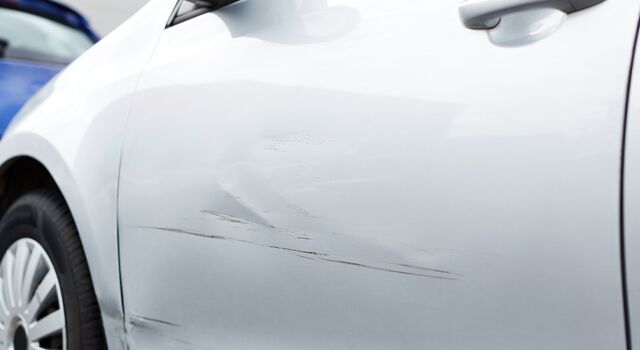
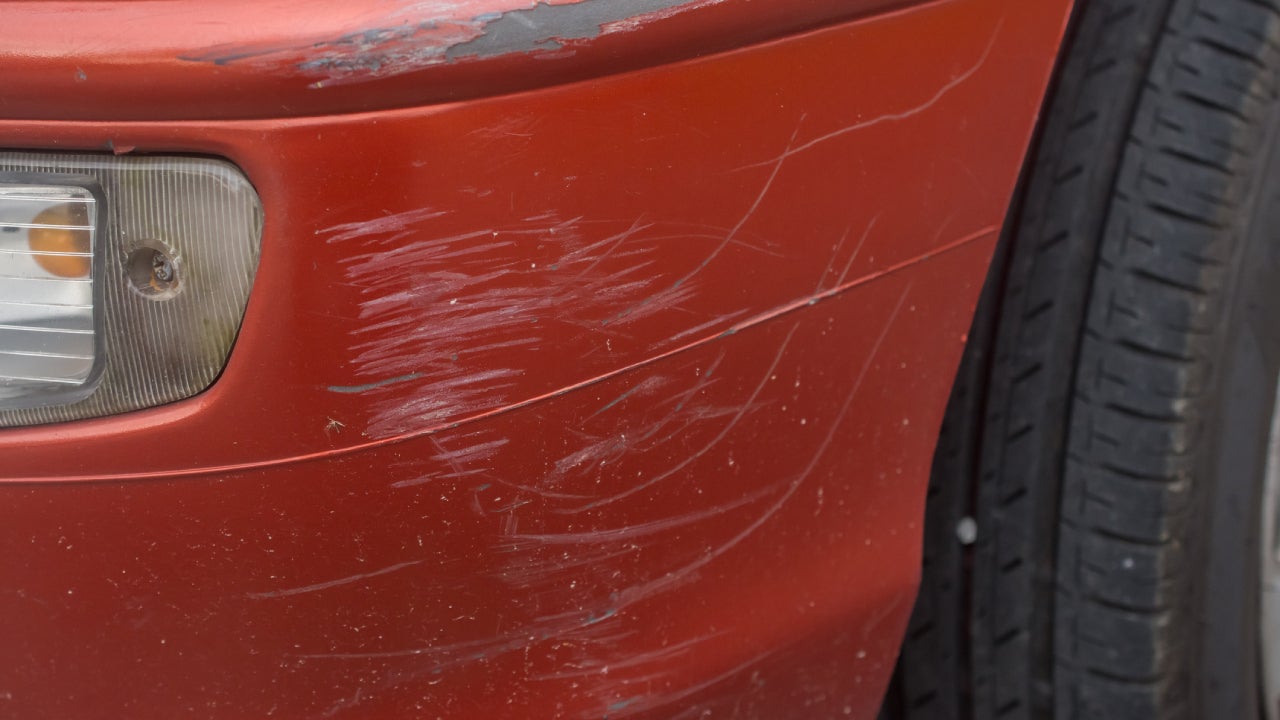
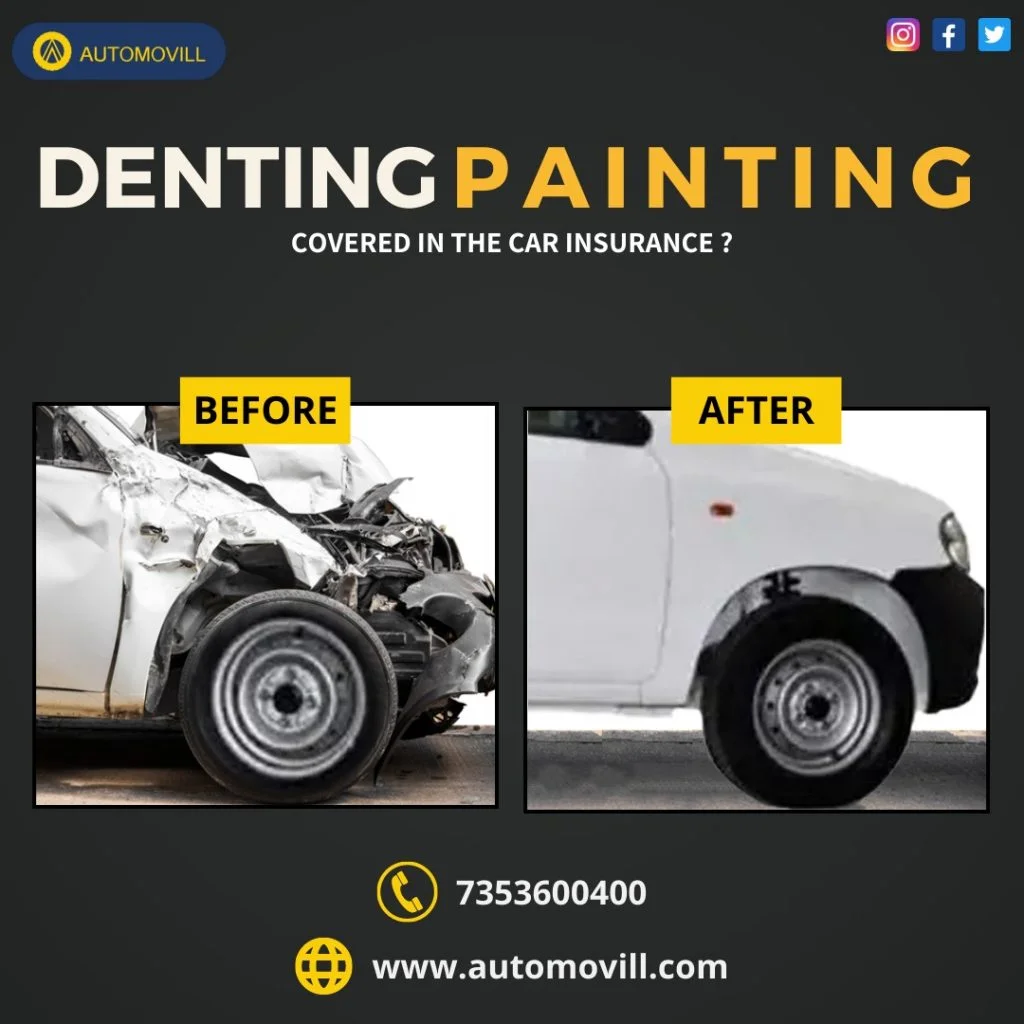
Car insurance often covers dents from accidents. A collision with another car is usually covered. Falling objects like tree branches may be covered. Vandalism dents are also covered by many policies. Check your policy for specifics.
Some dents are not covered by car insurance. Wear and tear dents are usually excluded. Neglect or lack of maintenance can lead to exclusions. Dents from unreported accidents may not be covered. Always read your insurance policy carefully.
Credit: www.automovill.com
Filing A Claim For Dents
First, inform your insurance company about the dent. Then, take clear photos of the damage. These will help in assessing the dent. Next, fill out the claim form given by your insurer. Make sure all details are correct.
After that, submit the form and photos. Your insurance company will review them. They may send an adjuster to inspect the dent. Be ready to answer questions about the incident. Finally, wait for the approval. The insurance will cover the repair costs if the claim is valid.
Having the right documents is important. Here is a list:
- Photos of the dent
- Completed claim form
- Police report (if applicable)
- Any witness statements
- Estimate of repair costs
Make sure to keep copies of all documents. This helps in case you need them later. Being prepared speeds up the claim process.
Factors Affecting Coverage
Deductibles play a big role in your car insurance. They are the amount you pay before your insurance helps. If your deductible is $500 and the dent costs $600, you pay $500. The insurance pays $100. High deductibles mean lower premiums but more out-of-pocket costs for you. Low deductibles mean higher premiums but less out-of-pocket costs.
Premiums are what you pay for your insurance policy. They can vary based on your car, driving record, and location. A clean record often means lower premiums. Premiums also depend on your coverage limits. Higher limits mean higher premiums. Always compare different insurance plans. Find what suits you best.
Repair Process
You need to pick a repair shop. Check if the shop is approved by your insurance. This can save time. Approved shops know the process well. They can handle the paperwork. This makes things easier for you.
Before repairs start, your insurance must approve. They will inspect the damage. Sometimes, they may ask for photos. After approval, the shop can begin fixing your car. Keep all your papers safe. You might need them later.
Preventing Dents
Drive slowly in crowded areas. Avoid tailgating. Keep a safe distance from other cars. Use turn signals early. Be alert at all times. Watch for sudden stops. Avoid distractions like mobile phones. Keep both hands on the wheel. Check mirrors often. Park in well-lit areas. Avoid tight spaces. Choose end spots when possible. Prevent dents by being careful. Drive defensively.
Park in the center of your space. Avoid parking near large vehicles. Look for spots away from shopping carts. Do not park too close to other cars. Check for obstacles before opening your door. Use parking garages when you can. Choose spots with less traffic. Avoid parking under trees. Falling branches can cause dents. Ensure your car is visible to other drivers. Take your time while parking.
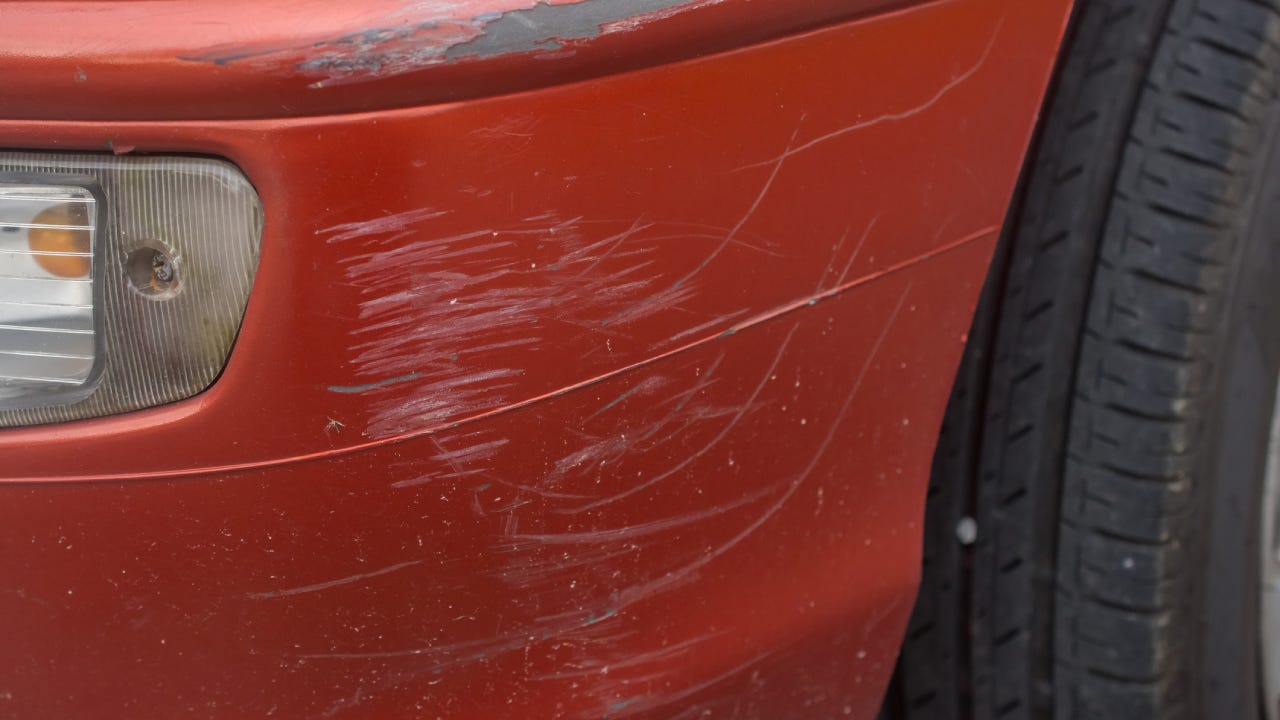
Credit: www.bankrate.com
Frequently Asked Questions
Will Insurance Cover A Dent In A Car?
Yes, insurance can cover a dent in a car. Coverage depends on your policy and the type of damage. Comprehensive and collision coverage typically include repairs for dents. Check your policy for details.
Does A Dent Count As Damage?
Yes, a dent counts as damage. It can affect the appearance and value of a vehicle. Repairing dents often restores the vehicle’s condition.
Does Car Insurance Cover Minor Damage?
Yes, car insurance can cover minor damage. Coverage depends on your policy and its terms. Review your policy details for specifics.
Does Car Warranty Cover Scratches And Dents?
Car warranties typically do not cover scratches and dents. These damages are usually considered cosmetic and are not included in standard coverage. Check your warranty details for specific terms.
Conclusion
Understanding your car insurance policy is essential. Dents may or may not be covered. Check your policy details. Talk to your insurance agent. Ask questions. Know what is included. Consider additional coverage if needed. Protect your car, avoid surprises. Stay informed.
Make smart decisions. Keep your vehicle safe and sound.