Fast Car by Tracy Chapman: What the Lyrics Really Mean
“Fast Car” by Tracy Chapman is about the cycle of poverty and the hope that escaping a hard hometown might lead to a better life — only for the narrator to realize that running away doesn’t erase the problems she left behind. Released in 1988 as Chapman’s debut single, the song is written from the point of view of someone who wants a partner with a fast car to help her leave a difficult home life, only to find years later that she and her partner are still stuck in the same working-class struggle, just in a different town.
The song has never really been about cars. It’s about what a car represents: movement, possibility, and the fantasy that speed alone can outrun poverty. That’s part of why “Fast Car” resonated again in 2023, when country star Luke Combs covered it and helped Tracy Chapman become the first Black songwriter to win the CMA’s Song of the Year award — 35 years after she first wrote it.
The Story Behind “Fast Car”
TRACY CHAPMAN’S DEBUT ALBUM
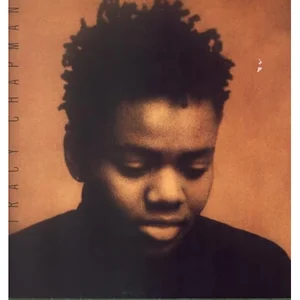 |
Tracy Chapman (Vinyl LP) – $35.15 This is the original 1988 self-titled album where “Fast Car” first appeared, alongside nine more tracks written from the same working-class, story-driven perspective.
|
Without quoting the lyrics directly, “Fast Car” is narrated by a woman who wants out. She’s caring for a parent with a drinking problem, working a low-wage job, and going nowhere. When she meets someone with a fast car, she sees a way out — drive far enough, fast enough, and maybe the life she’s stuck in gets left behind too. The two of them run off together, chasing the idea that a new city and a new start will be enough.
Years pass. The couple settles down, has a child, and the narrator ends up working a convenience-store checkout job while her partner drifts toward the same kind of drinking that drove her to leave home in the first place. The “fast car” that once meant freedom becomes a symbol of standing still — moving fast, but not actually getting anywhere. That reversal, hope curdling into repetition, is the emotional turn the whole song is built around.

What Does the Fast Car Symbolize?
The car itself is never the point — it’s the vehicle (literally and figuratively) for everything the narrator wants and can’t have on her own. Early in the song, it stands for speed, control, and the thrill of finally moving toward something better. By the end, that same car represents the opposite: a routine she can’t break out of, a partner who’s repeating the mistakes she was trying to escape, and a life that looks a lot like the one she left.
That’s the core irony critics and fans keep coming back to: the song’s title promises speed and change, but its story is really about how hard it is to outrun where you came from, no matter how fast you’re going.
The Song’s Themes: Poverty, Escape, and Getting Stuck
Poverty and the working class. Chapman doesn’t write about hardship in the abstract. The narrator’s family struggles with money, her father’s drinking, and a lack of real options at home, which is exactly why the fantasy of a fast car and an open road feels so powerful to her.
The dream of escape. Leaving town is treated as a legitimate plan for a better life, not just a daydream — the narrator drops out of school and takes a job to make the escape happen, showing how seriously she takes the idea that a new place equals a new future.
Cycles that repeat. The most quietly devastating theme is how closely the narrator’s adult life ends up mirroring her childhood: another low-paying job, another partner drinking too much, another situation she wants to leave. “Fast Car” suggests that changing your zip code doesn’t automatically change your circumstances.

Was “Fast Car” Based on Tracy Chapman’s Own Life?
Not literally, but it’s rooted in what she saw growing up. Chapman was raised in Cleveland, Ohio, by a single mother, in a working-class community where money was tight and hard choices were common. She has said the song draws on the kinds of people and situations she witnessed there, rather than describing one specific event from her own life. In other words, “Fast Car” isn’t a diary entry — it’s a composite portrait built from a world Chapman knew firsthand, which is a big part of why the details feel so lived-in.
Chapman has stayed famously private about her personal life over the decades, and she’s said relatively little in interviews about the song’s origins beyond that general context. Curious readers looking at the full backstory of who actually wrote the song and when can see our separate breakdown of who originally wrote “Fast Car”.
Chart Success and Grammy Recognition in 1988
“Fast Car” was released on April 6, 1988, as the lead single from Chapman’s self-titled debut album. It climbed to No. 6 on the Billboard Hot 100 that year, a run that got a major boost after Chapman performed the song at the Nelson Mandela 70th Birthday Tribute concert in London in June 1988, broadcast to a huge international audience.
The song picked up three Grammy nominations — Record of the Year, Song of the Year, and Best Female Pop Vocal Performance — and won in the Best Female Pop Vocal Performance category. Chapman’s debut album went on to reach No. 1 on the Billboard 200 and has since been certified multi-platinum in the US.
The 2023 Luke Combs Cover and Tracy Chapman’s Historic CMA Win
In 2023, country singer Luke Combs released a cover of “Fast Car” on his album Gettin’ Old, and the song found an entirely new audience 35 years after its original release. Combs’ version topped Billboard’s Country Airplay and Hot Country Songs charts and climbed to No. 2 on the Billboard Hot 100 — higher than Chapman’s own 1988 peak. For the full story of who has recorded the song over the years, see our guide to who sings “Fast Car,” from Tracy Chapman to Luke Combs.
At the 2023 CMA Awards on November 8, Combs won Single of the Year for his cover, while Chapman — credited as the song’s sole writer — won Song of the Year, making her the first Black songwriter to receive that award in CMA history. Chapman didn’t attend in person, but sent a statement thanking fans and Combs for keeping the song alive. A few months later, in February 2024, Chapman and Combs performed “Fast Car” together at the Grammy Awards, a moment that sent the original 1988 recording back onto the Billboard Hot 100 and pushed digital sales up more than 38,000% in a single week.
How Fans and Critics Have Interpreted the Song
Critics praised “Fast Car” from the moment it came out, calling out Chapman’s plainspoken lyrics and the way her voice carried both weariness and hope in the same breath. That mix is a big part of why the song crosses genre lines so easily: it’s been embraced as a folk song, a pop hit, and now a country No. 1, without changing a word.
One interpretation that’s followed the song for decades: because the narrator never uses a gendered pronoun for the partner she leaves town with, many listeners — especially lesbian listeners in the late 1980s and ’90s — heard “Fast Car” as a love story between two women, and the song has been embraced by many as a queer anthem ever since. Chapman herself has never publicly framed the song that way in interviews, and she’s kept her personal life largely private throughout her career, but the ambiguity in the lyrics is real, and it’s a documented part of how the song has been read and celebrated by different communities over the years.
Frequently Asked Questions
Is “Fast Car” About Poverty?
Yes. The song follows a narrator trapped by low-wage work, a parent’s drinking problem, and a lack of options at home, and it treats a fast car and an open road as her best shot at a different life. Even after she leaves, she ends up back in a similar working-class routine, which is central to the song’s message about how hard poverty is to escape.
What Does the Fast Car Symbolize in the Song?
Early on, the car represents freedom, speed, and the possibility of a fresh start. By the end of the song, that meaning flips: the same car comes to represent being stuck in motion, going fast but not actually getting anywhere new in life.
Is “Fast Car” Based on a True Story?
Not as a literal autobiography, but it’s grounded in Chapman’s own background. She grew up in a working-class Cleveland, Ohio, household raised by a single mother, and she’s said the song reflects people and struggles she witnessed growing up rather than one specific personal event.
Why Did “Fast Car” Become Popular Again in 2023 and 2024?
Country singer Luke Combs released a cover of “Fast Car” in 2023 that reached No. 2 on the Billboard Hot 100. The cover won Combs a CMA Award for Single of the Year, while Tracy Chapman won CMA Song of the Year as the song’s writer — the first Black songwriter to win that award. Chapman and Combs then performed the song together at the 2024 Grammy Awards, which sent Chapman’s original 1988 recording back onto the charts.
Is “Fast Car” a Queer Song?
Tracy Chapman has never publicly described “Fast Car” as a queer song. But because the narrator never uses a gendered pronoun for the partner she runs away with, many listeners have long read it as a love story between two women, and it’s been embraced as an LGBTQ+ anthem, particularly among lesbian fans, since the late 1980s.
How Did “Fast Car” Perform on the Charts?
Chapman’s original reached No. 6 on the Billboard Hot 100 in 1988 and won a Grammy for Best Female Pop Vocal Performance. Luke Combs’ 2023 cover actually outperformed the original on the pop chart, peaking at No. 2 on the Hot 100 while also topping the country airplay charts.
The Bottom Line
“Fast Car” endures because it never oversells its own hope. Tracy Chapman wrote a song about wanting to escape poverty that’s honest enough to show the escape not fully working — and that honesty is exactly what’s kept the song relevant, from a Nelson Mandela tribute concert in 1988 to a CMA Song of the Year win 35 years later. Whatever you hear in it — a story about class, a story about love, or both — the fast car itself was never really the point.
Products related to this article
Sponsored / affiliate links. As an Amazon Associate I earn from qualifying purchases. I may earn additional commission from eligible campaigns.
![iPhone Car Charger,USB C Fast Car Charger[Apple MFi Certified] Apple Car Charging 38W Dual Port CarCharger Cigarette Lighter Adapter 2x3ft PD&QC 3.0 Lightning Cable for iPhone 14/13/12 Pro/11/Airpods](https://m.media-amazon.com/images/I/41XizrssoiL._SL500_.jpg)
![[MFi] 35W USB C Fast Car Charger with 3Ft Type C to Lightning Cable(Pink)](https://m.media-amazon.com/images/I/41sORP34PYL._SL500_.jpg)