What Is a Cruise Car? GM Robotaxi Brand Explained (2026)
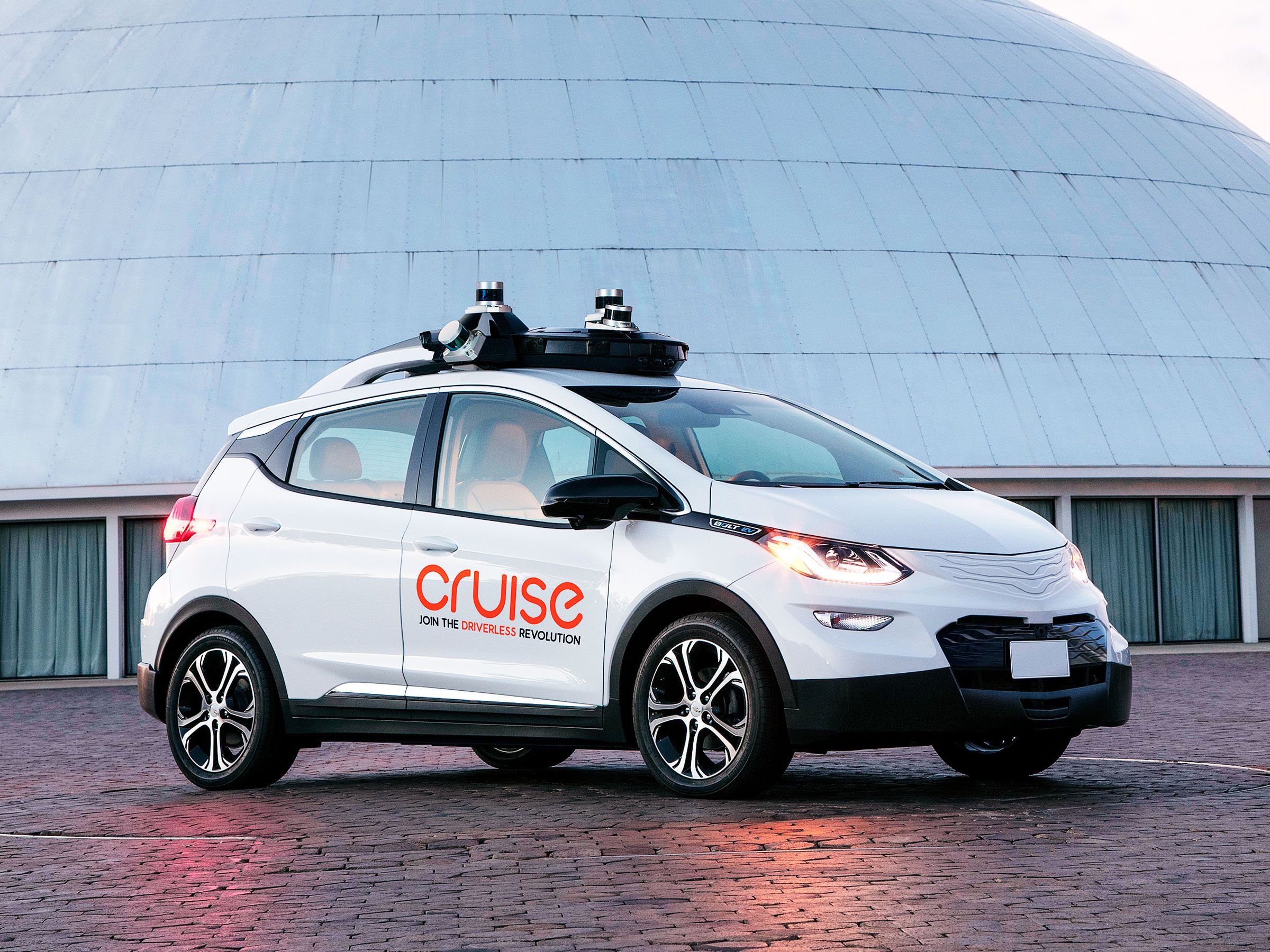
A cruise car is not a specific car model you can buy. Cruise (legally Cruise LLC, and often written as GM Cruise) was General Motors driverless robotaxi company, built around modified Chevrolet Bolt EVs that navigated city streets with no one behind the wheel.
GM poured more than 10 billion dollars into Cruise between 2016 and 2024, then shut down its entire robotaxi business in December 2024, about a year after a pedestrian was struck by another car and dragged by a Cruise vehicle in San Francisco. As of 2026, Cruise no longer operates as a standalone company or ride-hailing service.
This guide covers what Cruise actually was, how its self-driving technology worked, exactly what went wrong and when, what replaced it inside GM, and how it differs from an unrelated feature that just happens to share its name: cruise control.
What Was Cruise, Exactly?
Cruise started in 2013 as Cruise Automation, a small San Francisco startup founded by Kyle Vogt and Dan Kan that built a self-driving retrofit kit for the Audi S4. General Motors bought the company outright on May 12, 2016, in a deal valued at roughly $581 million, split between cash and GM stock, to jump-start its own autonomous vehicle program.
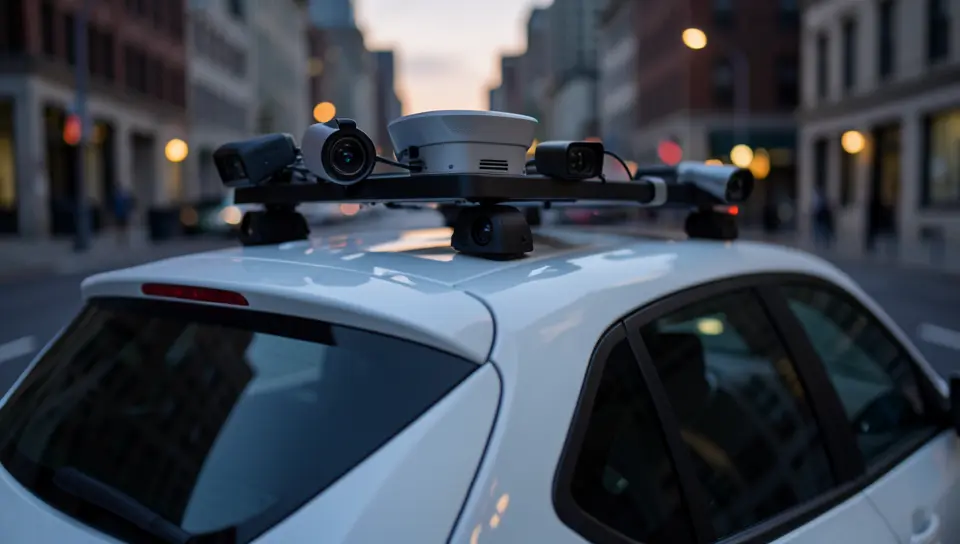
Two years later, Honda joined in as an investor, committing $2.75 billion over 12 years (with $750 million paid up front) to help develop a purpose-built robotaxi. That vehicle became the Cruise Origin, a boxy, steering-wheel-free shuttle designed to carry passengers with no driver controls at all. Alongside the Origin, Cruise ran most of its actual public service using modified Chevrolet Bolt EVs, stacked with roof-mounted sensors, as one of several autonomous-driving divisions General Motors built out during that period.
Cruise launched paid, fully driverless rides in San Francisco in 2022 and later expanded limited service to Austin, Phoenix, and Houston. At its peak, it operated as a genuine SAE Level 4 system in those cities: no human driver was required inside the vehicle for it to legally operate within its mapped, geofenced service area.
AI DRIVER-ASSIST DASH CAM
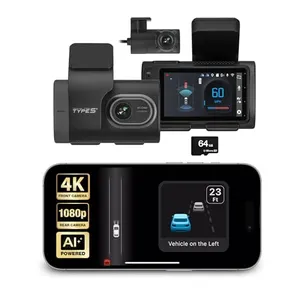 |
Type S T400 AI-Powered 4K Dash Cam – $249.99 Cruise robotaxis relied on a roof-mounted stack of cameras and radar for object and pedestrian detection; this dash cam brings a scaled-down version of that same AI-powered collision-warning tech to a car you already own.
|
How Cruise Robotaxis Actually Worked
Every Cruise vehicle carried a roof-mounted sensor array combining lidar (which bounces laser pulses off surrounding objects to build a 3D map), radar (which tracks the speed and distance of other vehicles), and multiple cameras covering a full 360-degree view. An onboard computer fused all of that data in real time to identify pedestrians, cyclists, traffic signals, and other cars, then decided how to steer, brake, and accelerate without any input from a person inside the vehicle.
This is the same broad category of technology that other companies were racing to perfect, and the question of who actually invented driverless cars traces back through decades of research that Cruise, Waymo, and several university labs all built on. Cruise was never the only player testing robotaxis in San Francisco, either; Waymo ran a competing service in the same city, and a full look at how many driverless cars operate in San Francisco today shows just how much that landscape has shifted since Cruise pulled out.
Because the service was geofenced, a Cruise vehicle would only operate driverlessly inside a mapped area the company had extensively tested and validated with high-resolution maps. Take it outside that boundary and it simply would not run in driverless mode.
Why GM Shut Down the Cruise Robotaxi Business
Cruise’s downfall traces back to a single, serious incident. On October 2, 2023, a pedestrian in San Francisco was struck by a different, human-driven car, thrown into the path of a Cruise robotaxi, and then dragged roughly 20 feet as the Cruise vehicle attempted to pull over. The person survived but was seriously injured. Within weeks, California regulators suspended Cruise’s permit to operate driverless vehicles in the state, and Cruise voluntarily paused its entire fleet nationwide.
The fallout compounded from there. Here is the timeline of what followed:
| Date | What Happened |
|---|---|
| Oct 2, 2023 | Pedestrian dragged by a Cruise vehicle in San Francisco; California suspends Cruise’s driverless permit days later |
| Nov 6, 2023 | Cruise halts production of the purpose-built Origin robotaxi amid the suspended operations |
| Throughout 2024 | GM cuts roughly half of Cruise’s workforce, about 900 jobs, as it scales the business back |
| Jul 23, 2024 | Cruise formally abandons the Origin robotaxi altogether, taking a $583 million charge |
| Dec 10, 2024 | GM announces it will stop funding Cruise’s robotaxi business entirely and refocus on personal-vehicle autonomy |
| Feb 2025 | GM buys out Cruise’s remaining minority owners, including Honda, to take full ownership and wind the company down |
| 2025–2026 | The standalone Cruise brand is retired; remaining engineers and technology are folded into GM’s Super Cruise driver-assistance team |
GM CEO Mary Barra said at the time that launching and operating a robotaxi business would require far more capital and time than the roughly 10 billion dollars GM had already spent. Cruise’s exit also rippled outward: Microsoft, which had invested in Cruise in 2021, took an $800 million impairment charge as a direct result of GM’s decision to shut the business down.
Is Cruise Still Around in 2026? What Replaced It
Cruise, as a robotaxi company, does not exist anymore. GM retired the brand and folded its remaining engineers and self-driving expertise into its existing driver-assistance division, Super Cruise, which is built into personal vehicles you actually buy rather than a ride-hailing fleet. GM had also briefly used a separate “Ultra Cruise” name for a more advanced tier of the same technology; that name was dropped, and everything now sits under the single Super Cruise umbrella for clarity.
Super Cruise itself is having a strong 2026. GM reports more than 500,000 Super Cruise-enabled vehicles now on the road, roughly double the number from a year earlier, with more than 60 percent of eligible owners actively using it every month. By April 2026, GM said customers had logged over 1 billion hands-free miles across nearly 750,000 equipped vehicles spanning 23 models. The 2026 model year update added Google Maps integration and automatic hands-free engagement on more mapped roads.
GM has also rehired a number of former Cruise engineers for a new, much more cautious autonomy program focused on personal vehicles rather than robotaxis. As of 2026, more than 200 development vehicles are running supervised “eyes-off” testing on limited-access highways in California and Michigan. GM’s stated target is to bring true eyes-off driving to the Cadillac Escalade IQ in 2028.
| Cruise (Robotaxi) | Super Cruise (Personal ADAS) | |
|---|---|---|
| Status in 2026 | Discontinued, brand retired | Active, expanding to more vehicles yearly |
| Who uses it | Paying robotaxi passengers, no driver | Owners of eligible GM vehicles |
| Autonomy level | SAE Level 4 (driverless within geofence) | SAE Level 2 (hands-free, driver must stay attentive) |
| Vehicle | Modified Chevrolet Bolt EV, canceled Origin shuttle | Owned by the driver: Cadillac, Chevrolet, GMC, Buick models |
Cruise Car vs. Cruise Control: Two Completely Different Things
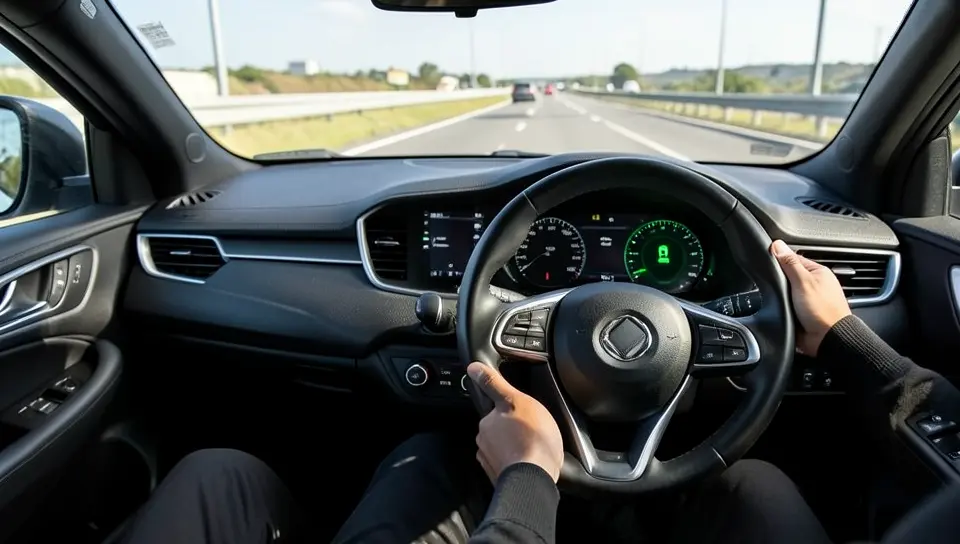
A lot of the confusion around this term comes from a coincidence of naming. Cruise control has nothing to do with the Cruise robotaxi company. It is a much older, much simpler feature that automatically holds a set speed without the driver pressing the accelerator, first offered on the 1958 Chrysler Imperial and now standard on nearly every car sold. If you want the full breakdown of that feature specifically, our guide on what speed control (cruise control) actually does in a car covers how it works and how it differs from adaptive cruise control, which adjusts your speed automatically to keep distance from the car ahead.
GM’s own Super Cruise brand borrows that same “cruise” language from traditional cruise control, but it is a separate, far more advanced hands-free driver-assistance system, and it is not related to the Cruise company by name origin. If you are shopping for a vehicle with this kind of feature today, it is also worth checking whether a specific model actually includes it; our look at whether the BMW X3 comes with adaptive cruise control is a good example of how much this varies by trim and automaker.
Frequently Asked Questions
What Is a Cruise Car?
It is not a car model at all. “Cruise” was the name of General Motors driverless robotaxi company, which operated modified Chevrolet Bolt EVs as self-driving taxis in cities like San Francisco, Austin, and Phoenix before GM shut the business down in December 2024.
Is Cruise Still a Company in 2026?
No. GM bought out Cruise’s remaining minority owners in early 2025 and retired the Cruise brand entirely. Its remaining engineers and technology were absorbed into GM’s Super Cruise driver-assistance division, which focuses on personal vehicles instead of robotaxi service.
Can You Buy a Cruise Car?
No, and you never could. Cruise never sold vehicles to the public; it only offered paid, driverless ride-hailing trips, similar to Uber or Lyft but with no human driver. That service is no longer running anywhere.
What Happened to the Cruise Origin Robotaxi?
The Origin was a purpose-built, steering-wheel-free shuttle Cruise developed with Honda. Production was paused in November 2023 after Cruise’s operations were suspended, and Cruise formally abandoned the vehicle in July 2024, taking a $583 million write-down. It was never sold or put into regular service.
Is Cruise the Same as Waymo or Tesla Full Self-Driving?
No. Waymo, owned by Google’s parent company Alphabet, is a separate robotaxi operator that is still actively running paid driverless rides in several U.S. cities as of 2026. Tesla’s Full Self-Driving is a driver-assistance feature sold on personal Tesla vehicles that still requires an attentive driver; it is a different technology and business model from what Cruise operated.
Does GM Super Cruise Mean the Cruise Company Still Exists?
Not as a separate company. Super Cruise is GM’s own hands-free driver-assistance brand for personal vehicles, and it now includes some of the engineering talent and lidar-and-camera expertise Cruise built up. But Super Cruise is a GM product line, not the reincarnated Cruise robotaxi business.
Conclusion
A cruise car was never something you could shop for at a dealership. It was General Motors self-driving robotaxi business, built on a fleet of sensor-covered Chevrolet Bolt EVs that carried paying passengers with no driver at all, until a serious accident, mounting costs, and years of regulatory scrutiny led GM to shut the whole thing down between 2023 and 2025.
What survives in 2026 is not Cruise the company, but the lessons and engineers it left behind, now folded into Super Cruise, GM’s hands-free driver-assistance system for the personal vehicles people actually buy and drive themselves.
Products related to this article
Sponsored / affiliate links. As an Amazon Associate I earn from qualifying purchases. I may earn additional commission from eligible campaigns.