Is Dodge Viper a Muscle Car? Proven Essential
Yes, the Dodge Viper is widely considered a modern muscle car. It embodies the spirit of American muscle cars with its huge V10 engine, rear-wheel drive, and aggressive styling, offering raw power and a thrilling driving experience that aligns with the muscle car ethos.
Ever wondered if that roaring beast on the street, the Dodge Viper, fits into the classic “muscle car” category? It’s a question that sparks debate among car enthusiasts, and for good reason! The Viper has a unique personality – built for speed, with a look that screams power. If you’re curious about where this iconic car stands and what truly defines a muscle car, you’ve come to the right place. We’ll break it down in a way that’s easy to understand, no complicated jargon needed. Get ready to discover the essential reasons why the Dodge Viper earns its spot in the muscle car discussion!
What Exactly is a Muscle Car?
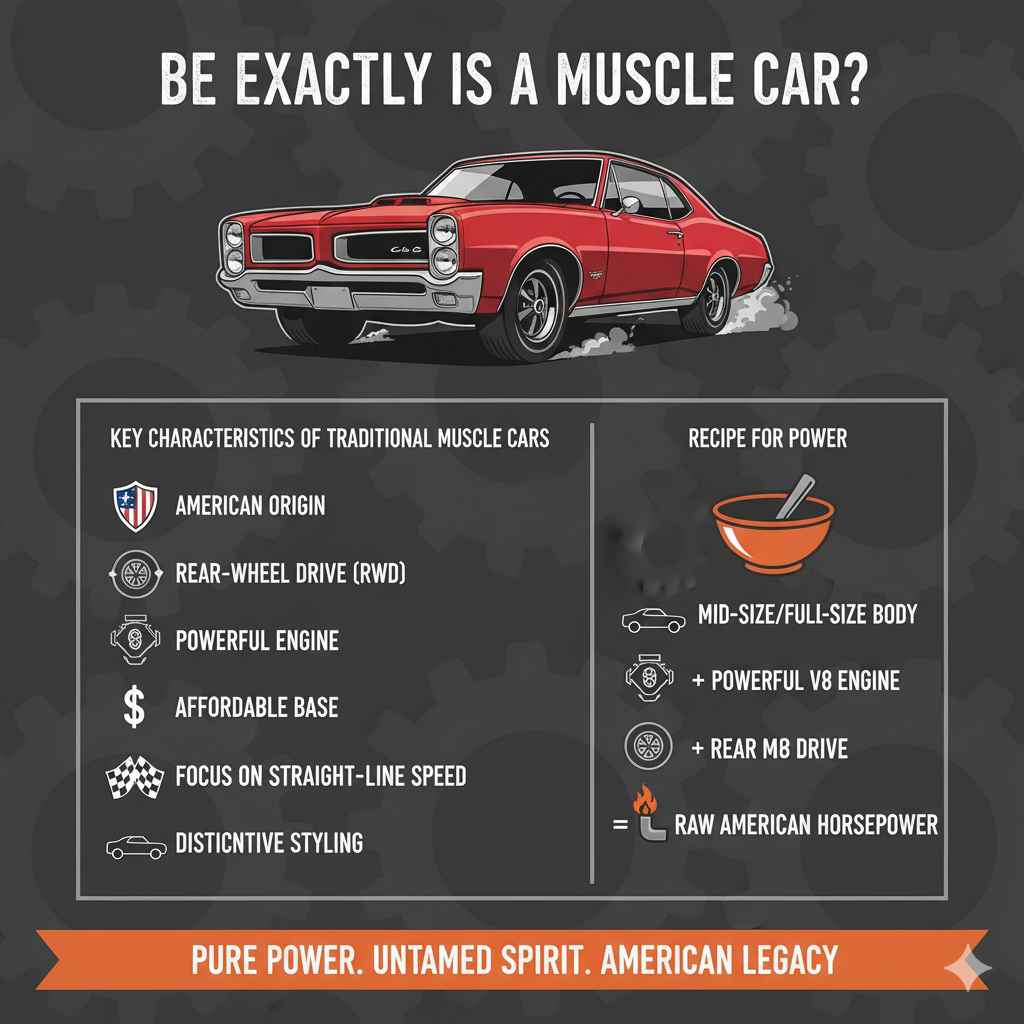
Before we dive into the Viper specifically, let’s set the stage. What makes a car a “muscle car”? Think of it as a recipe with key ingredients. Originally, muscle cars emerged in the 1960s and early 1970s. They were typically American-made, rear-wheel-drive vehicles that packed a powerful V8 engine into a mid-size or full-size body. The focus was on straight-line acceleration – pure, unadulterated power for the common driver.
These cars weren’t about delicate handling or fuel efficiency. They were about raw horsepower, a thundering exhaust note, and a sense of untamed energy. Think of cars like the Ford Mustang, Chevrolet Camaro, Dodge Charger, and the Pontiac GTO. They captured the spirit of performance and freedom in a way that resonated with a generation.
Key Characteristics of Traditional Muscle Cars:
- American Origin: Most were produced by Detroit’s Big Three automakers (GM, Ford, Chrysler).
- Rear-Wheel Drive (RWD): Essential for that classic power delivery.
- Powerful Engine: Typically a V8 engine, often a large-displacement one, prioritizing horsepower.
- Affordable Base: Often built on a standard production car chassis, making them relatively accessible.
- Focus on Straight-Line Speed: Designed for drag racing and exhilarating acceleration.
- Distinctive Styling: Aggressive looks, often with hood scoops and bold lines.
The Dodge Viper: A Modern Interpretation
Now, let’s bring in the Dodge Viper. When it was introduced in the early 1990s, the automotive landscape was different. Sports cars were becoming more sophisticated, but the Viper arrived with a different philosophy – a throwback to raw, unapologetic American performance. It was loud, it was fast, and it was undeniably thrilling.
Designed from the ground up as a halo car for Dodge, the Viper was never intended to be subtle. It was meant to turn heads and deliver an extreme driving experience. This ethos aligns perfectly with the spirit of the original muscle cars, even if its engineering and design lean towards a more modern sports car platform.
Comparing the Viper to Muscle Car Traits
Let’s see how the Dodge Viper stacks up against the core elements of a muscle car:
Engine Powerhouse
This is where the Viper truly shines and makes a strong case for being a muscle car. Instead of a V8, the Viper famously featured an enormous V10 engine. Initially a 8.0-liter unit, it grew over generations to 8.4 liters, producing well over 400 horsepower in its early forms and eventually exceeding 600 horsepower in later SRT and Dodge iterations. This massive displacement and output are hallmarks of the muscle car tradition, which prioritizes brute force.
Drivetrain and Handling
Like its classic predecessors, the Dodge Viper is exclusively rear-wheel drive. This is crucial for delivering its immense power to the pavement and is a defining characteristic of muscle cars. While early Vipers were known for their challenging handling – demanding driver skill to keep them in check – later generations refined this, though the focus remained on raw, engaging performance rather than outright track refinement like some European sports cars. The Viper’s handling, while capable, always prioritized a visceral connection between the driver and the road, much like muscle cars of old.
Body Style and Design
The Viper’s design is pure aggression. Its long hood, short deck, wide stance, and aggressive lines are reminiscent of classic muscle cars. While sports car elements are present, the Viper’s sheer size and imposing presence lean heavily into the bold, attention-grabbing aesthetic that muscle cars are known for. It’s not trying to be sleek and understated; it’s trying to be powerful and dominant.
Purpose and Performance
The primary goal of the Viper has always been exhilarating performance, particularly in a straight line and through spirited driving. It was built to accelerate hard and deliver a thrilling, almost overwhelming, sensory experience. This direct focus on tire-smoking, pavement-punishing power is the very essence of the muscle car concept. While it can handle corners, its heart beats for raw velocity.
The “Sports Car” vs. “Muscle Car” Debate
Where the Viper sometimes causes confusion is its price point and its two-seat configuration. Traditional muscle cars were often built on affordable, mass-produced platforms, making them accessible. The Viper, on the other hand, was a niche, more expensive performance machine from its inception.
Many would argue that its exclusivity and design make it more of a “sports car” or even a “supercar” by some definitions. However, the lines have blurred significantly over the decades. The term “modern muscle car” has emerged to describe vehicles that embody the spirit of the originals but incorporate more advanced technology and performance capabilities. The Viper fits perfectly into this evolving definition.
Modern Muscle Cars vs. Traditional Muscle Cars
Here’s a table highlighting some differences and similarities:
| Feature | Traditional Muscle Car (e.g., 1960s Camaro) | Modern Muscle Car (e.g., Dodge Viper) |
|---|---|---|
| Era | Primarily 1960s – early 1970s | 1990s – Present |
| Engine Type | V8 (common), large displacement | V8 or V10 (Viper), large displacement, often more powerful |
| Drivetrain | Rear-Wheel Drive (RWD) | Rear-Wheel Drive (RWD) |
| Body Style | Mid-size to full-size coupes, sedans, convertibles | Often 2-door coupes, sedans (e.g., Challenger, Mustang), or dedicated sports coupes (Viper) |
| Performance Focus | Straight-line acceleration, raw power | Both straight-line acceleration and improved handling, advanced technology |
| Price Point | Relatively affordable base | Generally higher performance/niche pricing |
| Driver Aids | Minimal to none | More advanced driver aids (ABS, Stability Control) but often de-emphasized in performance models |
The Dodge Viper, with its V10 engine, potent RWD platform, and aggressive styling, clearly aligns with the muscle car philosophy of delivering immense power and a thrilling driving experience. While it might have a more refined chassis and higher performance ceiling than its 1960s ancestors, its core spirit is undeniably muscle.
Evolution of the Dodge Viper
The Dodge Viper’s journey from its debut in 1992 to its final production year in 2017 saw significant evolution, but its core identity remained remarkably consistent. Each generation pushed the boundaries of performance and reinforced its “modern muscle” status.
First Generation (1992-1995)
Born from the “Project Viper” initiative, the original Viper RT/10 was a raw, open-top roadster. It featured the iconic 8.0-liter V10 engine producing 400 horsepower. It had no driver aids like ABS or traction control, making it a challenging and exhilarating machine to drive. Its direct, unfiltered connection to the road was its defining characteristic.
Second Generation (1996-2002)
This generation saw the introduction of the GTS coupe, adding a more aerodynamic and refined (relatively speaking) body style. The V10 engine was further developed, increasing horsepower to 450 hp. While still incredibly potent and demanding, improvements in suspension and chassis tuning made it slightly more manageable, though still a beast.
Third Generation (2003-2006)
Engine displacement grew to 8.3 liters, pushing horsepower to 500 hp (SRT-10 Roadster and Coupe). The chassis was redesigned, and the overall look became even more aggressive. This generation continued to lean into the extreme performance aspect, solidifying its reputation.
Fourth Generation (2008-2010)
The engine was enlarged again to 8.4 liters, now producing 600 hp. This generation also saw some enhanced safety features and further refinement of the chassis, making it the most potent and arguably the most “complete” Viper yet, while still retaining its hardcore character.
Fifth Generation (2013-2017)
The final generation brought the Viper into a new era with a more sophisticated platform, significantly improved interior, and advanced aerodynamics. The 8.4-liter V10 was still the heart, producing over 640 hp. Despite the technological advancements and improved handling, Dodge emphasized that it remained a pure, driver-focused machine, a true successor to the muscle car legacy.
Why the Viper is More Than Just a Sports Car
While the Viper certainly possesses many attributes of a sports car – a two-seat configuration, powerful engine, and agile handling – its soul is deeply rooted in the muscle car tradition. Here’s why:
- The V10 Heartbeat: The sheer size and power of the V10 engine are central to its identity. It’s an engine built for outrageous power, a trait synonymous with American muscle.
- American Spirit: The Viper was conceived and built in America with a distinctly American approach to performance – big engine, rear-wheel-drive, and unapologetic styling.
- Brutish Power Delivery: Unlike some sports cars that offer smooth, linear power, the Viper’s power delivery is often described as brutal and immediate. It demands respect and rewards skilled driving.
- Aggressive Aesthetics: The Viper’s design is not subtle. It’s bold, muscular, and intended to intimidate. This visual presence is a key component of the muscle car persona.
- Focus on Driver Engagement: Even with advancements, the Viper prioritized a raw, involving driving experience over sterile perfection. This direct connection is a cornerstone of the muscle car appeal.
Consider the sentiment expressed by Dodge when discussing the Viper. Phrases like “pure, unadulterated performance” and “ultimate American exotic sports car” are common. While “exotic” might suggest something beyond muscle, the “ultimate American performance” aspect firmly places it within a lineage that includes muscle cars. It represents the evolution of that raw power into a more focused, high-performance package.
The “Why It Matters” for Car Enthusiasts
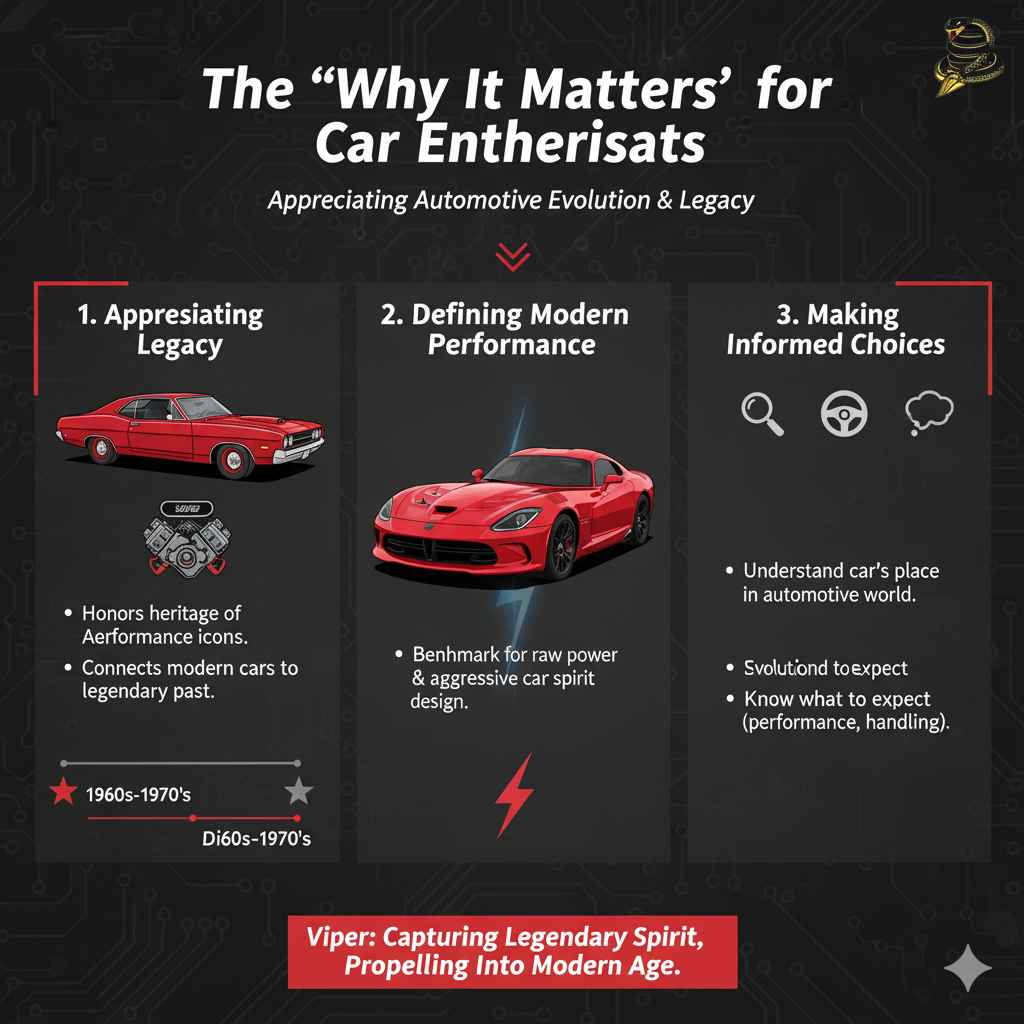
Understanding whether the Dodge Viper is a muscle car helps us appreciate the diversity and evolution of automotive performance. It shows how the spirit of an era can be reinterpreted and modernized. For enthusiasts, it means:
- Appreciating Legacy: Recognizing the Viper as part of the muscle car lineage honors the heritage of American performance icons.
- Defining Modern Performance: The Viper is a benchmark for how raw power and aggressive design continue to influence automotive creation today.
- Making Informed Choices: Whether you’re buying, admiring, or just talking cars, this classification helps you understand its place in the automotive world and what to expect from it.
The automotive world is constantly celebrating innovation, but also the enduring spirit of iconic vehicles. The Viper, with its thunderous V10 and ferocious performance, embodies that spirit. It’s a car that captures the essence of what made muscle cars legendary and propels it into the modern age.
Frequently Asked Questions about the Dodge Viper and Muscle Cars
Is the Dodge Viper a true American muscle car?
Yes, the Dodge Viper is widely considered a modern American muscle car. It embodies the core muscle car philosophy with its powerful American V10 engine, rear-wheel drive, and focus on exhilarating performance and aggressive styling.
What distinguishes a muscle car from a sports car?
Traditionally, muscle cars were American-made, RWD, V8-powered sedans or coupes focused on straight-line acceleration. Sports cars are generally designed for balanced performance, including handling and braking, often with more sophisticated engineering and a wider range of engine types and layouts.
Why does the Viper’s V10 engine make it a muscle car?
The sheer size, displacement, and raw power output of the Viper’s V10 engine are central to its identity. This emphasis on massive, brute force is a hallmark of the muscle car ethos, which prioritizes horsepower above all else.
Was the Viper affordable like traditional muscle cars?
No, the Viper was never an affordable car in the way traditional muscle cars were built on economical platforms. It was a specialized, higher-priced performance machine from its inception, more in line with exotic sports cars but with a distinct American muscle spirit.
Did the Viper have advanced technology like modern sports cars?
While early Vipers were famously stripped down and lacked driver aids, later generations incorporated more advanced technologies such as ABS and traction control. However, its core design and dominant power delivery still leaned heavily on the raw, engaging experience characteristic of muscle cars.
Is the Dodge Viper more of a sports car or a muscle car?
It’s best described as a modern muscle car that also pushes into the supercar territory due to its performance envelope and price. It takes the muscle car spirit of raw power and American bravado and elevates it with more advanced engineering and higher performance capabilities.
What makes the Viper’s design “muscular”?
The Viper’s design is characterized by its long hood, wide stance from being a two-seater, aggressive proportions, and imposing road presence. This bold, assertive styling is a direct nod to the visual language of classic American muscle cars.
Conclusion
So, to put it simply: is the Dodge Viper a muscle car? The answer is a resounding yes, especially when we consider the evolution of the term into “modern muscle.” It carries the torch of American performance with its phenomenal V10 engine, rear-wheel-drive setup, and undeniably aggressive character. While it might share some traits with exotic sports cars, its heart beats with the raw, untamed power and bold spirit that defined American muscle cars of the past. The Viper is a powerful testament to how that iconic performance philosophy can be reimagined for a new era, offering a thrilling, visceral driving experience that continues to captivate enthusiasts.