Is It Bad to Rev Your Car in Park? What to Know About Engines
Figuring out if something is harmful to your car can be tricky, especially when you’re just starting out. Questions about your car’s engine can feel a little intimidating, and that’s perfectly okay. Lots of new drivers wonder about things like, Is It Bad to Rev Your Car in Park? What to Know. Don’t worry, it’s a common question, and you’re not alone! This post will explore this in a simple way, step by step, so you can learn without feeling lost. We’ll be looking at what’s really happening inside your car’s engine when you rev it, and why this matters. Let’s explore what you need to know!
What Happens When You Rev an Engine in Park?
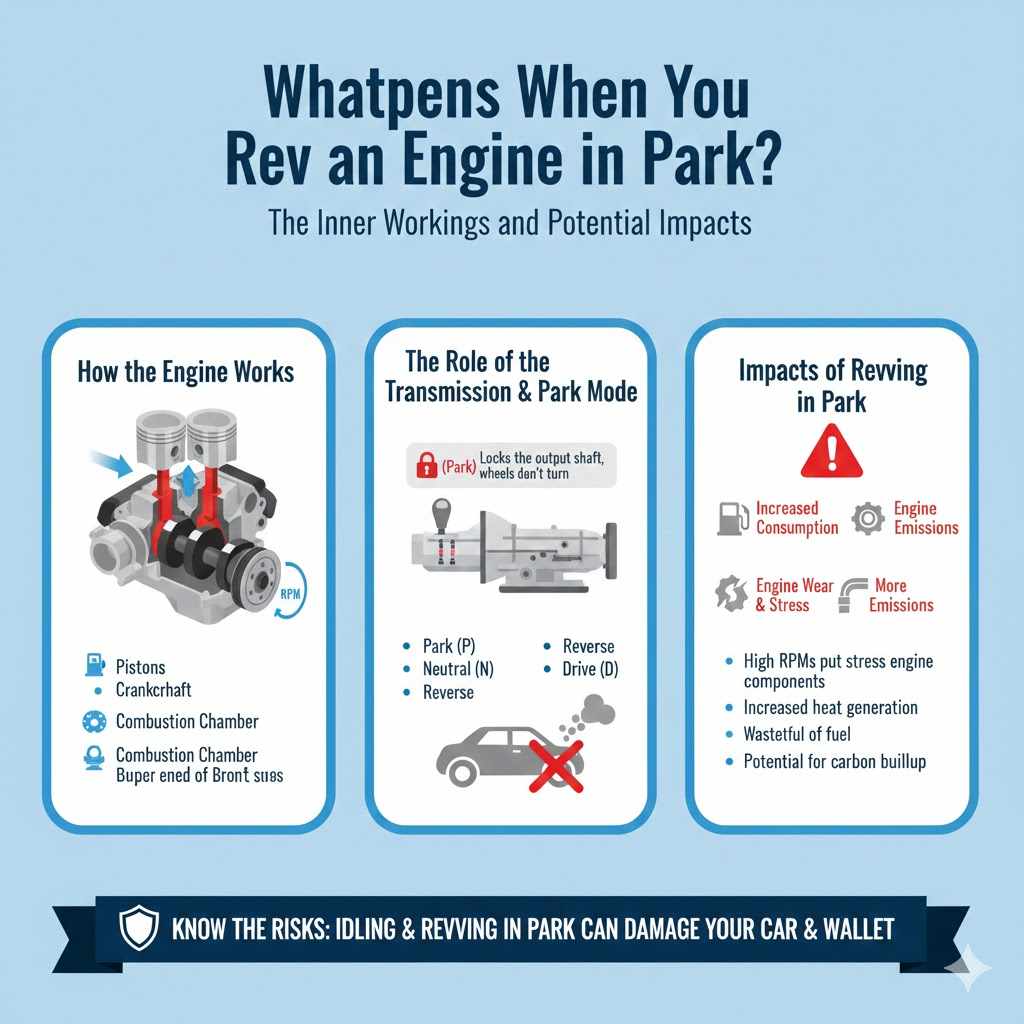
When you rev an engine while your car is in park, you’re increasing the engine’s RPMs, or Revolutions Per Minute. This means the engine’s internal components, like the pistons and crankshaft, are spinning faster than normal. Think of it like a spinning top: the faster it spins, the more energy it uses. While doing this in park won’t immediately cause an explosion, it does put extra stress on the engine and its related systems. It’s important to know the potential impacts of revving, from increased fuel consumption to possible long-term wear and tear.
How the Engine Works Briefly Explained
An engine is the heart of your car. It works by burning fuel and air to create energy. This energy moves the pistons up and down inside the cylinders. These up-and-down motions turn the crankshaft, which then spins the wheels, making the car move. The faster the crankshaft spins, the faster your car can go, and the higher the RPM. When you rev the engine, you’re telling the engine to burn more fuel and air quickly, causing the internal parts to move faster. Regular, rapid changes in RPM can eventually take a toll on components, depending on factors such as engine design and driving style.
- Pistons: These are metal cylinders that move up and down inside the engine’s cylinders. They are connected to the crankshaft and play a key role in converting the energy from combustion into mechanical movement. The faster the pistons move, the more power the engine produces.
- Crankshaft: This is a rotating shaft that converts the up-and-down motion of the pistons into rotational movement. It’s essential for transferring power to the transmission and, eventually, the wheels. The crankshaft’s speed is measured in RPM.
- Combustion Chamber: This is where the fuel and air mixture is ignited. The resulting explosion pushes the pistons down. The combustion chamber’s design is critical for engine efficiency and performance.
The Role of the Transmission and Park Mode
The transmission is a gear system that allows the engine’s power to be transferred to the wheels at various speeds. When the car is in park, the transmission locks the output shaft, preventing the wheels from turning. This keeps the car from rolling away when parked. Revving the engine in park does not directly affect the transmission in the same way it does when driving, but it still puts extra stress on the engine components. The transmission’s park mode ensures the car stays stationary, even when the engine is running.
- Park (P): Locks the transmission output shaft, preventing the wheels from rotating. The car remains stationary.
- Neutral (N): Disconnects the engine from the wheels. The car can roll freely.
- Drive (D): Engages the transmission to power the wheels forward.
- Reverse (R): Engages the transmission to move the car backward.
The Potential Problems from Revving in Park
While revving your car in park might seem harmless, it can cause problems over time. One main problem is increased wear and tear on engine parts. The faster the engine runs, the more its components are stressed. This can lead to decreased engine life. Another issue is increased fuel consumption. Revving uses more fuel since the engine is working harder. There are also environmental concerns since more pollution is released. Over time, excessive revving can cause more wear and tear.
Excessive Wear and Tear on Engine Components
The engine has many moving parts, and revving it in park can speed up their wear and tear. Parts like the pistons, crankshaft, and valves are stressed when the engine runs at high RPMs. This can lead to premature failure of these components, which would require costly repairs. When you rev the engine, the internal parts undergo a lot of friction and pressure. If this happens often, parts can wear out sooner than they should.
- Increased Friction: When the engine operates at high RPMs, the parts rub together with more force, creating increased friction. This friction generates heat and causes components to wear down over time.
- Oil Degradation: The oil that lubricates engine components gets hotter when the engine revs. Heat degrades the oil, reducing its ability to protect the engine. This can lead to increased wear and tear.
- Stress on Valves: Valves control the flow of fuel and air into the engine. Revving the engine rapidly causes the valves to open and close more quickly, potentially causing them to wear faster.
- Cooling System Strain: High RPMs generate more heat. The cooling system works harder to keep the engine from overheating, which can lead to stress on the radiator, water pump, and other cooling system components.
Increased Fuel Consumption and Environmental Impact
Revving the engine in park causes it to burn more fuel. This is because the engine has to work harder to maintain those higher RPMs. Burning more fuel not only costs more money, but it also increases the amount of harmful emissions released into the air. This can have a negative impact on the environment. Revving in park releases more carbon dioxide and other pollutants, adding to the problem of air pollution and potentially causing local pollution problems.
- Inefficient Combustion: When revving, the engine’s combustion process can be less efficient, leading to incomplete fuel burn. This results in more unburned fuel being released as pollutants.
- Increased Emissions: Higher fuel consumption leads to increased emissions of greenhouse gasses, such as carbon dioxide (CO2), which contribute to climate change.
- Catalytic Converter Strain: The catalytic converter, which reduces harmful emissions, may be overworked when the engine is revved. This can shorten its lifespan and increase the need for replacement.
- Environmental Regulations: Many areas have air quality regulations to reduce vehicle emissions. Excessive revving in park can violate these regulations.
Is It Bad to Rev Your Car in Park? What to Know About Situations to Avoid
There are some situations where you should definitely avoid revving your car in park. A common one is when you’re showing off or trying to make your car sound cool. This might seem fun, but it can put unnecessary stress on the engine. Also, avoid revving in park if the engine is already experiencing problems like strange noises or warning lights. These issues could be made worse. Be smart with your car, and avoid revving it unless it’s genuinely needed.
When to Definitely Avoid Revving
There are a few times when revving your car in park is really not a good idea. For instance, if you’re trying to show off or make your car sound loud, you’re putting your engine through a lot of strain. Also, if you notice any strange noises, like knocking or ticking sounds, or if warning lights pop up on your dashboard, that’s a red flag. Revving in these situations can make any existing problems worse and may even cause lasting damage. It’s always best to be cautious with your car.
- Showing Off or Impressing Others: Revving to make the car sound louder is unnecessary and puts extra stress on the engine. It’s often associated with irresponsible driving habits.
- Ignoring Warning Lights: If the check engine light or any other warning light is on, there’s likely an underlying issue. Revving the engine in this condition can exacerbate the problem.
- Mechanical Issues: If the engine is already making strange noises (knocking, ticking, or squealing), revving can worsen the damage. A qualified mechanic should check the engine for any problems.
- Cold Engine: Revving a cold engine is more damaging than revving a warmed-up engine because the oil hasn’t reached its optimum lubricating properties.
Common Scenarios Where Revving in Park Might Happen
- Warm-Up: Some people rev their cars in park to warm the engine faster, especially on a cold day. While this might seem helpful, it is not the most efficient way to warm up your car. It can increase wear and tear on the engine.
- Troubleshooting: A driver might rev the engine to diagnose a problem, such as a rough idle or stalling. Revving the engine while diagnosing a problem might seem logical, but it often does more harm than good and can potentially misdirect the mechanic during diagnosis.
- Maintenance Checks: Some owners rev the engine while checking for leaks or unusual noises. This can sometimes be a part of a standard diagnostic procedure, but it has to be performed by a professional.
- Idle Problems: If the car is idling roughly, sometimes the driver might try to rev the engine to see if it smooths out. This action often makes the situation worse and may hide the symptoms of the underlying problem.
Alternatives and Best Practices
Instead of revving your car in park, there are better things you can do. Regularly check and change your car’s oil, as clean oil is important for keeping your engine healthy. Also, warm up your car properly by driving gently for the first few minutes after starting. Avoiding revving is a better practice. These actions help keep your car running smoothly and extend its lifespan.
Regular Maintenance and Care
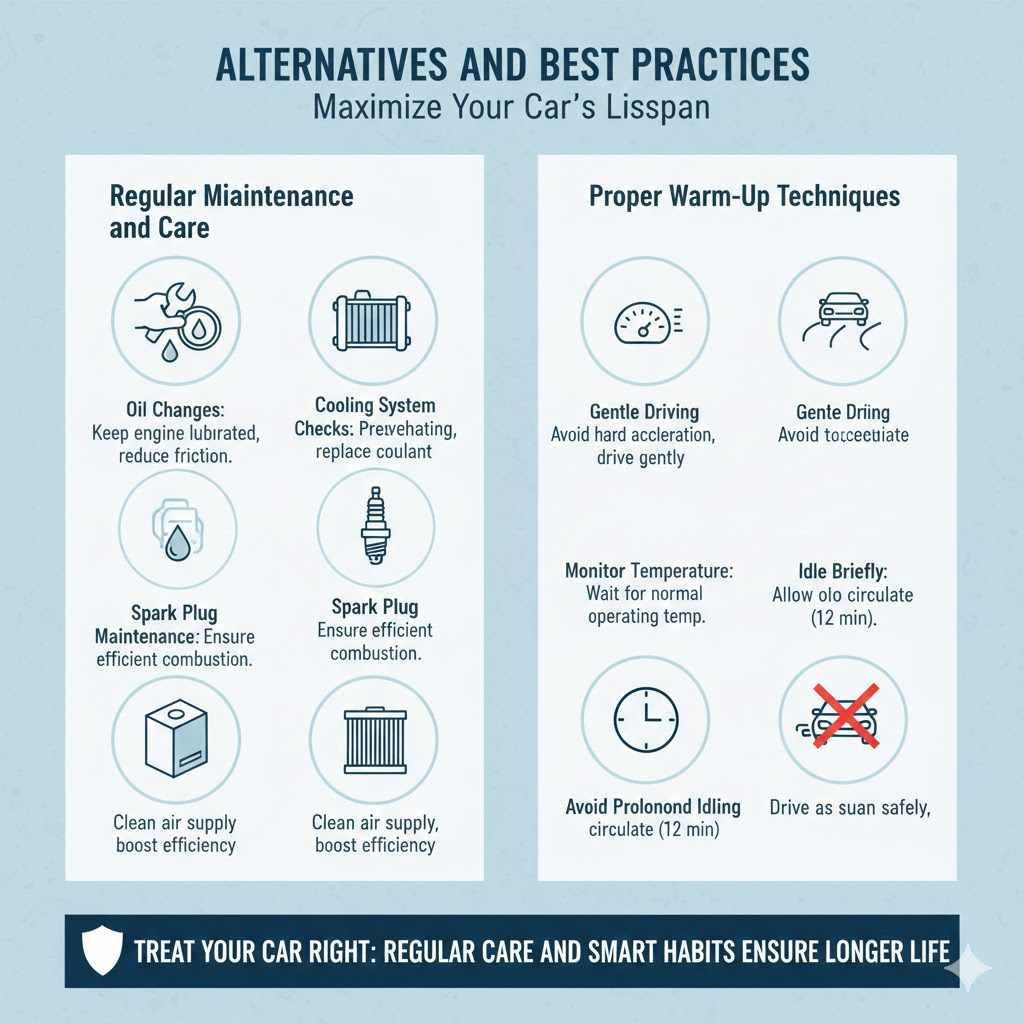
Regular car maintenance can significantly extend the life of your engine and help prevent problems. Key steps include changing the engine oil and filter at the recommended intervals, checking and replacing spark plugs as needed, and keeping the cooling system in good condition. These actions are very important for the health of your car’s engine. Good maintenance means a well-running, reliable vehicle.
- Oil Changes: Regular oil changes are essential to keep your engine well-lubricated. Clean oil reduces friction and wear on engine parts. Choose the correct oil grade and filter.
- Cooling System Checks: Inspect the coolant level and check for leaks. A properly functioning cooling system prevents overheating. Replace the coolant at the recommended intervals.
- Spark Plug Maintenance: Replace spark plugs at the recommended intervals to ensure efficient combustion. This improves fuel economy and engine performance.
- Air Filter Replacements: Keep the air filter clean to ensure the engine gets a sufficient supply of clean air. This boosts efficiency and reduces emissions.
Proper Warm-Up Techniques
Rather than revving the engine to warm it up, there’s a better way to treat your car. Start the engine and drive gently for the first few minutes. This allows the engine oil to circulate and lubricate the components properly. Avoid aggressive acceleration and high speeds until the engine has reached its operating temperature. This is good for the engine and can also improve fuel efficiency. Proper warm-up helps reduce wear and tear and increases engine life.
- Gentle Driving: Start driving soon after starting the car. Avoid hard acceleration and high RPMs for the first few minutes until the engine is warmed up.
- Let It Idle Briefly: Allow the engine to idle for a minute or two after starting. This allows the oil to circulate properly before driving.
- Monitor Temperature Gauges: Watch the engine temperature gauge to ensure the engine reaches its normal operating temperature. Don’t push the engine hard until it reaches this point.
- Avoid Prolonged Idling: Excessive idling can lead to increased fuel consumption. Drive the car as soon as it’s safe to do so.
| Factor | Revving in Park | Proper Warm-Up |
|---|---|---|
| Engine Wear | Increased wear and tear due to high RPMs and friction. | Reduced wear and tear due to proper oil circulation and gradual temperature increase. |
| Fuel Consumption | High fuel consumption due to the engine operating at high RPMs. | Lower fuel consumption as the engine reaches normal operating temperature more efficiently. |
| Emissions | Higher emissions due to less efficient combustion and increased fuel consumption. | Lower emissions due to more efficient combustion and proper engine operation. |
| Engine Life | Shorter engine life due to increased stress on components. | Extended engine life through better lubrication and efficient operation. |
Frequently Asked Questions
Question: Does revving in park hurt my car right away?
Answer: It’s unlikely to cause immediate damage, but frequent revving in park can contribute to long-term wear and tear.
Question: Is revving my car in park okay if I only do it sometimes?
Answer: While occasional revving is probably not catastrophic, it’s still best to avoid it. Frequent or prolonged revving is more likely to cause issues.
Question: Can revving in park cause my engine to overheat?
Answer: Revving in park can put extra strain on the cooling system, and potentially contribute to overheating if the system has pre-existing issues.
Question: What’s the best way to warm up my car in the winter?
Answer: Start your car and drive it gently for the first few minutes. Avoid revving the engine and let it gradually warm up while you drive.
Question: How often should I get my car’s oil changed?
Answer: Check your car’s manual for recommended oil change intervals, usually based on mileage or time, and stick to that schedule.
Final Thoughts
So, Is It Bad to Rev Your Car in Park? What to Know? Revving your car in park isn’t a great habit, even if it seems harmless at first. While it may not cause immediate problems, it puts extra strain on your engine and can lead to potential issues like increased wear and tear, higher fuel consumption, and more pollution over time.
By taking care of your car through regular maintenance and using proper warm-up techniques, you can help extend its life and save money. Try to avoid revving in park, and instead, focus on gentle driving and good maintenance practices. This way, you can keep your car running smoothly for longer!