Is It Dumb To Buy A New Car? Essential Guide
Buying a new car is a big decision, and whether it’s “dumb” depends entirely on your personal situation. For some, the upfront cost and rapid depreciation make it a poor financial choice. For others, the peace of mind, latest tech, and warranty offer invaluable benefits. This guide will help you weigh the pros and cons to make the smartest choice for you.
Thinking about buying a new car? It’s a question many of us ponder. The shiny new vehicle, the latest features, that new car smell – it’s exciting! But then reality hits. The price tag can be a shock, and you might hear friends or family say, “Oh, you’re losing money the second you drive it off the lot!” That feeling of financial worry is completely normal. It’s easy to feel overwhelmed by the numbers.
But here’s the good news: deciding whether buying new is the right move for you doesn’t have to be complicated. We’re going to break it all down, step by step. We’ll look at the real costs, the hidden benefits, and what makes a car “smart” for your wallet and your life. By the end, you’ll feel much more confident in making a choice that feels right and makes sense.
Understanding Car Depreciation: The Big Picture
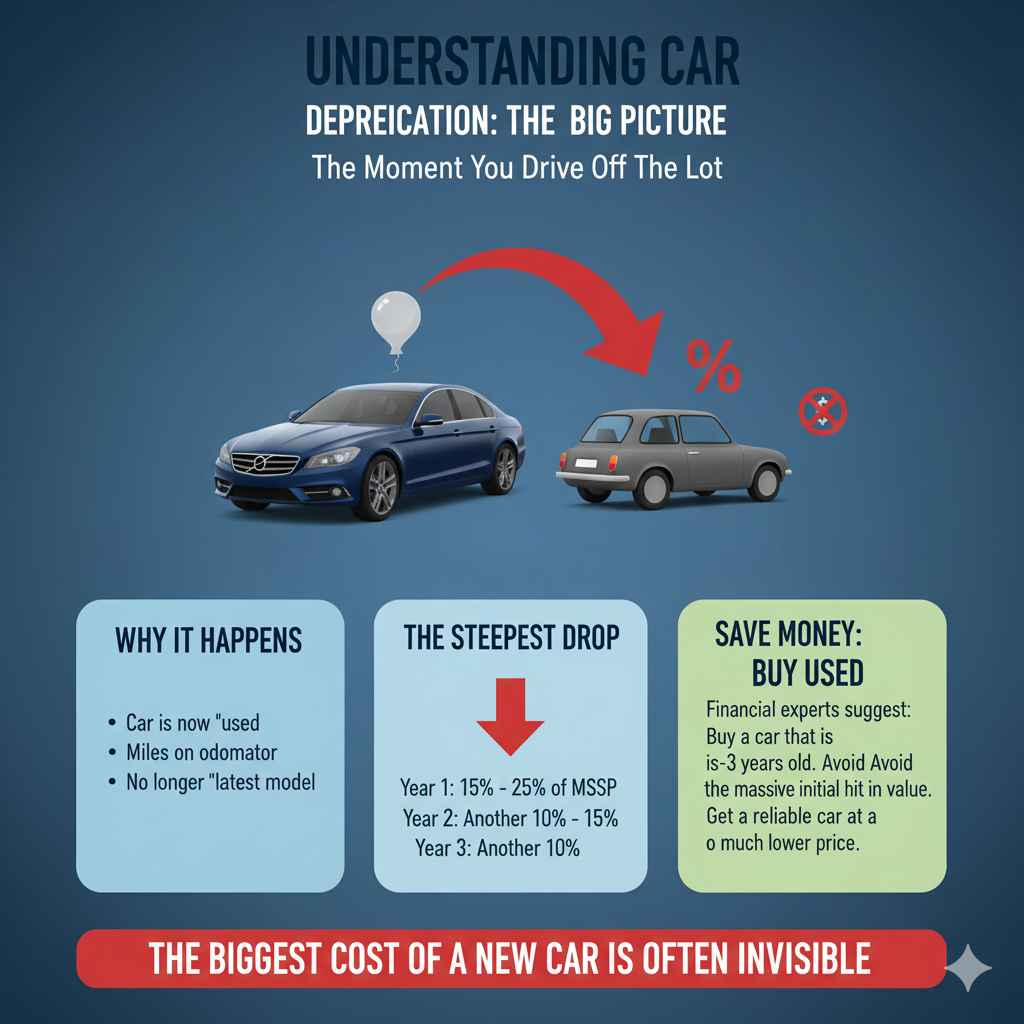
One of the biggest reasons people question buying new is depreciation. Think of it like a balloon losing air. The moment you drive a brand-new car off the dealership lot, its value starts to drop. This is normal for most cars, but it happens fastest in the first few years.
Why does this happen? Well, the car has now been “used.” There’s a slight scratch you don’t see, a few miles on the odometer, and it’s no longer the “latest model” once the next year’s version comes out. So, while you paid a premium for that new car smell and untouched interior, its market value has already decreased.
For those focused purely on saving money, this rapid drop can seem like throwing money away. It’s a significant part of the cost of owning a new car. Let’s look at how it typically plays out:
| Year | Depreciation (Approximate) |
|---|---|
| Year 1 | 15% – 25% of MSRP |
| Year 2 | Another 10% – 15% |
| Year 3 | Another 10% |
As you can see, the steepest drop happens in the first year. This is why many financial experts suggest buying a car that is 1-3 years old to avoid that initial, massive hit in value. You get a car that’s still relatively new, often with plenty of life left, but at a much lower price.
The Real Costs of a New Car Beyond the Sticker Price
When we talk about buying a new car, it’s not just the price you pay at the dealership. There are other expenses to consider:
- Higher Insurance Premiums: Newer, more valuable cars often cost more to insure. Insurance companies factor in the replacement cost if the car is stolen or totaled.
- Sales Tax: You’ll pay sales tax on the full purchase price or the financed amount, which can add a substantial sum to your overall cost.
- Registration Fees: In many states, registration fees are higher for newer, more expensive vehicles.
- Dealership Fees and Add-ons: Be aware of documentation fees, delivery charges, paint protection, extended warranties (sometimes offered aggressively), and other add-ons that can inflate the final bill. Always ask what these are for and if they are negotiable or necessary.
It’s important to get quotes for insurance and check your local registration fees before you even start looking at cars. This gives you a clearer picture of the total financial commitment.
Why Buying New Might Actually Be Smart for You
Okay, we’ve covered the downsides. But owning a brand-new car isn’t necessarily “dumb.” There are some really compelling reasons why it could be the right choice for your circumstances. Sometimes, the benefits outweigh the financial hit of depreciation.
Peace of Mind and Reliability
This is a huge one for many people. When you buy new, you know:
- The car has never been in an accident.
- All parts are brand-new and haven’t been overused.
- It’s unlikely to have hidden mechanical issues from previous owners.
This significantly reduces the stress and worry about unexpected breakdowns or expensive repairs popping up soon after you buy it. For many, especially those who rely heavily on their car for work or family, this reliability is priceless.
Manufacturer’s Warranty
New cars come with comprehensive warranties from the manufacturer. These typically cover:
- Bumper-to-Bumper Warranty: Usually covers most components for 3 years or 36,000 miles (whichever comes first).
- Powertrain Warranty: Covers the engine, transmission, and drivetrain for a longer period, often 5 years or 60,000 miles, sometimes even up to 10 years or 100,000 miles for specific components.
This means that if something goes wrong with a covered part, the manufacturer pays for the repair. This can save you thousands of dollars in potential repair bills. It’s a safety net that provides incredible financial security.
Latest Technology and Safety Features
New cars are always at the forefront of automotive innovation. You’ll find:
- Advanced Infotainment Systems: Seamless smartphone integration (Apple CarPlay, Android Auto), larger touchscreens, built-in navigation, and voice commands.
- Cutting-Edge Safety Features: Automatic emergency braking, lane departure warning, blind-spot monitoring, adaptive cruise control, 360-degree cameras, and more. These features not only add convenience but can also prevent accidents, keeping you and your loved ones safer.
- Improved Fuel Efficiency and Performance: Newer engines are often more efficient, saving you money at the pump. They also tend to offer smoother rides and better handling.
- Environmental Friendliness: Newer vehicles often meet stricter emissions standards, meaning they’re better for the environment.
If having the latest gadgets, feeling secure with advanced safety systems, and enjoying the most efficient drive are high on your priority list, then buying new makes a lot of sense.
Customization and Choice
When you buy new, you get exactly what you want. You can choose the specific trim level, color, interior options, and any factory-installed packages. You’re not settling for someone else’s choices. You order it, or pick it from the lot exactly as you envisioned.
That “New Car Feeling”
Let’s be honest, there’s an undeniable psychological benefit to driving a brand-new car. It’s yours, it’s perfect, and it has a certain prestige that comes with being the first owner. For some, this feeling is worth the extra cost.
When Buying Used Makes More Financial Sense
As we’ve seen, depreciation is the main enemy of new car buyers. If your primary goal is to maximize your savings and minimize financial loss, buying used is almost always the smarter route.
Avoiding the Steepest Depreciation
Buying a car that’s 2-3 years old allows someone else to take that initial, large depreciation hit for you. You can often find a car that’s only had one or two owners, has very low mileage, and is still in excellent condition for significantly less than its original price. This is where the real car-buying savings are often found.
Lower Insurance and Registration Costs
Generally, older cars have lower insurance premiums and registration fees because their market value is lower. This translates to ongoing savings throughout your ownership.
Less Stress About Minor Blemishes
If you’re worried about the first scratch or ding on a new car, buying used can ease that anxiety. A minor mark on a used car is less of a financial blow and easier to accept.
Certified Pre-Owned (CPO) Vehicles: The Best of Both Worlds?
Certified Pre-Owned vehicles offer a great middle ground. These are used cars that have been inspected by the manufacturer’s standards, refurbished if necessary, and come with an extended warranty from the manufacturer. They typically cost more than a standard used car but less than new, and they offer a good balance of savings and peace of mind.
To qualify as CPO, vehicles usually undergo a rigorous inspection. For example, Lexus Certified Pre-Owned vehicles must pass a 161-point inspection, and their warranty extends the original coverage. This process ensures you’re getting a high-quality used car with added assurances, similar to what you’d get with a new car, but at a used car price point.
Used Car Considerations
When buying used, diligence is key:
- Vehicle History Report: Always get a report (like CarFax or AutoCheck) to check for accidents, title issues, and maintenance history.
- Pre-Purchase Inspection (PPI): Pay an independent mechanic to inspect the car before you buy it. This can uncover hidden problems the seller might not know about or disclose. This small investment can save you from major repair bills down the road.
- Maintenance Records: Look for cars with complete service records. Regular maintenance is a strong indicator of a well-cared-for vehicle.
Analyzing Your Personal Situation: The Smart Way to Decide
So, is it “dumb” to buy a new car? Not necessarily. The decision boils down to your individual priorities, financial situation, and lifestyle. Here are some questions to ask yourself:
1. What is your budget?
Can you comfortably afford the higher monthly payments, insurance, and potential fees of a new car? Or would stretching your budget for a new car leave you feeling financially strained, anxious about unexpected expenses, or unable to save for other important goals?
2. How important is long-term reliability and peace of mind?
Are you someone who prefers to avoid the possibility of unexpected repairs at all costs and values the security a warranty provides? Or are you comfortable with the occasional minor repair and have a reliable mechanic you trust?
3. How long do you plan to keep the car?
If you plan to keep a car for 7-10 years or more, the initial depreciation hit becomes less significant. You’ll have the benefit of owning a car that’s new to you for a long time, and it will likely be considerably depreciated by the time you sell it anyway. If you tend to trade cars every 2-4 years, buying new is almost always a financially poor choice.
4. What are your technology and safety needs?
Do you absolutely need the latest driver-assistance systems, the newest infotainment, or the most fuel-efficient engine available? Or are reliable basic functions sufficient for your needs?
5. What is your tolerance for risk?
Buying a new car carries less risk of immediate mechanical failure. Buying used carries a higher risk of needing repairs sooner, but at a lower purchase price.
6. What are your driving habits?
If you drive a lot of miles annually, a newer car with a good warranty might protect you from high repair costs. However, you’ll also rack up miles on a car that depreciates faster.
New vs. Used: A Quick Comparison Table
To help you visualize, here’s a comparison:
| Feature | New Car | Used Car (3-5 years old) | Certified Pre-Owned (CPO) |
|---|---|---|---|
| Initial Cost | Highest | Lowest | Middle |
| Depreciation Hit | Largest (first few years) | Already Happened (significantly less) | Less than new, more than standard used |
| Warranty | Full Manufacturer Warranty | Limited or None (unless extended purchased) | Extended Manufacturer Warranty |
| Reliability/Peace of Mind | Highest | Variable (depends on history/inspection) | High (due to inspection and warranty) |
| Latest Technology/Safety | Available | May be a few generations behind | Often includes many modern features |
| Insurance/Registration | Highest | Lowest | Middle |
| Customization | Full choice | Limited to available inventory | Limited to available inventory |
Making the Smart Choice for You
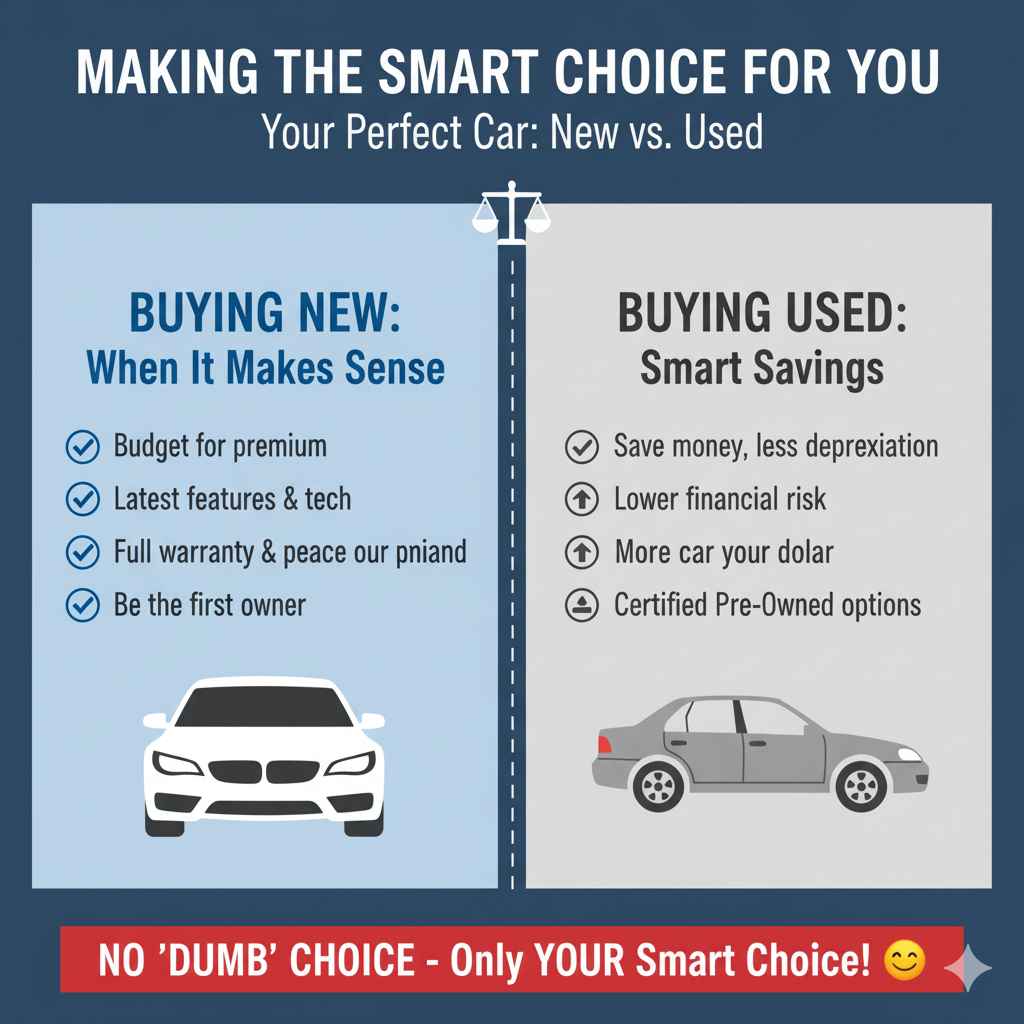
Ultimately, the decision isn’t about whether it’s “dumb” to buy a new car in general, but whether it’s the right financial and practical move for your specific needs. If you have the budget, value the latest features, prioritize maximum warranty coverage, and love the idea of being the first owner, then buying new can be a perfectly sensible and even joyful decision. You’re paying for that premium experience, peace of mind, and access to the newest automotive advances.
However, if your priority is saving money, minimizing financial risk from depreciation, and getting the most car for your dollar, then exploring the used car market, especially Certified Pre-Owned vehicles, will likely be a much wiser path. You can often get a fantastic vehicle that’s only a few years old, has many modern features, and has already taken its biggest depreciation hit, saving you thousands.
Don’t let anyone tell you there’s only one “right” way to buy a car. Take your time, do your research, be honest about your budget and priorities, and choose the path that makes you feel confident and secure. That’s the smartest choice of all.
Frequently Asked Questions (FAQ)
Q1: Is buying a new car always a bad financial decision?
Not always. While new cars depreciate quickly, the peace of mind, warranty coverage, latest safety and technology features, and the “new car” experience can be worth the cost for some buyers, especially if they plan to keep the car for many years.
Q2: How much value does a new car lose in the first year?
A new car can lose 15% to 25% of its value in the first year alone. This depreciation is steepest when the car is brand new and continues, though at a slower rate, in subsequent years.
Q3: What are the main benefits of buying a used car compared to a new one?
The primary benefit is cost savings. You avoid the steepest depreciation, often pay less for insurance and registration, and can get more car for your money. Used cars also have less to lose in terms of value once purchased.
Q4: Should I consider a Certified Pre-Owned (CPO) vehicle?
Yes! CPO vehicles are a great middle ground. They are used cars that have been thoroughly inspected and refurbished by the manufacturer and come with an extended warranty, offering a good balance of savings and peace of mind compared to a standard used car or a brand-new one.
Q5: What is the most important thing to do when buying a used car?
The most crucial steps are to get a vehicle history report and, most importantly, have an independent mechanic perform a pre-purchase inspection (PPI). This helps uncover any hidden problems before you commit to buying.
Q6: How can I ensure I’m not overpaying for a new or used car?
Research the market value of the car you’re interested in (using resources like Kelley Blue Book or Edmunds). For new cars, negotiate the “out-the-door” price. For used cars, compare prices for similar vehicles in your area and factor in condition and mileage.
Q7: What are the hidden costs associated with buying a new car that I need to be aware of?
Beyond the sticker price, consider higher insurance premiums, increased registration fees in some areas, sales tax on the full price, and potential dealership fees or add-ons like extended warranties or paint protection, which may not always be necessary.
Conclusion
Deciding whether to buy a new car is a significant personal finance question. It’s not about whether it’s inherently “dumb,” but rather about whether it aligns with your individual financial goals, lifestyle needs, and personal priorities. The rapid depreciation of new cars is a undeniable reality that makes them a less attractive option for those purely focused on minimizing monetary loss.