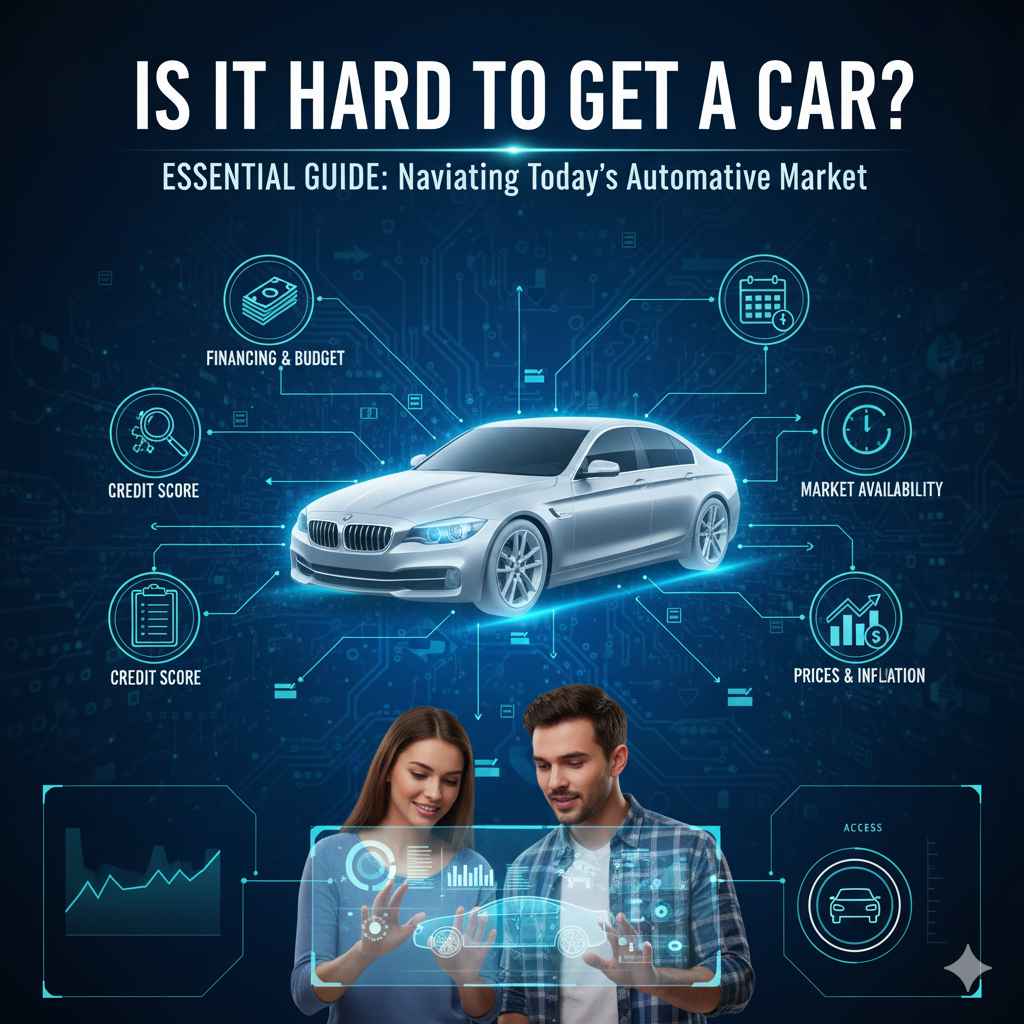
Is It Hard to Get a Car? Essential Guide
Is it hard to get a car? Thankfully, with today’s options, getting a car is more accessible than ever. While it has its steps, understanding the process, preparing your finances, and knowing your options make it manageable for most people. This guide will break it all down for you!
Thinking about getting a car can feel a bit overwhelming, especially if it’s your first time. You might wonder, “Is it hard to get a car?” The good news is, it’s usually not as complicated as it seems! Many people worry about credit scores, down payments, or simply choosing the right car. But with a little preparation and clear information, you can navigate the process smoothly. This guide is here to simplify everything, from finding the right car to driving it off the lot. Let’s make car ownership a reality for you!
Understanding the Car-Getting Journey
Getting a car involves several key stages. It’s like planning a trip: you need to know where you want to go, how you’ll get there, and what you need to pack. For a car, this means defining your needs, understanding your budget, and exploring your financing options. We’ll break down each of these crucial steps so you feel confident and prepared.
Step 1: Define Your Needs and Wants
Before you even start looking at cars, take a moment to think about what you truly need. This is the most important first step. Ask yourself some simple questions:
- What will you use the car for? Daily commuting? Weekend trips? Hauling gear?
- How many people will usually be in the car? This helps determine size.
- What kind of driving conditions do you face? City streets, highways, rough roads, snow?
- What’s your estimated annual mileage? This impacts fuel costs and maintenance.
- What features are essential? Safety features? Fuel efficiency? Technology?
- What’s your preferred body style? Sedan, SUV, truck, hatchback?
It’s also helpful to distinguish between “needs” (like reliability and safety) and “wants” (like a sunroof or premium sound system). Prioritizing your needs will help you stay focused and find a car that fits your lifestyle and budget best.
Step 2: Determine Your Budget
This is where practicality meets desire. Knowing how much you can comfortably afford is crucial. Don’t just think about the sticker price. Consider these ongoing costs:
- Car Payment: The monthly amount you’ll pay if you finance.
- Insurance: This can vary greatly depending on the car, your driving record, and your location. Get quotes early!
- Fuel: Estimate based on your expected mileage and the car’s fuel economy (MPG).
- Maintenance and Repairs: Older cars or certain makes may require more. Budget a monthly amount for this.
- Registration and Taxes: Annual fees to keep your car street-legal.
- Washing and Detailing: Keeping your car looking its best.
A good rule of thumb is to aim so that your total car expenses (payment, insurance, fuel) don’t exceed 15-20% of your monthly take-home pay. Online car affordability calculators can be a great tool here.
Step 3: Explore Your Financing Options
Most people finance their car purchases. Understanding your options before you shop can save you stress and money.
Car Loans
This is the most common way to pay for a car. You borrow money from a lender (like a bank, credit union, or dealership) and pay it back over time with interest.
- Interest Rate (APR): This is the cost of borrowing money. A lower APR means you pay less interest over the life of the loan.
- Loan Term: The length of time you have to pay back the loan (e.g., 36, 48, 60, or 72 months). Shorter terms mean higher monthly payments but less interest paid overall.
- Down Payment: An upfront cash payment you make. A larger down payment reduces the amount you need to borrow and can sometimes get you a better interest rate.
Leasing
Leasing means you’re essentially renting the car for a set period (usually 2-4 years). You pay for the car’s depreciation during that time, not its full value. This often results in lower monthly payments but you don’t own the car at the end of the lease.
- Pros of Leasing: Lower monthly payments, always driving a newer car, less commitment.
- Cons of Leasing: Mileage restrictions, wear-and-tear charges, no ownership equity, potential fees for ending early.
Paying Cash
If you have the funds saved, paying cash avoids interest charges and loan payments altogether. This is the simplest and often cheapest way to buy a car.
Step 4: Check Your Credit Score
Your credit score plays a big role in getting approved for a car loan and the interest rate you’ll receive. A higher score generally means better loan terms.
What is a good credit score for a car loan? While lenders have different standards, scores above 700 are generally considered good to excellent. If your score is lower, don’t despair! Many subprime lenders work with buyers who have less-than-perfect credit, though interest rates may be higher. You can get free credit reports from sites like AnnualCreditReport.com, which is run by the U.S. government.
Improving your credit: If your score isn’t where you want it, focus on paying bills on time, reducing debt, and checking for errors on your credit report.
New vs. Used Cars: A Key Decision
One of the first choices you’ll make is whether to buy a new or used car. Each has its own set of advantages and disadvantages that fit different needs and budgets.
Buying a New Car
Pros:
- Latest technology and safety features
- Full manufacturer warranty for peace of mind
- Customization options
- No prior wear and tear
- Often come with attractive financing deals
Cons:
- Higher purchase price
- Rapid depreciation (a new car loses value the moment you drive it off the lot)
- Higher insurance premiums
- Higher sales tax and registration fees
Buying a Used Car
Pros:
- Lower purchase price
- Less depreciation
- Lower insurance costs
- Potentially lower registration fees
- Wider variety of makes and models within a budget
Cons:
- May have wear and tear or hidden issues
- Warranty might be expired or limited
- May not have the latest features or safety technology
- Financing rates can sometimes be higher
- Requires more thorough inspection
For beginners, a certified pre-owned (CPO) vehicle can be a great middle ground. CPO cars are used vehicles that have been inspected, refurbished, and come with an extended warranty from the manufacturer. They offer much of the peace of mind of a new car at a lower price.
The Car Shopping Process: Where to Look and What to Do
Once you have a clearer idea of what you want and can afford, it’s time to shop! Knowing where to look and what questions to ask will make your experience much smoother.
Where to Shop
Dealerships (New & Used):
- Franchise Dealerships: Sell new cars of a specific brand (e.g., Ford, Toyota) and often have used cars too. They usually offer new-car warranties and service departments.
- Independent Dealerships: Sell only used cars. Quality can vary, so thorough research is important.
Online Retailers:
- Large Online Platforms: Companies like Carvana and Vroom offer a wide selection of used cars that can be purchased and delivered directly to your home. They often have a set price and a return policy.
Private Sellers:
- Individuals Selling Their Cars: You can find listings on sites like Craigslist, Facebook Marketplace, or enthusiast forums. Prices are often lower, but there’s no warranty, and you handle all the paperwork. This is best for experienced buyers.
What to Look For in a Car
When you’re at the dealership or meeting a private seller, keep these in mind:
- Exterior: Look for rust, dents, scratches, uneven panel gaps, and signs of accident repair. Check the tires for wear.
- Interior: Smell for mold, mildew, or smoke. Check for torn upholstery, cracked dashboard, and functionality of all buttons and electronics (windows, locks, radio, AC/heat).
- Engine Bay: Look for clean fluid levels (oil, coolant, brake fluid). No excessive leaks or corrosion.
- Test Drive: This is crucial! Listen for strange noises. Does it accelerate smoothly? Do the brakes feel strong? Does the steering pull to one side? Check all gears if it’s an automatic.
The Mechanical Inspection
Whether you’re buying new or used, especially from a private seller or independent dealer, it’s highly recommended to get a pre-purchase inspection (PPI) by an independent mechanic you trust. For a fee (typically $100-$200), they’ll give the car a thorough once-over. This can reveal hidden problems you might miss and can be a great negotiation tool.
Navigating Financing and Paperwork
Once you’ve found the right car, you’ll need to finalize the financing and complete the necessary paperwork. This can feel like the most daunting part for many, but it’s manageable if you know what to expect.
Securing a Loan
You can get pre-approved for a car loan from your bank or credit union before you go to the dealership. This gives you a benchmark interest rate and strengthens your negotiating position. You can then compare this offer to what the dealership offers. If the dealership can beat your pre-approved rate, great! If not, you have your secured financing.
Negotiating the Price
Don’t be afraid to negotiate, especially with new cars and at dealerships. Research the car’s invoice price (what the dealer paid) and market value. Be polite but firm. If you’re buying a used car, the condition and the results of your pre-purchase inspection can influence the price.
Understanding the Paperwork
There will be several documents to sign. Make sure you understand them all before signing:
- Bill of Sale or Purchase Agreement: Details the car, the price, and terms of sale.
- Loan Contract (if financing): Outlines the loan amount, interest rate (APR), term, and monthly payment.
- Title and Registration: The document proving ownership and registering the car with the state. The dealership usually handles this for you for new cars or used cars they sell.
- Warranty Documents: If applicable, these outline what is covered and for how long.
Beware of Add-ons: Dealerships may try to sell you extra services like extended warranties, gap insurance, or paint protection. While some might be useful, research them thoroughly and decide carefully. Often, you can get these cheaper elsewhere or don’t need them at all.
For more on the car buying process, including fair market values, check out resources like Edmunds or Kelley Blue Book.
Common Pitfalls to Avoid
Even with the best intentions, people can run into trouble. Being aware of common mistakes can help you steer clear of them.
- Ignoring the Total Cost: Focusing only on the monthly payment without considering insurance, fuel, and maintenance.
- Not Getting Pre-Approved: Walking into a dealership without knowing your loan options or rate.
- Skipping the Test Drive: Not properly assessing how the car drives and feels.
- Forgoing a Pre-Purchase Inspection: Assuming a car looks good means it has no underlying mechanical issues.
- Feeling Rushed: Letting a salesperson pressure you into making a decision quickly. Take your time!
- Not Reading the Fine Print: Signing documents without understanding all the terms and conditions.
A well-prepared buyer is a confident buyer. By taking these steps, you significantly reduce the chances of making a costly mistake.
FAQ: Your Car Buying Questions Answered
Here are some frequently asked questions to help you feel even more prepared:
Q1: Do I absolutely need perfect credit to get a car loan?
A1: No! While perfect credit helps you get the best rates, many lenders work with buyers who have fair or even poor credit. You might pay a higher interest rate, but there are options available. Getting pre-approved can show you what rates you qualify for.
Q2: How much of a down payment do I really need?
A2: While you can sometimes get a car loan with no down payment, it’s generally not recommended. A down payment of 10-20% can help reduce your loan amount, lower your monthly payments, decrease the interest you pay over time, and potentially get you a better interest rate.
Q3: What does “GAP insurance” mean, and do I need it?
A3: GAP (Guaranteed Asset Protection) insurance covers the difference between what you owe on your car loan and what your car is actually worth if it’s totaled or stolen. If you have a small down payment or owe more than the car is worth early in the loan, it can be very helpful protection. Your insurance agent or auto insurer can provide more details.
Q4: How can I ensure I’m not overpaying for a car?
A4: Research is key! Use online resources like Edmunds and Kelley Blue Book to find the fair market value of the car you’re interested in. Also, getting a pre-purchase inspection from an independent mechanic can reveal issues that might justify a lower price.
Q5: Is buying from an independent used car dealer riskier than a franchise dealer?
A5: It can be, but not always. Independent dealers might have lower overhead, potentially passing savings to you. However, their quality control can vary. Always do your homework on the dealer’s reputation, get a vehicle history report (like CarFax or AutoCheck), and always get a pre-purchase inspection.
Q6: What’s the difference between a car loan and a lease?
A6: A car loan means you borrow money to buy the car, and you own it once the loan is paid off. A lease is essentially a long-term rental; you pay to use the car for a set period (and mileage), and you return it at the end without owning it.
Q7: How long should I finance a car for?
A7: While longer terms (like 72 or 84 months) mean lower monthly payments, they also mean you pay significantly more in interest over the life of the loan and could be “upside down” (owe more than the car is worth) for a longer period. Shorter terms (48-60 months) are generally better if your budget allows.
Conclusion: Your Path to Car Ownership
So, is it hard to get a car? As you can see, it involves a series of manageable steps, and with a little research and preparation, it becomes much less intimidating. By defining your needs, setting a realistic budget, understanding your financing options, and doing your due diligence during the shopping and inspection process, you can confidently drive away in a car that’s perfect for you. Don’t let the complexity of the process deter you; break it down, ask questions, and trust the information you find. Your new set of keys is within reach!