How Can a Used Car Have 0 Miles? Proven Proof Guide
A used car can sometimes show very low or even zero miles if it was never titled, was stored with the odometer at zero, or if the mileage was reset on a replacement cluster, and the paperwork should match. Skip verification and you can overpay, buy a misdescribed car, or inherit title and warranty problems. This guide shows which records prove a zero-mile listing is legitimate and which gaps should stop the deal.
How can a used car have 0 miles?
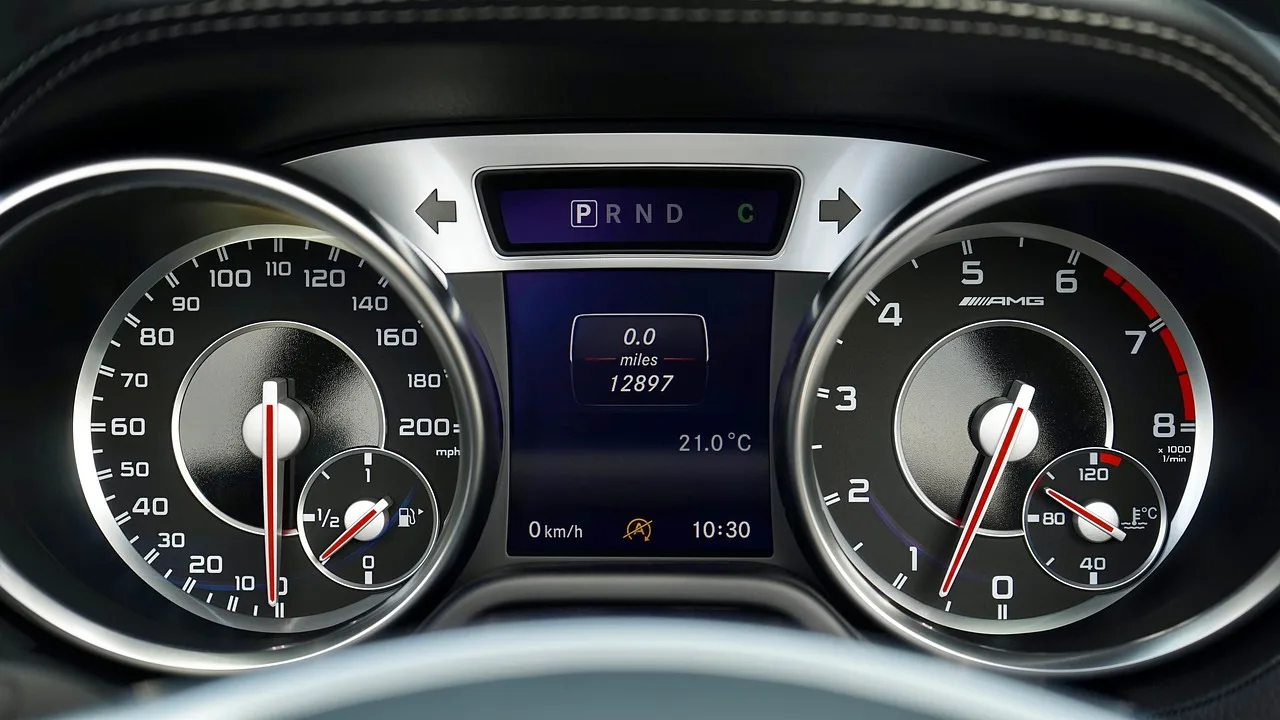
A used car can have 0 miles when the vehicle has had a prior retail-use event, but the odometer still shows almost nothing because it was moved by carrier, stored, or only driven for short internal trips. The number on the dash does not equal the car’s legal status.
The key point is simple: a zero reading does not prove a new-car sale. A car can be “used” after a first retail sale, a dealer demo assignment, a loaner assignment, or another prior-use event even if the odometer looks untouched. The paperwork decides the label, not the single digit on the display.
When does a car become used?
A car becomes used after a prior ownership or retail-use event, even if the mileage is near zero. The first retail sale is the main dividing line in many buying situations. Once a dealer, fleet operator, rental company, or other party has placed the vehicle into service, the vehicle may no longer qualify as new.
That is why classification can vary by jurisdiction. State and country rules may treat a demonstrator, service loaner, or dealer-assigned vehicle differently, especially if the car has never been privately titled. A shopper should not assume “0 miles” means “new” unless the title, disclosure, and retail status all line up.
Common legit reasons a used car shows 0 miles
Several ordinary dealer actions can leave the odometer at zero or near zero. Manufacturer and dealer transfers may be done by car carriers or tow trucks, which do not normally add mileage. Pre-delivery inspection drives are usually very brief and may add only a mile or two. Showroom movement can also keep the reading extremely low.
Say your compact SUV sits in a showroom for three weeks, gets rolled to a delivery bay, then is listed as used because it was assigned as a display unit. The odometer may still read 0 or 1. That is not automatic fraud. It is a paperwork question first.
Likewise, a vehicle moved to detailing or storage by tow truck may keep the odometer unchanged. A brand-new vehicle can arrive at the dealership with no road miles, then get a brief PDI and still show almost nothing. The number is small; the history may still matter.
Can a demo car or loaner be sold as used?
Yes. A demonstrator or service loaner can be sold as used because both have already been put into dealer business use, even when the odometer stays very low. Demonstrator vehicles are used for customer test drives. Service loaner cars are driven while customers’ own cars are being serviced. That prior use changes how the car is classified and priced.
Once a dealer assigns a vehicle to demo duty or loaner duty, the car is no longer sitting in pure new-stock condition. It may still have low mileage and strong remaining warranty coverage, but it is often sold as pre-owned later. The exact treatment depends on the paperwork and local rules.
Demonstrator vehicles
A demonstrator is typically dealer-used for customer test drives and short business trips. It may have minimal mileage, but those miles are real retail-use miles. If the dealer used the car for demos before the first retail sale, the vehicle may be sold as used even if the odometer is barely above zero.
That matters because demo use can change both price and expectations. The buyer should expect some discount for prior use, though the amount varies by market and trim. The warranty clock can also start earlier than a shopper assumes if the in-service date predates the sale.
Service loaner vehicles
Service loaner cars are used while customer vehicles are being serviced. They can have low mileage and still be pre-owned, because they were already in dealer service. A loaner with a few hundred miles is not the same thing as a never-assigned new car, even if it looks clean and still has factory plastic.
Loaners can be good values, but the buyer should verify the loaner designation, in-service date, and warranty start date. Those details can affect depreciation and remaining coverage. A loaner that was first put into service months earlier may have less warranty left than the listing suggests.
What paperwork should you check on a zero-mile listing?
Check the odometer disclosure, title brand, in-service date, prior-use designation, first retail sale date, warranty start date, and vehicle history report. Those documents tell you whether the car is a true new leftover, a demo, a loaner, a showroom unit, or a mislisted vehicle. The odometer alone cannot answer that.
A vehicle history report should generally show prior ownership, title status, registration events, and whether the odometer readings are consistent. If the listing says one thing and the history report says another, the dealer should be able to explain the gap in writing. If the explanation is vague, stop and ask for the source document.
Odometer disclosure and title brand
The odometer disclosure should match the listing and the vehicle itself. The title brand should show whether the car has been titled, registered, or designated in a way that changes its status. A clean title with a zero-mile disclosure is a normal starting point; a mismatch is a warning sign.
The simplest check is whether the listed mileage, signed disclosure, and title history tell the same story. If one says “new,” another says “used,” and a third says “demo,” the seller needs to explain which label controls in that jurisdiction and why.
In-service date, warranty start date, and prior-use designation
The in-service date and warranty start date can matter more than the odometer reading on a near-new vehicle. If the car was activated earlier as a demo, loaner, or display model, the warranty clock may have started before retail delivery. That can reduce remaining coverage even when the mileage is tiny.
Prior-use designation is especially important for EVs, fleet vehicles, and ex-rental cars. Those vehicles can show near-zero or very low mileage while still having been placed in service under a prior program. That history can affect resale value, financing terms, and how much of a discount is fair.
Vehicle history report and registration events
The history report should line up with the car’s story. Look for title changes, registration events, and any odometer consistency notes. If the car was moved through dealer inventory only, that may be fine. If the report shows an earlier retail, fleet, or rental event, the seller should not call it new.
Suppose a midsize EV shows very low miles on the dash but the history report shows an earlier fleet registration. That is not a mileage mystery. It is a classification issue, and the buyer should treat it as pre-owned unless the seller can document a different explanation.
Proof checklist: match the listing against the records
The safest way to handle a zero-mile listing is to compare each document against the others and look for one clear story. If the listing, disclosure, title, warranty, and history report all align, the car may be legitimate. If any of those records conflict, treat it as a red flag until explained in writing.
| Item to compare | What should match | Normal outcome | Red-flag outcome |
|---|---|---|---|
| Listing description | Year, trim, mileage, and status wording | “Used,” “demo,” or “loaner” matches supporting papers | Listing says “used” but papers say “new,” or vice versa |
| Odometer disclosure | Exact mileage and signed date | Zero or near-zero reading matches the dash and history | Disclosure mileage differs from the instrument panel or report |
| In-service date | First activation or dealer assignment date | Earlier date explains why warranty may have started already | No clear date, or a date that conflicts with “new” wording |
| Prior use type | Demo, loaner, showroom, fleet, rental, or retail sale | Use type is disclosed and consistent across documents | Use type is missing, altered, or described two different ways |
| Title brand | New, used, demo, fleet, salvage, or other brand | Title status supports the seller’s claim | Title shows prior ownership or a brand the listing omits |
| Warranty start date | Coverage start versus delivery date | Warranty clock makes sense for the prior use history | Warranty started long before the listed “new” or “unused” claim |
| Vehicle history report | Ownership, registration, and odometer events | No unexplained gaps or rollbacks | Missing events, conflicting mileage, or prior retail use not disclosed |
One-page verification checklist
- Compare the listing mileage with the odometer disclosure.
- Check whether the title has any brand or prior registration event.
- Find the in-service date and the warranty start date.
- Confirm the prior-use designation: demo, loaner, showroom, fleet, rental, or retail.
- Pull the vehicle history report and review odometer consistency.
- Ask the seller to explain any mismatch in writing.
- Walk away if the seller cannot document the car’s status cleanly.
How to spot odometer tampering or a bad listing
Odometer tampering is a concern, though rare. The warning sign is not “0 miles” by itself. The warning sign is a mismatch between the disclosure forms, the title, the history report, and the physical vehicle. If those records do not agree, the listing needs scrutiny.
Look for mileage that conflicts with history records, missing disclosure forms, or altered documents. Check for a VIN mismatch between the ad, the window sticker, and the paperwork. If the price looks too low for the trim and equipment, the seller may be hiding prior use or a title issue.
When to treat the listing as a walk-away
Walk away if the seller refuses to provide the odometer disclosure, the title information, or the history report. Walk away if the dealer cannot explain an earlier in-service date or a prior retail-use event. A clean explanation should be easy to document.
Also walk away if the seller says the car is “new” but the records show demo use, loaner use, or a prior registration. That is a status problem, not a bargain. The discount should reflect the real history, and the paperwork should say so.
How do state rules, depreciation, and fees affect a zero-mile used car?
State and country rules can change whether a near-zero-mile vehicle is sold as new, used, or demo. That means the same car can be labeled differently in different markets. You should verify the local classification, then judge the price, warranty, and fees against that status rather than against the odometer alone.
The financial tradeoffs matter. A zero-mile used listing should usually carry some discount versus a true new car, but the size of that discount depends on prior use, title status, and remaining warranty. Near-new used cars can also carry fees that narrow the gap, so compare the out-the-door number, not the headline price.
How this plays out in EVs, fleet vehicles, and ex-rental cars
EVs can be especially confusing because they may be transported and stored with very few miles, then assigned to demo or loaner service before sale. Fleet vehicles and ex-rental cars can also return to market with low mileage but a meaningful prior-use history. Those records should be treated as part of the value check.
A common first-timer mistake is seeing “0 miles” and assuming the car has never been assigned to any program. That is too fast. For these segments, the prior-use code, registration events, and warranty start date matter more than the dash reading alone.
Frequently asked questions
Is a 0-mile used car actually new?
Not always. “New” depends on first retail sale, title status, and prior use history. A zero-mile car can still be used if it was a demo, a loaner, a showroom display unit, or otherwise placed into service before retail delivery.
Can a dealership demo car be sold as used?
Yes. Demonstrator vehicles are used for customer test drives, so they are already in dealership use. Even with very low mileage, they may be sold as pre-owned, and the warranty start date can be earlier than a shopper expects.
Does transporting a car by truck add miles?
Not normally. Manufacturer and dealer transfers may be done by car carriers or tow trucks, and those moves generally do not add odometer miles. That is why a vehicle can arrive at a dealer and still show 0 or near-zero mileage.
What paperwork should I check on a 0-mile used car?
Check the odometer disclosure, title brand, in-service date, prior-use designation, first retail sale date, warranty start date, and vehicle history report. Those documents should tell one consistent story. If they do not, ask for corrections before you sign anything.
How do I know if the odometer was tampered with?
Compare the dash reading with the disclosure form, title history, and vehicle history report. Tampering is a concern, though rare, when mileage conflicts appear or documents look altered. A clean paper trail matters more than a low number on the instrument panel.
Are service loaner cars considered used even with low miles?
Yes. Service loaner cars are driven while customers’ own cars are being serviced, so they have already been used for dealer business. They can still be low-mile, but they are not the same as a never-assigned new car, and the price should reflect that.
What is a pre-delivery inspection drive on a car?
A pre-delivery inspection drive is a brief check before customer handoff. It is usually very short and may add only a mile or two on the odometer. That small amount of mileage does not by itself mean the listing is wrong or fraudulent.
Can a showroom car be listed as used with 0 miles?
Yes. Showroom display cars may be moved around within the dealership and can still be categorized as used if they were previously deployed. The important question is whether the listing, title, and prior-use records agree with that classification.
Products related to this article
Sponsored / affiliate links. As an Amazon Associate I earn from qualifying purchases. I may earn additional commission from eligible campaigns.