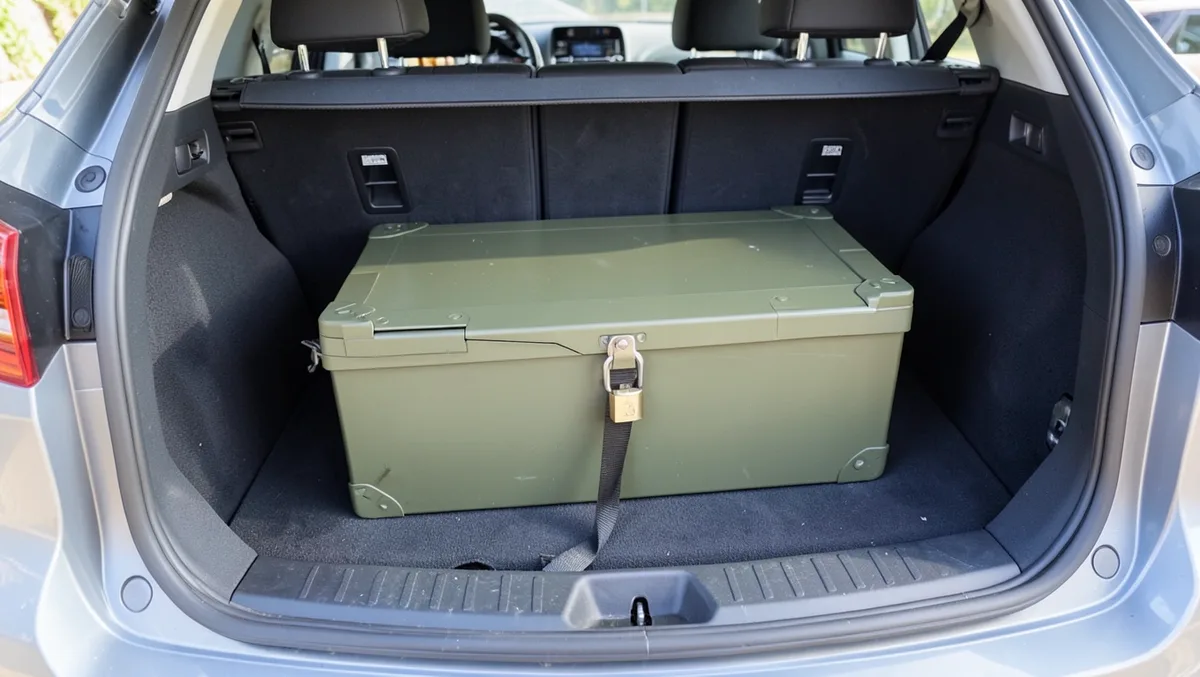
Is It Illegal to Carry Ammo in Your Car? State Laws Explained
No federal law makes it illegal to carry ammunition in your car. Under 18 U.S.C. § 926A, you can transport ammo between two places where you can legally possess it, as long as it stays locked and out of reach of the driver and passengers. The real complexity comes from state law: California requires a background check for every ammo purchase (a rule currently being fought over in the courts), New York and New Jersey require locked, separate storage, and several cities restrict certain ammo types outright.
This article explains the general legal landscape as of 2026. It is not legal advice, and ammunition laws can change or vary by city and county. Confirm current requirements with your state attorney general’s office, local police, or a licensed attorney before you travel.
What Federal Law Says About Carrying Ammo
BEST FOR LOCKED AMMO STORAGE
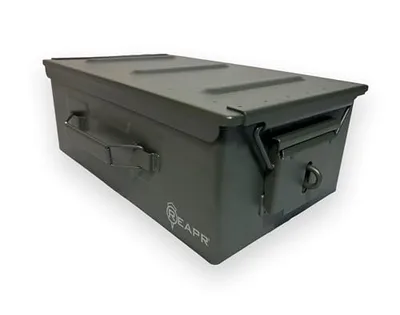 |
Reapr Steel Locking Ammo Can – $59.99 A steel, lockable can that meets the “locked metal container” storage rules described above in states like California and New York.
|
There is no federal law that bans carrying ammunition in your car. The federal government mostly regulates ammo in specific situations, like air travel or interstate commerce, rather than day-to-day driving. Agencies like the Bureau of Alcohol, Tobacco, Firearms and Explosives (ATF) set the rules on who can legally possess ammunition at all, but they do not dictate how you store it in your vehicle.
Federal law does ban certain people from possessing ammunition under 18 U.S.C. § 922(g), including convicted felons, people with domestic violence misdemeanor convictions, and anyone subject to a qualifying restraining order. If you fall into one of those categories, carrying ammo in your car is illegal regardless of what state you’re in. Some ammo types are also restricted for civilians nationwide: armor-piercing handgun ammunition has been banned for civilian purchase and use since the Law Enforcement Officers Protection Act of 1986.
For everyone else, federal law does not require a special permit or a specific storage method just to transport ammunition. That baseline is where state law takes over, and state rules vary widely.
How State Laws Make Things Complicated
Every state sets its own rules for carrying ammunition in a vehicle. Some states have almost no restrictions beyond federal law; others layer on permits, background checks, and mandatory locked storage. Here’s how a few of the most-searched states compare.
California: Tough Rules to Follow
California has some of the strictest ammunition laws in the country. Under Proposition 63, passed in 2016, buying ammunition in California generally requires passing a background check at the point of sale. Carrying ammo in your car is not illegal in California, but it comes with conditions.
Store ammunition in a locked container, such as a metal ammo can or a hard case, separate from any firearm. The trunk is the safest spot if your vehicle has one; in an SUV or hatchback, use a lockbox that isn’t reachable from the driver’s seat. California residents generally cannot bring in ammunition purchased out of state without having it shipped through a licensed vendor who runs a background check, though non-residents driving through are treated differently. Ammunition is also banned on school grounds, at government buildings, and at the State Capitol.
2026 update: California’s background-check requirement has been in active litigation for years in Rhode v. Bonta. A three-judge Ninth Circuit panel ruled against the law in mid-2025, but the full Ninth Circuit agreed to rehear the case, heard oral arguments in March 2026, and has not yet issued a decision. The background-check requirement remains fully in effect while that ruling is pending, so treat it as current law until a final decision changes it.
Texas: A Gun-Friendly State
Texas takes a much lighter approach. You can carry ammunition in your car without a permit, and there’s no state requirement to store it in a locked container. Keeping ammo separate from any firearm is still good practice, since it removes any question of whether a gun was “loaded” if you’re stopped.
Texas law requires you to tell a police officer if you’re carrying a handgun and you don’t hold a License to Carry, but ammunition alone doesn’t trigger that disclosure requirement. There’s no state limit on how much ammunition you can carry or what types you can carry, as long as the ammo itself is legal under federal law (so, no armor-piercing handgun rounds).
New York: Strict and Specific
New York imposes tighter controls than most states. Ammunition sellers must register with the State Police, and many purchases require a background check. When transporting ammunition, keep it in a locked container separate from any firearm, and don’t leave it visible on a seat, since that can draw extra attention during a traffic stop.
New York also bans magazines that hold more than 10 rounds and restricts certain ammo types, including armor-piercing rounds. These rules apply on top of the general federal restrictions covered above.
A Quick Look at Other States
Here’s a snapshot of ammo transport rules in a few other states:
| State | Key Ammo Transportation Rules |
|---|---|
| Illinois | Requires a Firearm Owner’s Identification (FOID) card to possess ammunition. Keep it in a locked box. |
| Massachusetts | Requires a firearm permit to possess ammunition; different license classes allow different ammo types. |
| New Jersey | Requires a firearms purchaser ID or handgun permit to buy ammunition. Store it locked and separate from any firearm. |
| Florida | No special storage rules for ammunition, but keeping it separate from firearms avoids confusion during a stop. |
This is a starting point, not a complete list. If you’re planning a road trip, check the specific ammunition laws for every state you’ll drive through before you leave — a state’s own attorney general or state police website is usually the most reliable source.
How to Store Ammo Safely in Your Car
Storing ammunition correctly keeps you legal, keeps it safe, and keeps it usable when you actually need it. A few practical guidelines apply almost everywhere:
- Use a Locked Container: A metal ammo can or a hard-sided lockbox satisfies most state storage requirements and protects the ammunition from moisture and impact.
- Keep It Separate: Store ammunition away from any firearm. If a gun is unloaded and locked in its own case, put the ammunition in a different container, ideally in the trunk.
- Keep It Out of Sight: Don’t leave ammunition boxes visible on the seats. Visible ammo can attract thieves and can make a stop with law enforcement more tense than it needs to be.
- Protect Against Moisture: Corrosion can affect how ammunition performs. Use a sealed container, or add silica gel packs in humid climates.
- Keep Quantities Reasonable: Most states don’t cap how much ammunition you can carry, but an unusually large quantity in an open vehicle can draw unwanted attention, even in permissive states like Texas.
Crossing State Lines with Ammo
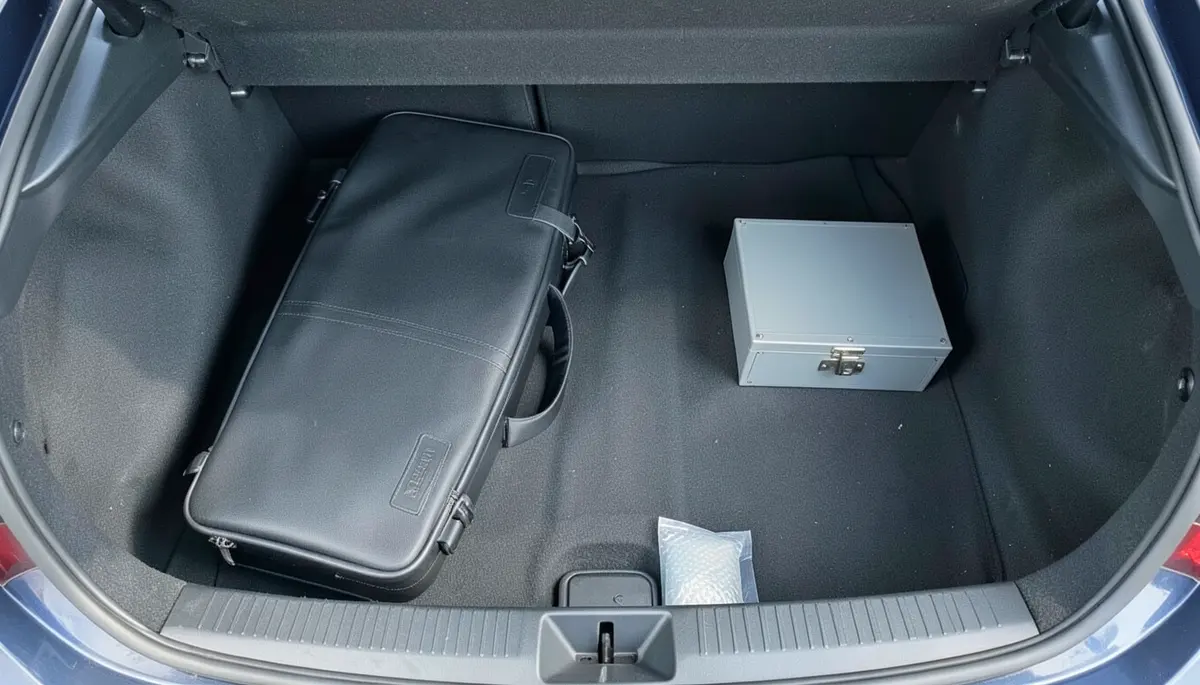
Road trips add another layer of complexity. The federal Firearm Owners’ Protection Act (FOPA), codified at 18 U.S.C. § 926A, protects you when transporting ammunition and firearms across state lines, as long as you’re moving from a place where possession is legal to another place where it’s legal, and the ammo and any firearm are locked, unloaded, and inaccessible from the passenger compartment — typically in the trunk.
The catch is that some states, including New York and New Jersey, treat the FOPA protection as an “affirmative defense” rather than an outright bar to arrest. That means you could still be detained or charged and have to prove in court that you met every condition of the law. Before a multi-state drive, check the ammunition laws for every state along your route — the ATF’s website and each state’s own government pages are good starting points.
Handling a Traffic Stop with Ammo in Your Car
Getting pulled over with ammunition in the car is not inherently a problem if it’s stored properly. A few habits make the stop go smoothly:
- Stay Calm: If your ammunition is stored correctly, there’s nothing to be alarmed about. Stay polite and let the officer lead the interaction.
- Know When to Speak Up: In states like Texas, you must tell the officer if you’re carrying a handgun without a License to Carry. Ammunition alone usually doesn’t require volunteering that information, but answer honestly if asked.
- Don’t Reach for Anything: Keep your hands visible on the steering wheel unless the officer asks you to retrieve something. Tell them where the ammunition is before you move toward it.
- Have Documentation Ready: In states like Illinois, carry your Firearm Owner’s Identification card, since it establishes that you’re allowed to possess ammunition.
Most officers are primarily concerned with safety, not with penalizing someone who is following the law. If you’re unsure whether something is legal in a given state, don’t guess — ask the officer for clarification or follow up with a lawyer afterward.
Who Can’t Carry Ammo?
Federal law under 18 U.S.C. § 922(g) bans certain people from possessing ammunition anywhere, including in a car, and most states enforce this the same way. If you fall into one of these categories, carrying ammunition is illegal with no exceptions:
- Convicted felons
- People with domestic violence misdemeanor convictions
- Anyone subject to a qualifying restraining order
- Minors (under 18 for long-gun ammunition, under 21 for handgun ammunition, in most states)
- Anyone found mentally incompetent by a court, or committed to a mental institution
An old conviction can carry consequences that aren’t always obvious. If there’s any doubt about your status as a “prohibited person,” confirm it with a lawyer before carrying ammunition rather than assuming it doesn’t apply to you.
Ammo Types to Avoid
Some ammunition types can create legal trouble even if your storage is otherwise compliant:
- Armor-Piercing Handgun Ammo: Illegal for civilians under federal law.
- Explosive Bullets: Banned in most states because of the danger they pose.
- Hollow-Point Ammo: Legal in most places, but check local rules — New Jersey restricts hollow-point ammunition in some circumstances.
- Tracer Rounds: Often restricted because of fire risk. Check state law before carrying them.
If you’re unsure whether a specific type of ammunition is legal where you’re driving, a local gun shop or the ATF’s website can usually confirm it before you leave.
Why Safe Storage Is a Big Deal
Carrying ammunition in your car isn’t only a legal question — it’s a safety one, too. Loose rounds rolling around a hot trunk can get damaged over time, though the actual explosion risk from heat is much lower than most people assume. Unsecured ammunition is also an easy target for theft.
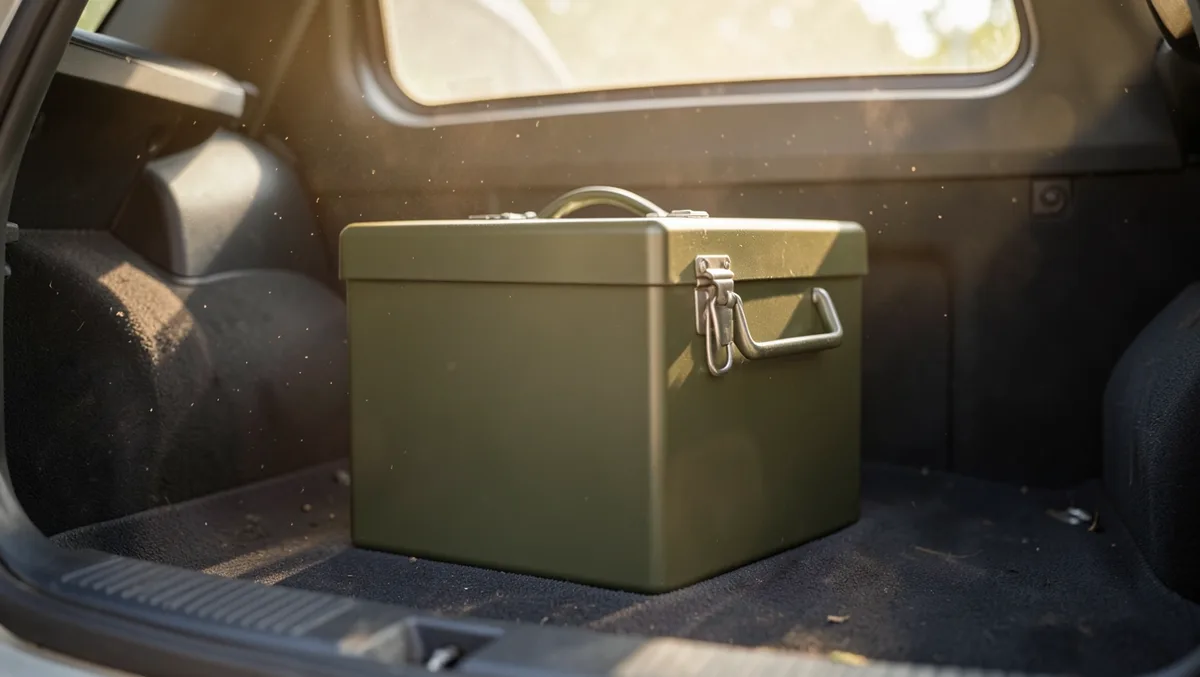
Proper storage helps with law enforcement interactions, too. Ammunition in a locked container in the trunk signals that you’re handling it responsibly, which tends to make a traffic stop go more smoothly for everyone involved.
Conclusion
Whether it’s illegal to carry ammunition in your car depends on where you are and how you store it. Federal law is permissive, but state laws range from Texas’s minimal restrictions to California’s and New York’s background-check and locked-storage requirements. Wherever you’re driving, storing ammunition in a locked container, keeping it separate from any firearm, and knowing the laws of every state along your route covers most of the risk.
Laws in this area change, and enforcement details can vary by city or county even within the same state. When in doubt, verify current requirements with your state’s attorney general’s office or a licensed attorney before you travel with ammunition. Rules about carrying a firearm itself are a separate question from ammunition storage, so don’t assume one set of rules covers both.
FAQs
Can I carry ammo in my car without a gun?
Yes, in most states you can carry ammunition without a firearm present. States like California and Illinois may still require a background check or permit to possess ammunition at all. Keep it in a locked container regardless.
Do I need a permit to carry ammo in my car?
It depends on the state. Illinois and Massachusetts require permits such as a Firearm Owner’s Identification card. Texas and Florida don’t require a permit for ammunition alone.
Is it okay to bring ammo across state lines?
Federal law (FOPA, 18 U.S.C. § 926A) allows you to transport ammunition across state lines if it’s legal where you start and where you end up, provided it’s locked, unloaded, and separate from any firearm. Some states still treat this protection as an affirmative defense rather than a guarantee against arrest, so check each state’s laws before you travel.
What happens if I’m caught with illegal ammo?
Possessing prohibited ammunition, such as armor-piercing rounds, can lead to fines or felony charges depending on the circumstances. If you’re cited or arrested, contact a lawyer immediately.
Is there a limit on how much ammo I can carry?
Most states, including Texas and California, don’t set a numeric limit. Carrying an unusually large quantity can still draw scrutiny, so keep amounts reasonable and store them properly.
Can I leave ammo in my car unattended?
It’s usually legal, but not advisable unless it’s in a locked container out of sight. Visible ammunition is a target for theft, and some states have specific storage requirements even when the vehicle is parked.
Are there places where ammo is banned in my car?
Yes. You can’t carry ammunition onto school grounds, into most government buildings, or into restricted areas like California’s State Capitol. Check local rules before driving to any sensitive location.
Products related to this article
Sponsored / affiliate links. As an Amazon Associate I earn from qualifying purchases. I may earn additional commission from eligible campaigns.