Best Car Emblems for Clean Upgrades (2026): We Compared
The best factory-style emblem upgrades are OEM-spec replacements or direct-fit overlays with factory-size proportions, OE finishes, and 3M automotive adhesive; skip universal badges and oversized metal emblems. Poor fit leaves gaps, peeling edges, and a modded look that hurts the clean factory effect. This guide covers emblem types, fitment checks, finish choices, and which options age like original equipment.
Quick comparison
| Product | Badge | Best for | Price | ||
|---|---|---|---|---|---|
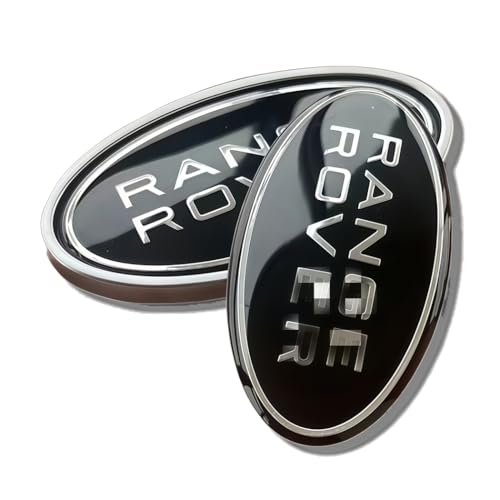 |
Car Front Hood Emblem and Rear Trunk Emblem Badges OEMQOMAGO | Our pick | OEM style · Front and rear set · Silver | $15.99
Price as of 31 Oct 2026
|
View |
 |
Arespark 4PCS Emblem Wrap Kit, 11.8” x 4.3” CompatibleArespark | Budget pick | 4-piece wrap kit · Gloss black · DIY overlay | $9.99
Price as of 31 Oct 2026
|
View |
 |
Elektroplate Alien Extraterrestrial Bright Chrome CarElektroplate | Also great | 4-inch emblem · Chrome metal · Universal fit | $19.95
Price as of 31 Oct 2026
|
View |
 |
Car 3D 4MATIC ABS Letter Emblem Replacement Car BadgeHUIANTS | Upgrade pick | 4MATIC badge · Silver · ABS letter | $12.99
Price as of 31 Oct 2026
|
View |
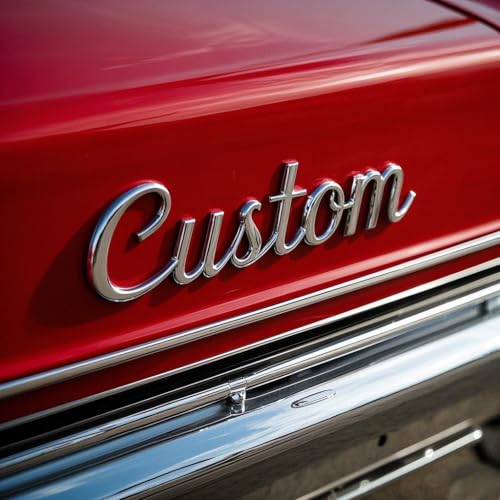 |
VEHASAYO Custom Car Emblems, Stainless Steel Words,VEHASAYO | Pair with it | Custom word badge · Metal · Adhesive | $23.99
Price as of 31 Oct 2026
|
View |
Use this to separate a clean badge upgrade from one that only looks good on a listing page. The safest factory-style picks are the ones that match the vehicle’s trim, panel shape, and mounting method with the least visible edge buildup.
How we chose
The shortlist is based on manufacturer specs, listing details for exact vehicle fitment, and published buyer feedback. The filters were simple: OEM-like shape, mounting method that suits the panel, finish match, and a low-risk install path.
Decorative emblems, oversized pieces, and products that depend on drilling or risky trim removal were left out of the main picks. The goal here is a badge that looks like it belongs there, not one that advertises itself.
OEM-style replacement emblems: best for direct swap fitment
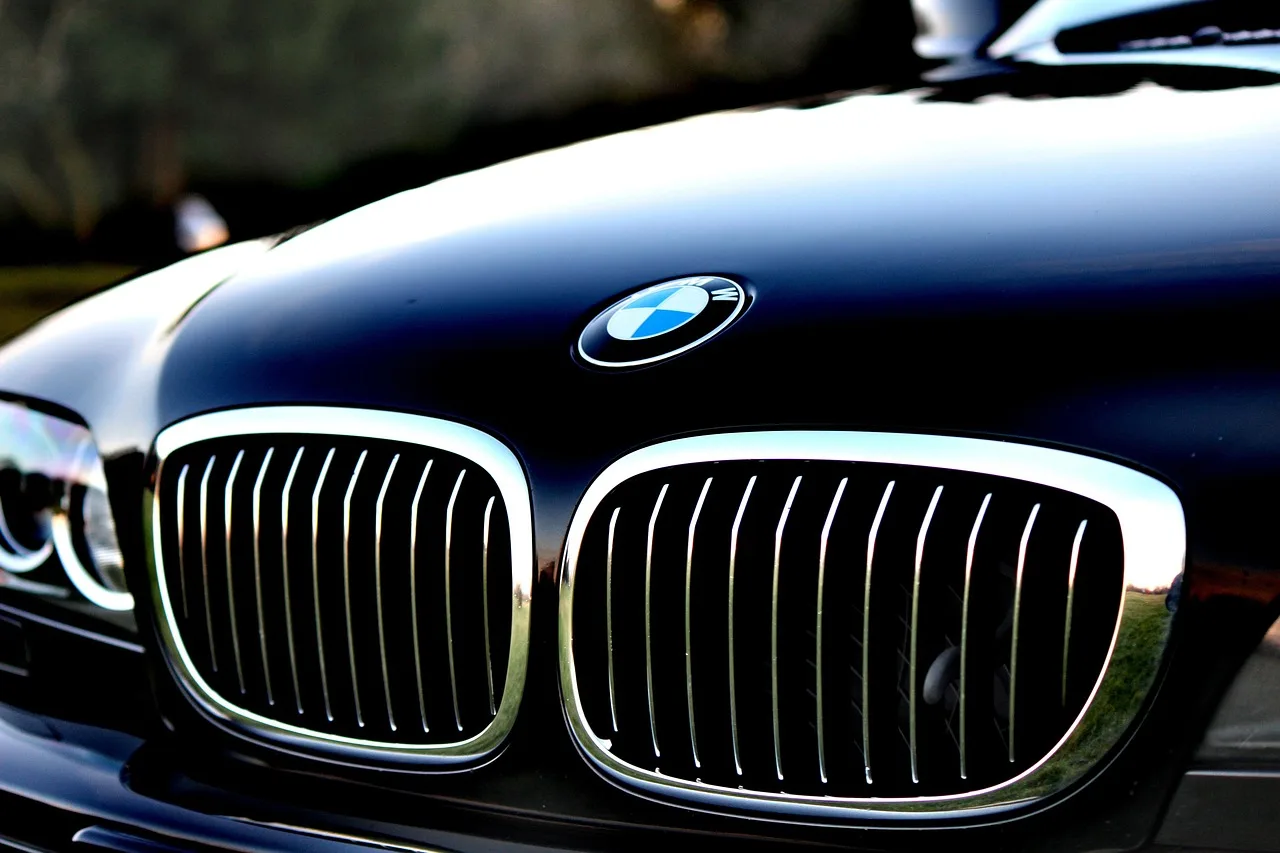
OEM-style replacement emblems are the safest choice when you want the badge to look original from a few feet away. They are best when the factory badge is missing, faded, broken, or no longer matches the trim, because the replacement follows the original shape and placement more closely than a universal badge.
This category works best on rear decklids, trunk lids, tailgates, and grille locations where the original emblem was designed for that exact vehicle. If the listing says direct replacement fitment, clip-on mounting, or a paint-safe adhesive pad, that is the kind of language that usually points to a cleaner result.
What to check before buying
Match the badge to the make, model, year, and trim level, then look at the edge thickness and the back side of the emblem. A replacement that is too thick, too glossy, or slightly the wrong shape often looks aftermarket even when the logo is correct.
Be especially careful on body-colored panels, because a badge with the wrong sheen stands out fast. On black, silver, or metallic paint, the eye catches edge height and gloss mismatch before it notices the logo itself.
Blackout overlay kits: best for subtle trim matching
Blackout overlay emblem kits are a strong choice when the original badge is in good shape but the bright finish feels out of place. Model-specific multi-piece overlays can look factory when they follow the stock emblem closely and use a matte black finish that matches dark trim.
They are also a practical way to refresh worn chrome or silver emblems without replacing the entire badge. That said, overlays depend on clean application and even contact around the edges, so curved panels and textured grilles deserve extra caution.
When overlays make sense
Use overlays when the base emblem is still solid, the shape is consistent, and you want a darker, cleaner look without changing the badge family. They are especially useful on vehicles with black trim packages or smoked exterior details.
A common failure case is edge lift on curved or cold panels. If the badge sits on a tight curve, a flat overlay may bridge instead of bonding, which can leave a visible lip after a few washes.
Universal letter-and-number kits: best for DIY badging
Universal letter-and-number kits are for custom spelling, not factory cloning. They are flexible because you can build a name, trim callout, or model-style script from individual characters, but they almost always look less OEM than a molded replacement emblem.
They work best when you need a very specific word and accept a more custom look. The tradeoff is spacing, alignment, and character height, all of which become visible fast once the adhesive touches the paint.
Why size and spacing matter more here
Measure the mounting area before you buy, then lay out the letters with tape before removing the backing. A set can look clean in hand and still look off once the spacing is too wide or the baseline follows the wrong curve.
Say your trunk lid has a narrow flat strip between the license recess and the taillight. A tall, wide badge will crowd that space, while smaller characters may look lost unless the spacing and position are planned first.
Emblem fitment checklist table
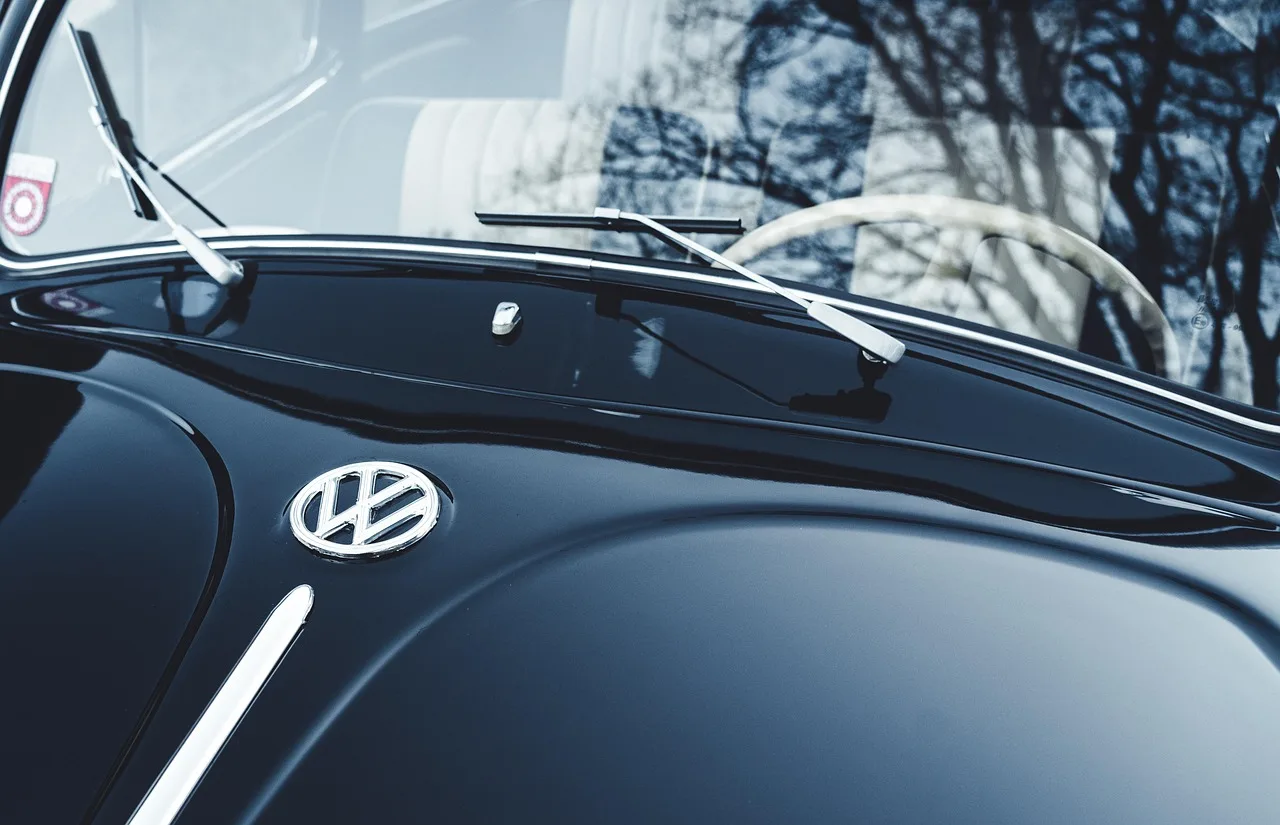
Use this checklist before you add any badge to a car, truck, or SUV. The best-looking emblem is the one that fits the panel, survives weather, and does not need a repair later because the finish or adhesive was wrong for the surface.
| Badge type | Best mounting surface | Finish match risk | Adhesive risk | Wash durability | Ideal vehicle segment |
|---|---|---|---|---|---|
| OEM-style replacement emblem | Rear badge, grille, trunk lid, tailgate | Low if trim and sheen match the factory badge | Low to moderate, depending on clip style or pad quality | Usually strong when the fit is exact and the mount is clean | Sedans, SUVs, trucks, performance trims |
| Blackout overlay kit | Flat or gently curved original emblem face | Moderate if the base badge is bright chrome or aged | Moderate, especially on curved panels or in cold weather | Good if the edges stay fully bonded | Dark trim packages, subtle appearance upgrades |
| Universal letter-and-number kit | Flat trunk lid, tailgate, or trim strip | High because spacing and character style vary | Moderate to high if placement is uneven | Varies with prep and panel shape | DIY custom badging, mild personalization |
| Illuminated LED emblem | Front grille with wiring access | High if the lighting style does not match the vehicle | Moderate, plus wiring and sealing concerns | Depends on sealing, wiring, and exposure | Modern front-end styling, show use, select trims |
| ABS plastic emblem | Overlay faces, curved or recessed surfaces | Moderate if the finish looks too light or glossy | Low to moderate with proper prep and tape | Good enough for many daily drivers, with UV limits | Value-focused replacements and overlays |
| Zinc alloy badge | Flat or gently curved badge locations | Low when the shape and plating match OE styling | Low to moderate | Strong, though plating upkeep matters | Premium trims, grille or rear replacements |
Flat or gently curved mounting surfaces are the easiest to keep looking factory fresh. As surface curvature increases, fitment sensitivity rises, and edge lift becomes more likely, especially on multi-piece overlays and universal badges.
| Material | OEM appearance | Maintenance risk |
|---|---|---|
| Zinc alloy | High | Low to moderate |
| Metal-plated badge | High | Moderate |
| ABS plastic | Moderate | Moderate |
| Vinyl overlay | Moderate on close inspection | Moderate to high on rough or curved surfaces |
QOMAGO OEM-style replacement badges: best for a direct swap
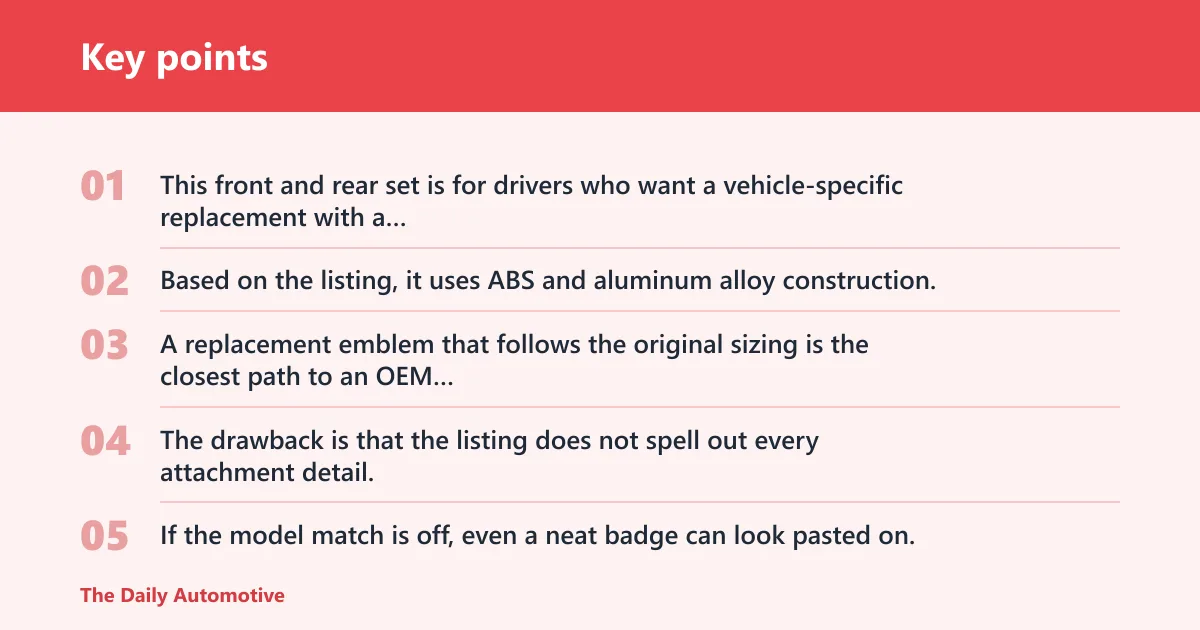
This front and rear set is for drivers who want a vehicle-specific replacement with a factory-style shape and sizing match. Based on the listing, it uses ABS and aluminum alloy construction, and that mix is aimed at a more original look than a generic badge.
The main strength is fitment intent. A replacement emblem that follows the original sizing is the closest path to an OEM appearance on a hood, grille, or tailgate without changing the design language of the vehicle.
The drawback is that the listing does not spell out every attachment detail, so you need to verify clip style and mounting method for your exact vehicle before buying. If the model match is off, even a neat badge can look pasted on.
Arespark blackout overlay kit: best for subtle trim matching
This four-piece gloss black overlay kit is aimed at owners who want to darken an existing emblem rather than replace it. It is a good fit when the base badge is intact and you want a cleaner, low-contrast finish without changing the underlying logo shape.
The kit includes an install tool and a high-adhesion vinyl backing, which helps for a quick cosmetic update on a compatible emblem. It also makes sense for minor scratches or worn spots, where a full badge swap would be more work than necessary.
The drawback is the usual overlay problem: edge lift can show up on curved or textured surfaces. Gloss black can also look out of place if the rest of the exterior trim is matte or satin.
Elektroplate chrome emblem: best for a metal accent
This 4-inch universal emblem suits buyers who want a small chrome accent with a contoured metal look. The listing calls out chrome-plated all-metal construction, peel-and-stick backing, and weather-resistant exterior use.
It is a better match for a grille, trunk lid, or fender when the goal is a neat metallic detail rather than a vehicle-specific replacement. The 3D contour gives it a premium feel compared with plain plastic overlays.
The drawback is obvious: universal fit means it is less likely to blend with factory styling, and chrome can look flashy on vehicles that were built around dark trim or blackout packages.
HUIANTS 4MATIC ABS emblem: best for curved surfaces
This ABS letter emblem is meant for a factory-style trunk or badge replacement look, especially where a raised character style suits the vehicle. The listing says it is made for curved or recessed surfaces, which matters when the mounting area is not perfectly flat.
Raised lettering can blend well on a rear lid when the original badging is similarly shaped. The ABS construction also keeps the piece lighter than a metal badge, which can help on adhesive installs.
The drawback is material tradeoff: ABS is more vulnerable to UV fading and a less premium feel than metal. On a bright paint color, that can make the badge stand out more than intended.
VEHASAYO stainless steel word badge: best for custom wording
This stainless steel custom word badge is for owners who want personalized wording rather than a molded factory logo. The listing points to a durable metal design and firm adhesive, so it fits the use case for custom text on a car, motorcycle, or boat.
It can work on a trunk lid or tailgate when you want a simple, clean script and are willing to handle spacing carefully. Metal construction usually looks more substantial than plastic, but that also makes the badge less forgiving if the size is wrong.
The drawback is fitment. A custom word badge is not a direct swap for most factory emblems, and the final look depends on your layout, surface curvature, and how well the text matches the vehicle’s existing trim.
Which one should you buy?
Choose the replacement badge if you want the closest factory look and the vehicle already has a molded emblem location. Choose the blackout overlay if the original badge is in good shape and you only want a darker finish with minimal visual change. Choose the universal or custom badge only when the trim callout or wording is part of the design you want.
Material should follow the vehicle, too. Zinc alloy and metal-plated emblems usually read as more OEM on premium trims, while ABS is better for value and light weight. A flat or gently curved mounting area is the safest place for any adhesive badge.
Illuminated emblems make sense on front grilles when the vehicle, wiring, and lighting rules support them. They can look modern, but they move the badge away from a factory-subtle upgrade and into a styling choice that is more visible at night than in daylight.
Suppose a sedan has a faded rear badge on a nearly flat trunk lid. A direct replacement or model-specific overlay is the clean move. If the same car has a deeply curved panel or texture around the emblem, the risk of uneven edges goes up fast.
Choose by fitment first
Match the badge to the make, model, year, and trim before you think about finish. That is the quickest way to avoid a badge that looks correct in isolation but wrong on the car.
Choose by mounting surface second
Flat or gently curved surfaces are simplest. If the badge must bridge grille texture, body creases, or a heavy contour, expect more alignment risk and a higher chance of visible edge lift.
Choose by finish and maintenance last
Matte black usually blends well with blackout packages. Chrome, brushed metal, and bright plating need a matching exterior theme, or the badge will draw attention for the wrong reason.
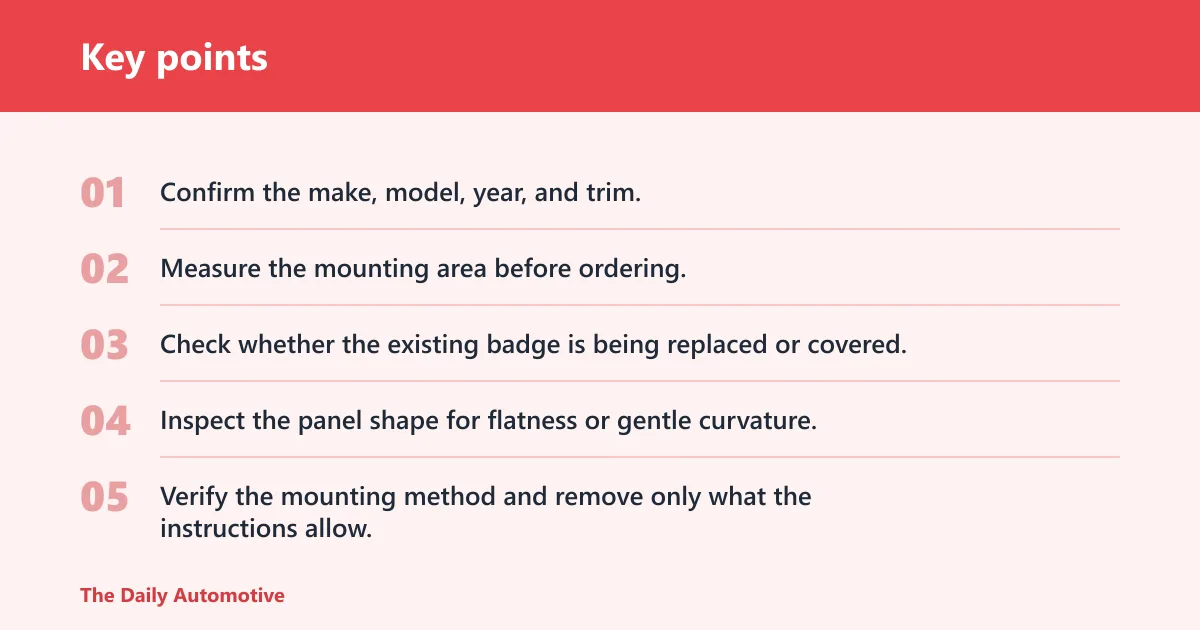
- Confirm the make, model, year, and trim.
- Measure the mounting area before ordering.
- Check whether the existing badge is being replaced or covered.
- Inspect the panel shape for flatness or gentle curvature.
- Verify the mounting method and remove only what the instructions allow.
- Clean and prep the surface before applying any adhesive emblem.
3M automotive-grade adhesive, including VHB foam tape, is a strong starting point for adhesive emblems, but surface prep still matters. Clean the panel, remove wax and residue, and follow the product instructions for cure time before exposing it to weather or wash pressure.
Will an adhesive emblem survive car washes and weather? Usually yes, if the fit is right, the tape is genuine automotive-grade, and the badge sits on a surface that is clean and not overly curved. Cold weather can weaken bonding during installation, and old adhesive tends to fail first at the edges.
Where can you install a replacement badge without damaging paint? The safest spots are factory badge locations on painted body panels, grille areas designed for emblems, and trim pieces that already used adhesive or clip-on hardware. Avoid drilling unless the vehicle manual or the badge instructions explicitly call for it.
Frequently asked questions
What are the best car emblems for a clean factory-style upgrade?
OEM-style replacement emblems are the cleanest choice when you want the badge to look original. Direct-fit overlays come next if the base emblem is still in good shape. The key is matching shape, finish, and mount style to the vehicle instead of choosing the flashiest option.
Which emblem materials look most OEM and last longest?
Zinc alloy usually looks most like a premium factory badge, with metal-plated finishes close behind when the sheen matches the trim. ABS can work well on value-focused replacements, but it is more likely to fade or look less substantial over time. The finish matters as much as the base material.
Are blackout overlay emblem kits better than universal badges?
For a factory-style result, yes, if the overlay is model-specific and the original badge is still straight and intact. Universal badges are more flexible, but they are harder to align and usually look less original. Overlays also depend more on panel shape and clean prep.
How do I choose the right emblem size for my car?
Measure the mounting area first, then compare the badge width, height, and edge thickness to the existing emblem or the available space. A badge that is too large crowds the panel, while one that is too small can look like an afterthought. Curved surfaces make sizing even more important.
Will an adhesive emblem survive car washes and weather?
It can, if the tape is automotive-grade and the surface is prepared correctly. Weather resistance matters for outdoor use, but wash durability depends on panel curvature, bond quality, and cure time. If the badge is installed in cold conditions or on a rough surface, edge lift becomes more likely.
What is the difference between illuminated emblems and standard badges?
Illuminated emblems add light, usually at the front grille, while standard badges rely on shape and finish alone. The lit version makes a stronger night-time statement and needs wiring compatibility, while a standard badge is simpler and usually more factory-correct for a subtle upgrade.
Products related to this article
Sponsored / affiliate links. As an Amazon Associate I earn from qualifying purchases. I may earn additional commission from eligible campaigns.
 Custom Vinyl Lettering, Vinyl Decals for Vehicles, Custom Car Sticker for Windows, Cups, Laptop, Trucks & Storefront, Personalized Window Decals
 Custom Vinyl Lettering, Vinyl Decals for Vehicles, Custom Car Sticker for Windows, Trucks, Storefront, Cups & Laptop, Die Cut Personalized Lettering, Waterproof Vinyl