Is It Illegal to Have Leds in Your Car? Legal Facts Revealed
Are you thinking about adding LED lights to your car? Maybe you want to boost its style or improve visibility at night.
But before you start installing those bright lights, you might be wondering— is it illegal to have LEDs in your car? The rules around car lighting can be confusing, and breaking them could lead to fines or safety issues. This article will clear up the mystery and help you understand what’s allowed and what isn’t, so you can light up your ride the right way.
Keep reading to find out everything you need to know!
Laws On Car Led Lights
Understanding the laws on car LED lights is important for all drivers. LED lights are popular for their brightness and style. But not all LED lights are legal on cars. Different rules control what you can use. These laws help keep roads safe and prevent distractions for other drivers.
Federal Regulations
The federal government sets some rules about car lights. The National Highway Traffic Safety Administration (NHTSA) controls many of these laws. They require lights to meet certain brightness and color standards. Only white or amber lights can be used for front turn signals. Red lights are for the rear of the car. Blue lights are reserved for emergency vehicles. Any LED lights must not blind other drivers or cause confusion.
State-specific Rules
Each state also has its own laws about LED lights. These rules can vary widely from state to state. Some states allow colored LED lights inside the car but not outside. Others ban flashing or strobe LED lights entirely. Some states require all lights to be steady and not change colors. It is important to check your state’s traffic laws before installing LED lights. Following state rules helps avoid fines and keeps you safe on the road.
Types Of Led Lights Allowed
LED lights are popular for car customization. Laws allow some types of LED lights but restrict others. Knowing which LEDs are legal helps avoid fines and keeps you safe on the road.
Rules vary for interior and exterior LED lights. Emergency vehicles have special exceptions. Let’s explore the types of LED lights allowed in your car.
Interior Led Lights
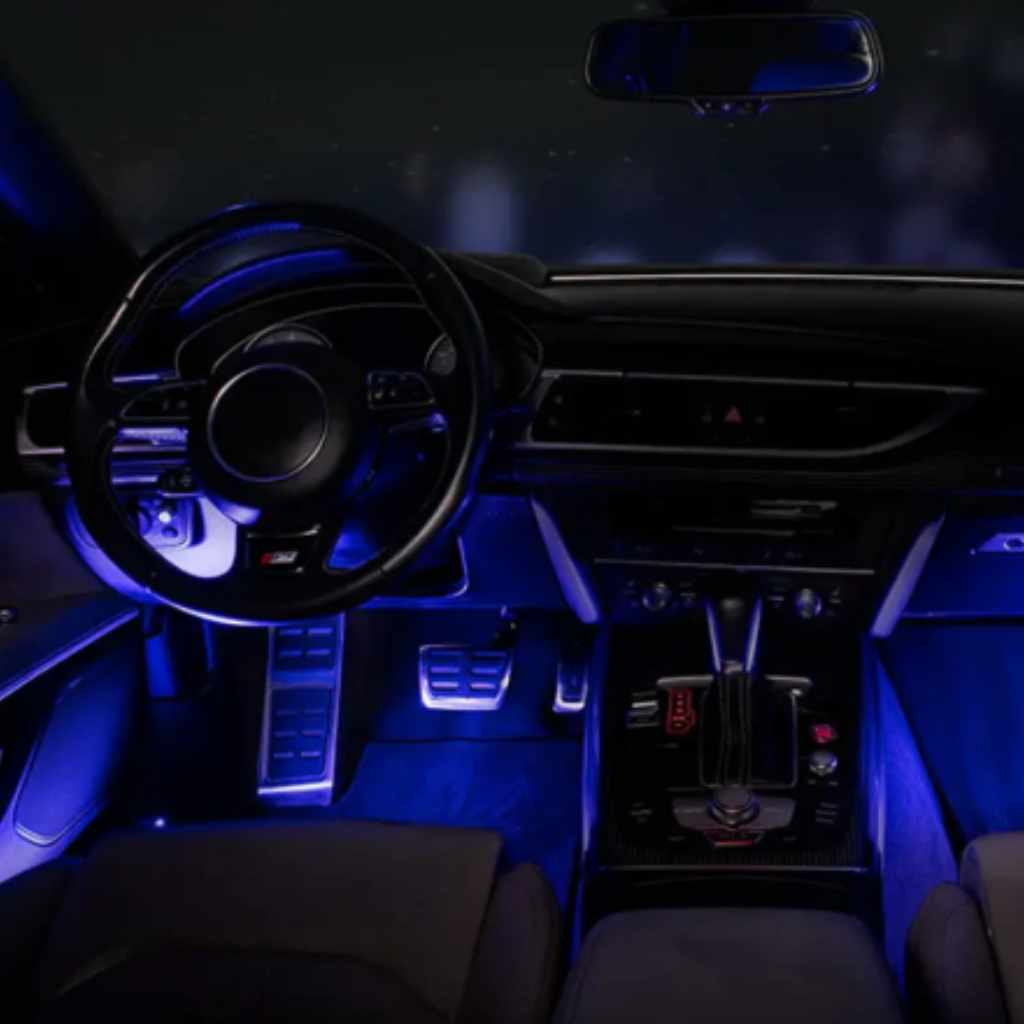
Interior LED lights add style inside your car. Most states allow these lights if they do not shine outside. Colors like red, blue, or green inside the car are usually okay. Avoid bright or flashing lights that distract the driver. Keep the LEDs soft and subtle for safety and legality.
Exterior Led Lights
Exterior LED lights include headlights, taillights, and underglow. Headlights and taillights must meet brightness and color rules. White or yellow front lights and red rear lights are standard. Colored lights like blue or red outside are often illegal. Underglow lights are allowed in some areas but banned in others. Check local laws before installing exterior LEDs.
Emergency Vehicle Exceptions
Police, fire, and ambulance vehicles use special LED lights. These lights can flash in red, blue, or white. Regular drivers cannot use these colors on their cars. Emergency lights help identify official vehicles quickly. Using these LEDs without permission is illegal and can lead to fines or arrest.
Common Violations And Penalties
Many drivers add LED lights to their cars for style or better visibility. Yet, some LED uses break the law. Understanding common violations helps avoid fines and legal trouble. Laws differ by state but share similar rules about color, brightness, and placement.
Illegal Colors And Brightness
Most states forbid certain LED colors on cars. Blue and red often belong only to emergency vehicles. Bright white or very bright LEDs may blind other drivers. Using these illegal colors or too-bright LEDs can lead to tickets. The law wants clear signals without confusion or danger.
Placement Restrictions
LEDs must stay in allowed spots on a car. Lights on wheels, undercarriage, or inside the windshield can cause problems. Some states ban flashing or moving LED lights outside emergency uses. Placement rules protect all drivers from distraction and help police identify vehicles.
Fines And Legal Consequences
Violating LED light rules can result in fines. The amount varies by state and offense severity. Repeated violations may bring higher fines or vehicle inspection. Courts could order removing illegal lights. In some cases, police may stop or impound the car until fixed.
Safety Concerns With Led Modifications
Modifying cars with LED lights has become popular. Many drivers add LEDs to improve their vehicle’s look. Safety is a major concern with these changes. LED lights can affect driving conditions and road safety. Understanding these risks helps keep roads safer for everyone.
Driver Distraction Risks
Bright LED lights can distract the driver using them. Flashing or changing colors may draw too much attention. This distraction can cause delayed reactions and unsafe driving. Drivers might focus on the lights instead of the road. Distractions increase the chance of accidents.
Impact On Other Drivers
LED lights can blind other drivers. Very bright or poorly aimed LEDs cause glare. Glare reduces visibility and makes it hard to see. This can lead to dangerous driving situations. Other drivers may become confused or startled. Such effects increase the risk of crashes.
How To Legally Use Leds In Your Car
Using LED lights in cars is popular for better visibility and style. Knowing how to use them legally helps avoid fines and safety issues. Follow simple steps to keep your car LED setup safe and legal.
Choosing Compliant Led Products
Pick LED lights that meet safety standards. Look for products with certification marks. Avoid colors that confuse other drivers, like blue or red. Use LEDs designed for vehicle use only. Check packaging for compliance information.
Installation Tips
Install LEDs in proper places like headlights or brake lights. Avoid placing lights in areas that distract others. Use correct wiring to prevent electrical problems. Secure LEDs firmly to avoid falling off. Test lights after installation to ensure they work well.
Checking Local Laws
Research your area’s rules about LED lights on cars. Laws differ by state or country. Some places restrict colors or flashing patterns. Confirm allowed brightness levels. Contact local motor vehicle offices for clear guidance.
Frequently Asked Questions
Is It Legal To Have Led Lights In Cars?
Yes, LED lights are legal in cars if they meet local regulations. They must not distract other drivers or violate color restrictions.
Can Led Colors Affect Car Legality?
Yes, some colors like red or blue are often restricted to emergency vehicles. Always check local laws before installing colored LEDs.
Are Underglow Led Lights Allowed On Vehicles?
Underglow LEDs are legal in some areas but banned in others. Check local laws to avoid fines or penalties.
Do Led Headlights Require Special Approval?
LED headlights usually need to be DOT or SAE approved. This ensures they meet safety and brightness standards for road use.
Conclusion
Car LED laws vary by location. Some places allow certain colors and placements. Others restrict bright or flashing lights for safety. Check your local rules before adding LEDs. Using the wrong type can lead to fines. Safe and legal lighting keeps everyone on the road secure.
Choose LEDs that meet your area’s standards. Stay informed and avoid trouble. Bright lights are fun but must follow the law. Drive smart, stay safe, and enjoy your ride.