Strobe Light Kit for Cars: Legal Colors, Uses & Top Picks
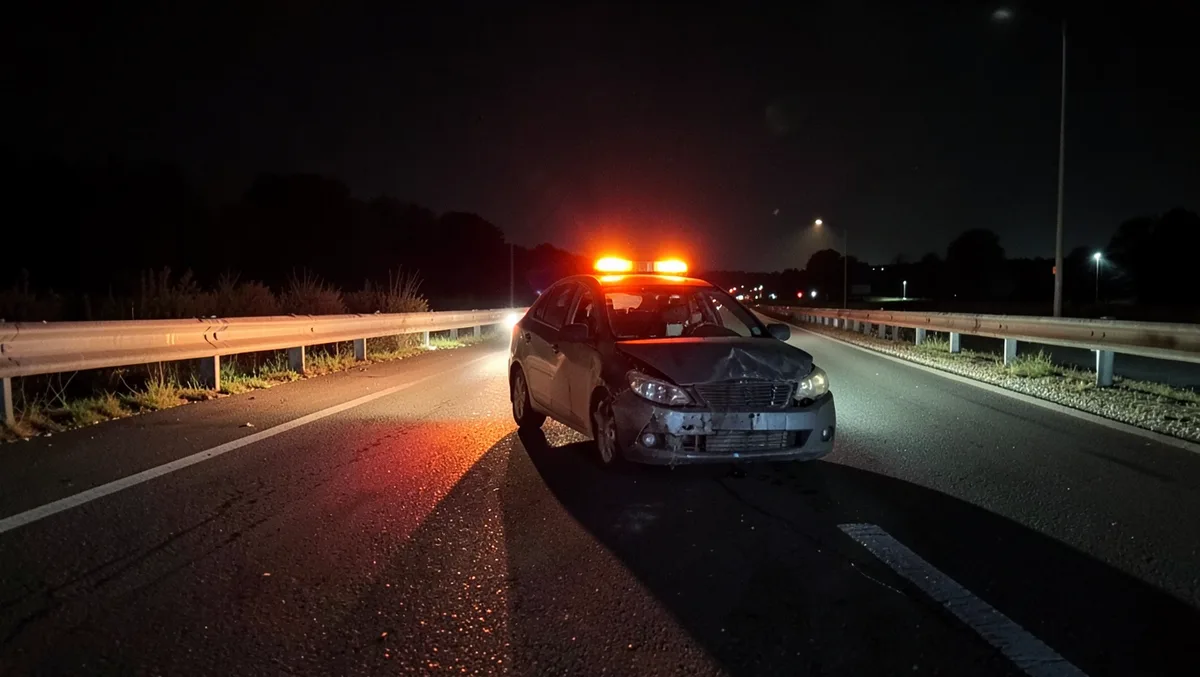
Most states only allow amber strobe lights on a personal vehicle, and usually only for towing, utility work, or a car that is disabled and pulled off the road, not everyday commuting. Only police, fire, and EMS vehicles can legally run red or blue in nearly every state, and even white or purple flashing lights are restricted in most of them. Small wireless LED beacons like the ones below are popular for hazard signaling, off-road recovery rigs, bikes, and drones, but check your state’s vehicle code for color, placement, and brightness rules before you mount one to a car you drive on public roads.
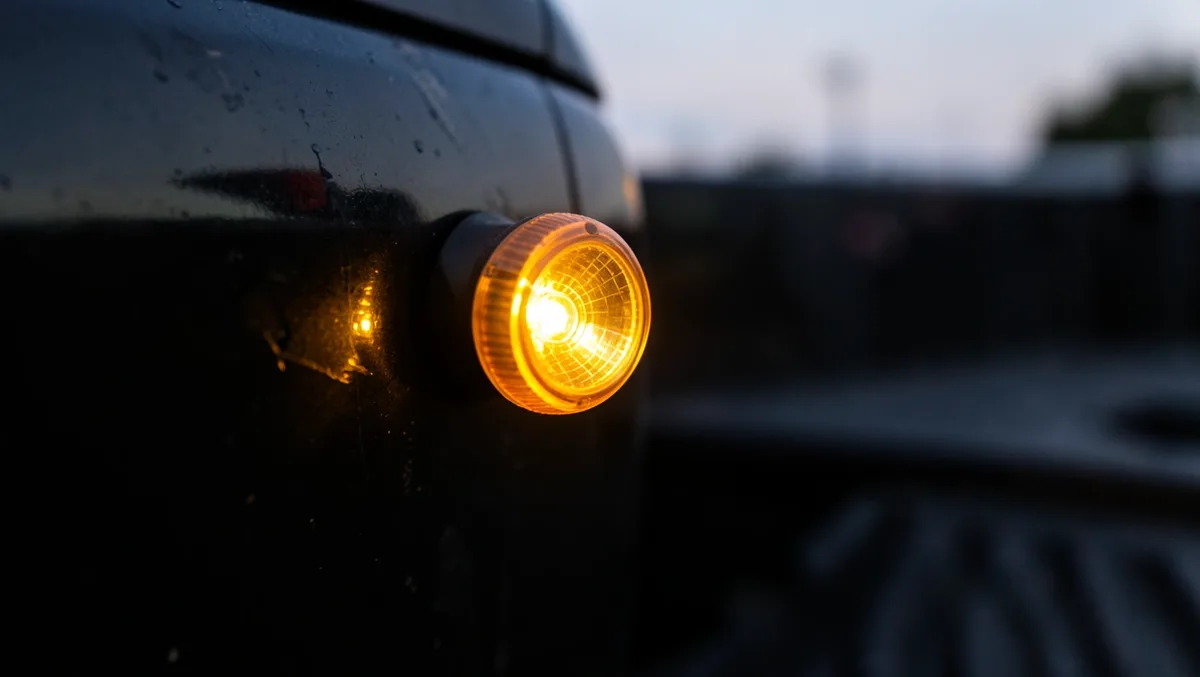
These kits typically include a set of coin-sized wireless LEDs, a small remote for switching between eight or so colors and flash patterns, and a rechargeable or USB-powered battery in each unit. They clip onto a mirror, grille, hitch, bike frame, or drone arm with an adhesive or rubber mount, and most are rated waterproof for outdoor use.
On a personal vehicle, the safest and most defensible use is amber hazard signaling while you are stopped or disabled, not as a substitute for your real headlights or turn signals, and never in red, blue, or a pattern that could be mistaken for an emergency vehicle. If you tow, plow, or do utility or construction work, check whether your state issues a permit or has specific rules for warning lights on work vehicles.
Is a Strobe Light Legal on Your Car?
The short answer is that it depends on your state, and the color matters more than anything else:
- Red and blue are reserved for police, fire, and ambulance vehicles in essentially every state. Using them on a personal car is illegal almost everywhere and can lead to a fine or a charge related to impersonating an emergency vehicle.
- Amber/yellow is the most commonly permitted civilian color, but even amber use on public roads is usually restricted to specific situations, such as towing and recovery, utility and construction work, farm equipment, or a disabled vehicle stopped on the shoulder, not ordinary daily driving.
- Forward-facing white is restricted or banned in many states because it can be confused with high beams or an emergency vehicle takedown light.
- Purple and green are rarely legal for civilians; where purple is allowed at all, it is typically limited to funeral procession vehicles.
Most state vehicle codes were written around light bars and dash-mounted flashers, not small wireless remote-controlled beacons, so the law does not always spell out exactly how these newer kits are treated. That makes the safest places to run one off-road, on private property, or on a non-street vehicle like a bike or drone. Before you wire one into a car you drive on public roads, check your state DMV’s equipment statute for color, brightness (many states cap output around 300 candela), and mounting-location rules — violations can range from an equipment ticket to the kind of fine and criminal charge described in our breakdown of the penalties for unauthorized police-style lights.
Aukmak 4-Pack Wireless LED Strobe Lights with Remote
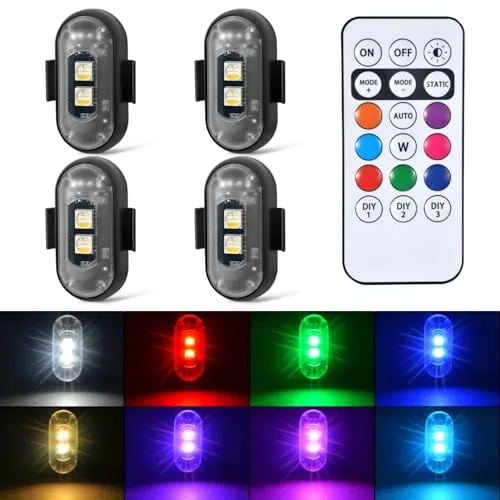
The Aukmak kit packs four coin-sized wireless LED pods, a remote with eight colors and several flash patterns, and a built-in rechargeable battery in each unit. Because every light is fully wireless and battery-powered, there is no wiring to run, which makes this an easy option for a bike, drone, boat trailer, or off-road rig rather than a daily-driver car.
Pros
- Fully wireless with a shared remote, so all four lights change color and mode together
- Rechargeable, so there are no disposable batteries to keep buying
- Eight colors and several flash patterns for different situations
- Small enough to mount almost anywhere with the included adhesive pads
Cons
- Output is modest, better suited to marker or hazard visibility than a true warning beacon
- Four separate small batteries mean more frequent charging than one larger battery pack
Because the four lights share one remote, you can set them all to the same color and pattern at once, which matters if you are using them as matching corner markers on a trailer or drone rather than four independent accent lights. Keep the color choice in mind: amber is the safest civilian option, and red or blue should be avoided on anything you drive on a public road.
Check the Aukmak kit's current price on Amazon
HLauto 1002L Emergency Strobe Traffic Advisor Light Bar
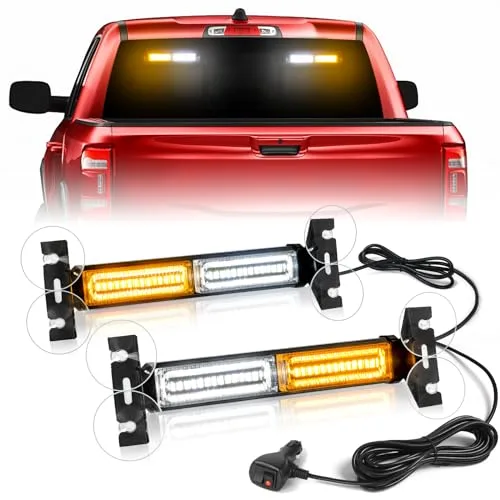
The HLauto 1002L is a hardwired 40-LED bar built for the towing, plowing, and construction crowd rather than casual drivers. It mounts to a front or rear windshield visor with the included clamps and runs off a standard 12V power outlet.
Pros
- 40 LEDs across two 10.7-inch bars for real daytime visibility, not just a marker light
- Amber and white segments, the color combination most states permit for tow and utility vehicles
- Lightweight at about 1.9 pounds, so it does not stress the glass or visor mount
Cons
- Visor mounting only in this kit, with no hardwired dash or grille option
- Amber/white use on a public road generally still requires an actual towing, utility, or hazard justification, not personal use
If you already tow, plow snow, or do roadside and utility work, this is the more defensible category of light for public-road use, since amber and white are the colors most states carve out for that kind of vehicle. It is not a fit for someone who just wants extra flash on a personal commuter car.
Check the HLauto 1002L's current price on Amazon
4-Pack Wireless LED Strobe Lights with USB Charging
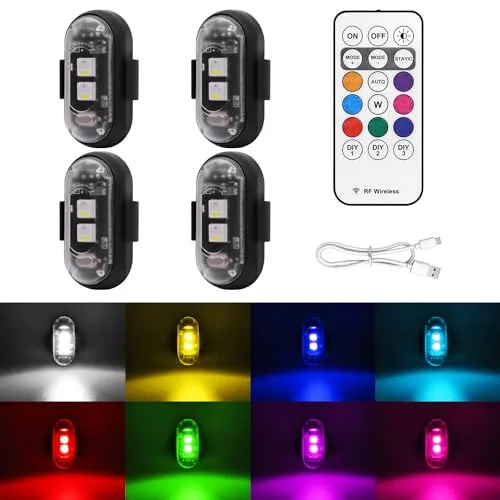
This unbranded 4-pack covers the same basic idea as the Aukmak set above — coin-sized wireless pods with a shared remote and eight colors — but swaps the built-in rechargeable cells for USB charging cables, which some buyers find easier to top off from a power bank or laptop instead of waiting on an internal charge cycle.
Pros
- USB charging is straightforward to top off from any USB power source
- Waterproof housing rated for outdoor use on a bike, drone, or trailer
- An anti-collision-style flash pattern that works well as a rear marker in the dark
Cons
- Functionally very similar to other 4-packs in this category, so shop by price and current reviews rather than expecting a meaningfully different light
- Same modest output as any coin-sized pod: fine as a marker, not a substitute for a real warning beacon
Because this kit and the Aukmak set above solve the same problem in almost the same way, the decision usually comes down to price and whichever one has better in-stock reviews at the time you buy, rather than a meaningful feature difference.
Check this USB-charging kit's current price on Amazon
Frequently Asked Questions
Are Strobe Lights Legal on My Car?
It depends on your state and the color. Red and blue are reserved for police, fire, and EMS vehicles almost everywhere. Amber is the most commonly permitted civilian color, but public-road use is usually limited to towing, utility work, construction, or a disabled vehicle, not everyday driving. Always check your state’s vehicle equipment statute before installing one.
How Do Wireless LED Strobe Lights Work?
Wireless LED strobe lights run on an internal rechargeable battery or replaceable cell and use a radio-frequency remote instead of any physical wiring, so you can change the color and flash pattern from a distance. That makes them easy to mount on a mirror, hitch, bike, or drone without running a wire back to a power source.
Can Strobe Lights Improve Vehicle Safety?
Used correctly and legally, amber strobes make a stopped or disabled vehicle much easier to spot in low light, which is why tow trucks and utility vehicles rely on them. They are not a substitute for your headlights, taillights, or turn signals, and using red or blue on a personal vehicle can create confusion with real emergency vehicles instead of improving safety.
Are LED Strobe Lights Waterproof?
Most kits marketed for cars, bikes, or drones carry an IP65 or similar waterproof rating, which protects against rain and road spray. Check the specific listing, since ratings and build quality vary between brands, and a rating alone does not guarantee long-term durability in constant wet conditions.
What Vehicles Can Use Strobe Light Kits?
Wireless strobe kits show up on cars, motorcycles, bikes, trailers, drones, and boats, mainly as marker or hazard lights rather than headline warning equipment. Tow trucks, plow trucks, and construction or utility vehicles are the main group legally permitted to run brighter amber and white bar-style strobes on public roads; personal vehicles have far more limited legal uses.
How Do You Charge Wireless Strobe Lights?
Most wireless strobe lights charge over USB, either through a built-in port or a small included cable, and a full charge typically lasts several hours of use depending on the brand and flash pattern selected. Check the product’s specific run time and charge time before relying on it for an extended trip.
Conclusion
A strobe light kit is genuinely useful for hazard visibility, off-road recovery, bikes, and drones, but color and use case decide whether it is legal on a car you drive on public roads. Amber is the safest civilian choice, and even then it is usually restricted to towing, utility work, or a disabled vehicle rather than daily driving, while red and blue stay reserved for police, fire, and EMS.
If you just want a compact wireless kit for a bike, trailer, or drone, the Aukmak or USB-charging 4-packs above cover that. If you tow or do utility work and need a brighter bar-style light, the HLauto 1002L fits that role. Either way, check your state’s vehicle code before wiring anything into a car.
Products related to this article
Sponsored / affiliate links. As an Amazon Associate I earn from qualifying purchases. I may earn additional commission from eligible campaigns.