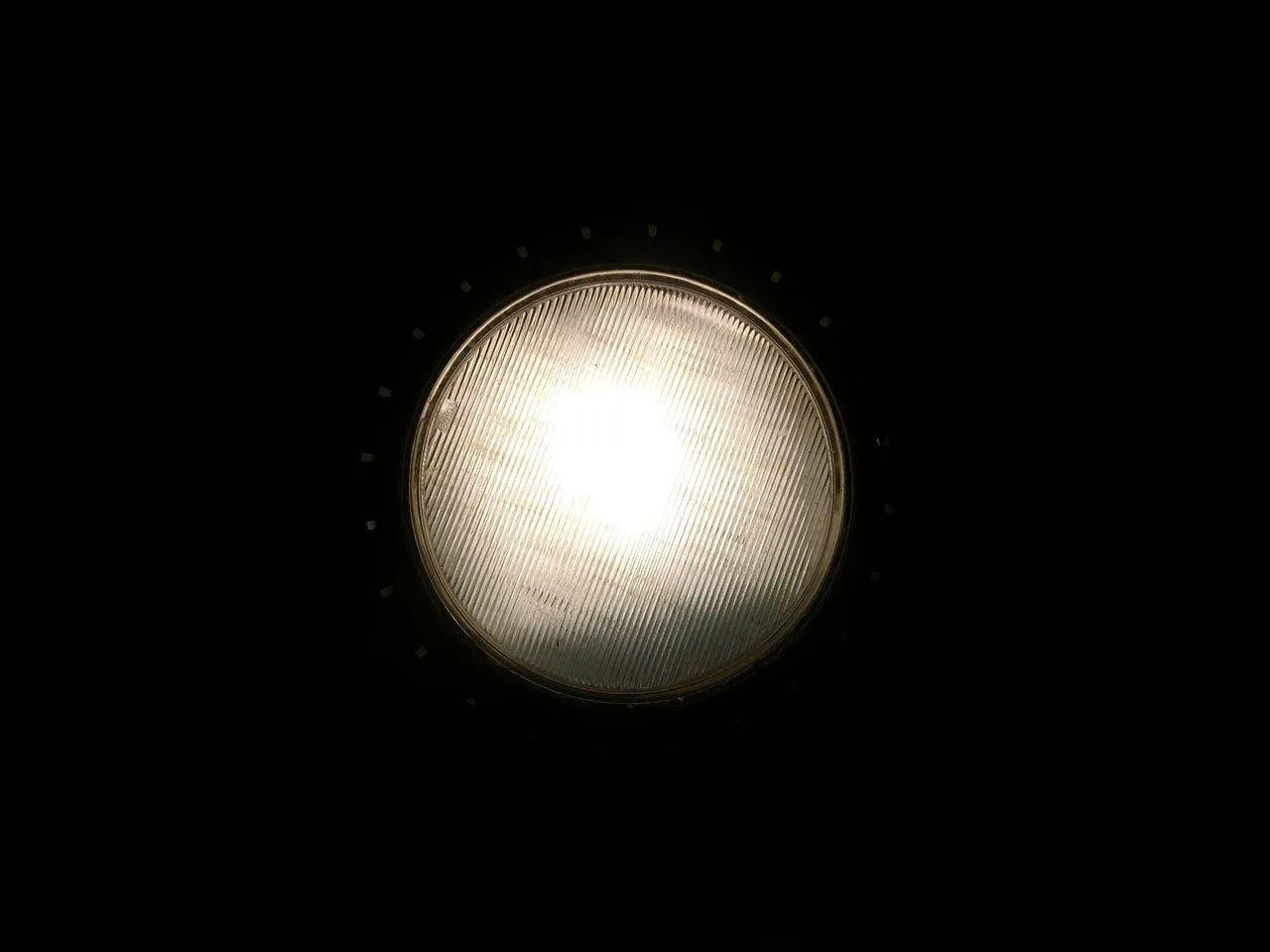
3 Best Bright Lights for Car (2026): We Compared
The best bright lights for a car match the job: legal LED headlight upgrades for street driving, wider fog lights for bad weather, and pod or bar lights for towing or trail use. Bad fitment or beam shape can blind other drivers, reduce forward vision, and get you ticketed. This guide compares three picks by road use, legality, beam pattern, and fitment.
Quick comparison
| Product | Badge | Best for | Price | ||
|---|---|---|---|---|---|
 |
NEWBROWN H11 Headlight Bulb Halogen Fog Light Bulb Low BeamNEWBROWN | Our pick | H11 · halogen · 5000K white | $11.39
Price as of 23 Oct 2026
|
View |
 |
SYLVANIA H11 SilverStar Ultra Halogen Headlight Bulb, 1SYLVANIA | Also great | H11 · halogen · whiter light | $25.95
Price as of 23 Oct 2026
|
View |
 |
PHILIPS Xenon X-TremeVision Gen2 +150% D3S HID Xenon BulbsPhilips Automotive Lighting | Upgrade pick | D3S · HID xenon · 4800K bright white | $155.00
Price as of 23 Oct 2026
|
View |
 |
ZonCar 9005/HB3 LED Bulbs, 60000LM 12x Brighter, 6500KZonCar | Also great | 9005/HB3 · LED · 6500K white | $13.99
Price as of 23 Oct 2026
|
View |
 |
IHNZCB H4/9003 LED Headlight Bulbs + 7 Inch H6024 GlassIHNZCB | Our pick | $88.35
Price as of 1 Nov 2026
|
View |
The main trade-off is simple. The brightest claimed bulb is not always the best driving light. A well-controlled beam with legal placement and correct fitment usually helps more than raw lumen numbers.
For street use, the safest choice keeps a sharp cutoff, fits the housing correctly, and avoids CANbus warnings. For off-road or work use, you can accept more output and wider spread, but glare control matters less only where road rules allow it.
How we chose
We compared the three picks on five points that matter more than marketing claims: beam pattern, claimed output versus usable light, fitment in a 12V vehicle, CANbus compatibility, and weather resistance or mounting quality.
We also separated headlight bulbs, round headlight conversions, and higher-output replacement bulbs instead of treating every “bright light” as the same product.
Finally, we weighed road legality and glare risk. A 6000K-style white look can help with appearance, but it does not make a bulb street-legal by itself.
Brightness and visibility
Judge brightness by the beam you can actually use, not only the claimed lumens. Higher output can help you see farther, but it can also raise glare if the reflector, projector, or housing is wrong for the bulb.
For daily driving, a controlled beam usually beats a harsh one. A bulb that looks white and bright at 6000K may still scatter light poorly if the optics are mismatched.
Beam pattern and glare control
Cutoff matters for road use. A sharp cutoff keeps light on the road and out of oncoming drivers’ eyes, while a round or unfocused beam is better reserved for auxiliary or off-road use where regulations allow it.
That distinction matters for headlights, fog lights, and auxiliary lights. They are not interchangeable.
Fitment and CANbus compatibility
Vehicle fitment starts with 12V compatibility, then narrows to socket type, housing depth, connector shape, and any CANbus requirements. Some cars need error-free bulbs to avoid dashboard warnings or flicker.
Universal fit is often overstated. Even if a bulb fits the socket, the heat sink, dust cap clearance, or connector lock may still interfere.
Weather resistance and heat
Look for an IP rating and a mounting system that can handle water, dust, vibration, and heat. More output also means more thermal load, so runtime and duty cycle matter for anything used continuously.
Tool-free installs can be convenient, but hardware-mounted lights usually hold better under vibration. That matters on rough roads and on vehicles that carry gear.
Car lights matrix
This decision matrix maps light type to use case. It separates commuting, highway driving, towing, off-road use, and show-only styling so you do not buy the wrong beam for the job.
| Use case | Recommended category | Ideal beam pattern | Minimum practical brightness range | Fitment risks | Legality notes |
|---|---|---|---|---|---|
| Commuting | Street-legal LED or halogen headlight bulb | Sharp cutoff, road-focused beam | About 800 to 1,500 lumens per bulb, depending on optics | Socket match, housing depth, CANbus warning, dust-cap clearance | Must respect road glare limits and local headlamp rules |
| Highway driving and towing | Driving lights or high-beam-focused auxiliary lights | Long-range beam with controlled center hotspot | About 1,000 to 3,000 lumens per light, with usable throw prioritized | Mounting angle, relay or controller fitment, electrical load | Often restricted to high-beam use or off-road use only |
| Off-road use | Auxiliary pods or light bars | Wide round beam or combo beam | About 2,000 lumens and up, with heat control and pattern choice | Bracket strength, shock, vibration, IP rating, wiring length | Usually not street-legal when aimed for trail use |
| Show-only styling | Cosmetic white replacement bulbs | Any pattern that keeps factory aim intact | Lower output can still look white and clean | Overcool color temp, poor optics, false fit claims | Legal only if the lamp still meets local rules |
Say your sedan needs better nighttime confidence for a 40-mile commute. A legal headlight bulb with a clean cutoff usually helps more than a high-lumen lamp that throws stray light into every sign and windshield in sight.
Suppose your truck tows a trailer on rural roads. A longer-throw driving light can help, but only if it is aimed correctly and used in the conditions the law allows.
NEWBROWN H11 headlight bulb: best for budget commuting
The NEWBROWN H11 is aimed at drivers who want a simple halogen replacement with a whiter look and straightforward installation. It is the most conservative option here, which makes it easier to live with in a factory-style headlight or fog light housing.
What stands out is the 5000K white light claim and the plug-and-play setup. The listing also describes it as a DOT compliant halogen replacement, which matters if you want to stay close to stock behavior instead of chasing maximum output.
Its drawback is the obvious one: halogen still sits below LED and HID in efficiency and peak output. If you need the widest reach or the sharpest modern beam, this is more of a safe upgrade than a dramatic leap.
Best for: drivers who want a low-cost H11 bulb for commuting, fog lamps, or a mild style update without adding a complicated install.
Fitment and legality notes
This bulb is for H11 applications in 12V systems. That sounds simple, but you still need to confirm the socket, housing space, and whether the lamp is used as a low beam, fog light, or another position on your vehicle.
For road use, the factory headlamp housing matters as much as the bulb. A legal bulb in a poor reflector can still create glare.
Pros and cons
- Pros: 5000K white light, plug-and-play installation, DOT compliant halogen replacement.
- Cons: Less output than LED or HID options, no special CANbus advantage, and limited headroom for drivers who want a much stronger beam.
SYLVANIA H11 SilverStar Ultra: best for street driving
The SYLVANIA H11 SilverStar Ultra is the strongest street-focused choice in this group for drivers who want clearer down-road vision without turning the car into a glare machine. It is a halogen bulb, so it stays closer to traditional housing behavior than many retrofit LEDs.
Its advantage is the emphasis on whiter light and down-road clarity. For commuting, that usually matters more than a huge claimed output number, because a cleaner beam in the right housing can feel more useful than a brighter but messier pattern.
The drawback is cost. It is also still a halogen bulb, so it will not match the output or lifespan expectations of a properly engineered LED assembly.
Best for: drivers who want the most road-friendly upgrade for daily use and prefer a bulb that stays close to stock headlight behavior.
Why it suits daily driving
A commuting bulb needs to keep glare under control. This one is better aligned with that goal than high-output retrofit bulbs that can overfill the reflector and scatter light.
Because it is an H11 halogen bulb, it fits into a wide range of vehicles that already use that socket. That makes fitment easier than a more aggressive conversion kit.
Fitment, CANbus, and housing checks
Even with a familiar socket, check the housing depth and connector orientation. Some vehicles trigger bulb warnings with aftermarket lamps, especially when the electrical draw differs from the factory setup.
If your car has a sensitive lighting system, a bulb that behaves more like stock is often the safer route. It is less likely to create dashboard messages or odd flicker behavior.
Pros and cons: pros: Whiter light
- Pros: Whiter light for added clarity, premium H11 fitment, good choice for low beam or fog replacement.
- Cons: Not as bright as a high-output LED, still limited by halogen efficiency, and pair replacement raises cost.
ZonCar 9005/HB3 LED bulbs: best for brighter output in compatible housings
The ZonCar 9005/HB3 LED bulbs are for drivers who want a much brighter replacement in a compatible housing and are willing to check fitment carefully. The listing pushes hard on output and color, with a 6500K white look and CANbus support for many vehicles.
What stands out is the 1:1 size claim, IP68 waterproofing, and anti-flickering support. Those details matter because high-output LEDs often fail in the real world on fitment, heat, or warning-light issues rather than on raw brightness alone.
The main drawback is the same one that makes many LED retrofits tricky: not every headlight housing is designed for an LED replacement bulb. If the optics do not match, glare can rise quickly, even when the bulb itself is well built.
Best for: drivers with a 9005/HB3 application who want a brighter white beam and need help with error-free operation.
Why it suits stronger output needs
LED replacements often make more sense when the factory bulb is dim and the housing can support the beam pattern. This model is aimed at that kind of upgrade, especially where a modern white appearance is part of the goal.
Color temperature matters here too. A 6500K white light looks cooler and newer, but it is not automatically better for usable visibility in rain or fog.
Fitment, mounting, and runtime concerns
For LED swaps, the housing and connector are the real gatekeepers. Check whether there is enough room for the heat sink, whether the dust cap can close, and whether the vehicle needs CANbus support to avoid errors.
Heat management also matters. A higher-output LED may need enough airflow or thermal control to hold its output over time, especially if used for long night drives rather than brief bursts.
Pros and cons: pros: High-output LED replacement, compact
- Pros: High-output LED replacement, compact 1:1 size, CANbus support for many vehicles, IP68 waterproofing.
- Cons: Fitment can be vehicle-specific, the 6500K look may not suit bad-weather use, and poor housing match can increase glare.
Choose NEWBROWN if… / Choose SYLVANIA if… / Choose ZonCar if…
Choose the NEWBROWN H11 if you want the simplest budget-minded swap, your car already uses H11 bulbs, and you care more about a whiter look than a big jump in output.
Choose the SYLVANIA H11 SilverStar Ultra if your priority is road use, legal behavior, and a more controlled daily-driving beam. It is the safer pick when you want better clarity without getting aggressive about brightness.
Choose the ZonCar 9005/HB3 LED bulbs if your vehicle uses that socket, the housing can accept an LED retrofit, and you want stronger output with CANbus support in a modern white color.
If your goal is towing, trail work, or serious off-road lighting, none of these should be bought just for raw lumens. In that case, beam pattern and mounting matter more than a white cosmetic look.
What are the best driving lights for a car?
The best driving lights for a car are the ones that fit the housing, keep a useful beam pattern, and stay legal for the road you drive. For commuting, that usually means a headlight bulb with a sharp cutoff; for towing or rural roads, it may mean auxiliary driving lights used only where allowed.
What to check before buying
- Confirm the bulb type or lamp type the vehicle actually uses.
- Check whether the housing is reflector or projector, because beam behavior changes a lot.
- Look for 12V compatibility and any CANbus requirement.
- Verify whether the light is intended for headlight, fog light, or auxiliary use.
- Read the road legality notes for your state or country before you buy.
A common first-timer mistake is buying a very bright LED bulb for a reflector housing that was designed for halogen. The result can be more glare, less usable reach, and a beam that looks bright on a driveway wall but performs worse on the road.
Which one should you buy?
If you drive mostly on public roads, start with the SYLVANIA H11 SilverStar Ultra. It is the most sensible choice when legality, beam control, and predictable fitment matter more than raw claims.
If you want a cheaper upgrade and your vehicle already uses H11 bulbs, the NEWBROWN H11 is the budget play. It is a modest improvement, not a dramatic one.
If your vehicle uses 9005/HB3 and you want a much brighter LED replacement, the ZonCar pair is the one to compare first. Just check housing space, dust-cap clearance, and CANbus behavior before you buy.
For trucks and SUVs, the right answer often changes with the job. Street driving favors a cutoff beam and legal replacement bulb; towing and trail work call for auxiliary lighting with stronger mounting and better thermal control.
Brightness should never be the first filter. Beam pattern comes first, fitment comes second, and legality comes third.
Frequently asked questions
What are the brightest lights for cars?
The brightest lights for cars are usually high-output LED or HID setups, but brightness alone is not the point. Usable beam, correct housing match, and legal aiming matter more because a raw-lumen upgrade can create glare and reduce real visibility if the optics are wrong.
Are bright LED lights for cars worth it?
They can be worth it when the vehicle, housing, and bulb are matched correctly. LED upgrades often bring whiter light, lower power draw, and better lifespan, but a poor retrofit can cause glare, warning lights, or worse road performance than a stock-style bulb.
How many lumens do I need for bright car lights?
There is no single target number. For commuting, a controlled beam in the roughly 800 to 1,500 lumen range per bulb can be enough when the optics are good. For auxiliary or off-road lights, higher output can help, but only if the beam pattern suits the use case.
What’s the difference between headlights and driving lights?
Headlights are the primary forward lamps for road use, and they must control glare through a proper cutoff and legal aim. Driving lights are auxiliary lamps meant to extend forward reach, usually for high-speed rural driving or off-road use where regulations allow them.
Are brighter bulbs legal on roads?
Sometimes, but not always. Legality depends on the bulb type, housing, beam pattern, aiming, color, and local rules. A brighter bulb that creates excess glare or is used in the wrong lamp position can be illegal even if it fits the socket.
What should I check before buying bright car lights?
Check the bulb type, 12V compatibility, housing depth, connector fit, CANbus requirements, and whether the lamp is for road use or auxiliary use. Also verify IP rating, mounting method, and the actual beam pattern, not just the claimed lumens.
Products related to this article
Sponsored / affiliate links. As an Amazon Associate I earn from qualifying purchases. I may earn additional commission from eligible campaigns.