Is My Car Burning Oil? A Simple Guide to Spot and Fix It
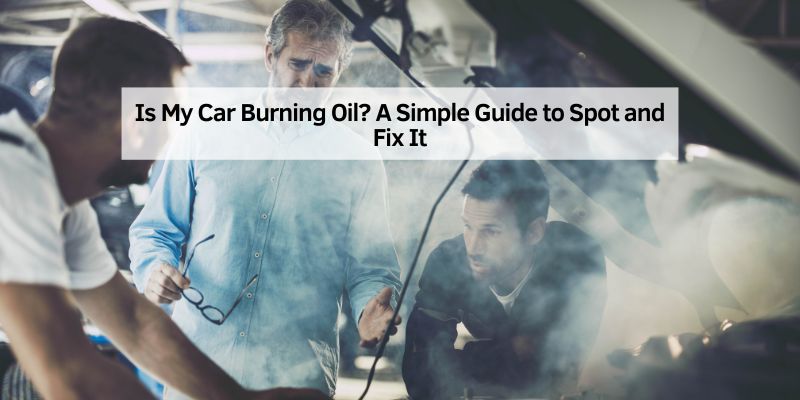
My old pickup started puffing blue smoke one sunny afternoon. I thought my car was turning into a barbecue! If you’re wondering, “Is my car burning oil?” don’t worry. This article will help you spot the signs, check your car, and fix the issue. I’ll share easy tips and tricks from my years tinkering with engines. Let’s dive in!
What Does “Is My Car Burning Oil” Mean?
Burning oil happens when your car’s engine uses oil in a bad way. It gets burned up during driving, not just sitting there. This can cause smoke, low oil levels, or even engine damage. Knowing the signs early saves money and keeps your car happy.
Signs Your Car Might Be Burning Oil
Spotting oil burning is easier than you think. Here are some clues I’ve learned to watch for:
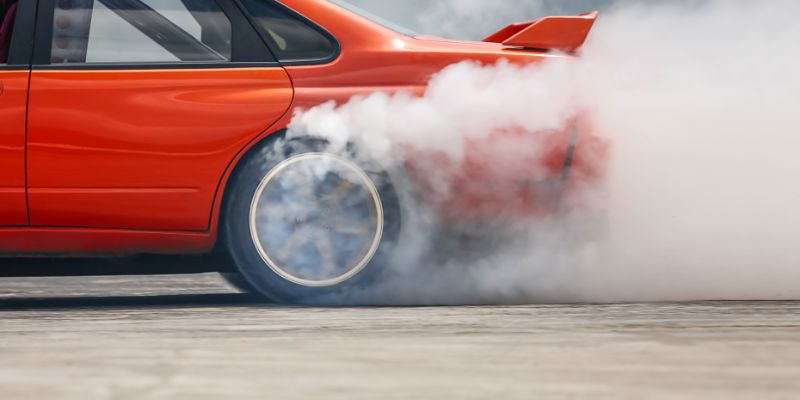
- Blue smoke from the exhaust: It looks like a smoky tail when you drive.
- Low oil levels: Your dipstick shows less oil than it should.
- Funny engine smells: A burnt smell, like overcooked toast, is a hint.
- Poor gas mileage: Burning oil can make your car thirstier for fuel.
I once ignored blue smoke in my sedan. Big mistake! It led to a costly fix. Check these signs to avoid trouble.
Why Does My Car Burn Oil?
Cars burn oil for a few reasons. Worn piston rings or valve seals let oil sneak into the engine’s combustion chamber. Old gaskets or a bad PCV valve can also cause it. Even overfilling oil can make a mess. Each issue has a fix, but catching it early is key.
How to Check If Your Car Is Burning Oil
Checking for oil burning is no big deal. Here’s a step-by-step guide I use:
- Park on a flat surface: Make sure your car is steady.
- Check the oil level: Pop the hood, pull the dipstick, wipe it clean, and check the level.
- Look at the exhaust: Start the car and see if blue smoke comes out.
- Smell for burning: A burnt oil smell is a red flag.
- Drive and recheck: Drive a week, then check the oil level again.
You’ll need a rag, gloves, and a flashlight. I keep these in my trunk for quick checks. If the oil level drops fast, you’ve got a problem.
Tools You Need to Diagnose Oil Burning
Here’s a simple table of tools to help you check your car:
| Tool | Purpose | Cost (Approx.) |
|---|---|---|
| Rag | Wipe dipstick clean | $1-2 |
| Gloves | Keep hands clean | $5-10 |
| Flashlight | See under the hood | $10-15 |
Caption: Basic tools for checking oil burning. Affordable and easy to find at stores like NAPA.
Benefits and Drawbacks of Fixing Oil Burning
Fixing oil burning keeps your engine healthy. It saves money on repairs and boosts gas mileage. But fixes can be pricey. For example, replacing piston rings might cost $1,000-$2,000. Doing small checks yourself, like I did with my truck, cuts costs.
Easy Tips to Prevent Oil Burning
Here are my go-to tips to keep your car from burning oil:
- Check oil regularly: Once a month keeps you in the know.
- Use the right oil: Check your car’s manual for the best type.
- Fix leaks fast: A small drip can become a big problem.
I learned the hard way to never skip oil checks. My old car’s engine suffered because I got lazy!
Common Mistakes to Avoid
Don’t make these rookie errors I’ve seen (and made):
- Ignoring smoke: Blue exhaust means act now, not later.
- Overfilling oil: Too much oil can cause burning.
- Skipping maintenance: Regular oil changes prevent issues.
One time, I overfilled my oil and saw smoke for days. Lesson learned!
Comparing Oil Burning Fixes
Here’s a table comparing common fixes for oil burning:
| Fix | Cost (Approx.) | Difficulty | Time Needed |
|---|---|---|---|
| Replace PCV Valve | $50-100 | Easy | 1 hour |
| Fix Valve Seals | $500-1,000 | Medium | 4-6 hours |
| Replace Piston Rings | $1,000-2,000 | Hard | 1-2 days |
Caption: Compare fixes to decide what’s best for your car and budget.
Visual Ideas for Clarity
To make this easier, imagine these visuals (not included):
- A diagram of a dipstick showing oil levels.
- A labeled engine showing where oil leaks happen.
- A chart of smoke colors and what they mean.
These would help beginners see what’s going on under the hood.
Alternative Approaches to Oil Burning
If fixing your car is too pricey, try these:
- Use a high-mileage oil to reduce leaks.
- Drive less to slow oil loss.
- Trade in for a newer car if repairs pile up.
I switched to high-mileage oil in my old SUV. It helped until I could afford a fix.

Personal Insights from My Garage
I’ve worked on cars for years, and oil burning is tricky but fixable. My biggest tip? Don’t panic. Check your oil weekly, and don’t ignore smoke. One time, my neighbor’s car smoked like crazy. A quick PCV valve swap saved her $500. Small steps make a big difference.
Frequently Asked Questions
What Does Blue Smoke from My Exhaust Mean?
It’s a sign your car is burning oil. Oil gets into the engine’s combustion chamber and burns, making blue smoke. Check your oil level and get it looked at soon.
How Often Should I Check My Car’s Oil?
Check it once a month. Pop the hood, use the dipstick, and make sure the level is between the marks. It’s quick and saves trouble.
Can I Drive If My Car Is Burning Oil?
You can, but it’s risky. Low oil can hurt your engine. Top it off and get it fixed soon to avoid big repair bills.
What’s the Cheapest Way to Fix Oil Burning?
Start with a PCV valve replacement. It’s cheap ($50-100) and easy. If that doesn’t work, check valve seals or gaskets next.
Does Burning Oil Mean My Engine Is Bad?
Not always. Worn parts like piston rings or seals can cause it. Fix them early to keep your engine running smoothly.
How Do I Know If My Oil Level Is Low?
Use the dipstick. If the oil is below the “low” mark, add more. Check weekly if you suspect burning.
Can Bad Oil Cause Burning?
Yes, wrong or old oil can cause issues. Use the type your car’s manual recommends and change it every 5,000-7,500 miles.
Conclusion
Wondering “Is my car burning oil?” Check for blue smoke, low oil, or funny smells. Use my steps to spot issues and fix them early. It’s no sweat with the right tools and tips. Try checking your oil this weekend, or share your car stories with friends. Keep your engine happy! For more car tips, check out AAA, Car and Driver, or NAPA.