Why Is My Car Smoking Under the Hood? (Causes by Smoke Color)
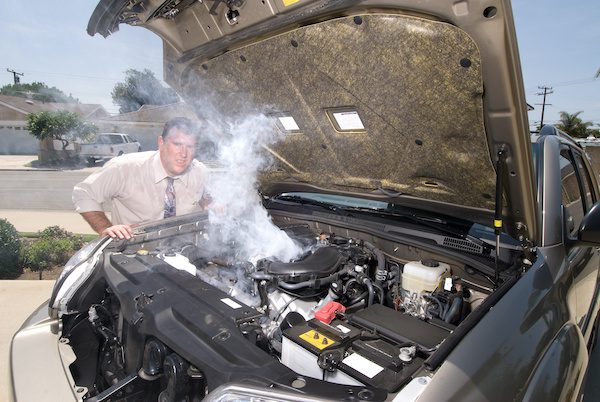
Smoke under a car’s hood almost always means a fluid — oil, coolant, or transmission fluid — is dripping onto a hot engine part, though electrical or fuel-system smoke needs faster action. NFPA data ties an estimated 200,876 U.S. highway vehicle fires to causes like this every year. This guide covers the safety steps to take first, how to identify the cause by smoke color and smell, and when it’s actually safe to keep driving.
Insert your Affiliate Disclosure reusable block here.
Quick Answer
If smoke is coming from under your hood, pull over, shift to park, and turn off the engine immediately. Get everyone out and move at least 100 feet away — never open the hood if you see flames, since the rush of oxygen can make a fire flare up. Only lift the hood once the smoke has stopped and the engine has cooled, then call a tow truck rather than driving further.
What Does the Color and Smell of the Smoke Mean?
The fastest way to narrow down the cause is to look at the smoke’s color and smell together, not just where it’s coming from. Each combination points to a different system under the hood — and a different level of urgency.
| Smoke Color | Smell | Likely Cause | How Urgent |
|---|---|---|---|
| White / steam-like | Sweet | Coolant leaking onto a hot engine (blown hose, loose radiator cap, head gasket) | Pull over now; rarely a fire risk once cooled |
| Blue or gray | Burning oil, bitter | Oil leaking onto the exhaust manifold or valve cover, or the engine burning oil | Pull over; check oil level once cooled |
| Black | Gasoline | Fuel leaking or an overly rich fuel mixture | Pull over immediately — fire risk |
| Red or brown | Burnt fluid | Transmission or power steering fluid dripping onto hot parts | Pull over; check fluid level |
| Black with a burning-plastic smell | Acrid, plastic | Electrical short — wiring insulation melting against a hot surface | Pull over immediately; turn off engine — fire risk |
📊 An estimated 200,876 highway vehicle fires occurred in the U.S. in 2022, causing about 650 civilian deaths, 857 injuries, and $2.1 billion in direct property damage. — Source: National Fire Protection Association (NFPA), Vehicle Fires report, 2024
Common Causes of Smoke Under the Hood
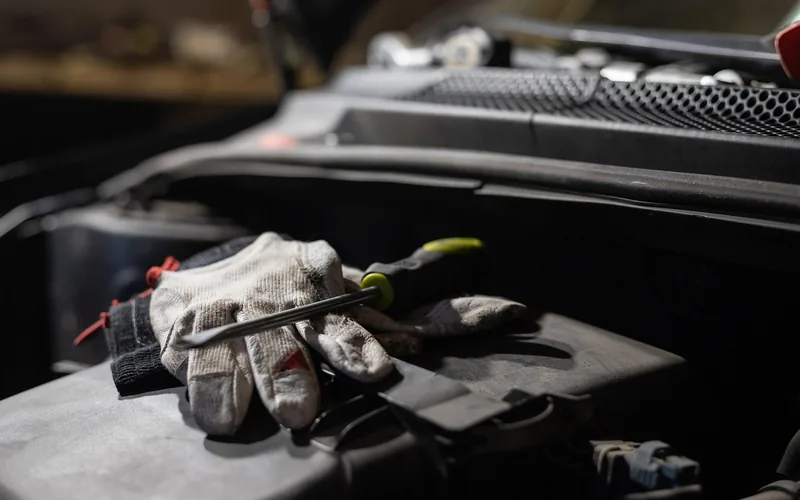
Oil leaks are the single most common cause of smoke under the hood. Oil drips onto hot engine parts — the exhaust manifold, a valve cover, or the engine block itself — and burns off, producing blue-gray smoke with a sharp, burning smell. Worn gaskets, damaged seals, and a loose oil filter are the usual sources. Check your oil level with the dipstick and look for fresh oil spots under the car; both are early warning signs before the smoke ever starts.
Coolant leaks are the second most common cause, and they typically make steam rather than true smoke — though from a distance the two look almost identical. A cracked radiator, a split hose, or a radiator cap that’s lost its seal all let coolant spray onto the hot engine. Unlike an oil leak, a coolant leak usually comes with a sweet smell and can let the engine overheat within minutes if you keep driving on it, so check the coolant level and radiator cap regularly rather than waiting for visible steam.
Is It Overheating, or Just a Fluid Leak?
An overheating engine is one specific cause of hood smoke, not the only one — and it’s worth telling apart because it changes what you should do next. A rising temperature gauge, a burning smell, and steam (which reads visually as smoke) together point to overheating rather than a simple oil drip. A low oil level can also cause overheating even when there’s no coolant leak at all, since oil helps carry heat away from moving parts as well as lubricating them.
Keeping the cooling system in good shape prevents most overheating-related smoke: keep coolant topped up with the correct type for your car, make sure the radiator fins aren’t clogged with dirt or debris, confirm the cooling fan comes on when it should, and inspect hoses for cracks or soft spots. These are simple, five-minute checks that catch a developing leak long before it produces smoke on the road.
Electrical Issues
Short circuits happen when wire insulation wears through and bare wires touch metal or each other. The resulting spark can produce smoke almost instantly, along with an acrid, burning-plastic smell as insulation melts. Loose connections and corroded terminals raise the same risk, since electrical resistance at a bad connection generates heat over time even without a direct short.
Old, brittle wiring is more likely to crack and expose bare copper, and rodents chewing through insulation is a surprisingly common cause of engine-bay wiring damage in vehicles parked outside or in garages for long stretches. A visual check of exposed wiring for chew marks, cracked insulation, or scorch marks during routine maintenance can catch this before it becomes a smoking — or sparking — problem.
Fluid Leaks: Transmission and Brake Fluid
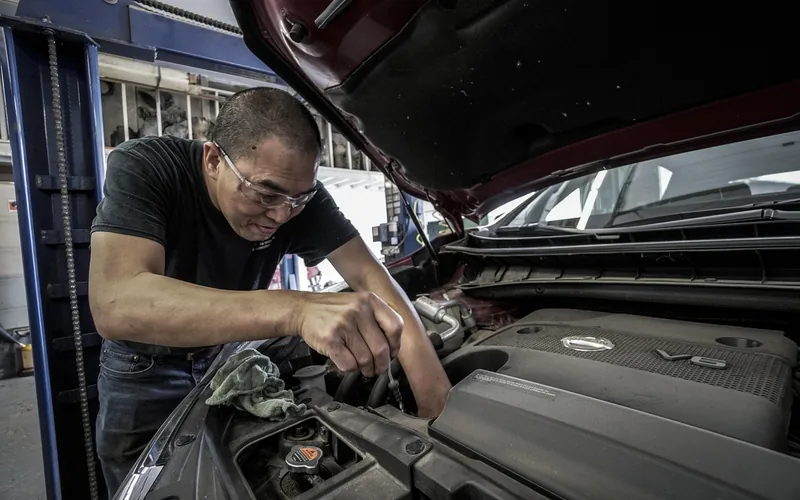
A transmission fluid leak dripping onto a hot exhaust or engine part typically produces red or brown smoke, since the smoke takes on the color of the fluid itself. Low transmission fluid is itself a warning sign worth checking for before smoke ever appears — it can also cause rough or delayed shifting.
A brake fluid leak can also smoke when it contacts hot components, often with a distinct sweet or acrid smell depending on the fluid type. Because brake fluid is safety-critical, any leak — smoking or not — should be treated as urgent; look for wet spots under the car near the wheels and have the brake system inspected right away.
Exhaust System Failures
A damaged catalytic converter can produce white or gray smoke along with a rotten-egg smell, since a failing converter can’t fully process exhaust gases. It also tends to make the engine work harder, which shows up as reduced power and higher fuel use alongside the smoke.
A cracked exhaust manifold lets hot exhaust gas escape before it reaches the rest of the system, often producing blue or black smoke along with a hissing or popping noise. A cracked manifold also lowers engine performance and should be repaired promptly, since continued driving can worsen the crack.
Mechanical Failures: Belts and Gaskets
A broken timing belt or accessory belt can cause the engine to overheat and smoke, since a failed timing belt can stop the engine’s internal timing entirely. Inspect belts regularly for cracking, fraying, or looseness, and replace them on the manufacturer’s recommended interval rather than waiting for a failure.
Faulty gaskets are one of the most common root causes behind both the oil leaks and coolant leaks covered above — a worn head gasket, valve cover gasket, or oil pan gasket lets fluid escape onto hot surfaces. Checking for oil film or coolant residue around gasket seams during an inspection can catch a failing gasket before it produces smoke on the road.
Best Car Fire Safety Pick
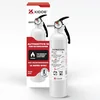
Kidde Auto 10 Fire Extinguisher for Cars and Trucks
A compact, 10-B:C rated extinguisher built specifically for vehicle fires — small enough to mount under a seat or in a trunk.
- Best for: keeping in the vehicle itself for a fast first response before help arrives
- Why we picked it: purpose-rated for cars and trucks, not just a generic home extinguisher
- Main drawback: never use it on an engine fire that’s already large — evacuate and call 911 instead
Compare more smoking-car essentials
 Option 1 Valvoline Multi-Vehicle 50/50 Antifreeze Coolant
|
 Option 2 Etekcity Infrared Thermometer Laser Temperature Gun
|
 Option 3 Castrol EDGE High Mileage Full Synthetic Motor Oil
|
As an Amazon Associate we earn from qualifying purchases.
What to Do If Your Car Is Smoking Under the Hood
These are the same safety steps referenced in the Quick Answer above, laid out as a full sequence. Follow these steps in order:
“Never open the hood or trunk if you suspect there’s a fire there because the additional air flowing in could cause the fire to enlarge.” The same guide recommends staying at least 100 feet away from a burning vehicle.
- Pull over safely: Signal early and move to the shoulder or a parking lot, away from moving traffic.
- Shift to park and turn off the engine: This cuts fuel delivery and power to the engine — the single most useful action you can take before getting out.
- Get everyone out and move away: Exit through the door farthest from the smoke and move to a safe distance, ideally 100 feet or more.
- Do not open the hood if you see flames: Opening the hood feeds a fire more oxygen and can make it flare up — call 911 instead.
- Wait for the smoke to clear, then inspect from a distance: Once no more smoke or steam is visible and the engine has had time to cool, you can look for obvious leaks or check fluid levels.
- Call a tow truck or mechanic: Even if the smoke stops on its own, have the vehicle inspected before driving it again.
Preventive Maintenance Tips
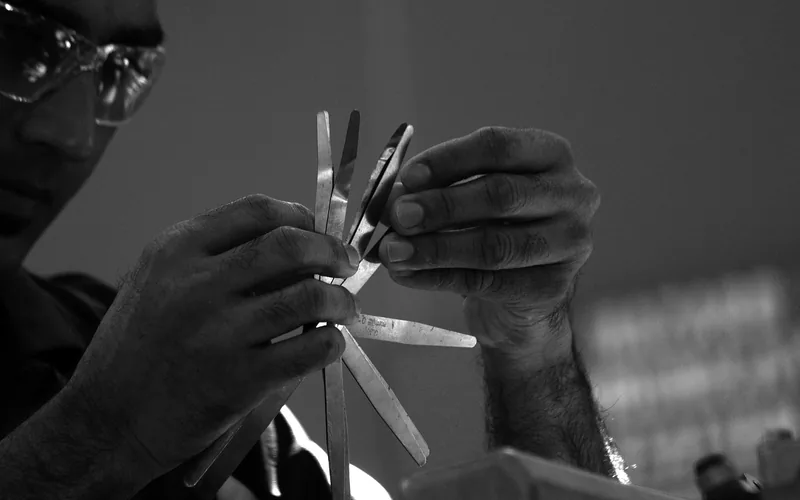
Inspect your car regularly for loose wires, leaking fluids, or unusual noises — these are the earliest signs of the causes covered above. Keep a simple checklist and run through it monthly, or any time you notice a new smell or sound.
Check oil, coolant, and brake fluid levels with the engine cold. Use a clean dipstick for oil, and check the coolant reservoir against its min/max markings rather than guessing. Catching a low level before it causes a leak-driven smoke event is far cheaper than the repair that follows one.
Frequently Asked Questions
What should I do if my car is smoking from the hood?
Pull over safely, shift into park, and turn off the engine right away. Get everyone out of the vehicle and move at least 100 feet away — don’t open the hood if you see flames. Once the smoke has stopped and the engine has cooled, you can check fluid levels or call a tow truck.
What does white smoke under the hood mean?
White smoke that looks like steam is almost always coolant hitting a hot engine, usually from a leaking hose, a loose radiator cap, or a blown head gasket. It’s the most common cause of hood smoke and, once the engine cools, is rarely a fire risk on its own — but driving on low coolant can seriously overheat the engine.
Can I drive my car if it’s smoking under the hood?
No. Smoke under the hood means a fluid, wire, or exhaust part is already failing, and continuing to drive lets the problem get worse — and in some cases start a fire. Pull over, shut off the engine, and have the vehicle inspected or towed before driving it again.
Is it safe to drive with a smoking engine?
It’s not safe. Engine smoke usually points to a fluid leak, overheating, or an electrical fault, any of which can escalate quickly if you keep driving. Stop as soon as it’s safe, turn off the engine, and get the car checked by a mechanic.
Can I drive if my car is smoking but not overheating?
Even without a hot temperature gauge, smoke from the engine bay can mean an oil or fluid leak, a failing belt, or a wiring problem — all of which get worse with more driving. Treat any visible smoke the same way: pull over, shut off the engine, and inspect or call for help before continuing.
What does it mean if the smoke smells like burning plastic?
A burning-plastic or acrid smell with smoke usually points to an electrical short — wiring insulation melting against a hot surface or another wire. This is one of the more urgent causes because damaged wiring can ignite. Turn off the engine immediately and don’t restart it until a mechanic has checked the wiring.
Is it OK to open the hood if my car is smoking?
Only once the smoke has stopped and the engine has had time to cool — and never if you can see actual flames. Opening the hood on an active fire feeds it more oxygen and can make it flare up. If you see flames, stay back at least 100 feet and call 911 instead.
Conclusion
Smoke under the hood is a safety issue first and a diagnostic puzzle second. Pull over, turn off the engine, and get clear of the vehicle before you try to figure out which of these causes applies — the color and smell of the smoke will usually point you to the right one once it’s safe to look. Related reading: what actually causes car fires, and whether an overheating engine can actually explode.
Products related to this article
Sponsored / affiliate links. As an Amazon Associate I earn from qualifying purchases. I may earn additional commission from eligible campaigns.