Is NASCAR Fake? Proven Essential Truths
No, NASCAR is not fake. While high speeds and close finishes can seem unbelievable, the competition is intensely real, relying on driver skill, precise engineering, and strict, enforceable rules to ensure fair, legitimate racing outcomes.
Have you ever watched a NASCAR race, seen the incredible speed, or witnessed a photo finish, and thought, “There’s no way that’s real”? You are not alone! Many new fans wonder if the intensity of stock car racing is scripted or staged. It’s easy to feel skeptical when cars travel 200 miles per hour inches apart. But as someone who loves to dive deep into what makes vehicles tick, I can assure you of this: the drama is all real. NASCAR is a legitimate, high-stakes motorsport.
For everyday drivers like us, understanding the reality behind the sport demystifies that excitement. We are going to pull back the curtain on the physics, the rules, and the sheer human effort involved. Forget the rumors; we’re covering the proven truths that show why NASCAR is as challenging and real as any other major league sport. Let’s separate fact from fiction so you can enjoy the next race with total confidence!
The question “Is NASCAR fake?” pops up constantly. It usually comes from people who see incredible passes or tight pack racing and assume it must be choreographed. My goal here is to break down the core elements that prove NASCAR is fundamentally genuine. We aren’t talking about vague opinions; we are looking at the physical realities of racing. Think of it like this: would engineers spend millions on aerodynamics if the results didn’t truly matter? The answer is no.
Truth 1: The Physics Are Unforgiving and Real
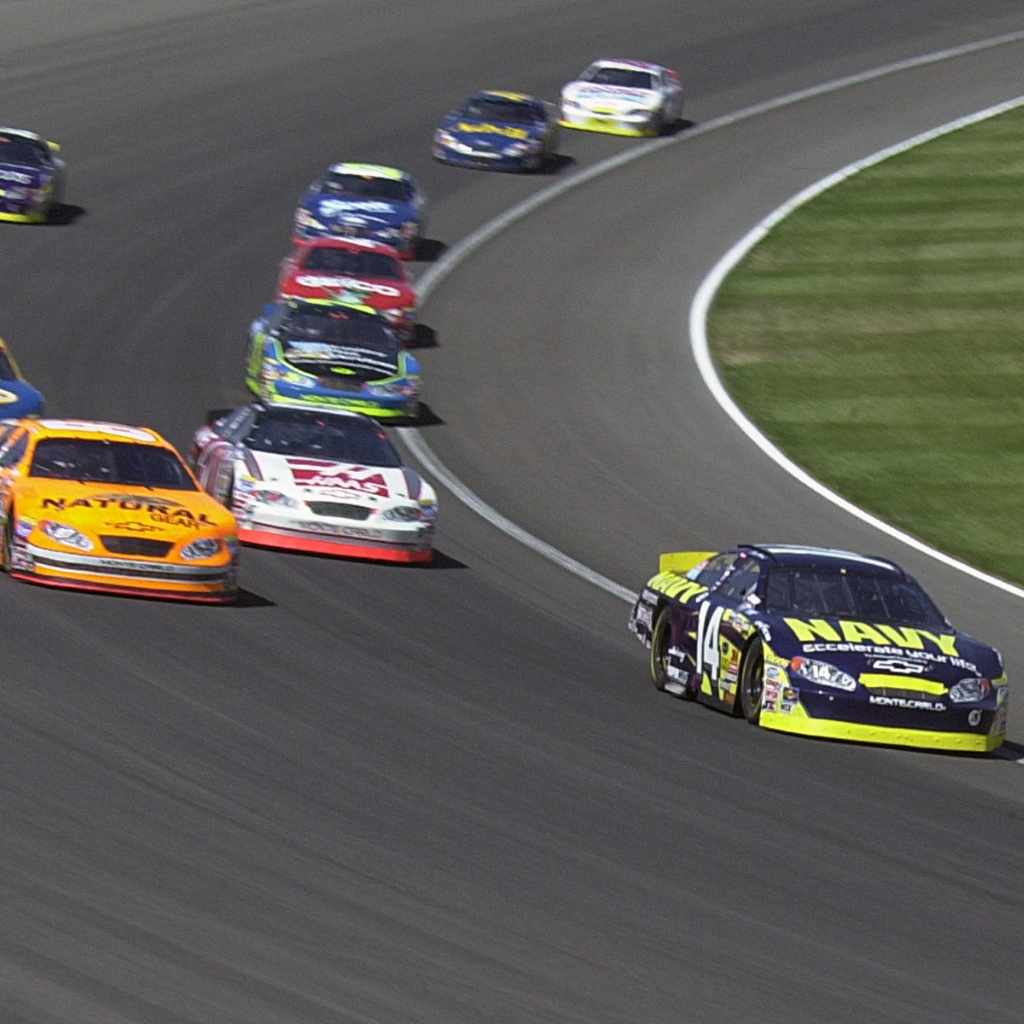
When you see cars running three or four wide at 190 mph, that is pure physics at work—and physics does not lie. If the races were fixed, the risks involved would be pointless. Drivers aren’t acting; they are reacting milliseconds to massive forces.
The Role of Aerodynamics
Modern NASCAR racing, particularly on oval tracks, is heavily influenced by air. Drivers rely on the air pushed away by the car in front of them. This is called “drafting.”
- Drafting: Following closely allows the lead car to push the trailing car forward, reducing drag and increasing speed dramatically.
- Dirty Air: When a car moves out of the draft, it hits “dirty air”—swirling, turbulent air that makes the car unstable and harder to steer. This instantly slows the car down, forcing the driver to correct or fall back.
- Pushing (Side Drafting): Drivers use slight contact or positioning to “push” a car higher up the track or push it loose, which is a genuine tactical move, not staging.
Tire Wear and Grip Management
Tires are arguably the most crucial, and most real, element of the race. If the competition were fake, they wouldn’t have to worry about tires wearing out, blowing, or losing grip.
A tire at 200 mph is spinning hundreds of times per minute. Managing this heat and wear is a constant, tangible battle. A bad pit stop or a driver who pushes his tires too hard too soon will lose the race. It’s an observable, non-scripted factor.
Truth 2: The Drivers are Elite, Not Actors
Putting a driver’s ability under a microscope is the easiest way to dispel any myth of fakeness. These athletes put their lives on the line week after week. Their talent comes from years of practice in less forgiving, lower-powered cars, learning how to control a vehicle at the absolute limit of traction.
Physical Demands
Driving a stock car at race speeds is physically one of the toughest jobs in sports. People often mistake the safety of modern cars for ease of driving. It is anything but easy.
| Factor | Demands on the Driver | Real-World Effect |
|---|---|---|
| Heat | Inside the cockpit can reach 130°F (54°C). | Massive dehydration and rapid fatigue sets in quickly. |
| G-Forces | Drivers endure 3-5 Gs in corners (similar to fighter pilots). | Muscles constantly strain; vision can narrow under pressure. |
| Reaction Time | Must react to traffic changes in milliseconds. | Fatigue directly translates into slower reaction times and potential crashes. |
If a driver makes a mistake, the result is a very real, very violent crash. There is no stunt double for the 500-mile race. If the outcome were predetermined, why invest so much training and allow for such high risk?
Skill vs. Car Performance
While the machines are incredible, the difference between the top ten qualifiers might be just a few hundredths of a second. That tiny margin is purely down to driver input—how they manage the throttle, how perfectly they hit the apex of the corner, and how they manage their braking zones. This delicate dance of control is the antithesis of a fixed event.
Truth 3: NASCAR’s Strict Rule Book Ensures Fair Competition
One of the biggest arguments people use to suggest NASCAR is fake is the idea that the league dictates who wins to keep things exciting. While NASCAR definitely stewards the competition for entertainment value, they do it through rigorous, enforced rules, not by telling drivers who to pass.
The Inspection Process
Every single component of a Cup Series car is meticulously checked before and after a race. This is done by the NASCAR rule book administrators. If a team cheats, they risk massive penalties, including fines, loss of points, and even suspension.
The inspection process validates that every team is starting on a relatively even playing field within the rules package. This involves checking:
- Engine displacement and output specifications.
- Body template measurements (to ensure aerodynamic parity).
- Fuel composition samples.
- The weight distribution of the car post-race.
If NASCAR wanted a specific finish, they wouldn’t bother with exhaustive pre-race technical inspections. They would simplify the rules! For a deeper look into the technical regulations, you can often check the official NASCAR rule book summary, which is treated with similar seriousness as regulations published by bodies like the Federal Highway Administration (though for different purposes).
Managing the Race Flow
The element that causes the most skepticism often happens under caution flags. Why the yellow flag? Why the green flag?
Yellow Flags (Cautions) are necessary for safety, not scripting:
- If debris is on the track, a wreck occurs, or weather changes suddenly, officials must slow the field down to protect safety workers and drivers.
- If officials waited for the field to sort itself out naturally after a major crash, the resulting pile-up could be catastrophic.
The Restart Procedure: The process of lining cars up perfectly for a restart looks highly organized because it has to be! If cars didn’t follow precise restart procedures (like passing below the yellow line on ovals), chaos would ensue immediately, leading to more accidents than the race might produce naturally.
Truth 4: Pit Stops are Pure Strategy and Execution
Pit stops are a major source of excitement, but they are totally dependent on the human element and mechanical precision. A pit stop is often the difference between winning and a disappointing finish. There is no script for a tire going on crooked or a jack man being a half-second too slow.
The Human Stopwatch
NASCAR pit crews practice hundreds of times to execute a four-tire stop in under 12 seconds. This speed comes from perfect choreography, not pre-setting positions.
Consider the variables on a single pit stop:
- Tire Carrier: Must grab the tires, carry them precisely, and hold them steady for the lug nuts.
- Gas Man: Must connect the fuel can, pour the correct amount, and disconnect exactly on cue.
- Changers/Cleaners: Must hit the lug nuts perfectly square every time.
If a team has a slow stop, they lose. If the crew chief calls the team in at the wrong time because they misread the air pressure or strategy window, they lose. These are strategic errors, proof that the outcome is earned, not handed out.
Truth 5: The Entertainment Element is Controlled by Competition, Not Staging
NASCAR is an entertainment product, and like any major sport (the NFL, the NBA), they want close finishes and competitive moments. However, they facilitate this through fair officiating and competition rules, not fabricated drama.
Closing the Gaps (The Package)
In the past, some cars were overwhelmingly fast. To keep races close and exciting for fans watching at home or in the grandstands, NASCAR introduced specific technical packages.
For example, the implementation of the “Next Gen” car was specifically designed to reduce the advantage of airflow and make driver talent play a larger role. If the race was already fake, why spend years and billions developing a new car just to make it harder to dominate?
| If NASCAR Were Fake (Scripted)… | The Reality of NASCAR (Genuine Competition)… |
|---|---|
| They would ensure the top two cars drive perfectly lined up for the final lap. | Close racing is due to parity in machinery and complex aerodynamic physics. |
| Crashes would be perfectly timed to remove a “bad guy” driver. | Crashes are caused by physical error, tire failure, or debris, resulting in real injury risk and mechanical failure. |
| The winner would be chosen before Sunday morning. | The winner is often determined in the final five laps based on fuel, tire management, and split-second driver decisions. |
Rivalries are Organic
The famous rivalries in racing—think Earnhardt vs. Petty, or Gordon vs. Johnson—were not manufactured by the PR department. They built up naturally because two highly competitive drivers pushing the limits in the same machinery create friction. When drivers bump or trade paint, it’s a direct, unscripted response to race strategy, often leading to real, audible confrontations in the garage afterward.
The Beginner’s Guide to Spotting Real Racing Moments
If you’re new to the sport and trying to trust what you see, look for these indicators of genuine effort and competition:
- The “Tire Strategy Bomb”: Watch a race where one team decides to gamble and pit very early or very late for new tires while others stay out. If this strategy pays off, it’s a brilliant call by the crew chief, not a storyline pre-written.
- The Unforced Error: Watch someone slide up the track coming out of the corner because they gave the throttle just a touch too much. That driver just lost three spots due to a physical slip—unscripted.
- The Mechanical Failure: A car suddenly smoking, slowing down inexplicably, or dropping off the pace line often means an engine component failed. Mechanics can’t script an engine detonation.
- The Overtime Dilemma: When a late caution forces an overtime finish, the ensuing green-white-checkered battle is sheer chaos guided by adrenaline. Everyone is running on their last drop of fuel or last bit of grip. Excitement here is guaranteed because it’s unpredictable.
Trust your instincts on this: the raw emotion you see from a winner crossing the line or the visible frustration of a driver whose race was ruined by a competitor’s aggressive move are the realest parts of the show. Fans crave authenticity, and NASCAR delivers it through speed and danger.
FAQ: Clearing Up Common Beginner Questions About NASCAR
Q1: If drivers are so good, why do they race in packs so close together?
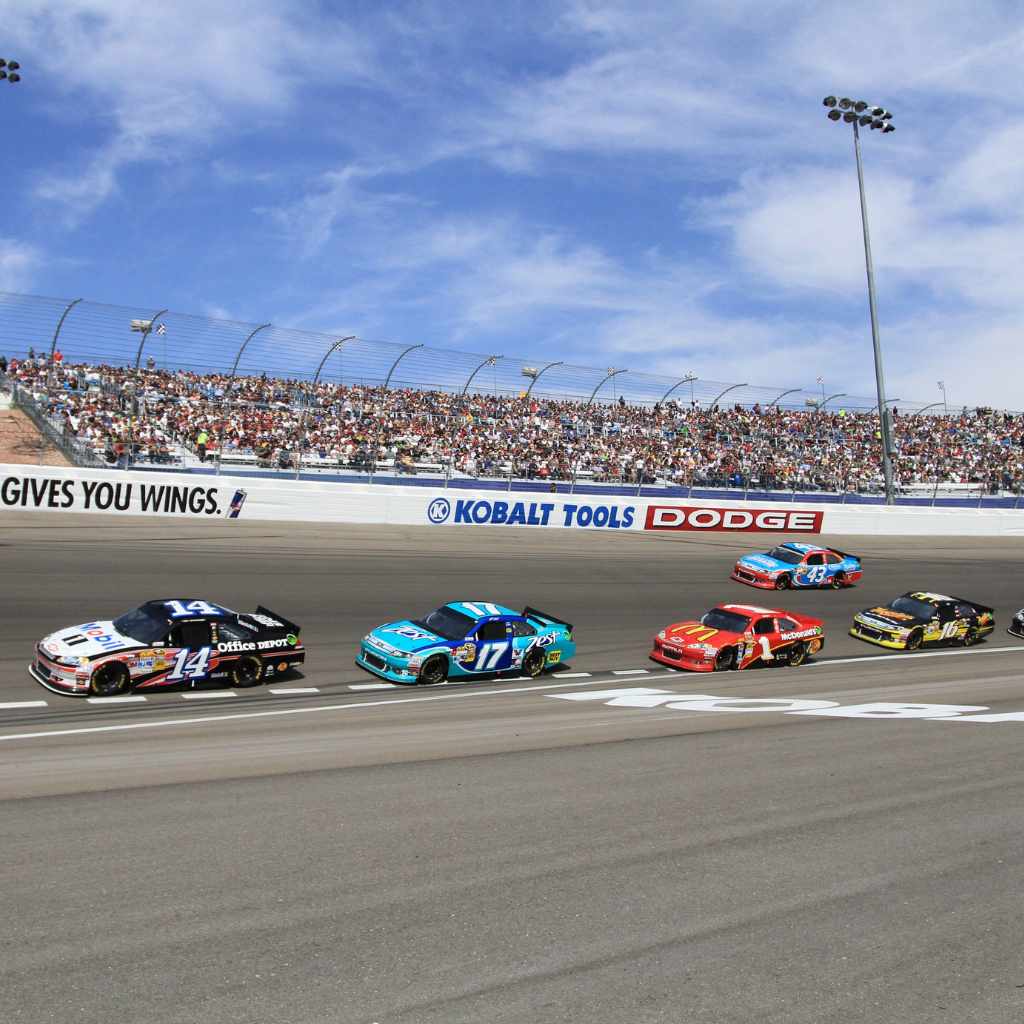
A: They race close together because it is the fastest way around the track! Drafting creates a high-speed slingshot effect. Being alone means fighting air resistance (drag) by yourself, making you slower. They pack up to gain speed, but it raises the risk of contact.
Q2: What is “stacking up” on a restart, and is it planned?
A: “Stacking up” happens when the second-place car slows down just before the start/finish line, waiting for the car ahead of them to pass him so they can get a run on the outside. This is a deliberate, smart tactic drivers use to gain momentum for the pass, proving strategic thinking, not staging.
Q3: Do NASCAR drivers actually get paid differently based on how “exciting” they are?
A: Drivers earn salary and bonuses based on performance (wins, overall series points). However, popular, exciting drivers bring in more sponsorships for their teams. While excitement helps the business, it does not determine race outcomes. Finish position determines the actual prize money.
Q4: Why do cars always seem to wreck when they are running smoothly?
A: As cars run close together, the airflow disturbance (dirty air) on the trailing car makes it suddenly unstable. A small steering correction that would be fine on an open road can cause a spin at 190 mph. The environment changes so quickly that perfect driving is sometimes impossible.
Q5: Are the tires deliberately made to wear out quickly to force more pit stops?
A: Tire wear is a calculated side effect of physics, not a secret plot. Tires are designed to offer maximum grip up to a point. Pushing them beyond that limit through high speeds and heavy cornering generates heat, which causes them to degrade. Managing that degradation is part of the race strategy.
Q6: If NASCAR needed a specific finish, wouldn’t they just change the yellow flag rules?
A: They do adjust caution rules, but always with safety in mind. Officials use cautions to manage speed for safety reasons (wrecks, debris). Changing the rules to favor one outcome would be immediately detectable by every team engineer watching the telemetry, defeating the purpose of any supposed “script.”
The Final Check: Why You Can Always Trust the Green Flag
We’ve looked at the incredible physical forces, the elite skill sets required by the drivers, and the incredibly intense scrutiny applied to the machinery by inspectors. Every factor points toward one conclusion: NASCAR is a genuine, high-level athletic and engineering contest.
The reason people question it is simple: the level of competition is so high that the results often defy probability. When two cars run side-by-side for ten laps, separated by mere inches and separated by only a few MPH, it looks unbelievable, but it is simply the peak of human capability meeting cutting-edge machine design under extreme duress.
As an everyday driver, you can appreciate NASCAR for what it truly is: a laboratory of speed and a testament to human reaction time. The close calls, the last-second passes, and the stunning underdog victories are not the product of a scriptwriter; they are the genuine, hard-fought results of drivers executing flawless maneuvers while fighting the very real limits of friction and speed. So next time the checkered flag waves, know that the victory was truly earned on the track.