Is Passing a Pilot Vehicle Against the Law Explained
So, you’re curious about whether Is It Illegal to Pass a Pilot Car? Laws Explained. It’s a common question, especially for those new to oversized load transport or driving on highways where pilot vehicles are present. Don’t worry, it’s not as tricky as it sounds! We’ll break it down step-by-step, making it easy to see the rules. This guide will help you see the rules and regulations. Let’s get started.
Pilot Vehicle Basics and Their Purpose
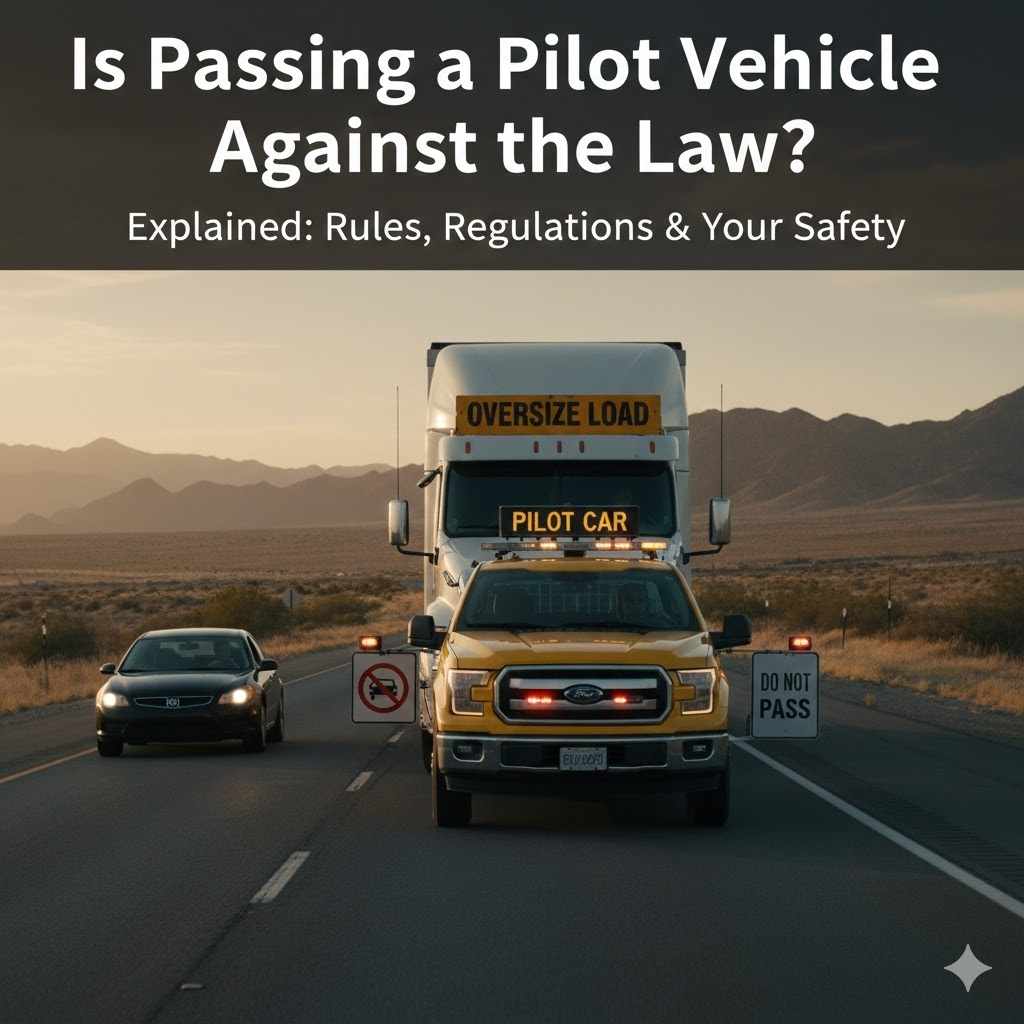
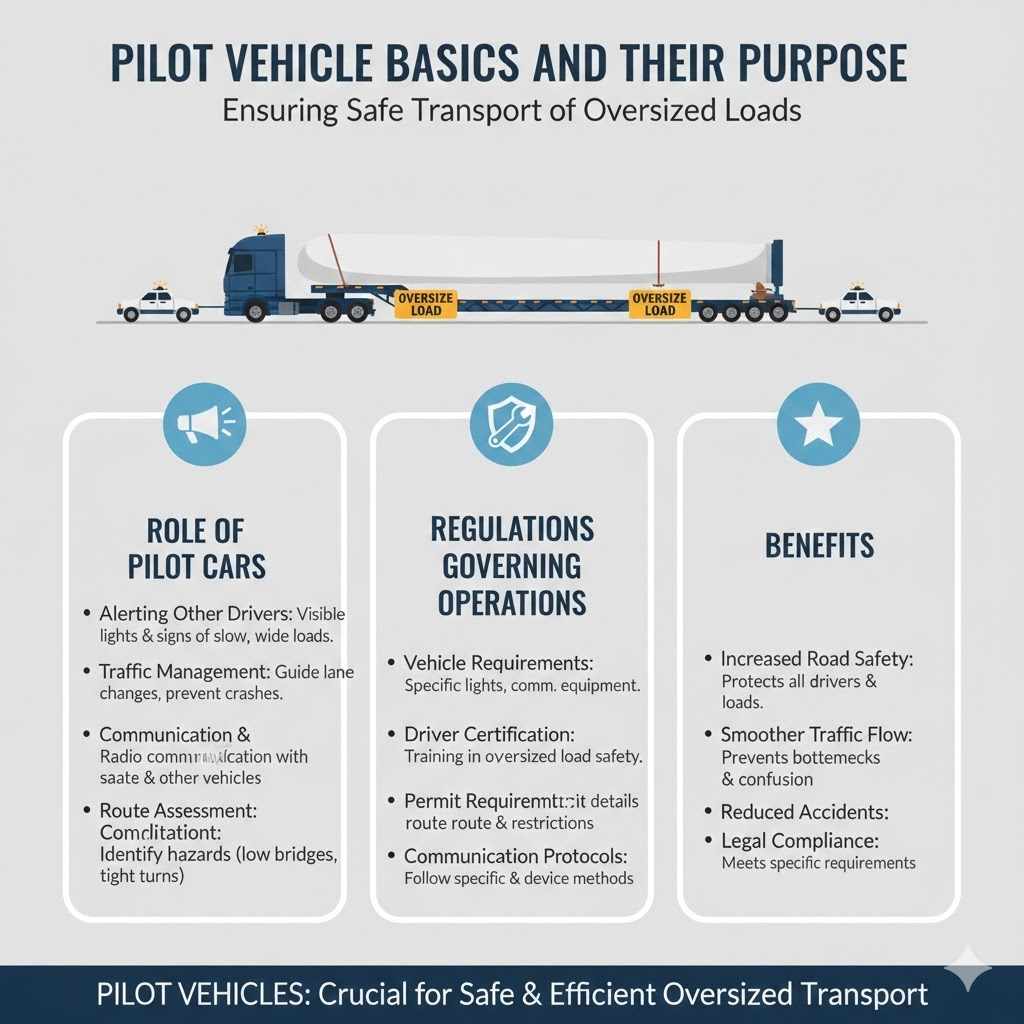
Pilot vehicles, also known as escort vehicles or chase vehicles, play a vital role in ensuring the safe transport of oversized or overweight loads on roads. These vehicles accompany the oversized load, providing warnings to other drivers and helping to manage traffic flow. The primary aim is to protect everyone on the road, including the drivers of the oversized vehicles, other motorists, and the pilot vehicle itself. Pilot vehicles use various methods to communicate with other drivers, making the road a safer place for all.
Role of Pilot Cars in Road Safety
Pilot cars are an essential part of keeping roads safe. They use visual cues, like flashing lights and flags, to alert other drivers. They also communicate via radio to coordinate movements. This coordination helps other drivers know what to expect. They also provide drivers of the oversized loads with information about the road conditions ahead. Pilot vehicles can also help with lane changes and guide the oversized load through tricky areas. All these things reduce the chances of accidents.
- Alerting Other Drivers: Pilot cars use highly visible lights and signs to warn drivers of the oversized load. They let other drivers know about the slow-moving vehicle and any needed lane changes.
- Traffic Management: They assist in managing traffic, especially during turns or lane changes. They provide guidance to prevent crashes and ensure a smooth flow.
- Communication and Coordination: They maintain communication with both the oversized load and other vehicles on the road. This ensures everyone is aware of the situation and can react accordingly.
- Route Assessment: Pilot vehicles check the route ahead of the oversized load to identify potential hazards. They inform the drivers of the load about any potential issues, such as low bridges or tight turns.
For instance, imagine a large wind turbine blade being transported. The pilot car would drive ahead, alerting drivers to the unusual size of the load and possible lane closures. Or, consider a construction site with a massive piece of equipment. The pilot car would signal for traffic to slow down or move over, ensuring the equipment can move safely through the area.
Regulations Governing Pilot Vehicle Operations
Each state has specific rules about how pilot cars should operate. These regulations dictate things like vehicle equipment, required training for the drivers, and the situations when pilot vehicles are needed. These regulations make sure that pilot cars can do their jobs effectively. They help to create a standard, so everyone knows what to expect on the road.
- Vehicle Requirements: Pilot vehicles must meet certain standards, including having specific lights, signs, and communication equipment. These items need to be kept up to date for safety reasons.
- Driver Certification: Pilot vehicle drivers must have proper training and certification. They should know how to work with oversized loads. They also need to know road safety.
- Permit Requirements: Transporting an oversized load requires a special permit. The permit details the route, time restrictions, and any requirements for pilot vehicles.
- Communication Protocols: Pilot vehicles must follow specific communication methods to coordinate with the oversized load and other drivers. This includes the use of radios and other devices.
Consider a situation where a state mandates that pilot vehicles must have a minimum of two flashing amber lights on the roof. This rule helps drivers easily spot the pilot vehicle, especially in bad weather or at night. Or, if a driver transports oversized items across state lines, the driver needs to know the different regulations in each state. The driver should also get a permit to make sure they are following the laws.
Legal Status of Passing Pilot Cars
The legal aspects of passing a pilot car vary depending on the location and specific circumstances. In some cases, passing a pilot car might be legal, while in others, it could be strictly prohibited. Understanding the local laws is critical to avoid citations and ensure road safety. The primary goal is to promote safe driving practices and prevent accidents that could happen when passing vehicles.
State-Specific Laws on Passing Pilot Cars
Laws about passing pilot cars depend on where you are. Some states clearly state whether you can pass a pilot vehicle and under what conditions. Other states don’t have laws, so drivers need to use common sense. It is vital to check local laws before driving where pilot vehicles are present. Some states may prohibit passing in certain zones. These zones could include school zones or construction areas. States may also limit when passing is allowed, like only when there is a clear view of the road.
- Prohibited Zones: Many states prohibit passing in specific zones. These include areas with limited visibility, like curves or hills. Also, school zones and work zones may be off-limits.
- Permitted Passing: In some states, passing is allowed under specific conditions. Drivers may be allowed to pass if there is a clear view of the road and it’s safe to do so.
- Signage and Markings: Road signs and markings provide critical information. They may indicate when passing is not allowed. Drivers should follow these directions.
- Pilot Car Instructions: Pilot car drivers can give instructions to other drivers, such as whether or not it’s safe to pass. It’s always best to listen to their instructions for safety.
For example, in a state that permits passing pilot vehicles under specific conditions, a driver might be allowed to pass on a multi-lane highway, if it’s safe to do so. However, the driver must maintain a safe distance and not exceed the speed limit. Another example is driving on a two-lane road. Passing might be banned if the road has double yellow lines. Drivers are likely to receive a citation if they pass a pilot car in a prohibited area.
Situations Where Passing Might Be Restricted
There are instances where passing a pilot car is usually not allowed. This is especially true when it comes to road safety. Limited visibility is a common reason. Blind curves and hills are common places where passing is forbidden. Construction zones are another place where passing is often restricted. Pilot cars are working to keep drivers safe.
- Limited Visibility: Passing is often forbidden where visibility is restricted, such as hills and curves. Pilot cars might be unable to see oncoming traffic and signal for a safe pass.
- Construction Zones: Passing is often prohibited in construction zones. These zones have narrow lanes and workers. It makes passing dangerous.
- School Zones: Passing may be restricted in school zones to protect children. Pilot cars usually follow the same rules as other vehicles.
- Specific Signage: Road signs indicate when passing is forbidden. Drivers are supposed to follow the signs to stay safe and avoid fines.
Consider a situation where a pilot car is escorting a wide load around a blind curve. The driver must not pass because of limited visibility. The pilot car may have no visibility of oncoming traffic. Another example is a school zone, where passing is not allowed during specific hours. The pilot car’s speed should also be reduced to match the school zone speed limit to keep children safe.
Penalties and Consequences for Illegal Passing
Breaking the rules about passing pilot vehicles can result in fines, license points, or even more serious consequences, depending on the severity of the offense and the location. These penalties are designed to deter illegal actions and promote compliance. The goal is to discourage risky driving and increase road safety for everyone. The penalties vary from state to state.
Types of Penalties for Violating Passing Laws
Penalties for passing pilot cars illegally can include monetary fines, points on a driver’s license, and other punishments. The exact penalty depends on the state and the nature of the violation. The penalties should discourage drivers from making unsafe choices. These consequences make sure drivers follow the rules of the road.
- Monetary Fines: Drivers could receive a fine. The amount can vary depending on the severity of the offense and the state’s laws.
- Points on License: Violations may add points to a driver’s license. Accumulated points can result in a license suspension or revocation.
- License Suspension/Revocation: Repeated violations or particularly dangerous passing behavior could lead to license suspension or revocation. This means you will not be allowed to drive.
- Court Appearance: In some cases, drivers might have to appear in court. A judge will decide the penalty based on the details of the violation.
For instance, if a driver passes a pilot car in a construction zone where passing is prohibited, they might face a fine of several hundred dollars. In addition, the driver may receive points on their driving record. If a driver repeatedly passes pilot cars illegally, the state could suspend their license. This will prevent them from driving for a specific time.
Legal Recourse and Challenging a Citation
Drivers who receive a citation for illegal passing often have options to challenge it. Drivers may be able to fight a ticket if there are reasons to do so. Understanding these choices will help you deal with the situation properly. The best decision depends on the details of the situation. Consulting with a lawyer who understands traffic laws could be helpful.
- Review the Citation: Check the details of the citation carefully. Make sure the information is correct, including the date, time, and location of the violation.
- Gather Evidence: Collect any evidence that supports your case. Photos, videos, or witness statements could be helpful.
- Attend Court: If you choose to fight the citation, you may need to appear in court. Be prepared to present your evidence and explain your case to the judge.
- Consider Legal Counsel: If you’re unsure how to proceed, consider consulting a traffic attorney. An attorney can give advice and represent you in court.
Consider a scenario where a driver is issued a ticket for passing a pilot car in a construction zone. The driver may dispute the ticket if they can show the construction zone signs were unclear or not in place. The driver has the option to gather photos of the unclear signage to use in their defense. This could potentially result in a dismissed ticket or reduced fine. Another example is a situation where the driver has a witness. If a passenger saw what happened, their statement can be used to help the driver’s case.
Safety Tips for Driving Near Pilot Cars
Driving safely near pilot cars involves awareness of their role and following best practices to stay safe. Pilot cars are on the road to ensure the safety of other drivers. Understanding how pilot cars function can help prevent crashes and keep the roads safer for everyone. By following safe driving habits, you can contribute to a safer driving environment.
Safe Driving Practices Around Pilot Vehicles
Safe driving practices around pilot vehicles are essential to keep you and others safe. This includes maintaining a safe following distance, paying attention to signals, and exercising patience. It is important to know how to react when around pilot vehicles. All of this can help you avoid accidents. The key is to be prepared and anticipate any possible moves of pilot vehicles.
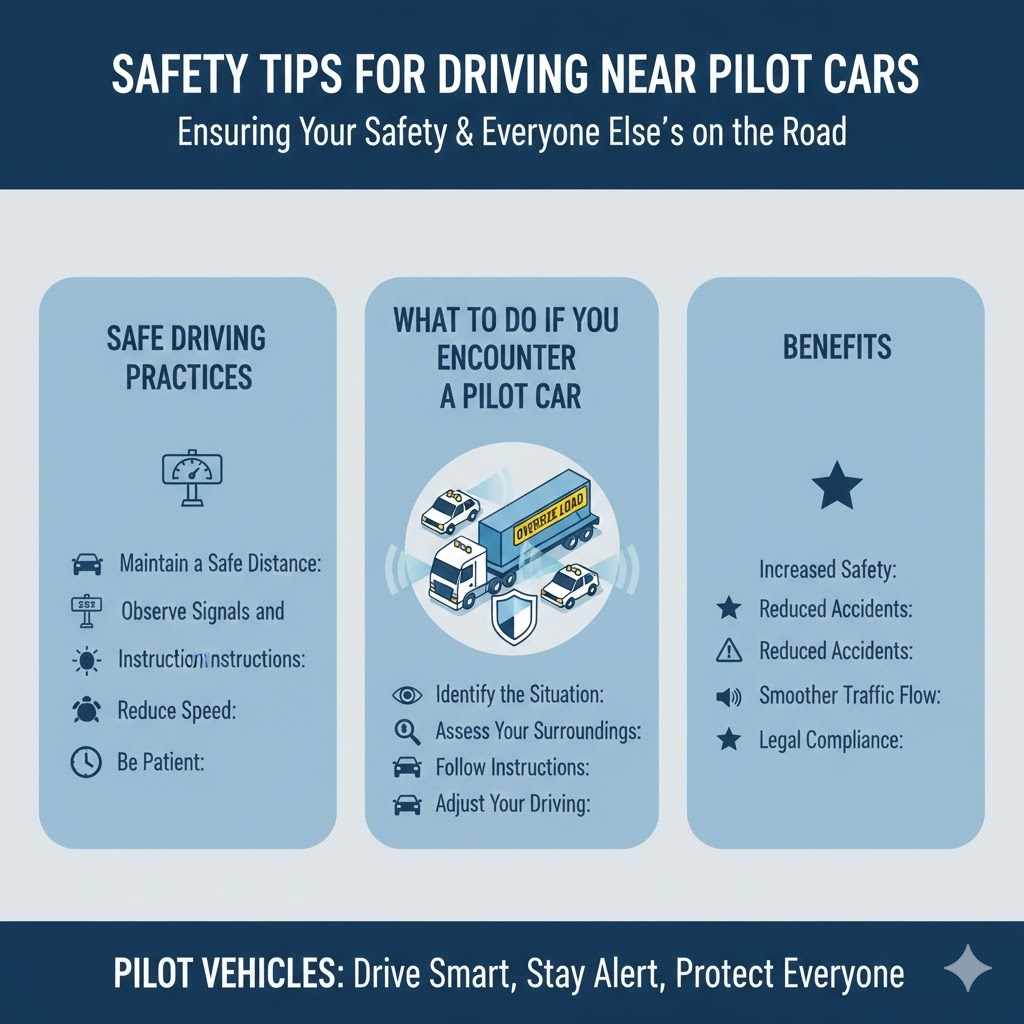
- Maintain a Safe Distance: Keep a safe distance from the pilot vehicle and the oversized load. This gives you time to react to any sudden changes.
- Observe Signals and Instructions: Pay attention to the pilot car’s signals. Also, follow any instructions given by the driver.
- Reduce Speed: Slow down when approaching a pilot car, especially in construction zones or areas with limited visibility.
- Be Patient: Allow extra time for your trip. Pilot vehicles may be moving slowly.
For example, when approaching a pilot vehicle on a two-lane road, slow down and be ready to stop if the pilot car signals for you to do so. Maintain a safe following distance to react to any changes in traffic. In another situation, if you are driving on a highway, use caution when the pilot car is merging or changing lanes. Watch the pilot car for signals. Then, adjust your driving to avoid causing any hazards. These actions can help prevent accidents and make roads safer for everyone.
What to Do if You Encounter a Pilot Car
When you encounter a pilot car, there are specific things you should do to ensure your safety and the safety of others. Knowing how to react to different scenarios is important. These practices can help ensure that you will deal with the situation safely. It’s about being prepared and knowing what to expect when you’re on the road.
- Identify the Situation: First, recognize that you are approaching a pilot car. Look for the flashing lights, signs, and oversized load.
- Assess Your Surroundings: Evaluate the road conditions, visibility, and traffic. Make sure you know what is happening before you take action.
- Follow Instructions: Obey any instructions given by the pilot car. The instructions are for your safety and the safety of everyone else on the road.
- Adjust Your Driving: Adjust your driving behavior accordingly. Slow down, maintain a safe distance, and be ready to stop.
For instance, if you’re approaching a pilot car on a two-lane road with a solid yellow line, avoid attempting to pass, since it’s likely illegal and dangerous. Another example is if the pilot car is signaling for you to merge into a different lane. You should signal your intention and merge into the lane safely, following the instructions of the pilot car. These are just some steps you can follow to ensure your safety and the safety of other road users.
Frequently Asked Questions
Question: Can I always pass a pilot car on a multi-lane highway?
Answer: No, it depends on the local laws and the specific circumstances. Always check for signage, and only pass when it is safe and allowed by the law.
Question: Are pilot cars always required for oversized loads?
Answer: Yes, pilot cars are often required. It depends on the size and weight of the load. Local regulations will explain when pilot cars are needed.
Question: What should I do if a pilot car signals me to stop?
Answer: You should always stop when directed by a pilot car, as they are providing guidance for your safety and that of the oversized load.
Question: Do pilot car drivers need any special licenses?
Answer: Yes, pilot car drivers generally require special training and certification to ensure they understand road safety and transport regulations.
Question: What are the main hazards when driving near a pilot car?
Answer: Hazards include reduced visibility, unexpected lane changes, and slow-moving vehicles. Pay close attention to the road and the pilot car’s signals.
Final Thoughts
To recap, knowing the laws about passing a pilot car is vital for everyone. They are there to keep you safe. Pilot cars manage traffic, warn about oversized loads, and coordinate movements on the road. The rules about passing pilot cars vary depending on location. Breaking the rules can lead to fines, points on your license, or more serious consequences.
Always be aware of your surroundings, follow any instructions given by pilot car drivers, and practice safe driving habits. By doing so, you contribute to safer roads for everyone. Remember, your safety and the safety of others are the most important thing. Keep an eye on the pilot car signals, be ready to react, and drive carefully. Drive safely!