JL Audio Subwoofer for Car: W-Series Models Compared
JL Audio’s W-series subwoofers are purpose-built for car interiors, with four tiers to choose from: the budget-friendly W1, the versatile W3v3, the class-leading W6v3, and the flagship W7AE. Picking the right one comes down to your budget, available trunk space, and how much amplifier power you’re feeding it.
JL Audio has built car subwoofers since 1993, and the W6v3 in particular is now on its third generation of refinement – the company’s own engineering notes describe it as the result of chasing “small box bass perfection” for over two decades. That reputation is exactly why the brand shows up in so many car-audio buying guides, and why shoppers searching for a JL Audio subwoofer want to know which series actually fits their car and their budget before they spend the money. This guide walks through the lineup, how to size an enclosure, how to match an amplifier, and how to avoid an unauthorized reseller when you’re ready to buy.
JL Audio’s Car Subwoofer Lineup: W1, W3, W6 & W7 Explained
COMPLETE PLUG-AND-PLAY ALTERNATIVE
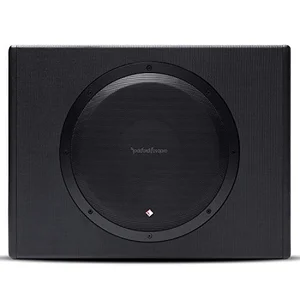 |
Rockford Fosgate Punch P300-12 Amplified 12″ Subwoofer – $389.99 If you’d rather skip sourcing a separate driver, amplifier, and enclosure like a JL Audio W-series build requires, this 12-inch subwoofer ships as one sealed unit with its amp already wired in.
|
All four W-series lines share the same basic mission – deep, accurate bass from a compact car-friendly footprint – but they’re aimed at different budgets and power levels:
| Series | Common Sizes | Typical Power Handling | Best For |
|---|---|---|---|
| W1 | 8″, 10″, 12″ | Up to ~300W RMS | Entry-level upgrade on a tight budget |
| W3v3 | 8″, 10″, 12″ | Up to ~500W RMS | A step up in output without a huge price jump |
| W6v3 | 10″, 12″ | Up to 600W RMS (dual 4-ohm coils) | Small-box output for daily drivers |
| W7AE | 10″, 12″, 13.5″ | High RMS handling, built for extreme output | Enthusiasts and SPL-focused builds |
The W6v3 is a good reference point for what a “mid-tier” JL Audio subwoofer actually delivers: the 10-inch model is rated for 600 watts RMS on its dual 4-ohm voice coils and is designed to work with an amplifier in the 200–600W range. That’s enough headroom for most daily-driver builds without needing a second subwoofer or a massive amp.
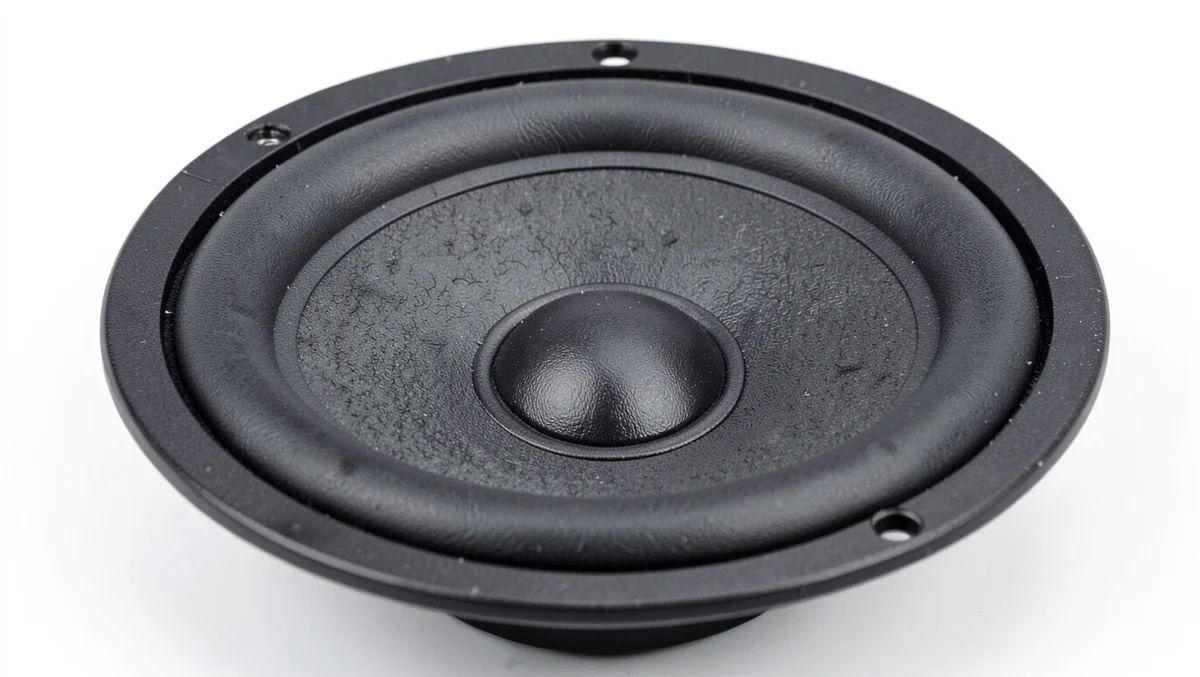
Sealed vs. Ported: Picking the Right Enclosure for a JL Audio Subwoofer
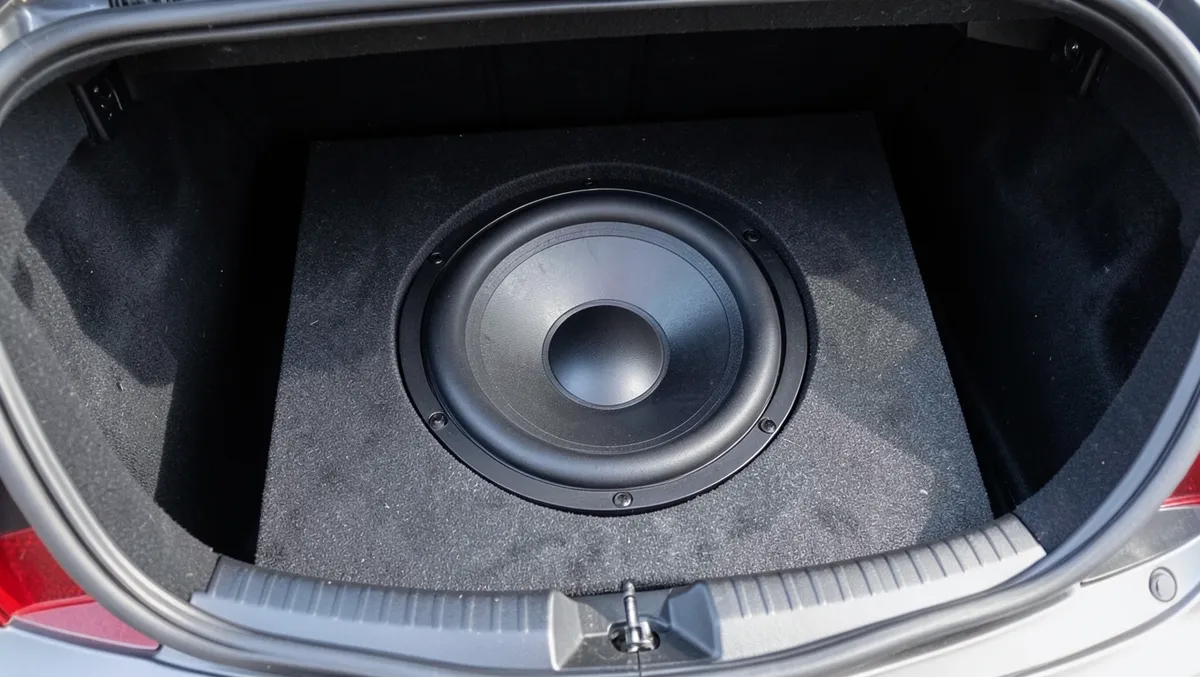
Every W-series driver is designed around a specific enclosure volume, and getting that box wrong is the single biggest reason a subwoofer sounds weak or boomy. As an example, JL Audio’s own specs for the 10-inch W6v3 call for a 0.55 cubic-foot sealed box or a 0.75 cubic-foot ported box – both small enough to fit in a sedan trunk without eating all your cargo space.
- Sealed enclosures are smaller and give tighter, more accurate bass – a good match for hip-hop, rock, or anyone who wants punchy, controlled low end.
- Ported enclosures are larger but produce louder, deeper bass for the same amplifier power – better suited to EDM, hip-hop bass drops, or SPL-focused listeners who want maximum output.
Never assume a box built for one series will work for another – a W7 in a W3-sized enclosure (or vice versa) will underperform no matter how much amplifier power you throw at it. Always check the enclosure volume for your exact model and size before buying or building a box.
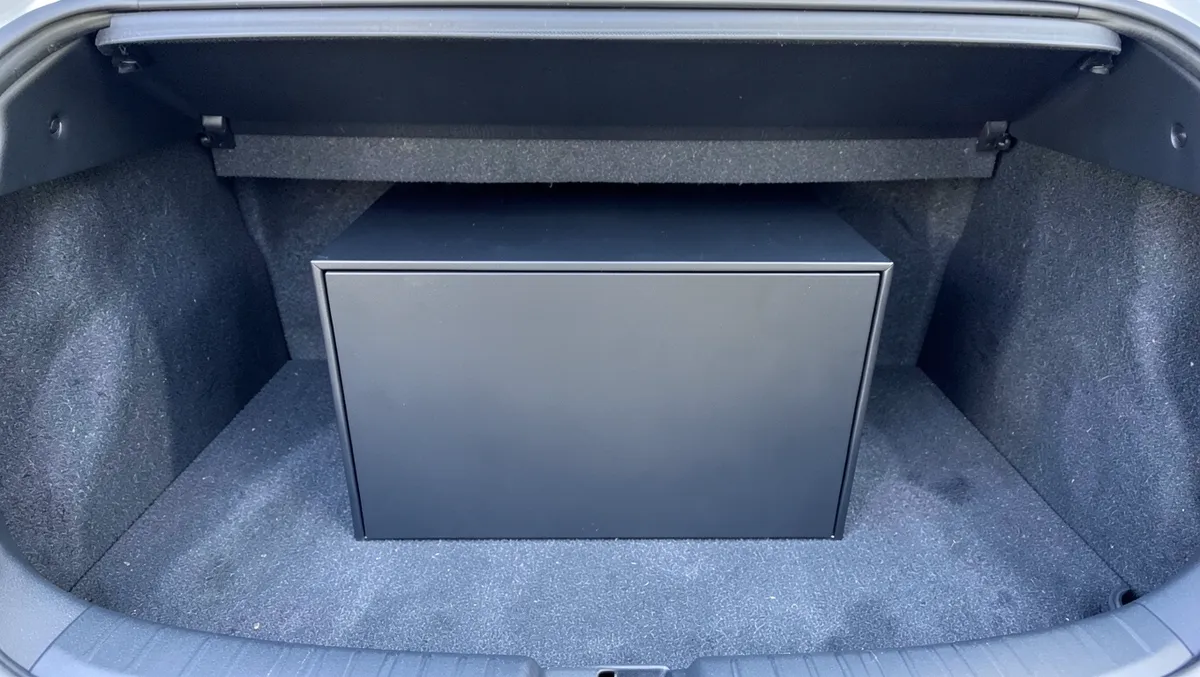
Matching an Amplifier to Your JL Audio Subwoofer
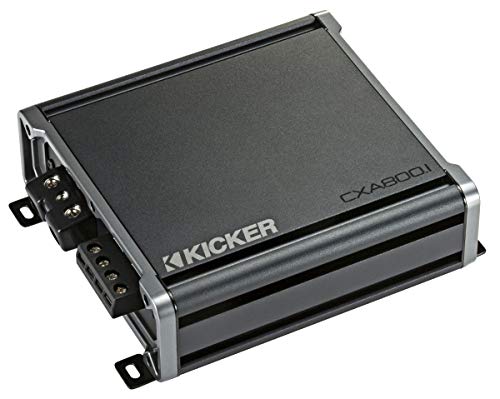
A JL Audio subwoofer’s rated RMS power is a range, not a single number, because the right amplifier depends on the wiring (the ohm load you wire your voice coils to) and how loud you actually want to run it. Underpowering a subwoofer with a weak amp is safer than overpowering it, but neither extreme sounds good – aim to stay inside the manufacturer’s stated wattage range for your specific model and size.
If you’re installing the amp and subwoofer yourself for the first time, our beginner-friendly guide to wiring a car subwoofer walks through series vs. parallel wiring, gain setting, and the wiring mistakes that most often damage a new driver. And if your subwoofer’s amplifier will be drawing significant current, it’s worth checking whether a battery isolator makes sense for your car audio setup before you wire everything in.
Where to Buy a Genuine JL Audio Subwoofer (and Avoid Counterfeits)
JL Audio enforces a strict authorized-dealer policy, which is part of why genuine new W-series drivers aren’t always easy to find as straightforward, in-stock marketplace listings the way a mass-market subwoofer brand might be. That’s actually a good sign for buyers – it means JL Audio is trying to keep counterfeit and gray-market units out of circulation – but it also means you should be cautious about a JL Audio listing from a seller you don’t recognize.
The safest ways to buy a genuine JL Audio subwoofer are through JL Audio’s own dealer locator on its official website, a car audio specialty retailer that carries the brand directly (Crutchfield and Sonic Electronix both do), or a local car audio installer who stocks JL Audio products. If you already own a JL Audio subwoofer and just need a replacement part – a torn foam surround is the most common failure point after years of use – JL Audio also sells official repair kits matched to specific models, which is a far cheaper fix than replacing the whole driver.
Frequently Asked Questions
What Makes JL Audio Subwoofers Different From Other Brands?
JL Audio designs each W-series subwoofer and its recommended enclosure volume together as a matched system, rather than selling a generic driver that’s expected to work in any box. Combined with a strict authorized-dealer network and decades of small-box bass engineering, that’s why the brand has a strong reputation among car audio enthusiasts for consistent, predictable performance.
What’s the Difference Between the W6 and W7 Series?
The W6v3 is JL Audio’s small-box performance line, built to deliver strong bass from a compact sealed or ported enclosure with up to 600 watts RMS on the 10-inch model. The W7AE is the flagship above it, engineered for higher output and larger power handling for enthusiasts building a dedicated, higher-budget system. Most daily-driver setups are well served by a W6v3; the W7AE is aimed at drivers chasing maximum output.
Do JL Audio Subwoofers Need a Specific Amplifier?
You don’t need a JL Audio-branded amplifier, but you do need one that matches the subwoofer’s rated RMS power range and the ohm load created by how you wire the voice coils. Check the specific model’s spec sheet for its power range before buying an amplifier, and when in doubt, choose an amp on the lower end of the range rather than the higher end.
Should I Choose a Sealed or Ported Enclosure?
Choose a sealed enclosure for tighter, more accurate bass in a smaller footprint, or a ported enclosure if you want louder, deeper output and have the extra trunk space to spare. Both options are supported for most W-series models, but each has its own specific volume requirement listed in the subwoofer’s owner’s manual.
How Can I Tell if a JL Audio Subwoofer Is Genuine?
Buy only from JL Audio’s official dealer locator or a retailer you can confirm is an authorized dealer, since unauthorized third-party listings are the most common source of counterfeit or gray-market units. A genuine unit will also include a valid serial number and full manufacturer warranty coverage, which counterfeit and gray-market units typically don’t honor.
Conclusion
Picking the right JL Audio subwoofer comes down to matching the series to your budget and how much bass you actually want: the W1 and W3v3 cover entry-level upgrades, the W6v3 is a strong all-around choice for daily drivers, and the W7AE is built for enthusiasts chasing maximum output. Whichever series you choose, size the enclosure correctly, pair it with an amplifier inside its rated power range, and buy from an authorized dealer to make sure you’re getting a genuine driver backed by a real warranty.
Products related to this article
Sponsored / affiliate links. As an Amazon Associate I earn from qualifying purchases. I may earn additional commission from eligible campaigns.