Blow Machine for Car: What It Is and How to Use One
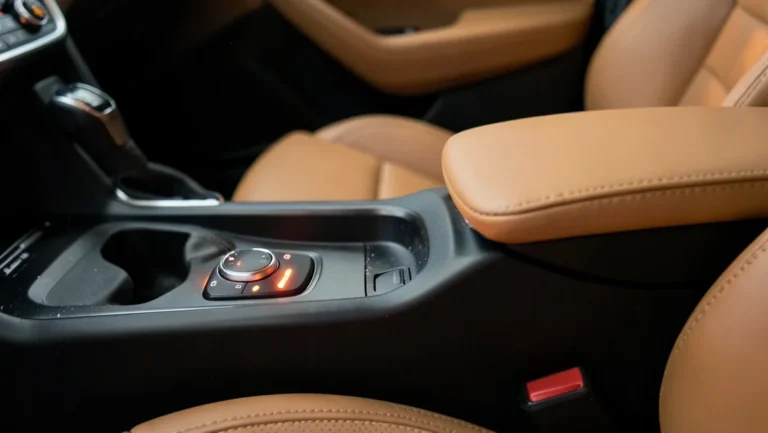
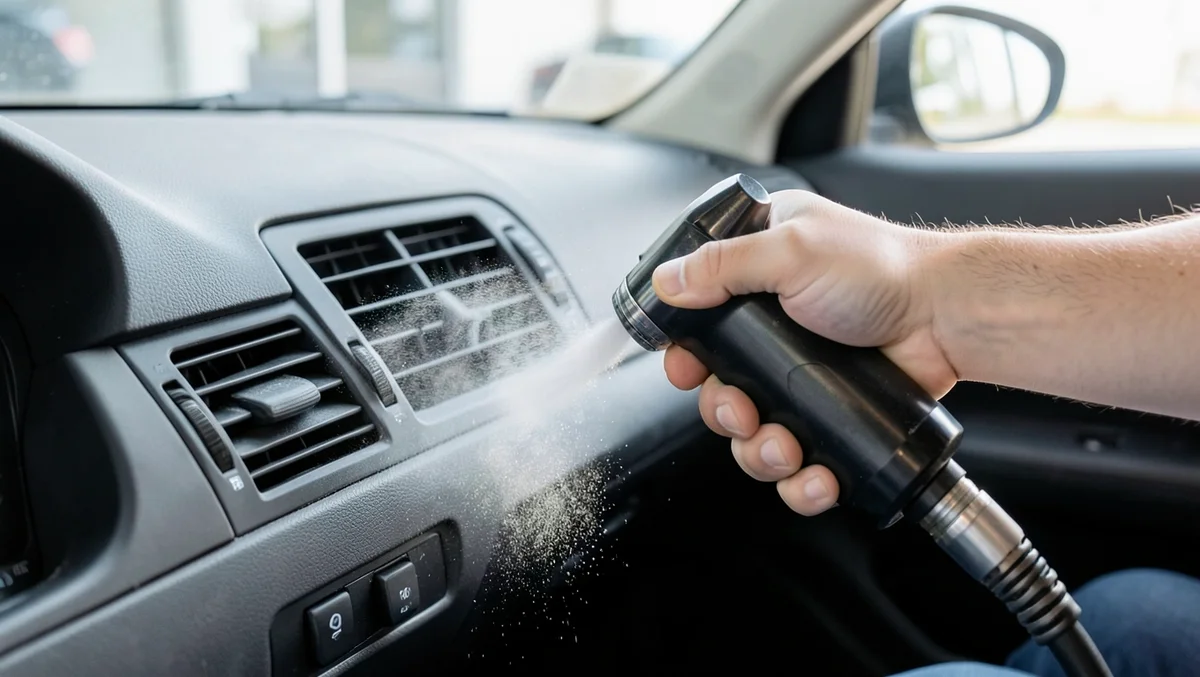
A blow machine for a car — usually sold as an air blow gun or detailing air gun — is a handheld nozzle that connects to a shop air compressor and fires a concentrated jet of compressed air. Detailers use it to punch dust, sand, and crumbs out of vents, seat seams, and console gaps that a vacuum nozzle can’t reach. It doesn’t replace vacuuming; it loosens debris first so the vacuum can pick it up.
What Is a Car Blow Machine and How Does It Work
The tool itself is simple: a trigger-actuated valve, a metal or plastic nozzle, and a quick-connect fitting that plugs into a 1/4-inch air compressor hose. Squeeze the trigger and the compressor’s stored air pressure — typically 60 to 120 PSI depending on the gun and how it’s regulated — shoots out through the narrow nozzle tip. That narrow opening is what turns ordinary shop air into a focused blast strong enough to dislodge dust packed into HVAC vents, door pockets, seat tracks, and the seams around a center console.
Most detailing-specific guns add a few extras a generic pneumatic blow gun doesn’t have: a longer reach nozzle for narrow vent slots, an interchangeable brush attachment for scrubbing while you blow, and a rubber or foam grip since the gun gets used for extended stretches during a full interior detail.
Is a High-Pressure Blow Gun Safe to Use Inside a Car?
Used correctly, yes. The air itself won’t damage hard plastic trim, vinyl, or factory upholstery at normal detailing distances. The real risks are misuse, not the tool: never point a blow gun at your eyes, ears, or bare skin, and don’t hold the nozzle tip flush against cracked or aged leather and delicate foam-backed fabric — the concentrated air can work into an existing tear and widen it. OSHA’s workplace safety rule for handheld air nozzles (29 CFR 1910.242(b)) caps blocked-tip pressure at 30 PSI specifically to prevent eye and skin injury; it’s a good habit to follow at home too, even though most compressors and detailing guns are rated well above that for the working pressure that actually does the cleaning.
Wear safety glasses while you work — the dust these tools kick up doesn’t stay contained to the vent you’re aiming at, and it’s easy to catch a face full of it in a small cabin.
Our Pick: Best Car Blow Gun for Detailing
MOST VERSATILE PICK
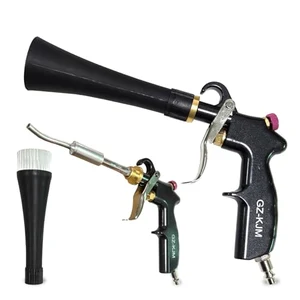 |
GZ-KJM Air Blow Gun Car Interior Cleaning Gun – $36.99 Ships with both a narrow nozzle and a bristle dusting brush attachment, so you can blast dust out of vents and seams, then brush the rest loose without swapping tools.
|
How to Choose the Best Car Blow Gun
Every blow gun does the same basic job, so the differences that actually matter are the PSI range it’s rated for, whether it comes with more than one nozzle, and the price. Here’s how the three most common options for car detailing compare:
| Product | Price | Best For |
|---|---|---|
| GZ-KJM Air Blow Gun (our pick) | $36.99 | Versatility — includes a dusting brush attachment |
| Car Cleaning Gun Detailing Interior Dryer Air Blow Gun | $35.67 | General-purpose blasting with a simple nozzle |
| IPELY Car Cleaning Gun | $17.99 | Budget-friendly starter option |
Whichever one you pick, confirm it matches the fitting on your air compressor’s hose (nearly all use a standard 1/4-inch quick-connect) and check your compressor’s max PSI against the gun’s rated range before you buy.
Want the other two options: Car Cleaning Gun Detailing Interior Dryer Air Blow Gun on Amazon or the IPELY Car Cleaning Gun on Amazon.
How to Use a Car Blow Gun Safely
- Put on safety glasses before you start — dust kicked loose in a small cabin doesn’t stay where you aim it.
- Connect the gun to your air compressor’s hose and set the regulator to the gun’s recommended working pressure (check the product listing; most run 60–120 PSI).
- Vacuum loose debris first if you can — it saves you from re-blasting dust you could have just sucked up.
- Work vents, seams, and crevices from a few inches away in short bursts, aiming dust toward an open door or window rather than deeper into the cabin.
- Finish with a full interior vacuum pass to collect everything the air gun dislodged.
Frequently Asked Questions
How Does a Car Blow Gun Work?
A car blow gun connects to an air compressor and releases high-pressure air through a narrow nozzle when you pull the trigger. The concentrated air stream dislodges dust and debris packed into vents, seams, and other tight spots so it can be vacuumed up afterward.
Can a Blow Machine Clean a Car Interior by Itself?
Not entirely on its own. It’s a dust-dislodging tool, not a full cleaning system — it loosens debris from tight spots but doesn’t collect it. Pair it with a vacuum for a complete interior clean.
Do I Need an Air Compressor to Use One?
Yes. The blow guns covered here are pneumatic tools with no motor of their own — they rely entirely on a separate air compressor for pressure. If you don’t already own a compressor, factor that cost into the purchase before buying one of these guns.
Is a High-Pressure Blower Safe for Car Surfaces?
Yes, for hard plastic trim, vinyl, and standard upholstery at a normal working distance. Be more cautious on cracked or aged leather and delicate foam-backed fabric, where a concentrated blast held too close can work into an existing tear.
What PSI Should I Use for Interior Detailing?
Most detailing blow guns are rated for roughly 60 to 120 PSI, and that’s the range that actually clears packed dust from vents and seams. When working close to your face or skin, dial the regulator down — OSHA’s workplace limit for handheld air nozzles is 30 PSI at a blocked tip, and it’s a sensible ceiling to stay under for anything pointed near a person.
Conclusion
A blow machine for a car is a genuinely useful add-on for anyone who already has an air compressor and wants to get dust out of vents, seams, and crevices that a vacuum alone can’t reach. It’s not a replacement for vacuuming or wiping down surfaces — it’s the step that loosens what those tools miss. Pick a gun rated for your compressor’s pressure range, keep it away from cracked leather and bare skin, and follow up with a full vacuum pass for the best result.
For the rest of a full interior clean, see our guide on what a professional interior detail actually includes and costs, or check out our full list of interior detailing tools.
Products related to this article
Sponsored / affiliate links. As an Amazon Associate I earn from qualifying purchases. I may earn additional commission from eligible campaigns.