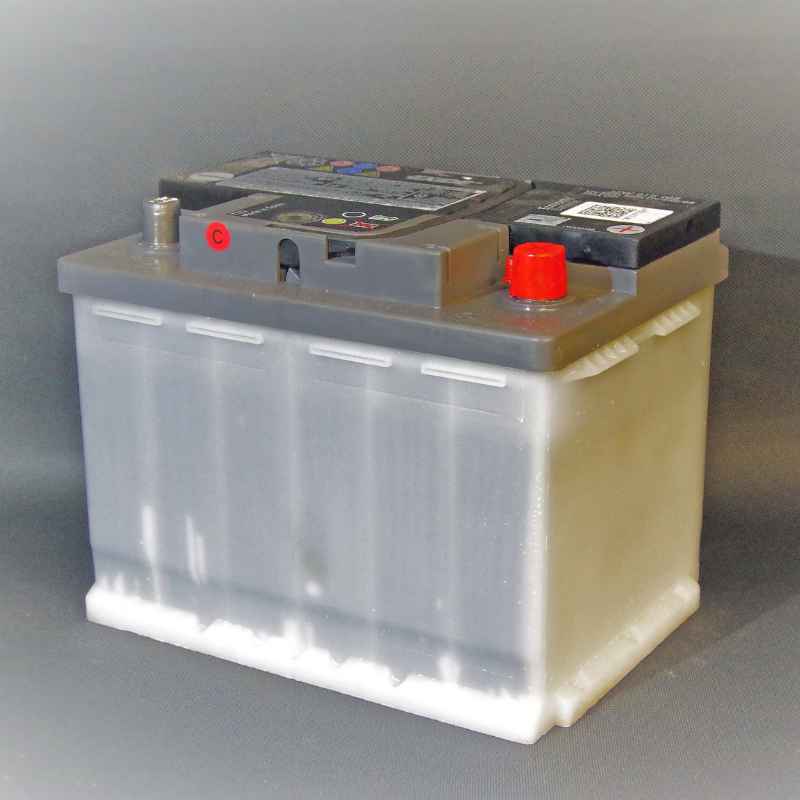
Do I Need A Battery Isolator For Car Audio? Honest Answer
The need for a battery isolator in a car audio system depends on your specific setup and how you use your vehicle. For most standard car stereo installations, a battery isolator is not necessary. However, if you have a high-power system, run it with the engine off, or have multiple batteries, it can be a valuable component to protect your electrical system.
Understanding the Basics: What is a Battery Isolator?
At its core, a battery isolator is a device that allows your car’s alternator to charge multiple batteries simultaneously. But it does so in a smart way. It prevents one battery from draining the other. Think of it like a one-way street for power. Power from the alternator can go to both batteries, but power from one battery can’t flow back and drain the other. This is super handy if you have a dedicated battery just for your big sound system.
Why would you even consider a second battery? Well, when you crank up the bass on a powerful amplifier, it draws a lot of energy. Your car’s main battery and alternator are designed for starting the engine and running the car’s regular systems. They aren’t always built to handle the constant, high demand of a booming subwoofer for extended periods, especially when the engine isn’t running.
A battery isolator helps manage this. It ensures that your car can still start even if your stereo battery is nearly dead. The main battery stays protected and ready to get you going. It’s all about keeping your car running smoothly while letting you enjoy your music without worries.
My Own Brush with Battery Woes
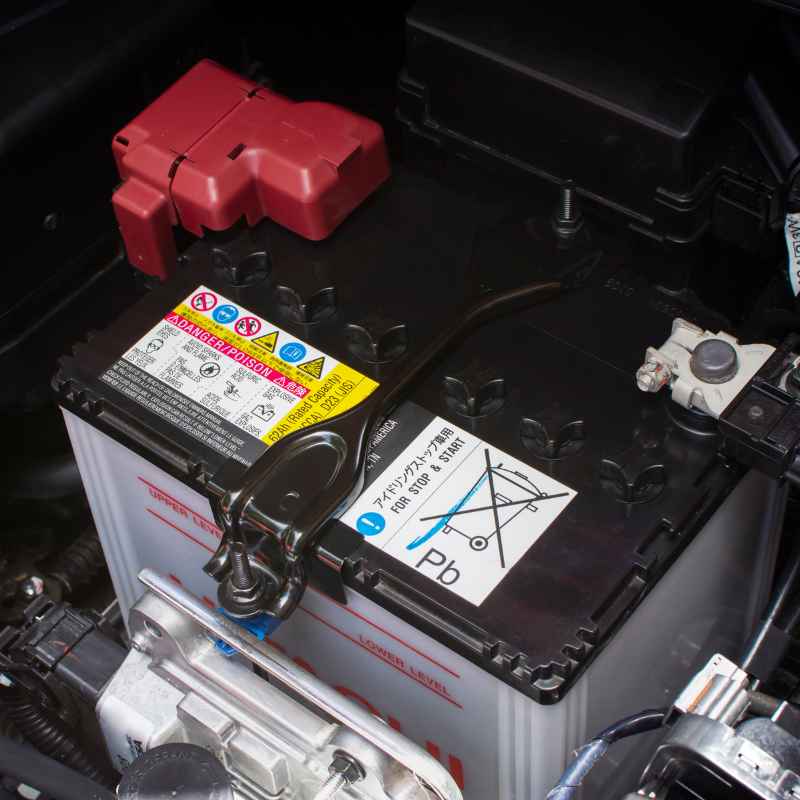
I remember this one time, a few years back, I was helping a buddy set up a serious sound system in his older truck. He had bought this huge amplifier and a couple of beefy subwoofers. We were really excited. We installed everything, double-checked all the wiring, and fired it up. The sound was incredible, truly deafening in the best way. We spent hours just listening, the engine off, enjoying the deep bass.
Then, disaster struck. We decided to call it a night. I turned the key, and nothing happened. Just a sad, weak click. The battery was completely drained. We had to call a tow truck to get his truck home. That’s when I really understood the strain a powerful audio system can put on a car’s electrical system. We should have considered a more robust setup, maybe even a battery isolator. It was a hard lesson learned about power demands.
When Do You Actually Need One?
So, who really benefits from a battery isolator? It’s not a one-size-fits-all situation. Let’s look at the main reasons someone might need one.
High-Demand Audio Systems
If you have a really powerful car stereo, we’re talking multiple amps, subwoofers, and speakers that draw a lot of watts, you’re pushing your car’s electrical system to its limits. These systems can suck power faster than your alternator can replenish it, especially at lower engine speeds or when the engine is off. Adding a second battery and an isolator ensures that this high demand doesn’t affect your car’s starting power. It’s like giving your stereo its own dedicated power station.
Running Audio Systems with the Engine Off
This is a big one. If you like to park your car and blast your music for extended periods without the engine running, your main battery will take a serious hit. A battery isolator, paired with a second battery, lets you do this. The stereo draws power from the second, isolated battery. Your primary battery, connected to the car’s starting system, remains charged and ready. This is a common setup for car shows, tailgating, or just enjoying a private concert.
Multiple Battery Setups
Some enthusiasts opt for two or even three batteries for their audio systems. One battery can be for starting the car, and the others can be dedicated deep-cycle batteries specifically for powering the audio equipment. A battery isolator is essential here. It prevents the deep-cycle batteries from draining the starting battery and also ensures that each battery receives an appropriate charge from the alternator.
Protecting Sensitive Electronics
Modern cars have a lot of sensitive electronics. Sometimes, a high-demand audio system can cause voltage drops or surges that might affect these other systems. While not its primary job, a well-designed battery isolator can help stabilize the charging process and contribute to a cleaner power flow, which is generally good for all the electrical components in your car.
How Does a Battery Isolator Work?
Think of your alternator as the engine that keeps your car’s electrical system running and tops up your battery. When you have a battery isolator, it sits between your alternator and your batteries. It has special diodes or a similar electronic component. These act like check valves.
When the alternator is producing power, the isolator directs that power to both your main battery and your auxiliary (second) battery. It makes sure each battery gets its share of the charge.
But here’s the magic: if the auxiliary battery starts to get low, the isolator stops power from flowing back from the main battery to the auxiliary one. It also stops the auxiliary battery from trying to charge the main battery if the main battery is full. This keeps the two separate for charging purposes. So, your starting battery always stays charged enough to start your car.
This is different from just connecting two batteries together with a simple switch or wire. If you did that, the battery with more charge would try to charge the one with less. This can lead to overcharging one and undercharging the other, potentially damaging them and also leaving you stranded with a dead car battery.
Types of Battery Isolators
There are a few main types of battery isolators you might hear about. They all do the same basic job but use different technology.
Diode Isolators
These are the most common type. They use silicon diodes to prevent reverse current flow. For every battery you want to connect, you need a diode. So, for a two-battery setup, you’d have a single isolator with two outputs. They are relatively simple and reliable. However, diodes have a small voltage drop. This means the battery might not get the full charging voltage from the alternator. Some systems compensate for this.
Schottky Diode Isolators
These are a type of diode isolator, but they use Schottky diodes. These diodes have a lower voltage drop than standard silicon diodes. This means your batteries get a bit more of the alternator’s charging voltage, which can be better for battery health and charging efficiency. They are a good upgrade if you’re using a standard diode isolator and are concerned about charging voltage.
Smart or Voltage-Sensing Isolators
These are more advanced. They don’t rely on simple diodes. Instead, they monitor the voltage from the alternator. When the alternator’s voltage goes above a certain level (meaning it’s charging), the isolator connects the batteries. When the alternator voltage drops below that level (meaning the engine is off or the alternator isn’t working hard), it disconnects the batteries. They often have more precise control over charging and can be more efficient. Some also have features like programmable charging profiles.
Alternatives to Battery Isolators
Sometimes, you might not need a full battery isolator. There are other ways to manage power for your car audio.
Heavy-Duty Alternator
One way to handle a high-demand audio system is to upgrade your car’s alternator. A higher amperage alternator can produce more power. This might be enough to keep up with your audio system’s needs, even when you’re playing it loud with the engine running. This is often the first step for serious audio enthusiasts.
High-Capacity Batteries
You can also upgrade your main battery to a higher-capacity, more powerful one. Some batteries are designed for deep cycling or have high cold-cranking amps (CCA). While this helps, it doesn’t solve the problem of playing music with the engine off for a long time. That’s where a second battery comes in.
Battery Cut-off Switches
A simple battery cut-off switch is useful if you want to completely disconnect your battery when the car is parked. This prevents any parasitic drain from killing your battery overnight. It’s a good safety measure but doesn’t help you run your stereo with the engine off without draining your main battery.
Voltage Stabilizers and Power Capacitors
Capacitors are often used in high-end audio systems. They store a large amount of electrical energy and can release it very quickly. This helps provide quick bursts of power for bass notes and can smooth out voltage dips. They don’t replace a battery or isolator but work alongside them to improve audio performance and protect the system.
Real-World Scenarios: Where We See This
Imagine a few different situations.
Scenario 1: The Daily Commuter
Sarah drives her car to work every day. She has a decent aftermarket stereo, but nothing crazy. She listens to music while driving and occasionally for a few minutes in the parking lot after work. Her car starts up fine every morning. For Sarah, a battery isolator is likely overkill. Her stock alternator and battery are more than enough.
Scenario 2: The Weekend Warrior
Mark loves camping and tailgating. He often parks his SUV at outdoor events. He likes to play his music loud for his friends while they hang out, with the engine turned off. He also has a fairly powerful subwoofer and amp setup. Mark probably does need a battery isolator. He should consider a second, deep-cycle battery for his audio gear and a battery isolator to keep his main starting battery safe.
Scenario 3: The Show Car Builder
David is building a custom car for car shows. He has a massive audio system with multiple amplifiers and speakers that draw hundreds of watts. He wants the loudest, cleanest sound possible. He plans to run his system for extended periods at shows, often with the engine off. David absolutely needs a battery isolator, likely with multiple deep-cycle batteries, and possibly an upgraded alternator.
The Power Drain: How It Happens
Your car’s alternator is like a small generator. It’s driven by the engine’s belts. It produces electricity to power your car’s systems and recharge the battery. When the engine is running, the alternator can usually keep up.
However, when you turn the engine off, the alternator stops. All the power for your stereo then comes directly from the car battery. A standard car battery is designed to provide a large burst of power to start the engine and then be recharged by the alternator. It’s not designed to be deeply discharged and recharged repeatedly, especially by a high-power audio system.
Think of it like using your phone. You can use it for a while, and then you plug it in to charge. But if you tried to power a giant projector and a sound system with just your phone battery, it would die very quickly. Car batteries are similar. They have a limited capacity.
A powerful amplifier, for instance, can easily draw 30, 50, or even over 100 amps, depending on the volume and bass levels. A typical car battery might have a capacity of 50-100 amp-hours (Ah). At 50 amps, you could drain a 100Ah battery in just two hours, assuming it could even supply that much cleanly. Add in the need to start the car, and it becomes clear why a separate power source is often needed for extreme audio.
Is it Bad for My Car’s Electrical System?
Running a powerful audio system without proper support can definitely be bad for your car’s electrical system. Here’s why:
Battery Damage: Deeply discharging a standard starting battery can shorten its lifespan significantly. Batteries are meant to be kept relatively charged.
Alternator Strain: If your alternator is constantly struggling to keep up with the demands of your audio system and the car’s other needs, it can overheat and fail prematurely.
Voltage Fluctuations: When the audio system draws a lot of power, it can cause the voltage in the car to dip. This can affect other electronics like your headlights, fuel pump, or even your car’s computer (ECU). This can lead to strange electrical issues or even damage.
Engine Performance: In some cases, a struggling electrical system can impact engine performance, especially on older cars.
A battery isolator, especially when paired with a second battery, helps prevent these issues by providing a dedicated power source for your audio and keeping your car’s essential systems powered independently.
What This Means for Your Car Audio Setup
Let’s summarize what this means for you and your car.
When it’s Probably Fine Without One
If you have a basic aftermarket stereo, or even a moderately powered factory-upgraded system, and you mainly listen while driving, you likely don’t need a battery isolator. Your car’s original electrical system is designed to handle these typical loads.
When to Seriously Consider One
You should start thinking about a battery isolator if:
You’ve installed a powerful amplifier or multiple amplifiers.
You have one or more large subwoofers.
You often listen to music with the engine off for more than 15-20 minutes.
You notice your headlights dimming when the bass hits hard.
Your car battery seems to drain faster than it should.
You plan to add a second battery.
Simple Checks You Can Do
Before buying anything, do a few simple checks:
1. Observe Lights: Play your music loud (with the engine running) and watch your headlights. If they dim significantly, your alternator might be struggling.
2. Battery Age: How old is your current battery? A weak or old battery can’t hold a charge well.
3. System Power Draw: Look at the wattage ratings on your amplifier. This gives you an idea of how much power it could draw.
Quick Tips for Managing Car Audio Power
Here are some practical tips to help you manage your car audio’s power needs smartly:
Start Simple: Begin with your existing battery and alternator. See how your new audio gear performs.
Upgrade the Alternator First: For high-power systems, a higher amperage alternator is often the best first upgrade.
Consider a Second Battery: If you plan to run your system with the engine off, a second, deep-cycle battery is almost a must.
Use a Battery Isolator with a Second Battery: This is key to protecting your starting battery.
Install a Capacitor: For immediate power delivery and voltage stabilization, a capacitor can be a great addition to a powerful system.
Proper Wiring: Always use thick enough gauge wire for your power and ground connections. Undersized wires can cause voltage drop and heat.
Listen Responsibly: Even with a good setup, excessively loud music for hours on end will drain any battery eventually.
Frequently Asked Questions
Do I need a battery isolator if I only have one battery?
No, a battery isolator is designed to manage charging for multiple batteries. If you only have your car’s original single battery, you do not need a battery isolator.
Can a battery isolator hurt my car’s electrical system?
A properly installed battery isolator should not hurt your car’s electrical system. In fact, it’s designed to protect it by ensuring your main starting battery remains charged. Always follow installation instructions carefully.
What is the difference between a battery isolator and a battery separator?
The terms “isolator” and “separator” are often used interchangeably for car audio. They both serve the purpose of allowing an alternator to charge multiple batteries independently. However, some might associate “separator” with simpler devices.
How much do battery isolators cost?
The cost of battery isolators varies. Basic diode isolators can range from $30 to $70. More advanced smart or voltage-sensing isolators can cost $100 to $200 or more, depending on features and brand.
Should I use a deep-cycle battery with a battery isolator?
Yes, when you add a second battery for a car audio system, it’s best to use a deep-cycle battery. These batteries are designed to be discharged deeply and recharged many times, which is exactly what happens when powering an audio system.
Will a battery isolator allow me to play my stereo longer with the engine off?
A battery isolator itself doesn’t add more power. It allows your alternator to charge a second, dedicated battery. You can play your stereo longer with the engine off if you have a second battery connected through an isolator, as it draws power from that separate battery instead of your main starting battery.
Final Thoughts on Your Car Audio Power
Navigating the world of car audio power can seem tricky. But at its heart, it’s about understanding your system’s needs and your car’s capabilities. For most folks, a battery isolator isn’t a necessary purchase. Your everyday driving and moderate audio upgrades are usually handled well by your car’s original setup.
However, if you’re pushing the limits with powerful amps and subs, or if you love to jam with the engine off, then a battery isolator becomes a smart investment. It protects your car’s ability to start and keeps your electrical system happy. It’s about enjoying your music to the fullest, without the worry of a dead battery.
Products related to this article
Sponsored / affiliate links. As an Amazon Associate I earn from qualifying purchases. I may earn additional commission from eligible campaigns.