LS Swap Smart Car: Is It Possible? A Deep Dive
The question of whether an LS Swap Smart Car: Is It Possible? is something many gearheads ponder. It seems like a simple question, right? But the actual answer is a little complicated. For beginners, it might seem difficult because it involves combining two very different sets of technologies, but don’t worry. This guide will help you understand all the steps. We’ll explore the main challenges and how they can be overcome. First, we’ll start by looking at what an LS swap is and why you might consider it.
What Exactly is an LS Swap?
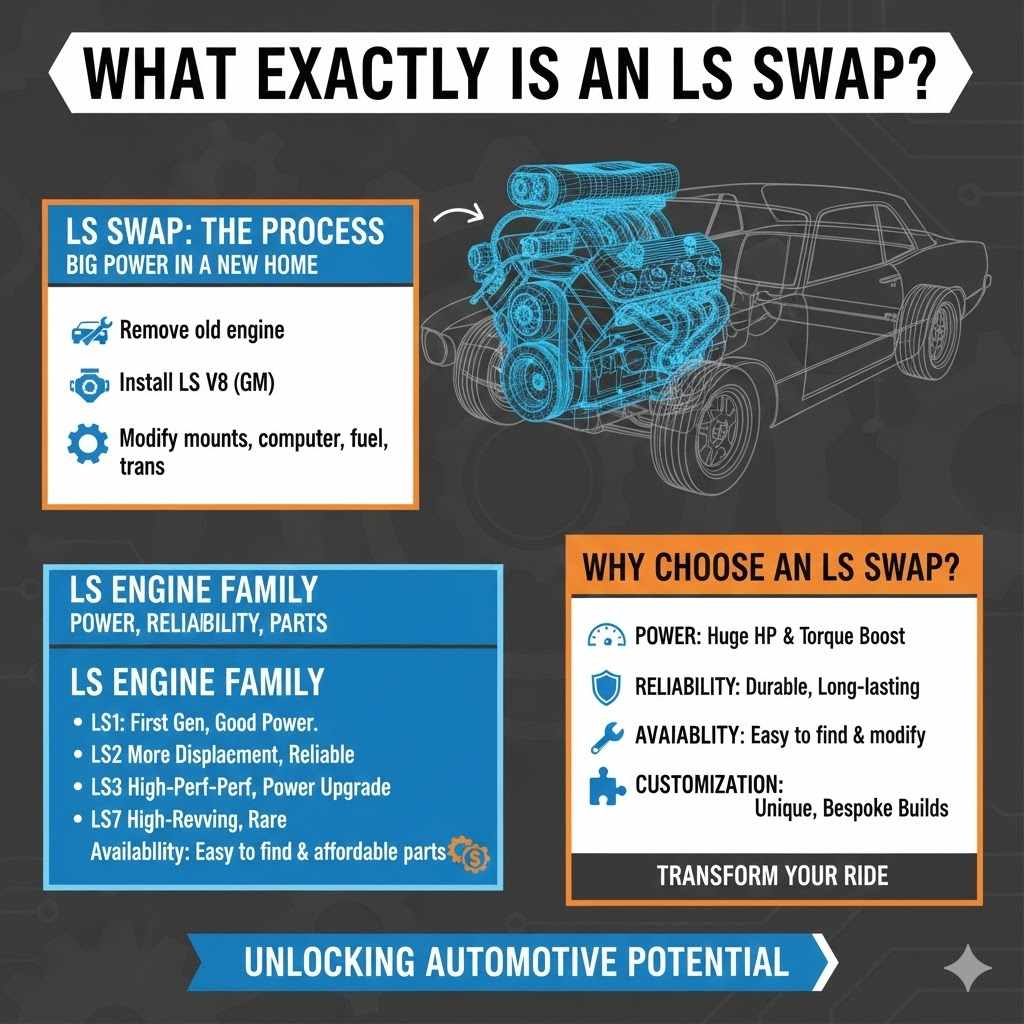
An LS swap, in the automotive field, is the process of taking an LS series engine—typically a General Motors (GM) V8 engine—and putting it into a vehicle that didn’t originally come with one. The LS series engines are popular for their power, reliability, and relatively simple design, which makes them a popular choice for customization. These engines can produce considerably more power compared to the original engines in many cars. The swap often involves a lot of modification since the LS engines are often much bigger than the motors they replace. This includes things like engine mounts, the car’s computer, fuel systems, and even the transmission. It’s a way to give an older or smaller vehicle a big power boost.
The LS Engine Family
The LS engine family is a series of V8 engines produced by General Motors, first introduced in 1997 for the 1997 Corvette C5. These engines are known for their strong performance, fuel efficiency, and the wide availability of parts. LS engines come in different sizes, from the smaller LS1 to the larger LS7, each offering different power outputs. They are also known for their aftermarket support which is one of the reasons they are very popular. These engines can easily be modified to create even more horsepower and torque.
- LS1: This was the first engine in the LS family and is often seen as the baseline. It has great power for its size. The LS1 is the most common and often an easier option for swaps.
- LS2: An evolution of the LS1, the LS2 featured increased displacement and more power than the LS1. Many found it to be a reliable choice.
- LS3: Known for its high-performance capabilities, the LS3 is a favorite for those wanting a significant power upgrade. It is a favorite in performance swaps due to its power.
- LS7: This is a high-performance engine found in the Corvette Z06. It’s known for its high-revving nature and impressive horsepower. It is a bit rarer than other choices.
Each LS engine model offers its own strengths and weaknesses. The right choice depends on the specific project and goals. Some engines are easier to source and cheaper. Others offer better performance out of the box. LS engines offer impressive performance capabilities and are commonly chosen in many swaps.
Why Choose an LS Swap?
There are several good reasons why someone might want to do an LS swap. The most common reason is to add a big increase in power. An LS engine can provide more horsepower and torque than the original engine, leading to a much more exciting driving experience. Another reason is to improve the reliability of the car. LS engines are known for being very strong and durable. Many parts are also easily available and relatively inexpensive. Finally, LS swaps are a way of making a car unique. People can build something no one else has.
- Power: LS engines offer a big increase in horsepower and torque. This makes a car much faster and more fun to drive.
- Reliability: LS engines are built to last and are known for their dependability. They can often be more reliable than the original engines.
- Availability: LS engines and parts are easy to find. This means they are often easier to work with than older or less common engines.
- Customization: LS swaps allow car fans to create something unique. It gives them the chance to make their car exactly how they want it.
The choice to do an LS swap is driven by goals and desires, often providing a big boost in performance and reliability. LS swaps are often a favorite of those looking to stand out from the crowd.
Putting an LS Engine in a Smart Car
The idea of an LS Swap Smart Car: Is It Possible? is ambitious but can be done. It’s a combination of a small, fuel-efficient car with a powerful engine. The Smart Car is a small car made by Daimler and known for its compact size and high fuel efficiency. Fitting an LS engine into a Smart Car presents a unique set of obstacles because of the car’s size. The Smart Car is tiny, and the LS engine is pretty big. This means there are many problems to solve. This can include space constraints, electrical systems, and ensuring the car’s structural integrity.
Size and Space Constraints
The Smart Car’s small size is the main challenge when attempting an LS swap. An LS engine is large, and it may be difficult to fit into the engine bay, and this requires careful planning and modifications. The existing engine bay might need to be widened or completely changed to accommodate the new engine. This may involve cutting, welding, and reinforcing the frame. Additional space may also be needed for accessories like the radiator, exhaust, and fuel system. The compact nature of the Smart Car means every inch of available space matters.
- Engine Bay Modifications: You’ll likely need to cut, weld, and modify the Smart Car’s engine bay. This might mean removing or relocating parts to make room for the LS engine.
- Engine Placement: Figuring out where to put the engine in the car is essential. It needs to fit properly and allow for essential components.
- Custom Fabrication: To make the swap work, you’ll probably need to make custom parts. This means using your fabrication skills or hiring a shop that has experience.
- Structural Considerations: The Smart Car wasn’t built for a powerful engine. It is very important to strengthen the chassis so it can handle the extra power.
Working on a Smart Car swap often requires a level of creativity and problem-solving, with precise measurements and planning being important. Due to the small size, an LS swap will often push the limits of what is possible.
Electrical and Mechanical Systems
Beyond size, the electrical and mechanical systems in a Smart Car are another aspect of the swap. The existing wiring harness needs to be integrated with the LS engine’s computer. The Smart Car’s electrical system has to be modified to run the new engine and all its functions. The mechanical parts, like the transmission and brakes, have to be upgraded to handle the LS engine’s output. This requires knowledge of both engine management systems and how to connect it all together.
- Wiring Harness: Connecting the LS engine to the Smart Car’s wiring system requires careful work. You might need to change the wiring harness, so the engine gets power and signals to run.
- ECU Integration: The Engine Control Unit (ECU) of the LS engine needs to work with the Smart Car’s systems. This ensures everything runs correctly.
- Transmission: The original transmission won’t likely handle the power of an LS engine. You’ll need to choose a transmission that can cope with it.
- Brake Upgrade: The stock brakes of a Smart Car may not be enough. They’ll probably need to be upgraded to slow down the car.
Successfully integrating an LS engine into a Smart Car demands technical ability and the ability to combine these systems. The aim is to make everything work together safely and effectively. It means working with engines, transmissions, and electrical parts.
Is It a Realistic Project?
The question of if the LS Swap Smart Car: Is It Possible? is realistic comes down to both the difficulty and the cost. An LS swap is often a project that is going to take time and money. It’s a challenging task that will test a builder’s skills. The final cost of the project depends on factors like the engine’s price, other parts, and the labor costs if you’re not doing the work yourself. The amount of time depends on your skills and how much time you can spend on the project.
Cost Considerations
The cost of the project should be considered. Prices can vary greatly. The initial price of the LS engine can be thousands of dollars. Beyond that, there are many other parts needed. These include things such as engine mounts, a custom wiring harness, and a stronger transmission. These costs add up fast. If you’re not doing the work yourself, then you will have labor costs. Be sure to consider these costs before starting the project.
- Engine Cost: The LS engine can be a big expense depending on the model and condition. Prices range based on condition and the LS variant.
- Parts: Many parts are needed to make the LS swap work. This includes engine mounts, fuel systems, a transmission, and the wiring harness.
- Labor: If you’re not doing the work yourself, labor costs for a shop can be expensive. Get estimates and plan for added costs.
- Unexpected Costs: Unexpected things can come up. You should always add some extra money to your budget for such unexpected costs.
Making a budget is important. Having a clear idea of how much it will cost is necessary for the project. Considering all these costs ahead of time can help you make a plan.
Time and Skill Requirements
Doing an LS swap requires time and a good amount of skill. It’s not a quick weekend project. It takes time to research, plan, and execute the swap. The difficulty of the project depends on your prior experience with cars and your skills. A person needs to be comfortable with mechanical work, electrical systems, and fabrication. If you are new to auto repairs, it might be a good idea to seek help from a professional. The time needed also depends on your goals, how complex the modifications are, and how much assistance you have.
- Research: Learn everything you can about the swap. This means studying the mechanics of the engine and the car.
- Planning: Make a detailed plan. Knowing the steps, tools, and parts needed will make the process easier.
- Skills: Mechanical and electrical skills are necessary. Knowing how to weld and fabricate parts can also be helpful.
- Time Commitment: Be prepared to spend a lot of time on the project. LS swaps are not something that can be finished quickly.
Success with an LS swap project relies on how well you plan, your skill level, and the time you can invest. It is an ambitious project. It can be achieved with planning and good skills.
Real-Life Examples and Potential Outcomes
While an LS Swap Smart Car: Is It Possible? is rare, it has been done. Some people have found the challenge appealing. These projects highlight the extreme things that are possible and offer helpful lessons. Although there are not many of these conversions, the ones that have happened demonstrate what is possible.
Successful LS Swapped Smart Cars
There are a few examples where people have done an LS swap in a Smart Car. These conversions have shown the potential of what is possible. These are unique cars. They highlight both the potential of these swaps and the challenges involved. These show the level of detail and work that is necessary to complete a swap successfully.
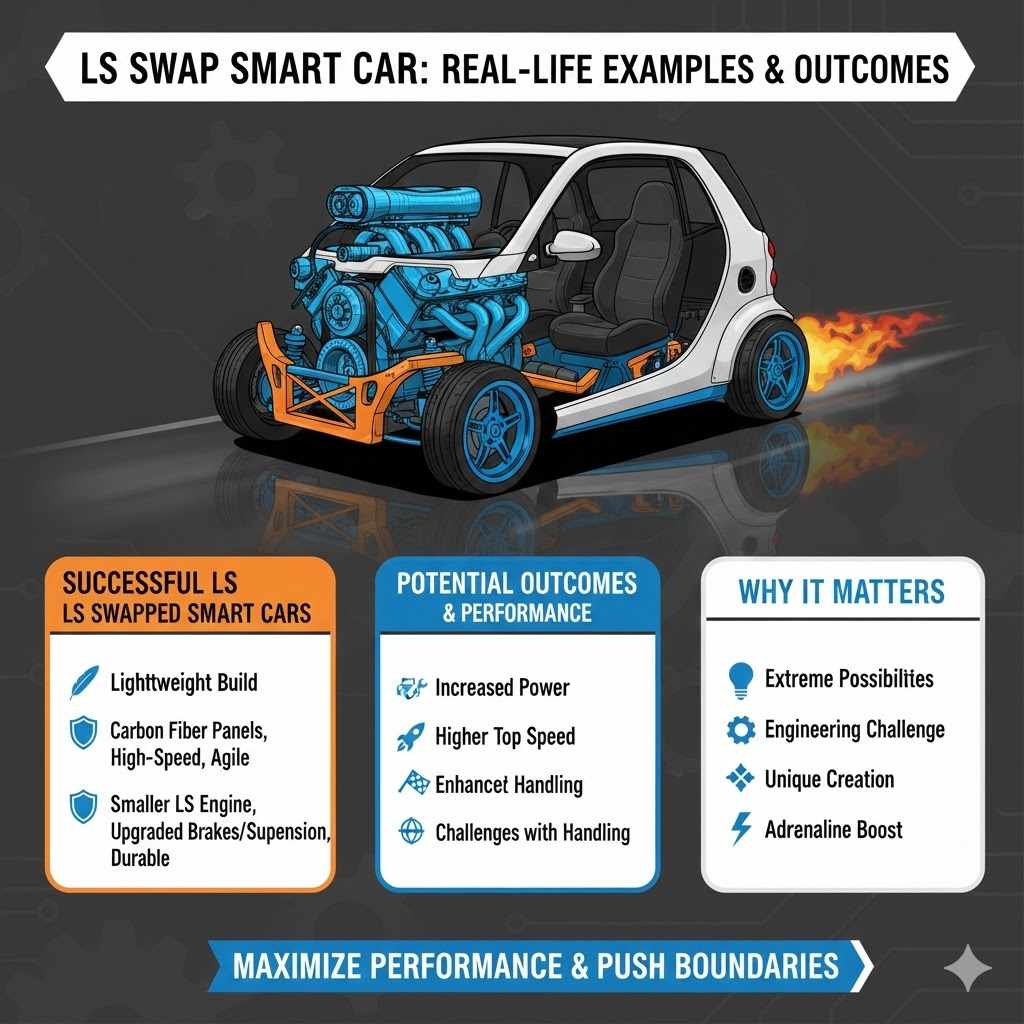
- Example 1: A custom Smart Car was built with an LS engine. This project involved extensive modifications to the chassis and engine bay. The car was capable of high speeds. The builder focused on a lightweight approach, choosing lightweight components and using carbon fiber panels. This meant a Smart Car that was fast and agile.
- Example 2: Another example involved fitting a smaller LS engine with a focus on reliability. The builder chose a more manageable engine. The swap included significant upgrades to the braking system and suspension. This created a car that was reliable.
These examples highlight the level of skill and planning. They also demonstrate the variety of results that are possible. These projects highlight the dedication.
Potential Outcomes and Performance
The goal of the LS swap in a Smart Car is to improve performance. The result is a car that accelerates quickly and has a higher top speed. The handling can also be improved. This is because the LS engine provides more power and torque. The potential outcome is a car that is a blast to drive. However, there are some tradeoffs to consider.
- Increased Power: With an LS engine, the Smart Car accelerates far faster than the original engine.
- Higher Top Speed: The LS engine allows the car to reach much higher speeds.
- Enhanced Handling: Changes to the suspension and brakes can give the car better handling.
- Challenges with Handling: The car’s weight balance is affected by the LS engine. This can impact the car’s handling.
The final result can be a fast, high-performance car. The final result will depend on the choice of the LS engine, and the modifications done during the swap. The goal is to maximize performance while ensuring reliability.
Frequently Asked Questions
Question: How much does it cost to do an LS swap on a Smart Car?
Answer: The total cost of an LS swap can range from $10,000 to $30,000. It depends on several factors, including the engine’s cost, the parts needed, and whether you’re doing the work yourself or hiring a shop.
Question: What kind of skills do I need to do this project?
Answer: You will need strong skills in automotive mechanics, electrical systems, and fabrication. If you lack these skills, consider enlisting the help of a professional.
Question: Will the car still be street legal after the swap?
Answer: It depends on local regulations and the modifications made. Ensure that all modifications comply with local laws and regulations to maintain the car’s street legality.
Question: What are the main challenges in doing an LS swap?
Answer: The main challenges are the limited space in the Smart Car, integrating the new engine with the car’s electrical systems, and ensuring structural integrity to handle the increased power.
Question: Is it worth the effort to swap an LS engine in a Smart Car?
Answer: If you appreciate high-performance cars and are up for a challenge, then it can be a rewarding project. The end result is a unique, powerful, and fun-to-drive car.
Final Thoughts
So, LS Swap Smart Car: Is It Possible? Yes, it is. The project is an example of what is achievable with creativity and skill. This endeavor shows the love people have for cars and the enjoyment of making something new. While the project is very difficult, the final result can be exciting. Keep in mind the challenges like the cost and the modifications required. But also, think about the unique driving experience and how much fun it is to make something yourself. With careful planning, the right skills, and a willingness to work hard, the LS swap Smart Car is possible. Start by researching and making your plans today, one step at a time!