Orange Cars 2026 Trends: The Complete Buyer’s Guide to Bold Paint
You’ve seen them at stoplights. The 2026 model year is bringing a wave of orange cars that make silver and white look like they’re not even trying. Maybe you’re tempted, but you’re also worried about paying extra, struggling to resell, or dealing with a paint job that fades in three years. Those are real concerns, and most advice online doesn’t address them.
This guide covers the practical side of going orange. You’ll learn what factory orange actually costs, how it behaves in different light, what maintenance looks like, and whether it makes sense as an investment. You’ll get brand-by-brand specifics, an honest comparison against other bold colors, and a clear framework for deciding if orange is right for you.

TAMIYA
Tamiya Porsche Vehicle 300024328 934 Jaegermeister Car…
- Racing body with ventilation grilles
- Numerous detailed solutions
- Length: 179 mm
If you’re already committed to the color, the Tamiya Porsche 934 Jaegermeister model kit is a fun way to test your enthusiasm. It’s a 1:24 scale replica with a detailed orange racing body and ventilation grilles, measuring 179mm long. Building it lets you appreciate the color’s motorsport heritage without committing to a full-size paint job.
Why Orange is the Defining Color of 2026
Color forecasting firms like PPG and Axalta have been predicting this shift for two years. Their data shows a clear movement away from monochrome grays and whites toward expressive, high-energy hues. Orange sits at the center of that movement. It’s not a niche choice anymore; it’s a statement.
Automakers are responding. Several brands have introduced limited edition orange packages for 2026, and more are offering it as a standard option rather than a costly custom order. This matters because factory availability drives down price and increases resale liquidity. When a color is mainstream, it stops being a liability.
The trend also connects to the wider cultural moment. People want individuality after years of uniformity. Orange delivers that instantly. It’s the color of safety, energy, and optimism — exactly what a new car purchase represents.
The Psychology of Orange: Attention, Energy, and Status
Color psychology research shows orange triggers excitement and enthusiasm. It’s a warm color that feels approachable yet assertive. Drivers of orange cars report feeling more visible and more confident on the road. That isn’t just perception; studies on color visibility show orange is among the most noticeable colors in daylight, second only to yellow.
There’s a status component too. Orange says you’re not following the crowd. It signals a willingness to take risks and a level of automotive enthusiasm that a beige sedan simply cannot match. This is why orange is heavily used in motorsport liveries, from Gulf Oil’s iconic blue-and-orange scheme to the Jägermeister orange that dominated sports car racing in the 1970s.
But the psychology cuts both ways. Orange can feel aggressive or loud to some buyers. It demands attention, which means it doesn’t suit everyone’s personality. You need to be comfortable with the fact that people will notice you. If you prefer blending in, orange is the wrong choice.
Brand-by-Brand Orange Offerings for 2026
Ford, Nissan, and Dodge: The Bold Leaders
Ford leads the charge with its Cyber Orange Metallic, available on the Mustang and Bronco. It’s a bright, saturated shade with a metallic finish that shifts from yellow-orange in direct sun to a deeper amber in shade. Ford charges roughly $500 to $1,000 for this option, depending on the model and trim level.
Nissan’s Ignite Orange is another strong contender, offered on the Z and the Rogue. The Z’s version is a solid, non-metallic finish that pops hard under showroom lights. Nissan’s pricing is competitive, typically landing between $400 and $800. The Rogue’s orange is slightly muted, more of a burnt orange, which appeals to a broader audience.
Dodge continues its muscle car tradition with Go Mango, a heritage color that returns for 2026 on the Charger and Challenger. This is a metallic orange with a hint of red. It costs about $600 extra. Dodge also offers a matte version called Satin Go Mango on select trims, which adds another $1,500 to the price tag. The matte finish looks incredible but requires special care, which we’ll cover later.
European and Asian Alternatives
Porsche offers a range of orange options, including the legendary Gulf Orange and a newer Papaya Metallic. These are usually part of the Paint to Sample program, which costs between $5,000 and $15,000 depending on the model. That’s a significant premium, but Porsche buyers expect exclusivity.
BMW has Sunset Orange Metallic on the M3 and M4. It’s a sophisticated, slightly brown-leaning orange that looks expensive in person. The cost is around $1,500. Audi counters with a similar shade called District Green on the RS models, but for orange, the brand offers Tango Red Metallic, which reads as orange in certain light. It’s a confusing name, but the color is lovely.
From Asia, Toyota offers a punchy orange on the GR Corolla called Heavy Metal, which is more of a dark gunmetal gray with orange undertones. It’s not a true orange. Hyundai’s Performance Orange on the Elantra N and Kona N is a better bet, with a vivid, non-metallic finish that costs a modest $300. Kia has a similar shade called Ignition Orange on the Soul, also priced around $300.
| Brand | Model | Color Name | Finish Type | Approx. Cost (USD) |
|---|---|---|---|---|
| Ford | Mustang, Bronco | Cyber Orange Metallic | Metallic | $500 – $1,000 |
| Nissan | Z, Rogue | Ignite Orange | Solid / Metallic | $400 – $800 |
| Dodge | Charger, Challenger | Go Mango | Metallic / Matte | $600 – $2,100 |
| Porsche | 911, Cayman | Papaya Metallic | Metallic | $5,000 – $15,000 |
| BMW | M3, M4 | Sunset Orange Metallic | Metallic | $1,500 |
| Hyundai | Elantra N, Kona N | Performance Orange | Solid | $300 |
| Kia | Soul | Ignition Orange | Solid | $300 |
Orange vs. The Competition: Green, Yellow, and Blue
Orange’s main rivals in the bold color space are green, yellow, and blue. Each has distinct characteristics that affect visibility, insurance, and theft rates. Data from the Highway Loss Data Institute shows that yellow cars have the lowest crash risk due to high visibility. Orange ranks second. Green and blue are less visible, particularly at dawn and dusk.
Insurance premiums don’t typically vary by color, but they do vary by vehicle model and theft rate. Orange cars are not statistically more likely to be stolen than green or blue ones. However, certain orange models, like the Dodge Challenger, have higher theft rates due to their performance reputation, not their color. If you’re worried about insurance, focus on the model, not the paint.
Yellow is more visible than orange, but it’s also harder to resell. The used market for yellow cars is thin because the color is polarizing. Green is trending upward for 2026, especially in muted, military-inspired shades, but it lacks orange’s energy. Blue is the safest of the bold colors, appealing to a wide demographic, but it’s also common enough that it doesn’t stand out.
Orange hits a sweet spot: high visibility, strong emotional appeal, and a growing market presence. It’s bolder than blue, more desirable than yellow, and more vibrant than green. For most buyers, orange offers the best balance of attention and practicality.
The Real Cost of Going Orange: Price, Insurance, and Maintenance
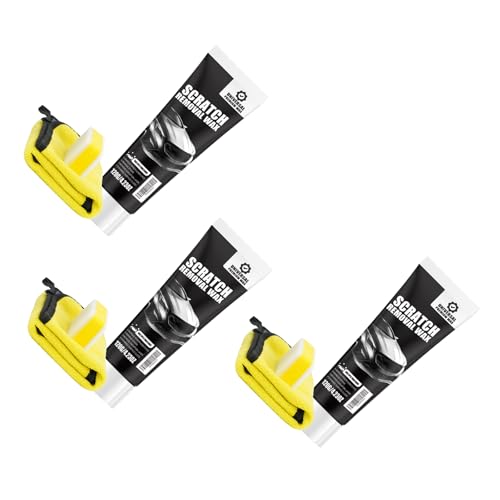
Beyond the factory option price, you need to budget for maintenance. Orange paint, especially metallic or matte finishes, is more demanding than neutral colors. Swirl marks show up easily on dark orange, and the clear coat can fade if you don’t protect it. Plan to spend on paint protection film (PPF) for the front bumper and hood. A quality PPF installation runs between $1,500 and $2,500.
Washing is another factor. You can’t take an orange car through an automated brush wash. The brushes leave micro-scratches that are very visible on orange. Hand washing with a pH-neutral soap is the only safe method. If you don’t have the time or inclination, factor in professional detailing costs of $100 to $200 per month.
Matte orange is even more demanding. You cannot wax matte paint, and you must use specialized cleaners. A single improper wash can permanently stain the finish. If you’re not prepared for that level of care, stick with metallic or solid orange.
Insurance costs are largely unaffected by color, but you should still shop around. Some insurers ask about color on their application forms, and a few use it as a minor rating factor. In practice, the difference is negligible, often less than 2% of your premium. Don’t let insurance fears stop you from choosing orange.
Orange and the EV Revolution: A Match Made for the Future
Electric vehicles are changing the automotive color palette. Since EVs lack a grille and have smoother body panels, they offer a larger canvas for color expression. Orange looks fantastic on these designs because it emphasizes the clean lines and futuristic shapes.
Brands like Tesla, Rivian, and Lucid are starting to offer orange options, though availability is still limited. Tesla’s new Ultrared is closer to a deep orange-red, and it’s a $2,000 option. Rivian offers Launch Edition orange on the R1T and R1S, which is a bright, energetic shade that suits the adventure-focused brand.
Orange also aligns with the EV lifestyle. It’s energetic, forward-looking, and optimistic. It pairs well with the instant torque and silent acceleration of electric motors. If you’re buying an EV in 2026, orange is a natural fit. Just remember that EV paint options are often more expensive because of the additional body panel complexity and the need for specialized application processes.
Resale Value and Market Demand: Is Orange a Smart Investment?
The used car market for orange vehicles is growing, but it’s still narrower than for white, black, or silver. You’ll have a smaller pool of potential buyers when you sell. However, the buyers who want orange are often willing to pay a premium for it. A well-maintained orange sports car can command higher resale prices than a generic color.
Lease-end strategies matter here. If you’re leasing an orange car, you may face a higher disposition fee if the dealer believes the color is hard to resell. Some dealers will charge extra for returning a car in a non-standard color, even if it’s in perfect condition. Read your lease agreement carefully and negotiate this point upfront.
For used car buyers, orange is a bargain opportunity. You can often find orange models priced lower than their gray or black equivalents because dealers want to move them quickly. If you’re willing to wait for the right listing, you can save thousands. This is a smart play for someone who wants orange but doesn’t want to pay the new-car premium.
The long-term outlook is positive. As more brands offer orange, the used market will grow, and resale values will stabilize. Orange won’t be as liquid as white, but it won’t be a liability either. Treat it as a lifestyle choice with a modest financial trade-off.
How to Choose the Right Shade of Orange for Your Lifestyle
Start by looking at the car in person, not on a screen. Orange is highly sensitive to lighting. A shade that looks incredible in a showroom can look washed out in direct sunlight. Ask the dealer to park the car outside before you commit. Spend ten minutes walking around it in the sun, in the shade, and under overcast conditions. Notice how the metallic flakes behave and how the color shifts.
Consider your parking situation. If you park outside in a hot climate, a matte orange will fade faster than a metallic one. Solid colors are the most durable, but they lack the depth of metallic finishes. If you have a garage, you can be more adventurous. If you don’t, choose a finish that can handle the elements.
Think about your maintenance habits. Are you someone who washes your car weekly? Then any orange finish will work. Do you barely remember to fill the gas tank? Then orange is a bad idea. The color demands attention, and so does its upkeep.
Finally, match the shade to your personality. A bright, non-metallic orange says you’re outgoing and fun. A deep metallic orange suggests sophistication and taste. A matte orange signals a hardcore enthusiast. Pick the one that feels right when you walk up to it in a parking lot. That feeling is what matters most.
Frequently Asked Questions
Is orange paint more expensive to repair after an accident?
Yes, typically. Orange is a non-standard color, so body shops may need to custom mix the paint. That adds labor time and cost. Metallic orange is even harder to match because the metallic flakes need to align perfectly. Expect repair costs to be 10% to 20% higher than for a common color like silver.
Does orange car paint fade faster than other colors?
Not inherently. The fading depends on the quality of the clear coat and whether the car is parked in direct sun. However, orange pigments are more sensitive to UV degradation than some other colors. A high-quality ceramic coating or PPF can mitigate this. Solid orange is more fade-resistant than metallic or matte.
Will orange cars be more expensive to insure in 2026?
No, not because of the color. Insurance companies don’t penalize orange paint. They rate based on the vehicle’s make, model, safety features, and your driving record. Some insurers might ask about color, but it won’t change your premium by more than a few dollars per year.
What’s the best way to get an orange car if my preferred brand doesn’t offer one?
You have two options. First, check if the brand offers a custom paint program, like Porsche’s Paint to Sample or BMW’s Individual program. These are expensive. Second, use an aftermarket wrap. A high-quality vinyl wrap in orange costs between $2,500 and $5,000 and protects the original paint. Wraps are removable, so they don’t hurt resale value.
Are orange cars more visible to other drivers and pedestrians?
Yes. Studies show orange is among the most visible colors in daylight, second only to yellow. It’s particularly effective in urban environments where drivers need to spot cars quickly. This visibility can reduce your risk of accidents in low-speed situations, though it doesn’t replace safe driving habits.
The Verdict: Should You Buy an Orange Car in 2026?
Orange is a legitimate, growing trend for 2026, not a passing fad. It offers real visibility benefits, strong emotional appeal, and a growing list of factory options from major brands. The costs are manageable if you plan for them: expect to pay a few hundred to a few thousand dollars for the paint, budget for PPF and careful washing, and accept that resale will take a bit longer than a neutral color.
If you value individuality and don’t mind a little extra maintenance, orange is a fantastic choice. If you want the lowest total cost of ownership and the easiest resale, stick with white or gray. The decision comes down to your priorities, and both are valid.
- Check the actual paint cost on your chosen model; prices vary wildly from $300 on a Kia to over $5,000 on a Porsche.
- Always view an orange car in direct sunlight before buying; showroom lighting is misleading.
- Budget for paint protection film on the front bumper and hood; it’s essential for preventing swirl marks.
- Hand wash only; automated car washes will scratch orange paint.
- Orange resale values are improving but still take longer to sell than neutral colors. Plan accordingly.
- Lease agreements may include penalties for non-standard colors; negotiate this upfront.
- If your brand doesn’t offer orange, a vinyl wrap is a reversible and cost-effective alternative.
For more on how car colors and design fit into your daily routine, check out our guide on integrating cars into your lifestyle. And if you’re weighing an orange EV against a gas model, our comparison of electric cars for range can help you decide.
Products related to this article
Sponsored / affiliate links. As an Amazon Associate I earn from qualifying purchases. I may earn additional commission from eligible campaigns.