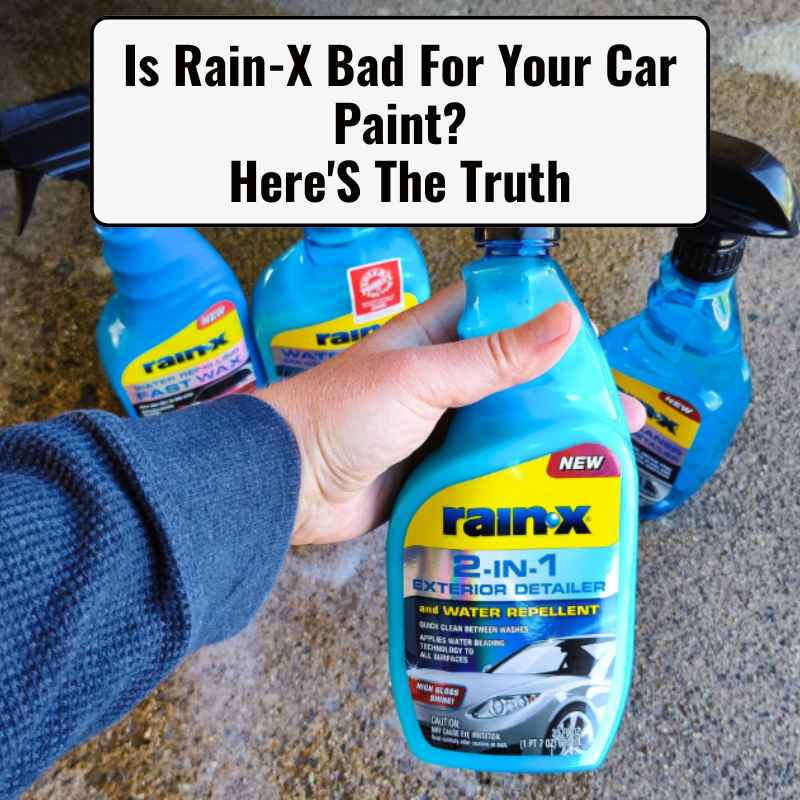
Is Rain-X Bad For Your Car Paint? Here’S The Truth
The main concern with Rain-X on car paint is potential long-term etching or dulling, especially if applied improperly or left on too long. While designed for glass, its chemical composition can interact differently with painted surfaces, sometimes leading to visible changes in the finish over time. Understanding its intended use and how to apply it safely is key.
Understanding Rain-X and Car Paint
Rain-X is a brand known for its water-repellent treatments. Its most famous product is applied to car windshields and windows. It works by creating a chemical barrier on the surface. This barrier makes water bead up and roll off more easily. This is great for visibility when driving in rain. It helps drivers see the road better.
The main ingredient in many Rain-X products is a silicone-based polymer. When applied to glass, it fills in microscopic pores. This makes the surface smoother. Water then has a harder time sticking. It forms small beads. These beads are then easily pushed away by wind or the car’s movement. It feels like magic when it works.
However, car paint is a different story. Paint has several layers. There’s the primer, the base coat, and the clear coat. The clear coat is the protective outer layer. It gives the paint its shine. It also protects the color underneath from the sun and elements. This clear coat is delicate. It can be damaged by harsh chemicals.
Some people try to use Rain-X on their car’s body. They hope to get the same water-repelling effect. They want their car to look shiny and clean. But car paint is not glass. It has different properties. The chemicals in Rain-X might not react well with the clear coat. This is where problems can start.
My Own Run-In with a Water-Repellent Dilemma
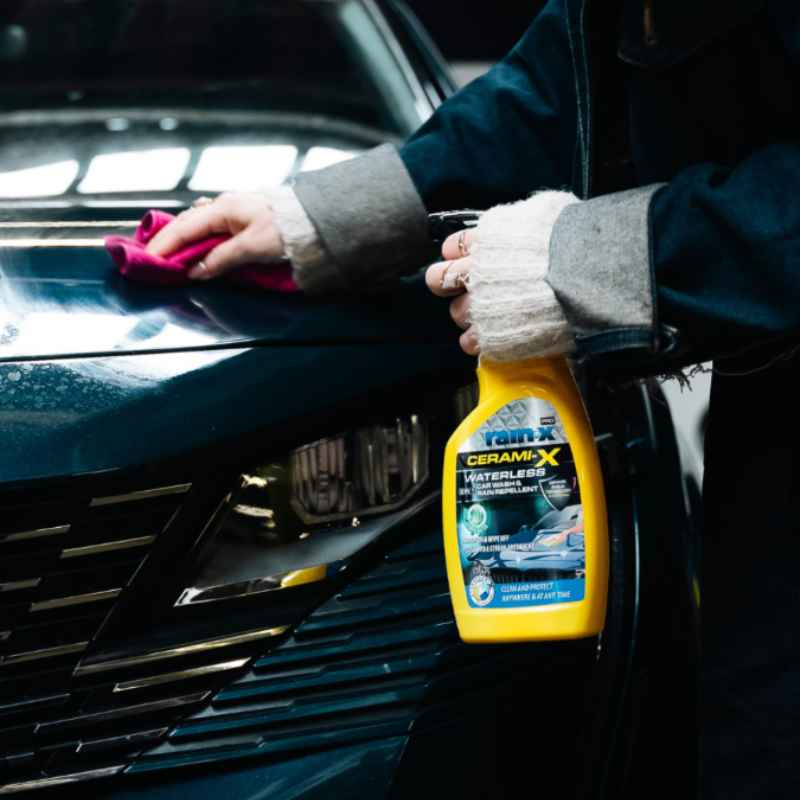
I remember a time a few years back. It was a dreary fall day. My car, a dark blue sedan, was looking rather dull. I had just washed it, but the rain had started again. I remembered seeing a bottle of Rain-X for paint. A neighbor had sworn by it. He said it made his car look brand new. He told me, “Just spray it on and wipe it off. It’s super easy.”
So, I decided to give it a try. I sprayed the product onto a microfiber cloth. Then, I began wiping it onto my car’s hood. It was easy, just like he said. The surface felt slick under the cloth. I moved to the trunk and doors. I felt a sense of accomplishment. My car would look great even in the rain, I thought.
But as I finished the last panel, I noticed something odd. In a certain light, the hood seemed… off. It looked a bit hazy. I tried wiping it again with a clean part of the cloth. The haze didn’t go away. A knot of worry started forming in my stomach. This wasn’t the shiny, flawless look I expected. It looked more like a faded patch.
Panic started to set in. I had just coated my entire car in something that might be ruining it. I spent the next hour trying to remove the product. I used car soap, then a stronger cleaner. It took a lot of effort. Eventually, the haze lessened. But I could still see a subtle dullness. It was a hard lesson. That day, I learned that not all surfaces are the same. And what works for glass might not be good for paint.
Understanding the Layers: Glass vs. Paint
Glass: It’s a hard, non-porous surface. Products like Rain-X can fill tiny imperfections. This creates a smooth, water-shedding layer.
It’s designed for this kind of interaction.
Car Paint: This is more complex. It has multiple layers. The clear coat is the outer shield.
It’s a polymer layer. Harsh chemicals can break it down. This leads to dullness or etching.
Why Rain-X for Paint Isn’t Always a Good Idea
The primary issue with using Rain-X on car paint is its formulation. While it’s excellent for glass, the chemicals within can be too aggressive for a car’s clear coat. Think of the clear coat as a very thin, protective skin. It’s designed to be tough but also has limits.
When you apply a product not specifically made for paint, you risk damaging this clear coat. This damage might not be immediate. It can show up later. You might see spots where the shine is gone. The paint could look dull or chalky. In some cases, it can even cause etching. This means the chemical has slightly eaten into the surface.
Many detailing experts strongly advise against using traditional Rain-X on painted surfaces. They explain that dedicated car waxes and sealants are formulated differently. They are designed to bond with the paint. They enhance shine. They also offer protection without causing harm. These products are tested for paint safety.
The “easy application” that sounds so appealing can be a trap. If the product isn’t meant for paint, quick application can lead to quick damage. Residue might be left behind. This residue can bake in the sun. This makes it even harder to remove later. And if it’s left unevenly, it can cause blotchy spots. That’s the opposite of the smooth finish you want.
Another point to consider is the long-term effects. While a single use might not cause obvious damage, repeated applications can wear down the clear coat over time. This leaves your paint vulnerable. It will be more prone to scratches and fading. It’s like wearing down a protective layer with every wash.
Alternatives for That Water-Beading Shine
If you love the look of water beading on your car, don’t despair! There are many products designed specifically for car paint. These will give you that slick, hydrophobic finish safely. They actually protect your paint. They also add a beautiful shine.
Car waxes are a classic choice. They are usually made from carnauba wax. This is a natural wax. It provides a deep shine. It also offers good water beading. However, waxes don’t last as long. They might need reapplication every few weeks.
Paint sealants are another great option. These are synthetic products. They typically last longer than waxes. They offer strong protection. They also create excellent water beading. Sealants can last for several months. They are a good choice for busy car owners.
Ceramic coatings are the latest innovation. They offer the longest-lasting protection. They create a very hard layer. This layer is incredibly hydrophobic. Water just rolls right off. Ceramic coatings can last for years. They are more of an investment. But they offer superior protection and shine.
Some products are even designed as spray waxes or detailers. These are easy to use. You can spray them on after washing your car. They add gloss and enhance the water-repelling effect. They are a quick way to maintain that just-detailed look. Always check the label. Make sure the product is safe for painted surfaces.
Quick Guide to Paint Protection
- Waxes: Natural shine, good beading, shorter lifespan.
- Sealants: Synthetic, longer-lasting, excellent protection.
- Ceramic Coatings: Ultimate durability, extreme hydrophobicity, long-term investment.
- Spray Waxes/Detailers: Easy to use, boost shine, add temporary protection.
Real-World Scenarios and User Behavior
Many people try to use products like Rain-X on their car’s paint because they misunderstand its purpose. They see the “water-repellent” claim. They associate this with a clean, protected car. They might not realize that the product’s specific chemical makeup is crucial. It needs to be compatible with the surface.
Think about it this way: you wouldn’t use dish soap to wash your hair. It’s a cleaning agent, yes, but it’s too harsh for your scalp and hair. Car paint is similar. It needs specialized care. Using the wrong product can strip away its natural oils or protective layers.
One common mistake is applying Rain-X in direct sunlight. Heat can cause the product to dry too quickly. This can leave streaks. It can also make it harder to wipe off. This increases the risk of damage. The surface can get too hot. This can also affect how the chemicals interact with the paint.
Another behavior I’ve observed is the “more is better” approach. Some drivers might think applying multiple coats will give better results. With Rain-X on paint, this can be disastrous. Each layer can potentially damage the layer beneath. It’s like repeatedly rubbing a surface with sandpaper. Eventually, you’ll wear it down.
The type of microfiber towel used also matters. A low-quality or dirty towel can scratch the paint. This is true even when using the right products. For applying and removing any car care product, using clean, high-quality microfiber towels is essential. They are soft. They trap dirt away from the paint.
What This Means for Your Car’s Paint
So, what’s the takeaway for your car? It’s simple: stick to products designed for car paint. Using Rain-X on your car’s body can lead to issues like:
Dullness: The clear coat can lose its luster.
Hazing: A cloudy appearance can form.
Etching: The surface can be slightly damaged by chemicals.
Uneven Shine: Spotty or blotchy finishes can appear.
These issues might not happen overnight. But over time, repeated misuse can degrade your paint. This can be costly to fix. A damaged clear coat often requires professional correction. This can involve machine polishing or even repainting.
If you’ve already used Rain-X on your car’s paint, don’t panic. Assess the situation. Can you see any dullness or haziness? If so, try to remove it gently. Use a quality car wash soap. Follow up with a dedicated paint sealant or spray wax. If the damage is more severe, you might need to consult a professional detailer.
It’s all about understanding what your car’s paint needs. It needs protection that’s made for it. It needs products that enhance its beauty, not degrade it.
Spotting Potential Paint Issues
- Check in Good Light: Park your car in the sun. Look for dull spots or hazy areas.
- Feel the Surface: A healthy paint surface should feel smooth. Roughness might indicate damage.
- Water Behavior: Does water bead evenly? Or does it form large, flat patches?
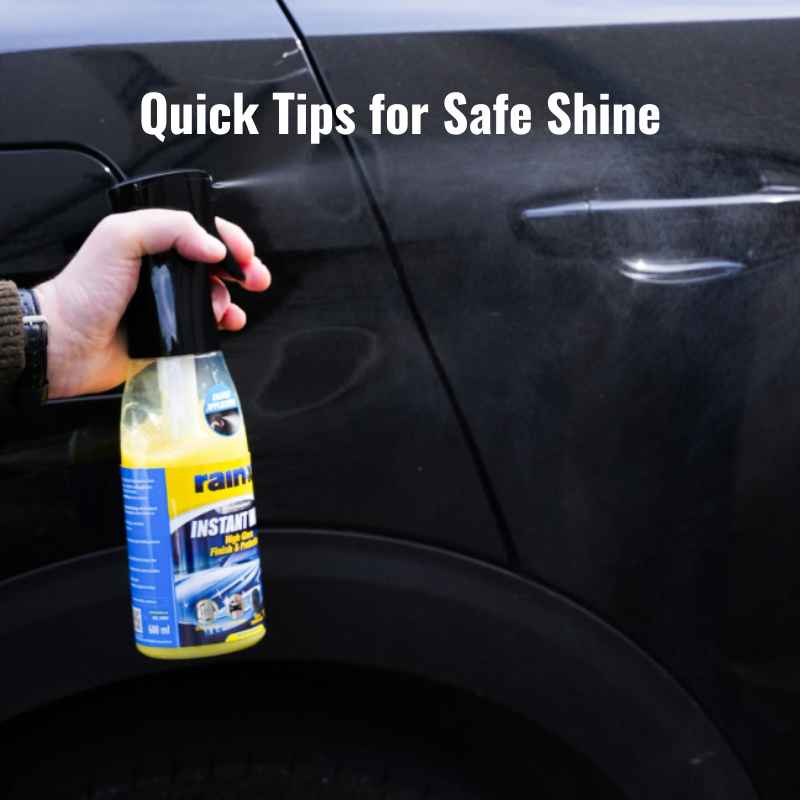
Quick Tips for Safe Shine
If you want that amazing water-repelling effect on your car, focus on these safe practices:
Read Labels Carefully: Always check if a product is safe for car paint.
Use Dedicated Products: Opt for car waxes, sealants, or ceramic coatings.
Apply in Shade: Never apply products in direct sunlight or on a hot surface.
Use Clean Microfiber Towels: This prevents scratches.
Follow Instructions: Apply products as directed by the manufacturer.
Test Spot First: If unsure, try a small, inconspicuous area first.
When Is It Normal for Water to Behave Differently?
Normal Beading: Water forms distinct, round beads. This shows a healthy layer of wax or sealant.
Concerning Flattening: Water spreads out or forms large, flat patches. This means the protective layer is gone or weakened.
Frequently Asked Questions About Rain-X and Car Paint
Can Rain-X actually damage car paint?
Yes, it can. While great for glass, Rain-X’s chemicals can be too harsh for a car’s clear coat. This can lead to dullness, hazing, or etching over time if used on painted surfaces.
Is it okay to use Rain-X on my car’s windows?
Absolutely. Rain-X is specifically designed for automotive glass. It greatly improves visibility in rain and snow by making water bead and roll off.
What are the best alternatives to Rain-X for car paint?
Safe and effective alternatives include car waxes, synthetic paint sealants, and ceramic coatings. These products are formulated to protect and enhance car paint.
How do I know if Rain-X has damaged my car’s paint?
Look for dull or hazy spots, uneven shine, or areas where the paint looks less vibrant. These signs might appear after application or over time.
Can I remove Rain-X if I accidentally applied it to my car’s paint?
Often, yes. You can try a thorough wash with a quality car soap. If that doesn’t work, a dedicated paint cleaner or polish might be needed.
For severe issues, a professional detailer can help.
Will Rain-X ruin my car’s wax or sealant?
Yes, Rain-X can strip away existing car wax or sealant layers. It’s not meant to be used over these protective treatments. It’s best to use it only on glass.
Final Thoughts on Protecting Your Vehicle
Keeping your car looking its best involves understanding the materials you’re working with. Car paint is a sophisticated finish. It deserves products made just for it. While the idea of quick water beading on your entire car is tempting, the risks with products like Rain-X on paint are real. Stick to trusted car care products. They will keep your vehicle protected and shining, safely and effectively, for years to come.
Products related to this article
Sponsored / affiliate links. As an Amazon Associate I earn from qualifying purchases. I may earn additional commission from eligible campaigns.