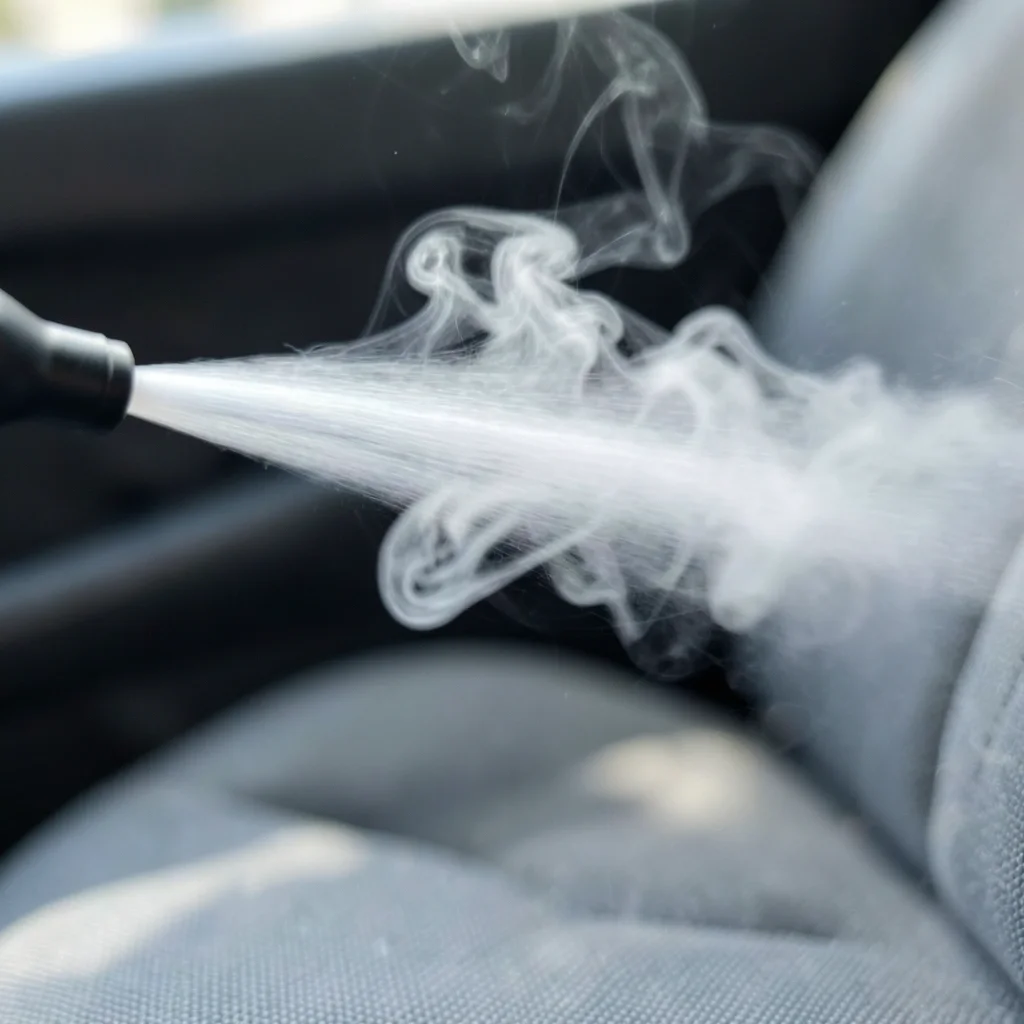
Portable Steam Cleaner for Car: How It Works and What to Buy
A portable steam cleaner for a car uses pressurized hot water vapor, not chemical cleaners, to loosen dirt, grease, and stains from seats, carpets, dashboards, and door jambs. Most handheld models heat water to well over 200°F in under a minute, which is hot enough to lift ground-in dirt and kill many surface germs without soaking the interior the way a carpet shampooer does.
It is not a substitute for vacuuming first, and it is not automatically safe on every surface at full blast — leather, in particular, needs a lower setting and a shorter dwell time than fabric or hard plastic. Here is how these cleaners actually work, what they can and cannot do inside a car, and what to look for before buying one.
How Does a Portable Steam Cleaner Work for a Car?
16-Piece Kit, 15-Second Heat-Up
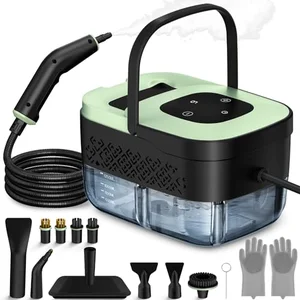 |
Portable Steamer, 16pcs Accessories, 6-Level Adjustable – $49.99 A 1500W handheld unit with a 15-second heat-up and six intensity levels, so you can drop the pressure for leather and fabric and turn it up for wheel wells or tire treads.
|
Inside the machine, a small boiler heats water past the boiling point and forces the resulting vapor out through a hose and nozzle at a few bars of pressure. There is no bucket of soapy water and no detergent residue left behind — the heat and pressure alone do most of the work, and the accompanying microfiber cloth wipes away the dirt the steam has loosened. Most handheld units on the market hold between 1 and 1.5 liters of water, enough for roughly 10–20 minutes of continuous use before a refill, which is generally enough to do a full interior in one pass.
Where a Steam Cleaner Actually Helps Inside a Car
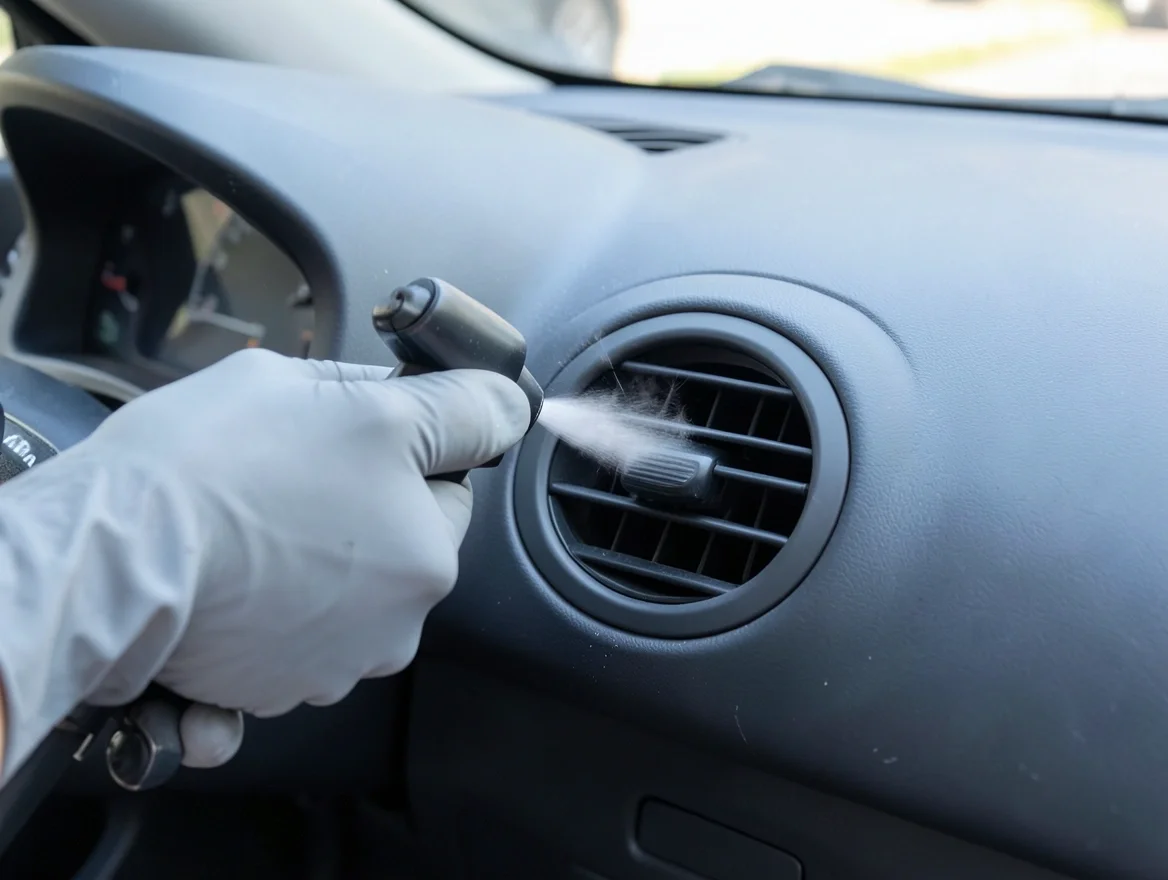
Steam earns its keep in the spots a vacuum and a spray bottle cannot reach cleanly: seat seams, the gap between the seat and console, cup holder ridges, door jamb rubber, air vent fins, and carpet fibers packed with ground-in dirt. A narrow nozzle attachment gets into those gaps without the mess of pouring liquid cleaner in and trying to blot it back out.
- Fabric seats and carpet: handles well at medium settings; follow with a microfiber wipe to lift the loosened dirt instead of letting it dry back in.
- Dashboard, door panels, and vents: a small nozzle or brush attachment clears dust from vent fins and console seams that a vacuum crevice tool misses.
- Cup holders and door jambs: one of the more satisfying uses — steam lifts sticky spilled-drink residue without leaving a wet cup holder for hours.
- Wheel wells and floor mats: higher steam settings and a scrub brush attachment cut through caked mud and road grime.
- Engine bay: skip this unless you know exactly which components to cover first — steam near an alarm, alternator, or electrical connector risks a short or a corroded contact.
Is Steam Cleaning Safe for Car Leather and Fabric?
Fabric and most hard plastic trim tolerate steam well at a moderate setting. Leather is the one surface that needs real caution: the heat can strip natural oils and dry the leather out if you hold the nozzle too close or linger too long in one spot, which is why most detailers recommend a lower steam level, short passes rather than a steady blast, and a leather conditioner applied afterward to replace what the heat pulled out. Test any unfamiliar cleaner on a hidden patch first, whether it is fabric, leather, or a painted trim panel, since finishes vary by manufacturer.
Does Steam Cleaning Actually Sanitize a Car Interior?
Steam above roughly 175°F kills a large share of common bacteria and viruses on contact, and most portable units run hotter than that, so there is a real sanitizing effect — not just a marketing claim. That said, the EPA does not classify steam alone as a registered disinfectant the way it does bleach solutions or EPA-registered disinfecting sprays, because a disinfectant claim requires the surface to stay wet with the product for a set contact time. Steam does a good job of cutting down odor-causing bacteria and grime in day-to-day use, but if you are dealing with something like mold after a flood or a serious spill, pair it with an actual EPA-registered disinfectant rather than relying on steam by itself.
How to Choose a Portable Steam Cleaner for Your Car
Most handheld car-friendly steam cleaners fall in the same rough range on paper — 1,500 to 2,500 watts, a 1 to 1.5-liter tank, and a 10 to 20-second heat-up — so the differences that actually matter come down to a handful of practical details.
- Adjustable steam levels. You want at least three settings so you can drop the pressure for leather and fabric and raise it for wheel wells or grout at home. A single fixed setting is a real limitation on delicate surfaces.
- Hose and cord length. A 6-foot hose reaches from the trunk into the back seat without repositioning the whole unit; anything shorter means constantly moving the base around the car.
- Attachments included. Look for a small precision nozzle for seams and vents, a brush head for carpet and floor mats, and a squeegee for glass. A cloth cover for the brush head protects fabric from bristle scratching.
- Tank size versus weight. A bigger tank means fewer refills, but it also adds weight to a handheld unit you are holding for 15–20 minutes straight. For a car-only tool, 1 to 1.5 liters is usually the sweet spot.
- Safety lock and auto shut-off. A pressurized water tank should not be openable while hot. Auto shut-off if the unit runs dry is a real safety feature, not a nice-to-have.
How to Use a Steam Cleaner in a Car Safely
- Vacuum first. Steam is for dissolving grease, grime, and set-in stains — it is not efficient at picking up loose crumbs and dry debris.
- Fill the tank with plain tap or distilled water and let the unit reach full pressure before starting; most models signal this with a light or an audible click.
- Start on the lowest steam setting on any surface you have not tried before, and test a hidden patch of leather or fabric first.
- Hold the nozzle a few inches off the surface and keep it moving — do not park the steam in one spot, especially on leather or painted trim.
- Wipe each section with a microfiber cloth right behind the steam to lift the loosened dirt before it resettles or dries back in.
- Leave doors open or windows cracked for 15–20 minutes afterward so residual moisture can evaporate instead of sitting in the carpet padding.
Frequently Asked Questions
How Does a Portable Steam Cleaner Work for a Car?
It heats water into pressurized vapor and forces it through a hose and nozzle. The heat and pressure loosen dirt, grease, and stains on contact, and you wipe the residue away with a cloth — no soap or spray cleaner needed.
Can a Steam Cleaner Remove Car Odors?
It helps a lot with everyday odors, since the heat breaks down the bacteria and residue that cause smells like mildew, food, or pet odor at the source rather than masking them. For a stubborn odor like smoke that has soaked into padding, steam alone may not fully clear it and an enzyme treatment or professional deep clean may be needed alongside it.
Is a Steam Cleaner Safe for Car Interiors?
Yes for fabric, carpet, and most hard plastic trim at a moderate setting. Leather needs extra care — use a lower steam level, keep the nozzle moving, and condition the leather afterward, since excess heat and dwell time can dry it out over repeated use.
How Often Should You Use a Steam Cleaner on Your Car?
Once a month is a reasonable baseline for a daily driver, and more often if you have kids, pets, or regularly eat in the car. Between full steam sessions, a quick vacuum and wipe-down keeps dirt from building up to the point where you need it.
Does Steam Cleaning Actually Disinfect a Car?
It kills a large share of surface bacteria and viruses because of the heat, but the EPA does not officially classify steam alone as a registered disinfectant — that designation is reserved for products like bleach solutions and EPA-registered sprays with a defined contact time. Steam is a strong everyday sanitizing tool, but pair it with an EPA-registered disinfectant for something like mold or a biohazard spill.
What Attachment Works Best for Car Seats and Carpet?
A fabric-covered brush head is the standard choice for seats and carpet — the bristles agitate the fibers while the cloth cover keeps the bristles from scratching or matting the fabric. Save the bare bristle brush for harder surfaces like floor mats and wheel wells.
Conclusion
A portable steam cleaner is not a magic fix for a car interior, but it is a genuinely useful tool for the gaps and seams that a vacuum and a spray cleaner cannot reach on their own, and it cuts down on how many chemical cleaners you need to keep in the trunk. Use a lower setting on leather, vacuum first, and give the interior time to dry afterward, and it will earn its spot in your monthly car-care routine.
Products related to this article
Sponsored / affiliate links. As an Amazon Associate I earn from qualifying purchases. I may earn additional commission from eligible campaigns.
 1.8L Handheld Steam Cleaner for Home & Car with 18 Accessories, 80-Min Runtime, Portable Steamer for Cleaning, 10S-Heat Up, 221℉/ 4Bar High Pressure Steam, 6 Steam Levels, Handle & Unit Dual Controls
 Car Vacuum Cleaner, Portable Handheld Mini Vacuum Cleaner, Portable Car Vacuum Cleaner with Inflator Function Light, Small Vacuum for Car, RV, Boats, Travel, DC12V 120W