Steam Machine for Cleaning Cars: How It Works and Safety Tips
A car steam machine uses heated water vapor to loosen grime, soften grease, and lift soil with very little moisture; stop if a surface is soft, unsealed, electrical, or the dirt needs pressure, not heat. Used badly, steam can push moisture into switches, lift trim adhesive, haze screens, or warp finishes, turning a cleaning job into a repair bill. Here’s how car steamers work, what they can clean safely by material, and the stop-now rules that keep beginners out of trouble.
Steam cleaner basics and unit types


A car steam cleaner heats water into pressurized vapor, then sends that vapor through a nozzle or attachment to concentrate heat on soil. Typical operating output is commonly reported at about 200–320°F, with vapor steamers often listed around 260–320°F; for real-world cleaning, nozzle-tip temperature matters more than boiler temperature alone, and working pressure around 55–75 PSI can help keep output steady.
Dry vapor matters because it carries heat with less liquid water than a spray bottle or wet shampoo. That lowers the chance of soaking seams, but it does not make steam harmless. Hold the tip too close, and the surface can get wet enough to stain, swell, or trap moisture in hidden layers.
Handheld, canister, and continuous-fill units
Handheld units are compact and fine for buttons, cupholders, trim, and quick spot work. Canister units usually give stronger sustained output, a better hose reach, and more consistent heat for full interior jobs. Continuous-fill machines are the most useful when you need longer runtime without waiting for a boiler to cool and refill.
For a small hatchback interior, a handheld may be enough for vents, crevices, and touch points. For seats, carpet, door panels, and wheel cleaning, a canister or continuous-fill machine is usually the safer choice because pressure and steam consistency matter more than a single hot burst.
What can you safely steam clean?
Steam works best on hard, sealed, and textured surfaces that shed moisture quickly. Cloth seats, carpets, mats, leather, vinyl, plastics, vents, and many exterior crevices usually tolerate it when you keep the nozzle moving, wipe immediately, and avoid soaking edges, stitching, and seams.
Interior surfaces that usually tolerate steam
Fabric seats and carpets can respond well because the heat loosens soil and the microfiber towel lifts residue right away. Leather and vinyl can also be cleaned carefully, but only with light passes and fast wipe-downs. Headliners are possible on some vehicles, yet they are among the easiest places to damage adhesive, so use a lighter touch than you would on seats.
Exterior surfaces that need a lighter touch
Wheels, wheel wells, door jambs, trim, and badges are common steam targets because they hold grime in seams and textured edges. Use short passes and keep the tip off painted surfaces and brittle plastic. Steam can help in tight areas, but it should not replace a proper wheel cleaner when brake dust or heavy road film is present.
Areas to avoid or treat as high risk
Do not aim steam into open connectors, exposed electronics, loose trim, raw fabric edges, cracked screens, or water-sensitive openings. Switch banks, infotainment units, and aging headliners are especially risky because moisture can move deeper than the visible surface. If the material is already damaged, steam usually makes the problem worse.
Car steam cleaning safety matrix
This matrix gives a practical stop point for beginners. If a surface is listed as high risk, keep the steam off it or use another method. If a surface is caution-level, use brief passes, immediate wiping, and a hidden test spot first.
| Surface | Risk level | Safe distance | Dwell time | Recommended attachment | Wipe timing | Stop conditions |
|---|---|---|---|---|---|---|
| Cloth seats | Caution | 3–6 in | 1–2 sec per pass | Nozzle or soft brush | Immediate | Color transfer, matting, seam dampness |
| Leather | Caution | 6–8 in | Under 1 sec per pass | Nozzle with microfiber bonnet | Immediate | Darkening, stiffness, finish haze, lifted dye |
| Vinyl | Low to caution | 4–6 in | 1 sec per pass | Nozzle or microfiber bonnet | Immediate | Gloss change, softening, edge lift |
| Headliner | High | 8–12 in | Very brief mist only | Nozzle with bonnet, no scrubbing | Immediate | Glue odor, sagging, spotting, texture change |
| Screens | High | 12 in or more | Avoid direct dwell | Microfiber-wrapped tool only | Immediate | Fogging, touch lag, visible moisture at edges |
| Buttons | High | 8–10 in | Split-second pass only | Nozzle with microfiber | Immediate | Sticky feel, delayed action, water intrusion |
| Carpet | Caution | 3–6 in | 1–2 sec per pass | Soft brush | Immediate | Padding saturation, stain spread, odor return |
| Mats | Low to caution | 3–6 in | 1–2 sec per pass | Soft brush | Immediate | Backing wetness, curling, fiber bleed |
| Wheels | Caution | 4–8 in | 1–2 sec per section | Nozzle or brush | Immediate | Hot-coated finish, cracked clear coat, sensor exposure |
| Wheel wells | Low to caution | 4–8 in | Short passes | Nozzle | Optional after section | Forcing dirt into seams or sensors |
| Door jambs | Caution | 4–6 in | 1 sec per pass | Nozzle with towel follow-up | Immediate | Switch intrusion, grease washout, water in latch area |
| Engine bay | High | 8–12 in | Very brief, methodical | Nozzle only | Immediate | Moisture near connectors, coils, fuse box, sensors |
Material stop signs
Stop steaming if you see discoloration, lifted adhesive, water beading inside a seam, fogging on a screen, sticky switches, or swelling in soft materials. These are not minor warnings. They mean the surface is taking in more heat or moisture than it can safely handle.
Should you vacuum before steaming?
Yes. Vacuum first so loose grit does not become muddy paste when steam hits it. Pre-vacuuming matters most on carpets, mats, seat seams, and lower door pockets, where sand and crumbs collect and can get pushed deeper by moisture and pressure.
Where pre-vacuuming matters most
Start with carpet, mats, seat tracks, and corners of the cabin where debris hides. If you skip this step, the steam tool can smear soil across fabric and leave a darker ring than the one you started with. That is especially common along seams and around cupholders.
When extraction should come first
If the carpet is soaked, the padding smells sour, or the stain looks deep and old, a carpet extractor is the better first move. Steam is for loosening and light surface cleaning. It is not the best tool when the job is deep liquid removal or contamination sitting below the top layer.
Say your driver’s footwell has a coffee spill that soaked into the mat and left the carpet underlayer damp. Steam alone may clean the top fiber, but it can also push moisture deeper. Extraction first is the safer move because it removes liquid instead of redistributing it.
How do you clean car seats with steam?
For seats, work in small sections, use the lightest effective steam, and wipe immediately with microfiber. Cloth seats can take a soft brush attachment for agitation. Leather and vinyl need less heat, more distance, and more caution around stitching, bolsters, and any cracked finish.
Cloth seats and carpeted areas
Use a soft brush attachment on fabric seats to lift grime without harsh scrubbing. Keep the brush moving in short strokes, then follow with a dry microfiber towel before the soil resettles. For carpeted sections, short passes help loosen dirt, but if the stain sits deep in padding, switch to extraction.
Leather and vinyl trim
Leather and vinyl tolerate steam only when the finish is intact. Stay farther back than you would on cloth and avoid lingering over stitching, perforations, or worn edges. If the leather feels dry, brittle, or already cracked, hand cleaning is safer than heat.
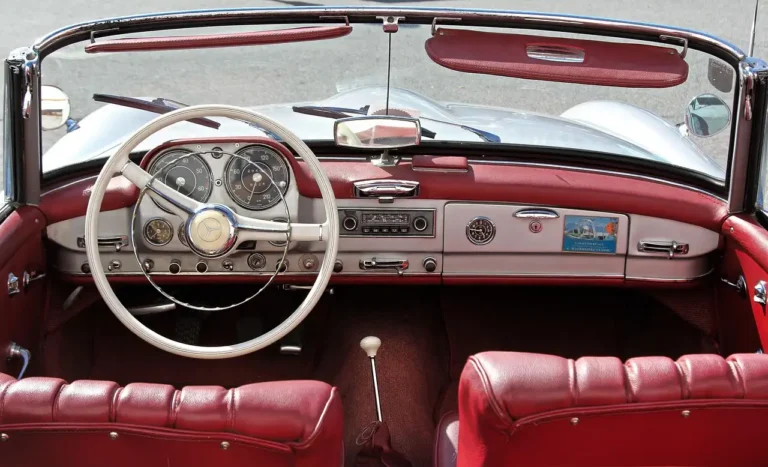
Headliners, screens, buttons, and vents
Headliners need the lightest possible approach because adhesive failure shows up as sagging or rippling. Screens and button banks should be cleaned with steam applied to a towel or bonnet, not directly blasted. Vents are fair game, but only with brief passes that do not force moisture into the housing.
A common first-timer mistake is aiming the nozzle at a steering wheel button cluster for three or four seconds because the grime looks stubborn. The result is often moisture under the switch face, not cleaner plastic. One quick pass, then a towel, is the safer pattern.
Can you use steam cleaner on an engine?
Yes, but only carefully, and not as a flood method. Cover sensitive electronics, avoid open connectors, and keep steam away from exposed intake paths, coil packs, and fuse areas. Engine bay cleaning should be methodical, light, and targeted at grime on covers, plastic trim, and accessible metal surfaces.
What to cover before you start
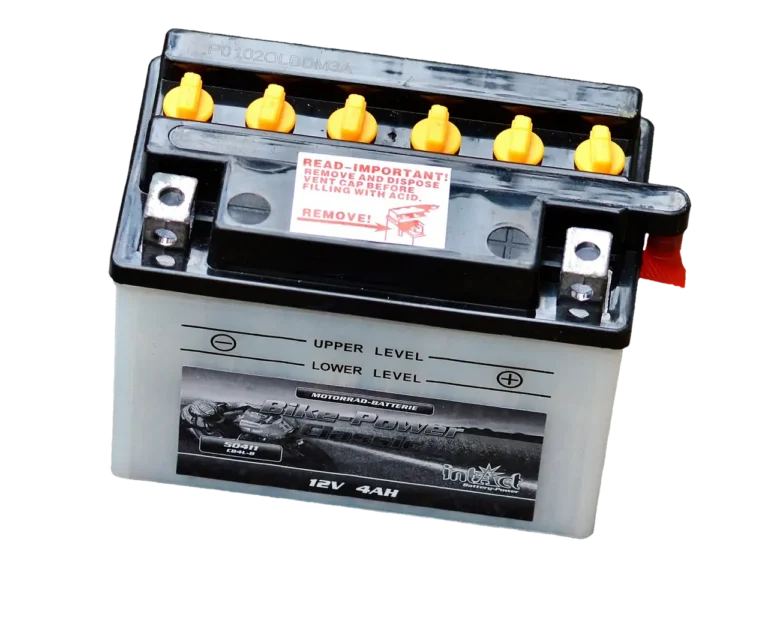
Protect battery terminals where needed, exposed electrical connectors, aftermarket electronics, and any open filter or intake opening. If the bay has fragile wiring or obvious prior repairs, reduce steam use further. The goal is to clean surfaces, not drive moisture into places that are hard to dry.
Safer methods for wheel wells and door jambs
Wheel wells usually tolerate steam better than the engine bay because the surfaces are less sensitive, but you still need short passes and distance. Door jambs are safe only when you keep steam off switches and latch cavities, then dry immediately. Dirty hinges and jamb edges often respond well to a nozzle plus microfiber follow-up.
Where steam should stop in the engine bay
Stop at any open connector, exposed sensor, or seam that leads into an electrical component. If the dirt is packed into a hidden cavity and steam cannot reach it cleanly, use a hand brush, a mild cleaner, or professional service instead of forcing vapor deeper.
What temperature and pressure should a car steam cleaner have?
Look for a machine that can deliver stable hot vapor, not just a high peak number on the box. A common target is about 290–320°F boiler output, roughly 240–280°F at the nozzle tip, and around 55–75 PSI working pressure. Consistent output matters more than a flashy maximum that drops quickly in use.
Boiler temperature is only part of the picture because steam cools before it reaches the surface. That is why nozzle-tip temperature is the better real-world guide. If the machine cannot hold pressure while you move from one section to the next, cleaning gets uneven and moisture control gets worse.
Do I need distilled water in a steam cleaner for cars?
Yes, distilled water is the safer default because it reduces scaling inside the machine. Hard tap water leaves mineral deposits that can clog jets, shorten service life, and make output less consistent. For a machine that depends on steady vapor, scale is not a small issue.
Distilled water also helps keep maintenance predictable. If the machine will be used often, sticking with distilled water is simpler than descaling later. That matters more for compact units, which can be more sensitive to buildup than larger canister machines.
How long does it take for a car interior to dry after steam cleaning?
Most interiors dry faster than wet shampoo jobs because steam leaves very little moisture behind when used properly. A full car interior steam detail is commonly estimated at 45–90 minutes for the cleaning process itself, and dry time depends on ventilation, humidity, and how much water was introduced during wipe-down.
Seat fabric and carpet usually dry faster with doors open and moving air. Headliners, seams, and carpet padding take longer because moisture can sit below the visible surface. In a humid climate, drying can stretch from a few hours to overnight if too much steam was used.
What is the difference between a steam cleaner and a carpet extractor for cars?
Steam loosens grime with heat and low moisture. A carpet extractor pulls liquid and suspended soil back out of the material. Steam is the better choice for touch points, crevices, light interior soil, and quick refresh work. Extraction is better for deep spills, heavy staining, and padding contamination.
The stop rule is simple: if the contamination is still in the pile or below it after vacuuming and careful steaming, stop and extract. If the surface is heat-sensitive, adhesive-backed, or likely to swell, stop and choose hand cleaning or no steam at all.
Frequently asked questions
How does a steam machine clean cars?
A steam machine heats water into pressurized vapor and sends that vapor through a nozzle or attachment to loosen grime and soften grease. The heat helps lift soil, and the low moisture helps reduce soaking. Final cleanup still depends on immediate microfiber wiping and the right attachment for the surface.
What parts of a car can you safely steam clean?
Cloth seats, carpets, mats, leather, vinyl, plastics, vents, door jambs, wheels, and wheel wells are common safe targets when used carefully. Headliners and screens require a lighter touch, and engine bays need extra caution. Any surface that is soft, unsealed, or electrical should be treated as high risk.
Can steam damage car electronics or leather?
Yes. Steam can force moisture into switches, fog screens, and stress connectors or control modules. On leather, too much heat or moisture can dull the finish, stiffen the surface, or expose wear at cracks and seams. Keep the nozzle back, use brief passes, and stop at the first sign of change.
Products related to this article
Sponsored / affiliate links. As an Amazon Associate I earn from qualifying purchases. I may earn additional commission from eligible campaigns.