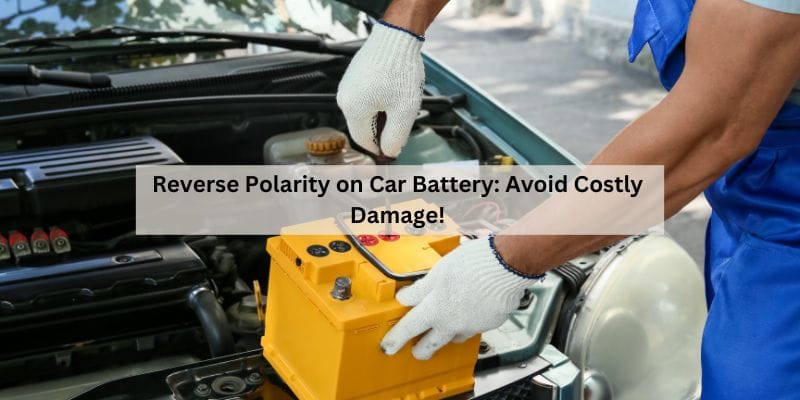
Reverse Polarity on Car Battery: Avoid Costly Damage!
Reverse polarity on a car battery occurs when the positive and negative cables are connected incorrectly. This can lead to serious damage to the vehicle’s electrical system.
Connecting a car battery incorrectly can have serious consequences. Many drivers underestimate the importance of proper installation. Reverse polarity can damage critical components like the alternator, starter, and onboard computer. Symptoms may include blown fuses or failure to start. Understanding how to connect battery terminals is essential for vehicle maintenance.
Always follow the correct procedure: connect the positive terminal first, then the negative. If you suspect reverse polarity, disconnect the battery immediately. Seeking professional help can prevent further damage. Educating yourself on battery safety can save time and money, ensuring your vehicle runs smoothly for years to come.
The Hidden Danger Of Reverse Polarity
Reversing the polarity on a car battery can cause serious problems. Immediate effects can include blown fuses and damaged wiring. This can lead to expensive repairs and time spent in the shop.
The alternator may also be affected. It could stop working or become damaged. Electrical components like the radio and lights might fail too. Short circuits can occur, causing further issues.
Always check battery connections carefully. Ensuring the correct polarity can prevent these dangers. A simple mistake can lead to major headaches for any car owner.
Common Causes Of Reverse Polarity
Reverse polarity can cause serious damage to a car battery. One common cause is jump-starting gone wrong. Incorrectly connecting the cables can lead to electrical issues. Always check the positive and negative terminals before starting.
Another cause is incorrect battery installation. Installing a battery the wrong way can create a short circuit. This mistake can harm the battery and other car components. Ensure the battery is installed correctly to avoid problems.
Identifying Reverse Polarity
Reverse polarity on a car battery can cause serious damage. Look for warning signs to identify the issue. Common symptoms include blown fuses, burnt wiring, and strange noises from the electrical system.
Check the battery terminals. If the cables are connected incorrectly, it can lead to reverse polarity. A multimeter can help test the battery. Set it to DC voltage and check the readings. A negative reading indicates reverse polarity.
| Warning Signs | Description |
|---|---|
| Blown Fuses | Fuses may blow due to incorrect connections. |
| Burnt Wiring | Wires might melt or burn from excess current. |
| Strange Noises | Unusual sounds from the electrical system indicate issues. |
The Science Behind The Sparks
Understanding batteries is essential. They store electric energy for various devices. A car battery uses chemical reactions to create electricity. When connected correctly, energy flows smoothly. If the polarity is reversed, problems arise.
Positive and negative terminals must connect properly. Reversing these leads to a short circuit. Sparks may occur, causing damage. Batteries can overheat or even explode in extreme cases. Always check connections before starting.
Batteries react based on their internal chemistry. The reaction generates current, which powers the vehicle. Understanding these basics helps in safe handling. Stay cautious and informed to avoid accidents.
Protecting Your Car From Reverse Polarity
Protecting your car from reverse polarity is essential for its health. Preventive measures can save you from costly repairs. Always use a multimeter to check polarity before connecting. This tool helps ensure the connections are correct.
Consider using fuse protectors to safeguard against reverse polarity. They can prevent damage from unexpected electrical issues. Battery chargers with reverse polarity protection are also helpful. These chargers automatically stop if connections are wrong.
Invest in a battery terminal cover. This simple tool can help avoid accidental connections. Regularly inspect your battery and cables for any signs of wear.
| Tool/Gadget | Benefit |
|---|---|
| Multimeter | Checks polarity before connection |
| Fuse Protector | Prevents electrical damage |
| Battery Charger | Stops charging if polarity is wrong |
| Terminal Cover | Avoids accidental connections |
What To Do After A Reverse Polarity Incident
After a reverse polarity incident, act quickly to minimize damage. First, disconnect the battery cables immediately. This helps prevent short circuits. Next, check for any visible burns or damage to the battery. If there are signs of leakage, do not touch the battery.
Inspect the vehicle’s fuses and wiring. Look for any blown fuses that need replacing. If you notice any strange smells or sounds, it’s best to stop. Check the car’s electronics for any malfunction. If problems persist, consider professional help.
| Signs to Call a Professional |
|---|
| Visible damage to battery |
| Smells of burning plastic |
| Malfunctioning electronics |
| Battery won’t hold a charge |
Real-life Consequences Of Reverse Polarity
Many vehicle owners have faced issues due to reverse polarity on their car batteries. One owner reported that their car wouldn’t start after connecting the battery incorrectly. The lights flickered, but the engine remained silent. Another person experienced a burnt fuse, leading to costly repairs.
Some drivers noticed strange smells coming from their engine after the mistake. This often indicated that components were damaged. A few people had to replace their entire battery due to irreversible damage. Always remember to check battery terminals before connecting.
| Owner | Issue | Consequence |
|---|---|---|
| John | Car wouldn’t start | Needed a new battery |
| Sarah | Burnt fuse | Costly repairs |
| Mike | Strange smells | Engine damage |
Future-proofing Your Vehicle
New battery technologies are changing how we protect our vehicles. Innovative devices help prevent issues like reverse polarity. These devices ensure your battery connects correctly every time.
Some examples of these protective devices include:
- Smart Battery Chargers: Automatically detect battery polarity.
- Reverse Polarity Alarms: Alert users to incorrect connections.
- Inline Fuses: Cut off power in case of a mistake.
Embracing these innovations can keep your vehicle safe and efficient. Staying updated on battery technology is essential for every car owner.
Frequently Asked Questions
What Happens When You Reverse Polarity On A Car Battery?
Reversing polarity on a car battery can cause serious damage. It may lead to blown fuses, damaged electronic components, and even battery explosion. Always connect terminals correctly to avoid these risks. If you suspect a reverse connection, disconnect the battery immediately and check for damage.
How Do You Fix Reverse Polarity On A Battery?
To fix reverse polarity on a battery, first disconnect it from the circuit. Then, swap the positive and negative connections. Check the battery and device for any damage. Finally, reconnect everything correctly and test the device to ensure it operates normally.
Can You Revive A Dead Car Battery By Inverting Its Polarity?
No, you cannot revive a dead car battery by inverting its polarity. Doing so can cause severe damage to the battery and the vehicle’s electrical system. Instead, try jump-starting the battery or replacing it for proper functionality. Always follow safe procedures when handling batteries.
Will Anything Change In The Circuit If The Battery Polarity Is Reversed?
Reversing battery polarity can damage components and disrupt circuit functionality. Devices may not operate correctly, and some may even burn out. Always check polarity before connecting a battery to prevent potential hazards and ensure proper operation.
Conclusion
Reversing polarity on a car battery can cause serious damage. Knowing how to avoid this mistake is crucial for every car owner. Always double-check connections before starting your vehicle. Proper knowledge ensures your car runs smoothly and safely. Stay informed to protect your investment and maintain your battery’s longevity.