Tire Covers for Cars: Ultimate Protection Against Sun, Rain, and Snow
Tire covers protect a parked vehicle’s tires from the sun, rain, snow, and ozone exposure that cause rubber to dry out, crack, and age faster. They’re a cheap way to add years of life to tires on an RV, trailer, camper, truck, or SUV that spends a lot of time sitting outdoors.
Below we cover how to pick the right size and material, recommend three well-reviewed options, and answer the most common questions about using them.
Best Tire Covers for Cars: Top Pick
TOP PICK – WATERPROOF 4-PACK
 |
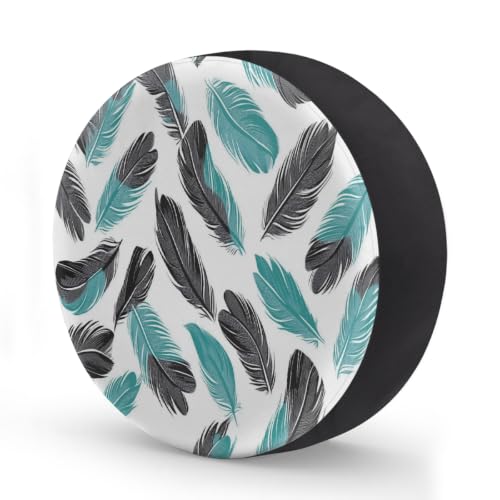
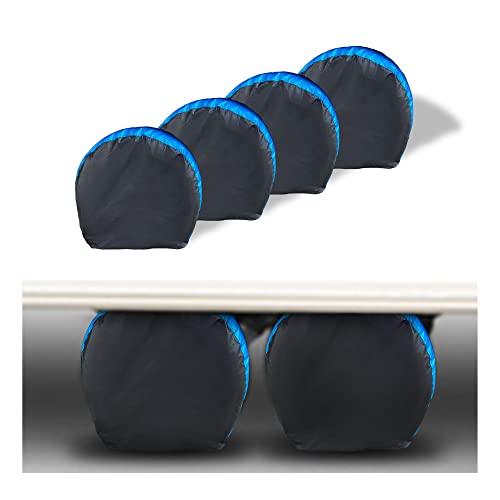
MORNYRAY Tire Covers, 4-Pack – $20.62 A waterproof, anti-UV 4-pack that fits RVs, trucks, SUVs, trailers, and campers – our top pick for all-around outdoor tire protection.
|
The MORNYRAY Tire Covers are a solid default choice if you don’t have a specific brand preference. The waterproof shell keeps moisture from sitting against the rubber, and the anti-UV layer cuts down on the sun exposure that causes dry rot. They’re available in several diameter ranges, so measure your tires (see below) before ordering.
Other Tire Cover Options Worth Considering
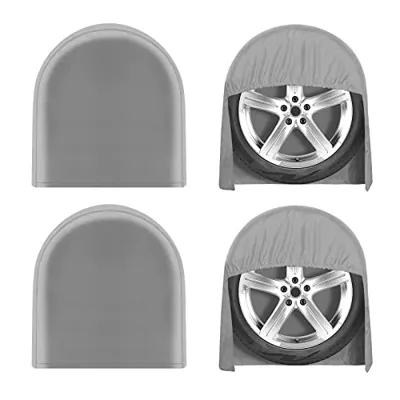
The OutdoorLines Waterproof Tire Covers are built for 24″–26″ tire diameters and add a windproof design that keeps the covers from flapping loose in gusty weather — a good pick if you store a trailer or camper van somewhere exposed. The gray finish is plainer than MORNYRAY’s, but the fit is snug and secure.
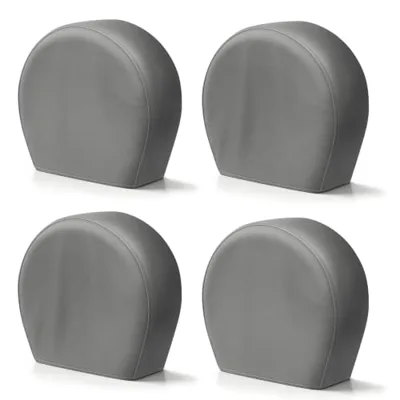
If your tires run larger — think dually trucks, larger RVs, or motorhomes — the Explore Land Tire Covers cover a 26″–28.75″ diameter range in heavy-duty vinyl. They cost more than the other two options, but the thicker material is worth it for tires that will otherwise sit exposed for months at a time.
How to Measure Your Tires Before Buying a Cover
Tire covers are sold by outer tire diameter, not rim size — this is the single most common mistake buyers make. To measure:
- Measure from the ground to the top of the tire (this gives you the full diameter, including the rubber).
- Alternatively, measure straight across the face of the tire from one edge of the tread to the other.
- Round up to the nearest listed size range on the product page — most covers are sold in 2–3 inch diameter bands (for example, 24″–26″ or 26″–28.75″).
- If your vehicle has mismatched tire sizes front-to-back (common on some trucks and trailers), measure each axle separately.
A cover that’s too small won’t stretch over the tire without straining the seams, and one that’s too large will sag and flap, letting in wind-blown rain and dust.
Why Parked Tires Crack: UV, Ozone, and Weather Damage
Tire rubber degrades even when a vehicle never moves. Two things drive most of that damage:
- UV exposure breaks down the oils and antioxidants compounded into the rubber, leaving it stiffer and more brittle over time — this shows up as the fine surface cracking often called weather-checking.
- Ozone exposure attacks rubber at a molecular level, and it’s worst on tires that sit under tension in one position for long stretches, which is exactly what happens to a parked vehicle.
Tire manufacturers and safety groups including the NHTSA generally recommend replacing tires by 6 to 10 years of age regardless of remaining tread depth, because rubber compounds harden and crack with age even on a low-mileage vehicle. Blocking direct sun and moisture with a cover won’t stop that clock entirely, but it does slow the surface cracking that’s accelerated by UV and rain sitting against the sidewall.
Vinyl vs. Oxford Cloth: Which Tire Cover Material Lasts Longer?
Most tire covers use one of two outer materials:
- Heavy-duty vinyl is thicker, more puncture-resistant, and handles constant direct sun better — it’s the better pick for a vehicle that’s parked outdoors for months at a time, like a stored RV or boat trailer.
- Oxford cloth (polyester weave) with a waterproof coating is lighter and easier to fold for storage, but the coating can wear thin faster under constant UV exposure than vinyl does.
Either material should have seams that are sealed or double-stitched, and a soft inner lining so the cover doesn’t rub against and scuff painted wheels.
How to Install and Care for Tire Covers
- Clean and dry the tire and wheel before covering — trapping moisture or road grime under the cover speeds up damage instead of preventing it.
- Stretch the elastic hem or drawstring over the tire from the top down, working it evenly around the sidewall.
- Check that the cover fully shields the sidewall facing the sun; that’s the side doing the most UV damage.
- Remove the covers before driving — they’re for parked storage only, not for use while the vehicle is moving.
- Let covers air-dry fully before folding them away for winter storage to avoid mildew.
Frequently Asked Questions
Are Tire Covers Waterproof and UV Resistant?
Most tire covers made for outdoor storage are both waterproof and UV-resistant. The waterproof layer keeps rain and moisture off the rubber, while the UV coating slows the sun damage that causes cracking and fading. Always check the specific listing, since cheaper covers may only offer one of the two.
How Do Tire Covers Protect Tires From Weather?
They act as a physical barrier between the tire’s rubber and direct sun, rain, and snow. Blocking UV rays slows the drying-out and cracking that comes with age, and keeping moisture off the sidewall helps prevent surface deterioration on a vehicle that sits for long periods.
What Size Tire Cover Do I Need?
Tire covers are sold in several diameter bands rather than one universal size — common ranges run from about 24 inches up to 31 inches or more for large RV and dually truck tires. Measure your tire’s outer diameter (ground to tread top, or edge to edge across the face) before ordering, since sizing by rim diameter alone will give you the wrong cover.
Are Tire Covers Easy to Install?
Yes. Most use an elastic hem or an adjustable drawstring that stretches over the tire in a few seconds, with no tools needed. That’s also what makes them practical to put on and take off regularly if you only need protection during long-term parking.
Do Tire Covers Help Extend Tire Life?
Yes, especially for vehicles that sit outdoors for weeks or months at a time. By limiting UV exposure and keeping moisture and debris off the rubber, covers slow the surface cracking and dry rot that shorten a tire’s usable life — though they won’t stop the normal aging process tires go through over several years.
Conclusion
Tire covers are an inexpensive way to protect a parked vehicle’s tires from the sun, rain, and snow that cause premature cracking and dry rot. The MORNYRAY 4-pack is a solid all-around pick for RVs, trucks, SUVs, trailers, and campers, while OutdoorLines and Explore Land are worth a look if you need a specific fit or a heavier-duty material.
Whichever cover you choose, measure your tire’s outer diameter first, keep the tires clean and dry before covering them, and remove the covers before driving. Combined with routine tire maintenance, that’s enough to noticeably extend the life of tires that spend a lot of time parked outdoors.
Products related to this article
Sponsored / affiliate links. As an Amazon Associate I earn from qualifying purchases. I may earn additional commission from eligible campaigns.