Winter Car Care: The Complete Cold-Weather Guide
Start winter car care with four urgent checks: winter-ready tires, a strong battery, freeze-protected fluids, and working wipers and lights. Skip them and you raise the odds of no-starts, longer stopping distances, frozen systems, and poor visibility when roads are at their worst. This guide ranks each cold-weather task by urgency, explains what matters by climate, and shows the warning signs for gas, diesel, hybrid, EV, and older vehicles.
The key shift is to treat winter prep as prevention. Traction comes first, then starting reliability, then visibility, cabin heat and defrost, freeze protection, and emergency readiness. That order holds in places with a few frosts and in places with months of packed snow, only the timing and depth of the work changes.
In the US, winter is not one date on the calendar. Meteorological winter runs from December 1 to February 28, or 29 in leap years, while astronomical winter starts around December 20-21 and ends around March 19-21. For vehicle prep, the useful deadlines come earlier: early fall baseline, first cold snap recheck, pre-storm inspection, and a brief check before any long winter trip.
If you want a companion worksheet for seasonal prep, use this winter tires checklist, this battery maintenance guide, and this car heater troubleshooting page alongside the steps below.
What matters most in winter car care?




Winter car care matters most where failure leaves you with less control or less mobility: tires first, battery second, visibility third, heat and defrost fourth, coolant and oil fifth, and emergency supplies after that. Handle the high-risk items before temperatures drop hard, then check them again when the first real cold snap arrives.
Priority order by failure risk
1. Traction. Tires decide whether the vehicle can steer, accelerate, and stop. Winter tires are often recommended because their tread compounds generally stay more flexible in low temperatures, and government and safety groups commonly report better snow and ice traction than typical all-season tires in true winter conditions; see Transport Canada.
2. Starting reliability. Cold slows battery chemistry and thickens engine oil, so the battery can deliver fewer cranking amps at the same moment the starter needs more effort to turn the engine. A marginal battery often fails at the first real freeze, which is why AAA notes cold weather commonly exposes weak batteries. Slow crank, dimming lights during start, or a battery already near replacement age should trigger a test now.
3. Visibility. Worn blades, weak washers, frozen fluid, and dirty lights turn a manageable drive into guesswork. Winter often shortens blade life because grit, slush, and ice work the rubber harder.
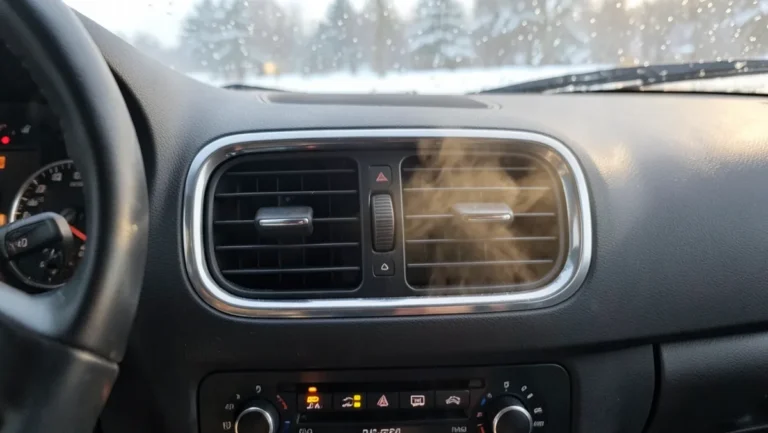
4. Cabin heat and defrost. Heat is comfort, but front defrost and rear defogger are safety systems. If the heater is weak, windows may not clear fast enough, and if you are stranded, cabin heat matters even more. If output is already inconsistent, start with car heater troubleshooting before temperatures fall further.
5. Freeze protection. Engine coolant and antifreeze levels should be checked before winter trips, and the mix should be verified, not assumed. The coolant needs enough antifreeze concentration to keep the system from freezing well below 32 degrees F while still carrying heat well; AAA explains that an over-diluted system can freeze, while an incorrect mix can also reduce cooling-system performance and heater output.
6. Emergency readiness. It is last in the ranking because it does not prevent the failure. It limits the consequences after a delay, a breakdown, or a road closure.
The four winter timelines
- Early fall: baseline inspection, tire decision, battery test if aging, coolant verification, heater and defroster check.
- First cold snap: recheck tire pressure, washer fluid freeze resistance, battery behavior, and door seals.
- Pre-storm: fuel level, wipers, scraper, emergency kit, traction aids, lights, and route decision.
- Pre-trip: cold PSI check, fluid level confirmation, phone charging, and weather review, especially for remote routes.
What can wait, and what cannot?
If a task affects whether the vehicle starts, stops, or can be seen, treat it as immediate. Cosmetic issues, light seepage around old weatherstrips, or a small convenience item in the kit can wait. A common first-timer mistake is replacing wiper blades but forgetting winter-rated washer fluid; the blades sweep fine, then the fluid can freeze in the reservoir or lines on the first cold highway run.
How do you choose the right battery CCA for winter starts?
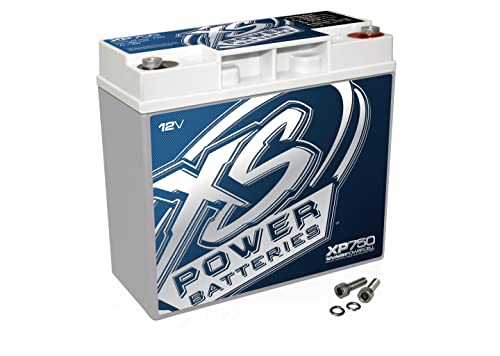
Cold-cranking amps (CCA) tells you how much starting power a battery can deliver in cold weather, so it’s one of the most useful specs to check before winter hits. The supporting guide explains what CCA means, how to match it to your vehicle’s needs, and whether a battery with higher CCA than the factory recommendation is a smart upgrade or just extra cost.
If your engine has been slow to crank on cold mornings, this winter CCA guide also helps you separate an undersized battery from other common causes, like age or charging issues. That matters because starting problems in winter are often blamed on the cold alone, when the real fix may be battery selection or diagnosis.
What charger amperage is safest for cold-weather battery charging?
For a cold 12V car battery, the safest starting point is usually 2A to 4A, not a high-amp boost. The supporting guide explains how to choose a lower setting for a weak or deeply cold battery, when a slightly higher setting can still be reasonable, and why 6A or 10A can be too aggressive unless the battery is warm and the charger instructions permit it. That matters because charging too hard in low temperatures can increase heat, gassing, and battery wear.
If you want a simple rule for winter charging, see cold battery amp settings for a temperature-based decision table, plus quick guidance on when to step down or stop charging.
Why a cold-weather no-start is usually a battery or starter problem
When a car clicks but won’t start in cold weather, the most common causes are low battery voltage, corroded or loose cable connections, or a starter that is beginning to fail. The sound matters: a single loud click often points to a starter or connection issue, while rapid clicking usually means the battery voltage has dropped too low to crank the engine.
The supporting guide on cold no-start symptoms explains how to use those sounds, temperatures, and first checks to narrow the problem fast. That matters because it helps you avoid replacing the wrong part and gives you a simple order for checking the battery, cables, relay, starter, and related sensors before the car leaves you stranded.
Should you disconnect the battery for winter storage?
Battery storage is mostly about how long the car will sit. For short gaps, the battery can usually stay connected; for a few months, a maintainer is often the safer choice; for longer winter storage, disconnecting or removing the battery helps avoid a dead battery and corrosion. The full battery storage guide breaks down when each option makes sense, including the effect of cold weather and the car’s electronics. That matters because the wrong setup can leave you with lost settings, startup problems, or a battery that won’t recover after storage.
How do you connect jumper cables safely in freezing weather?
When a cold car won’t start, the safest sequence is to connect the positive terminal first, then finish with the negative connection to a clean ground point unless the vehicle manual says otherwise. That order helps reduce the chance of sparks near the battery, which matters even more in winter when batteries are already stressed and a damaged battery can be dangerous. The full jump-start terminal order article lays out the exact clamp sequence, when to stop, and the common mistakes that can leave you stranded or damage electronics.
It’s especially useful if the battery looks frozen, cracked, swollen, or leaking, because in those cases you should not attempt a jump start at all.
Does idling actually warm your car faster in winter?
For most modern cars, the answer is no: idling is usually a slow, inefficient way to warm the engine, and it can leave you waiting longer for useful cabin heat than a gentle drive would. The supporting article breaks down why newer engines need less idle time, how long to idle before driving, and what changes by vehicle type so you can make a better cold-start decision.
It also explains the downsides of long warm-ups, including extra fuel use, emissions, and possible legal issues if you leave the car running too long. If you want the practical guidance in one place, start with winter idling guidance.
Why hybrids can lose MPG in winter
Yes—many hybrids do lose MPG in cold weather, often by about 10% to 30%, and the drop is usually most noticeable on short trips, stop-and-go driving, and city commutes. The main reasons are simple: the engine may run more often to make heat, cold batteries are less efficient, and the car spends more time warming up before it can lean on electric assist. The supporting guide breaks down hybrid winter MPG by hybrid type and trip length, so you can tell the difference between a normal seasonal dip and a problem worth diagnosing.
How Cold Weather Changes a Hybrid Battery
Cold weather can temporarily reduce a hybrid battery’s usable power, slow how quickly it accepts a charge, and make winter MPG and acceleration feel worse. The supporting guide on hybrid battery winter effects explains why those changes happen, what low temperatures do to regenerative braking, and how the car’s thermal management system helps limit the impact.
That matters because many winter symptoms look like battery trouble even when they are normal for the season. The article also shows which warning signs point to a real issue, including cases where a weak 12-volt battery may be part of the problem, so you can judge whether the car simply needs warmth or needs service.
Using the engine for heat when you’re stuck
If you’re stranded in snow, the engine can be a heat source only when the tailpipe is fully clear and exhaust can escape safely. The supporting guide explains the simple decision points that matter most: when it’s safe to idle, how to check for a blocked exhaust, and why a cracked window is not enough protection if carbon monoxide is building up.
It also covers practical steps for staying warm while you wait, including how often to run the car and what to do if snow keeps drifting back around the vehicle. For a clear, safety-first walkthrough, see car heat safety.
How long can a parked car stay cold before the battery goes flat?
Cold weather does not automatically kill a battery, but it can shorten the time a car can sit before it won’t start. The key variables are battery health, outside temperature, and any parasitic draw from alarms, clocks, or electronics. A strong battery may handle an overnight stop or even a weekend in winter, while a weak one can fail much sooner, especially near 0°F.
The car battery cold guide breaks down healthy-battery sit times, weak-battery failure windows, and what to expect for overnight, weekend, and weeklong parking. It matters because knowing the likely failure point helps you decide when to drive, when to use a maintainer, and when to test or replace the battery before you get stranded.
How much does a block heater add to your winter electric bill?
A block heater usually adds only a small amount to your power bill, but the total depends on wattage and how long you leave it plugged in. The supporting guide breaks that down into simple cost estimates per hour, per night, and over a whole season, so you can compare the expense against easier cold-starts and less engine wear.
It also explains how to estimate your own setup using the heater’s watt rating and your local electricity price, then shows when extra runtime stops helping. That makes it easier to avoid paying for unnecessary heat while still getting reliable starts. See the block heater electricity use guide for the numbers.
How long should you preheat a block heater?
The right plug-in time depends mostly on outside temperature and heater type. This guide breaks down the usual range—often 2 to 4 hours—and shows when a shorter warm-up is enough, such as around 20°F and above, versus when 3 to 4 hours makes more sense in deep cold. It also explains why leaving it on too long can waste electricity without adding much engine benefit.
If you want a simple, temperature-based cheat sheet for pad, cartridge, and coolant systems, the block heater plug-in guide shows exactly when extra time stops helping and how to avoid unnecessary wear on cords, timers, and outlets.
How to check whether your car already has a block heater
If you’re trying to avoid a cold-start surprise, the fastest way to confirm a block heater is to look for the cord, trace where it exits the engine bay, and check for the plug style used on your vehicle. A missing or hidden cord often explains why a car won’t warm up as expected on bitter mornings. The supporting guide walks through a simple no-tools checklist for identifying the cord path, spotting plug clues, and using vehicle type and climate as hints. For a practical walkthrough, see this block heater guide.
That matters because knowing whether the heater is installed helps you plan starts, choose the right winter routine, and avoid guessing before temperatures drop.
Winter car care matrix
Readiness table
| Task | Urgency | Climate trigger | Failure risk if skipped |
|---|---|---|---|
| Set tire pressure to the vehicle maker’s recommended cold PSI on the door placard | Do now | Mild cold, snowbelt, extreme cold | Underinflation as temperatures fall, longer stopping distances, uneven wear, vague steering |
| Recheck tire pressure at first cold snap and through winter | Do now | Mild cold, snowbelt, extreme cold | Pressure drops with falling temperatures; traction and braking suffer if ignored |
| Install winter tires if regular snow or ice is expected | Do now | Snowbelt, extreme cold | Lower grip on snow and ice, weaker acceleration and stopping, easier wheelspin |
| Load-test an aging battery or one with slow-crank symptoms | Do now | Mild cold, snowbelt, extreme cold | No-start during freeze, repeated jump-starts, charging-system strain |
| Verify coolant condition and freeze protection | Do now | Mild cold, snowbelt, extreme cold | Freeze-related engine damage, overheating, heater performance issues |
| Test heater, front defrost, airflow modes, and rear defogger | Do now | Mild cold, snowbelt, extreme cold | Poor window clearing, unsafe visibility, reduced safety if stranded |
| Replace streaking or chattering wiper blades and fill with winter-rated washer fluid | Do now | Mild cold, snowbelt, extreme cold | Smearing, frozen washer system, major visibility loss in slush |
| Switch to winter-grade oil at the next oil change if it matches the owner’s manual | Soon | Snowbelt, extreme cold | Slower cold-start lubrication if current oil is too thick for conditions |
| Check lights, brake condition, and door or hatch seals | Soon | Mild cold, snowbelt, extreme cold | Reduced visibility to others, moisture intrusion, frozen seals |
| Carry chains or socks where required and practice installation before a storm | Soon | Snowbelt, mountain routes | Stopped by chain control, loss of mobility on steep grades |
| Pack shovel, traction aid, tow strap, gloves, and charger | Soon | Snowbelt, extreme cold, remote travel | Minor stuck event becomes a recovery problem or long exposure event |
| Top off fuel before travel | Do now | Snowbelt, extreme cold, remote routes | Little reserve if fuel is unavailable or delays close roads |
| Dedicated second wheel set for seasonal tire swaps | Optional | Snowbelt, extreme cold | No direct safety failure; slower, less convenient seasonal changes |
Symptom table
| Symptom | Most likely winter cause | Next step |
|---|---|---|
| Slow crank | Weak battery or poor state of charge, thick oil, corroded terminals | Test battery and charging system, clean terminals, confirm oil grade matches the manual |
| No start after a cold night | Battery failure, fuel issue on diesel, or frozen moisture in a system | Check battery voltage and connections first; for diesel, verify winter fuel treatment and filter condition |
| Low traction | All-season tires in snow, low tire pressure, worn tread | Set cold PSI to placard, inspect tread, move to winter tires in snowy climates |
| Frozen washer fluid | Summer fluid or diluted fluid in reservoir and lines | Thaw safely, drain if needed, refill with winter-rated washer fluid |
| Poor heat | Low coolant, thermostat issue, clogged cabin filter, weak blower | Verify coolant level and condition, then inspect heater operation and airflow |
| Foggy glass that will not clear | Weak defrost, damp cabin air, dirty inside glass, blocked airflow | Test front defrost and blower modes, replace cabin filter if restricted, clean glass interior |
| Frozen door seals | Moisture on worn or dry weatherstrips | Dry the seals, treat weatherstrips, avoid forcing the handle |
How to use the matrix by climate
Mild cold: focus on pressure checks, battery condition, coolant protection, and washer fluid. Winter tires may be optional if snow is rare, but worn all-seasons still need attention.
Snowbelt: winter tires move from nice-to-have to strong recommendation. Add shovel, traction aid, chain-rule awareness, and more frequent pressure checks. The related winter tires checklist can help if you are comparing tire type, tread, and chain requirements.
Extreme cold: battery health, oil grade, coolant condition, heater function, and fuel planning all move up. Small weaknesses become hard failures faster, so a seasonal battery maintenance guide is worth reviewing before the first deep freeze.
What should you check on your car before winter?
Before winter, check the battery, charging system, coolant condition, hoses, belts, brakes, lights, seals, and the basic condition of the tires. Those items catch the common winter failures early: no-starts, leaks, weak heat, poor stopping, and doors or hatches that freeze shut when weather turns quickly.
Battery, charging, and warning signs
Battery readiness deserves real screening, not guesswork. If the battery is aging, if cranking has slowed, or if jump-starts were needed recently, load testing is the cleanest next step. Many parts stores offer it at low or no charge, while shop testing often runs in the lower double digits, though rates vary by market and service bundle.
Also inspect terminals for corrosion and confirm the charging system is not masking a weak battery. A fresh charge can hide reduced reserve capacity until the next cold soak, which is one reason AAA warns that low temperatures commonly reveal batteries already near failure. If needed, work through a dedicated battery maintenance guide before replacing parts.
Coolant, hoses, and leaks
Winter prep should include checking engine coolant and antifreeze levels. More important, verify the mix and condition. Topping off with plain water can weaken freeze protection even if the reservoir looks full, and the exact freeze point depends on concentration rather than appearance alone.
Check for crusting around hose connections, damp spots under the radiator area, and a sweet odor after shutdown. Those clues matter more in winter because loss of coolant can mean poor heat first and engine risk later. AAA’s antifreeze overview is useful if the system history is uncertain.
Belts, lights, brakes, and seals
Belts should not be cracked or frayed. Exterior lights should all work, because slush and early darkness already cut your margin. Brakes need enough friction material and predictable feel before roads get slick; winter is not the season to find out that rotors pulse or rear brakes drag.
Door, hatch, and trunk seals deserve a quick wipe and inspection. Suppose a hatch seal already leaks slightly in fall. One freezing rain event can turn that damp edge into an ice bond the next morning.
What to do when your car breaks down in winter
If you’re stranded in cold weather, the priority is to keep heat in, avoid carbon monoxide, and decide whether the engine is safe to run. This winter breakdown guide explains how to stay warm based on simple factors like fuel level, exhaust blockage, and whether you’re in a closed space or an open roadside location. It also covers when short engine runs may help, when shutting the car off is safer, and how to make yourself visible while waiting for help.
That matters because the wrong move can waste fuel, drain the battery, or create a poisoning risk, while the right steps buy time until rescue arrives.
Should you start a stored car every few weeks in winter?
Usually, no: starting a stored car every few weeks is only useful if you can drive it long enough to fully recharge the battery and get the engine, oil, exhaust, and transmission up to temperature. A short idle can do the opposite by adding moisture, leaving fuel dilution behind, and slowly draining the battery, which can lead to corrosion and rough running later.
This stored car winter guide explains when a battery maintainer is the better choice, when a full drive is worth it, and the rare situations where starting the car is actually helpful. That matters because the wrong routine can create more winter storage problems than it solves.
Why is water showing up on your car floor in winter?
Water on the carpet is usually either snowmelt you tracked in, condensation from cold-weather use, or a real leak that needs attention. The fastest way to narrow it down is to look at where the wetness appears, whether it returns after a dry day, and whether the fluid smells sweet or looks oily. The supporting guide on winter cabin water breaks down the most common causes, including clogged drains, heater core problems, and seals around doors, sunroofs, and windshields.
That matters because a damp floor is not just annoying: it can fog windows, encourage mold, damage wiring, and rust hidden metal under the carpet if you leave it unchecked.
Do touchless car washes remove road salt?
Yes—touchless washes can remove most of the visible salt film from paint, glass, and lower panels, which matters because salt keeps pulling moisture onto metal and can speed up corrosion long after the storm ends. The catch is that a spray-only wash often misses packed salt in wheel wells, seams, and underbody areas, so the cleaning power depends on whether the wash includes a strong underbody rinse and whether temperatures are low enough to make a wash practical. The supporting article breaks down when a touchless wash is enough, when you need extra undercarriage cleaning, and how to choose the right winter wash routine. See the road salt wash guide for the full decision guide.
Is remote start a winter helper or a hidden risk?
Remote start is usually safe for a healthy modern engine in winter, and the main concern is not the feature itself but how the car is maintained and used. The supporting article explains when remote start is a smart convenience, when repeated cold idling can be a poor fix, and which conditions matter most, including battery health, oil choice, and turbo care. That makes it useful if you want easier cabin warm-up without creating avoidable wear or starting problems.
If you’re deciding whether to use the feature every day, the remote start winter guide breaks down the real-world tradeoffs and helps you tell safe use from habits that can shorten battery life or make cold-weather starts harder.
How do you spot rodent wire damage before it causes a no-start?
Mice chewing car wiring can quickly turn into warning lights, blown fuses, electrical shorts, or a car that won’t start. The supporting guide explains what the damage looks like, where to inspect first, and how to tell rodent chewing apart from normal wear. It also covers the most common places to check in the engine bay, cabin, and underbody, plus what findings mean you should stop driving right away. If you smell nesting material, see droppings, or find exposed copper, the article shows you how to assess the problem and decide whether the repair is minor or urgent. For a step-by-step inspection, see mouse wire damage check.
Is Outdoor Winter Parking Okay?
Yes—most drivers can park outside in winter without a problem, as long as the car is prepared for cold starts and exposure to snow, salt, and moisture. The supporting guide explains the main risks to watch for, including battery drain, frozen locks, washer-fluid freezing, tire pressure changes, and faster corrosion from road salt.
It also gives a practical yes-or-no rule for deciding when outdoor parking is still fine and when you should use a garage or add protection. If you want a clear checklist for winter conditions, winter parking risks is the article to follow.
How should you set up your tires for cold weather?
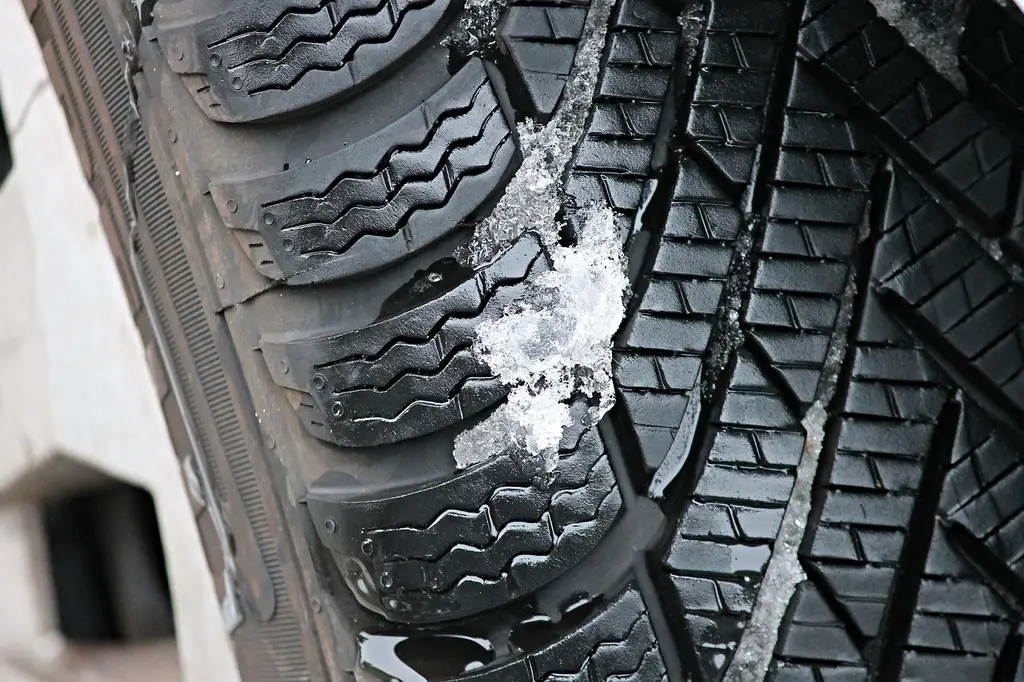
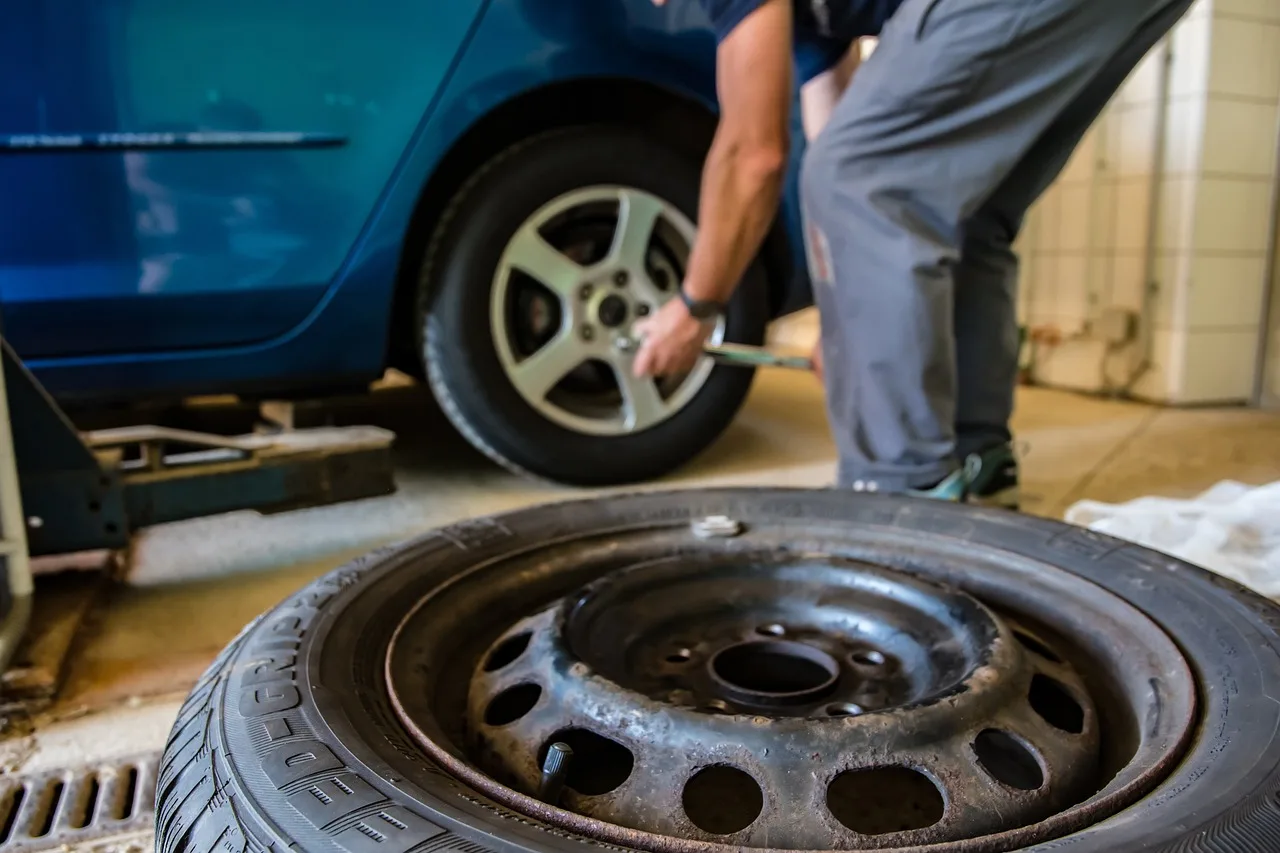
Tire setup for winter starts with pressure, tread, and tire type. Check pressures in fall and through winter, set them to the vehicle maker’s recommended cold PSI on the door placard rather than the tire sidewall, and move to winter tires in snowy climates where stopping and steering grip matter most.
Cold PSI, placard, and pressure loss
One winter prep step is to check tire pressures. Use the driver-door placard value, not the maximum number molded on the tire sidewall. The sidewall figure is a tire limit, not the vehicle’s operating target.
A common rule of thumb is about 1 psi of pressure change for every 10 degrees F of ambient temperature change, a planning estimate cited by AAA and consistent with NHTSA tire guidance. That rule is not a substitute for the placard. If a vehicle was set correctly in warm fall weather, a sharp cold drop can leave it meaningfully low by morning.
Picture a car set correctly in October, then hit by a temperature swing into real winter. Steering feels softer, the tire warning light appears, and stopping on wet pavement takes more room. The fix is simple: check pressures cold and return them to the placard specification.
Winter tires vs all-season vs all-weather
Winter tires are often recommended because they generally improve grip on snow and ice. In practice, that can mean better launch traction, shorter stopping, and more predictable turning on packed snow and slick intersections. In snowbelt use, they belong near the top of the list, and Transport Canada summarizes why they perform differently in low temperatures.
All-season tires are compromise tires. Some do fine in cool rain and light cold, but many give up winter grip sooner than drivers expect. All-weather tires sit between all-season and winter tires; they can be a better year-round option for mixed climates, especially if they carry the mountain-snowflake symbol. If you are deciding by climate and trip type, this winter tires checklist can narrow the choice.
Tread depth, alignment, and chain rules
Legal minimum tread depth is not the same as good winter performance. Traction in slush and snow usually falls off before a tire reaches the legal minimum, so a tire that seems passable in summer may be weak in winter. Uneven shoulder wear or feathering also points to alignment or suspension issues that hurt control on slick roads.
Chains and textile socks can still matter on mountain routes with chain-control rules, even for vehicles with good tires. Carry the approved size, and practice installation in the driveway instead of on the roadside in blowing snow.
How do you protect visibility and heat in winter?
Protecting visibility and heat means treating wipers, washer fluid, defrosters, blower output, and glass condition as one system. Replace worn blades early, use winter-rated washer fluid, test front and rear defogging before severe cold, and fix weak airflow before fogging or ice makes the problem urgent.
Wipers, washer fluid, and scraper basics
Windshield wiper blades that streak, chatter, or leave unwiped bands should be replaced before winter weather settles in. Blade wear affects visibility fast in slush spray and wet snow, and winter often shortens replacement intervals.
Washer fluid should be winter-rated to help avoid freezing in cold weather. Summer fluid or heavily diluted fluid can freeze in the reservoir, lines, or nozzles. Keep a scraper in the car, and clear all glass and lights before moving.
Common shop pricing for blade replacement usually falls in a modest range, and DIY difficulty is low. Washer fluid swap is also easy, but only if the old fluid has not already frozen.
Heater, defrost, blower, and cabin filter
Test heat output, airflow modes, front defrost, and rear defogger before severe cold. The car heater must function properly for comfort and safety, especially if traffic stalls or a storm leaves you stopped for a long period.
If airflow is weak at all fan speeds, the cabin air filter may be restricted. If the engine warms normally but cabin heat stays weak, look toward coolant level, thermostat performance, blend-door problems, or a partially blocked heater core. If those symptoms already exist, use this car heater troubleshooting guide before relying on the vehicle in freezing weather.
Fogging, frozen nozzles, and rear glass issues
Interior glass film makes fogging worse, so clean the inside surface before winter. Frozen nozzles often trace back to the wrong fluid. Rear defogger problems may be electrical, while side-mirror ice is often best managed with a scraper and patience rather than force.
When should you use AC to clear winter fog?
The short answer is: use the AC button when the windshield fogs from moist cabin air, even in winter. The supporting guide explains when AC helps remove humidity faster than heat alone, how to pair it with front defrost and fresh air, and when simple heat is enough. That matters because fog can cut visibility quickly, especially in stop-and-go traffic or on short trips with wet mats, snow-covered clothes, or a packed cabin. It also covers what repeated fogging can signal, such as a damp interior, a leak, or a cabin filter problem. For the step-by-step approach, see the winter defog guide.
How do you clear fogged windows with AC and heat fast?
Use the AC with warm air and the front defroster to remove interior fog quickly, especially when the glass is hazy from moisture inside the cabin. The supporting guide breaks down the fastest setting sequence, explains why AC helps even in cold weather, and shows when to choose fan speed, temperature, and recirculation for the situation.
That matters because fogged glass can cut visibility to a few feet, making lane markings, signs, and people harder to see. If the windows still fog after the first pass, the article also covers the common causes to check next and how to adjust settings for different winter fog conditions in AC defogging.
Which fluids matter most once temperatures drop?
Once temperatures drop, the fluids that matter most are coolant, engine oil, washer fluid, and the fuel in the tank. Verify coolant freeze protection, use winter-grade oil at the next oil change if the manual allows it, and keep more fuel on board before storms or remote trips.
Coolant and antifreeze
Winter prep should include checking engine coolant and antifreeze levels. Antifreeze lowers the freezing point below 32 degrees F and helps protect against freezing-related engine damage, but the right mix matters more than simply filling the bottle higher. AAA notes that coolant also supports corrosion protection and proper heat transfer.
Before a winter trip, verify level and condition. If the coolant is rusty, contaminated, or of uncertain age, service may be smarter than repeated top-offs. DIY difficulty ranges from easy for a level check to moderate for a full drain-and-fill.
Winter-grade oil and cold starts
Winter-grade oil is recommended at the next oil change. Lower-viscosity winter-approved oil flows better at cold start and is less likely to act too thick when temperatures drop, provided it matches the owner’s manual specification.
Do not substitute grades casually. Most manufacturers list acceptable viscosity ranges by temperature and engine family. A basic oil change is moderate DIY work for some owners, but many will prefer shop service because the specification must be correct.
Fuel level, diesel concerns, and moisture
Keeping a fuller tank of gas is commonly recommended before winter travel. Carry more fuel on board before long drives, storm windows, or remote winter routes because delays and station outages are more costly in cold weather, and NHTSA winter-driving guidance also emphasizes planning ahead for weather and delays.
Diesel owners need one more layer: cold-flow issues and fuel gelling risk. Use winterized fuel where seasonal supply changes apply, and address hard-start symptoms early. For gasoline vehicles, the main planning issue is reserve range and avoiding a near-empty tank when conditions worsen.
What coolant mix should you use in winter?
A 50:50 antifreeze-to-distilled-water mix is the usual winter default because it balances freeze protection, boil protection, and corrosion control for many vehicles. If your owner’s manual allows a different ratio, you may need a slightly stronger blend in harsher climates, but too much water can freeze earlier and too much coolant can reduce heat transfer.
The article on coolant water mix explains when 50:50 is enough, when a stronger mix makes sense, and how to confirm the freeze point with a tester instead of guessing. That matters because the wrong ratio can lead to overheating, poor cabin heat, or winter damage in the cooling system.
What changes for EVs, hybrids, diesels, and older cars?
Different vehicle types need different winter priorities. EVs need range and charging planning, hybrids may deliver less cabin heat in short trips, diesels need added cold-start attention, and older or high-mileage vehicles should be checked for weak batteries, cooling leaks, worn seals, and marginal tires earlier than newer cars.
EVs and hybrids
EVs commonly lose usable range in cold weather, and charging can slow when the battery pack is very cold. Preconditioning while plugged in helps if the vehicle supports it. Cabin heat uses meaningful energy, so trip planning matters more in severe cold or high-speed highway use.
Hybrids can take longer to deliver strong cabin heat on short drives because the engine may not run continuously. That makes defogging performance worth checking before the season turns.
Diesels
Diesel vehicles need attention to fuel condition, glow-plug performance where fitted, battery strength, and starter health. A diesel that barely starts in cool weather can become a no-start in a deeper freeze. If cranking speed is slow, act before the next cold front.
Older and high-mileage vehicles
Older cars and high-mileage vehicles usually reward earlier intervention. Tires, battery reserve, aging hoses, old coolant, and blower motors matter more than accessories. If the budget is tight, put money into traction, battery health, and visibility first; cosmetic fixes can wait.
How do you keep your car from getting stuck in snow?
To keep a car from getting stuck in snow, start with the right tires and enough tread, maintain steady momentum without excess speed, clear packed snow around the drive wheels, and stop spinning the tires early. Once wheelspin polishes snow into ice, recovery gets harder fast.
Before the storm
Tire choice does more than added vehicle weight. Extra weight over drive wheels is often overrated compared with real winter tires and correct pressure. Keep a shovel and traction aid in the vehicle if snow accumulation is routine.
If the car is already stuck
- Stop spinning the tires.
- Clear snow from around the drive wheels and under the vehicle if it is high-centered.
- Straighten the front wheels.
- Place traction aid under the drive tires.
- Use the gentlest throttle possible, rocking only if the vehicle maker permits it and space is clear.
Say your front-wheel-drive sedan backs into a plow ridge at the end of a driveway. The front tires spin, snow packs under the bumper, and the car stops moving. Clearing that packed snow and adding traction material usually does more than pressing the pedal harder.
Winter traction traps
Bridges, overpasses, railroad tracks, shaded intersections, and plow piles freeze and polish earlier than the lanes around them. Approach them slower, with a larger gap ahead and gentler steering inputs.
How do you handle a trunk that freezes shut?
If your trunk won’t open in subfreezing weather, the most likely causes are a frozen seal, a stuck latch, a weak actuator, or low battery voltage. The safest response is to identify the source before prying or forcing the lid, since that can damage weatherstripping, trim, or the release mechanism.
This freezing trunk guide explains how to separate a simple ice bond from an electrical or mechanical fault, what checks to make first, and which fixes are safest for sedans, hatchbacks, and SUVs. That matters because a quick, correct diagnosis can prevent avoidable damage and get cargo access back faster.
What should be in your winter emergency kit?
A winter emergency kit should cover warmth, calories, light, first aid, visibility, communication, and basic recovery. At minimum, carry blankets for each person in the car, high-energy snacks, a flashlight with extra batteries, a first-aid kit, and emergency flares or triangles.
Core safety items
- Blankets for each person in the car
- High-energy snacks
- Flashlight with extra batteries
- First-aid kit
- Emergency flares or triangles
Cold-exposure and recovery extras
- Gloves and hats
- Phone charger or power bank
- Small shovel
- Traction aid such as sand, grit, or purpose-made boards
- Ice scraper and brush
- Tow strap if the recovery points and procedure are known
For mild climates, the shorter list may be enough. For snow-country or remote routes, the longer list is the safer baseline.
How should you drive when snow or ice is unavoidable?
When snow or ice cannot be avoided, the safest plan is slower speed, longer following distance, gentle inputs, and a lower threshold for delaying the trip. Drivers should avoid blizzards and icy roadways when possible, because the best winter decision is often not to start the drive at all.
When to cancel or wait
Snow and blizzard conditions change the equation from maintenance to exposure management. Avoid driving in blizzards when possible. If visibility is collapsing, plows are struggling to keep up, or road closures are spreading, waiting is the better move. That lines up with NHTSA winter-driving tips, which stress reducing travel in severe winter weather when possible.
On-road technique
Slow down on icy roads and increase following distance. Brake earlier and more gently, feed in throttle smoothly, and avoid abrupt lane changes. Watch bridges, overpasses, railroad tracks, and plow piles, which often freeze sooner and carry packed snow that unsettles the vehicle.
If systems or conditions worsen mid-trip
If traction control activates constantly, the road is telling you grip is low. If ABS chatters under moderate braking, increase distance and reduce speed further. If visibility is failing from snow or spray, get off the road safely rather than pressing on with guesswork.
How to handle black ice without losing control
Black ice is dangerous because it’s hard to see and easy to overreact to. The supporting guide explains how to spot the warning signs early, then gives a simple response plan: look far ahead, ease off the accelerator, keep the wheel steady, and make only small corrections if the car begins to drift. It also covers when braking helps and when it can make a skid worse, which matters because the wrong input can quickly lead to a spin or lane departure.
If you want a clear, practical breakdown of those steps, see black ice driving tips. The article is useful because it turns a high-risk winter hazard into a sequence you can remember before you need it.
What should you do if you’re stranded in a snowstorm?
The safest move is usually to stay with the car, make yourself visible, and use heat sparingly while you wait for help. The supporting snowstorm survival guide lays out a clear stay-or-leave checklist, plus an hour-by-hour plan for conserving fuel, warmth, and battery power without making the situation worse.
It also explains how to avoid carbon monoxide buildup, how often to run the engine if you’re trapped, and what supplies matter most if you may be stuck overnight. That makes it a practical next step after winter prep, because preparation only helps if you know exactly what to do when visibility drops and roads close in.
Frequently asked questions
What do I need to do to get my car ready for winter?
Start with tires, battery, coolant, washer fluid, wipers, lights, and heater operation. Set tire pressure to the door-placard cold PSI, test an aging battery, verify coolant freeze protection, and pack a winter kit before storms or long trips. Those steps address the most common winter failures before they become roadside problems.
How do I prepare my car for cold weather driving?
Prepare in stages: inspect in early fall, recheck at the first cold snap, do a quick pre-storm review, and repeat the basics before long winter trips. In snowy climates, move beyond all-seasons if needed and treat visibility gear, fuel planning, and emergency supplies as part of the driving setup.
What should I check on my car before winter?
Check the battery, charging system, tire pressure, tread, coolant condition, wipers, washer fluid, heater and defroster, lights, brakes, hoses, and weather seals. If any item already shows weakness in cool weather, assume winter may make it more obvious and address it early rather than waiting for a freeze.
What winter car maintenance is most important?
The top winter maintenance items are traction, starting reliability, visibility, and freeze protection. In practice, that means proper tires, correct cold tire pressure, a healthy battery, working wipers and washer fluid, and coolant that can handle a freeze. Everything else matters, but those basics usually deserve the earliest attention.
Should I use snow tires in winter?
If regular snow or ice is part of the season, usually yes. Winter tires generally improve grip on snow and ice and can help with both acceleration and stopping. In mild climates with rare snow, a strong all-weather tire may be enough, but worn all-seasons are a poor bet when conditions turn slick.
How do I keep my car from getting stuck in snow?
Use proper tires, keep them at the correct cold PSI, maintain moderate momentum, and stop wheelspin early. If stuck, clear snow around the drive wheels, add traction material, and apply very gentle throttle. Spinning harder usually digs the vehicle deeper and can polish the surface underneath into slick ice.
Does cold weather lower tire pressure?
Yes, tire pressure typically drops as ambient temperature falls, which is why winter TPMS warnings often appear after the first sharp cold snap. A widely used rule of thumb is roughly 1 psi for every 10 degrees F, but always reset pressures to the door-placard cold specification, not the sidewall maximum.
Can coolant freeze if the reservoir looks full?
Yes, a full reservoir does not guarantee adequate freeze protection because the antifreeze concentration may still be too weak. A system topped off repeatedly with water can look normal and still be vulnerable in a hard freeze, so winter prep should verify coolant condition and mixture, not just fluid height.
Why do weak batteries fail when winter starts?
Cold weather slows the battery’s chemical activity while the engine often needs more effort to crank, especially when oil is thicker at startup. That combination can expose a battery that seemed acceptable in mild weather, which is why slow crank, dim lights, or recent jump-starts should trigger testing before deep cold arrives.
Is it safe to drive if the heater works poorly but the car runs fine?
Not for long, because weak cabin heat often also means weak defrost performance. If the windshield will not clear quickly, visibility becomes the real safety issue even if the engine still runs normally. Check coolant level, blower output, airflow mode operation, and thermostat behavior before winter driving gets heavier.
Sources
- NHTSA: Tires
- NHTSA: Winter Driving Tips
- Transport Canada: Winter Tires
- AAA: How Does Temperature Affect Tire Pressure?
- AAA: How Cold Weather Affects Car Batteries
- AAA: What Does Antifreeze Do?
Products related to this article
Sponsored / affiliate links. As an Amazon Associate I earn from qualifying purchases. I may earn additional commission from eligible campaigns.