Lane Keep Assist Review: Is It Worth It?
Lane keep assist is worth paying for only if you drive highways or long commutes regularly. On cars with well-tuned systems, it can cut steering fatigue, but a twitchy setup is worth skipping. A bad calibration can bring annoying wheel tugs and wasted package money. This guide compares when lane keep assist helps, when it gets in the way, and how to judge its value across trims and safety packages.
Verdict on lane keep assist
Lane keep assist is a good buy for drivers who spend real time on marked highways and want less steering work. It is a weak value for short urban trips, roads with faded paint, or buyers who hate constant small corrections. The best versions feel quiet and invisible. The worst feel like a nagging hand on the wheel.
When it feels worthwhile
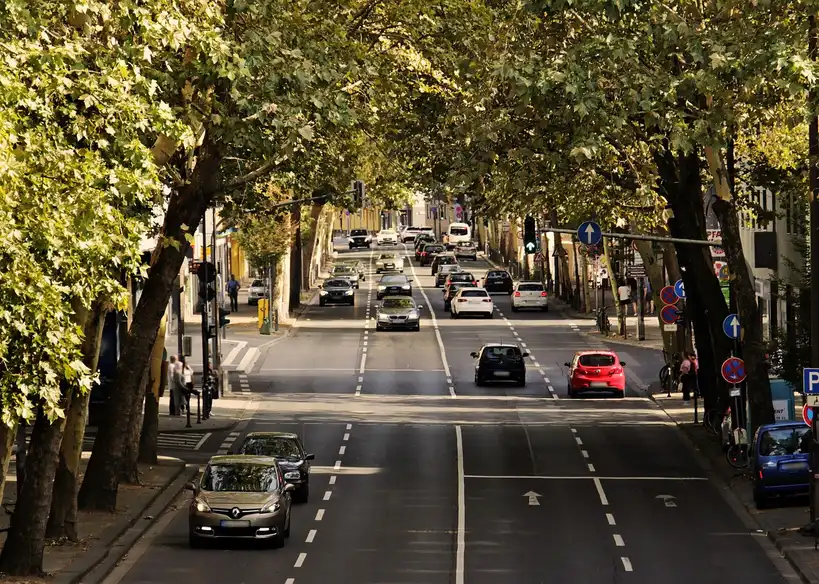
On clear highways, lane keep assist can trim mental load by making small steering corrections before drift turns into a problem. It is most useful when paired with adaptive cruise control on long, steady drives, because the two systems handle speed and lane position at the same time. That combination matters more than either feature alone.
It can also be a comfort feature, not a headline safety feature. If a car offers lane centering instead of light lane correction, the value can jump for highway-heavy drivers because the system holds the vehicle near the lane center with more ongoing steering input.
When it feels like extra noise
Lane keep assist becomes frustrating when lane markings are weak, weather is poor, or the road layout is messy. Construction zones, patched asphalt, snow cover, glare, and dirty camera lenses can all make the system hesitate or drop out. In those cases, it can feel like extra hardware asking for attention instead of giving it back.
Say your commute mixes an old two-lane road, a tunnel exit, and a work zone with temporary striping. The system may react to the wrong line, then warn that it is limited, then disengage altogether. That is not a feature you want to pay extra for unless your driving pattern is mostly clean highway miles.
Bottom-line buying call
Buy lane keep assist if you want less steering effort on clearly marked roads and the car bundles it into a package you already wanted, such as adaptive cruise control or lane centering. Skip it if you drive mostly in town, dislike electronic steering input, or often face poor lane paint and construction detours. The feature is useful only when the road gives it something to read.
Package value also matters. Cadillac’s lineup pages show how driver-assist features often sit inside broader trim and equipment decisions, with examples such as the 2026 XT5 starting at $44,800, the 2027 Optiq starting at $49,995, the 2026 Lyriq starting at $59,200, the 2026 Escalade starting at $91,100, and the 2026 Escalade-V starting at $168,000. A feature that feels minor on one trim can become part of a larger comfort or safety bundle on another.
What is lane keep assist?
Lane keep assist is a driver-assist feature that uses steering intervention to help keep the vehicle centered in its lane. It is not self-driving. In many cars, it works alongside lane departure warning, and in some trims it is bundled with lane centering or adaptive cruise control. The key question is whether the car holds its line smoothly enough to matter to you. (Wikipedia)
What the system does
In simple use, lane keep assist watches lane markings and applies light steering input when the car starts to drift. It can feel like a brief nudge, a gentle centering force, or a more active correction depending on the brand and trim. The aim is to reduce unintended lane drift, not to replace the driver.
How it differs from warning-only systems
Lane departure warning alerts you when the vehicle drifts. Lane keep assist goes a step further and helps steer the car back. That difference matters in daily use: warning-only systems are usually less intrusive, while active steering support can be more helpful on long drives but also more noticeable when the road markings are poor.
What the button usually controls
The lane keep assist button usually turns the feature on or off, or cycles between alert-only and active steering behavior, depending on the vehicle. Some cars let you adjust how early it intervenes, how strongly it nudges, or whether it stays enabled after a restart. Check the manufacturer’s setting labels for your model.
How lane keep assist works
Lane keep assist depends on a forward-facing camera on many systems. The camera reads lane markings and the system estimates where the car sits within the lane. It works best when the road is clearly marked, the windshield is clean, and nothing blocks the sensor view. Poor visibility or weak markings can make it unreliable.
Forward-facing camera basics
The forward-facing camera is the primary lane-detection sensor on many systems. It looks through the windshield and tracks paint lines, road edges, and lane geometry. If the camera lens or windshield area is dirty, fogged, iced, or blocked, the system may lose confidence and shut off or limit itself.
Why lane markings matter
Clear lane paint gives the system a clean target. Faded markings, patchwork repairs, worn road edges, and temporary construction stripes make the camera work harder and raise the odds of confusion. That is why lane keep assist often feels strongest on highways and weakest on local roads with inconsistent paint.
Why weather and glare can limit it
Rain, snow, spray, low sun glare, and slush can all reduce camera confidence. Snow cover can erase the lane lines entirely. Glare can wash them out. When that happens, the car may show a system availability warning or simply back off. That is a normal limitation, not a sign that the car is broken.
- Keep the windshield area in front of the camera clean.
- Watch for faded paint, cones, and temporary lane shifts.
- Expect weaker performance in rain, snow, and glare.
- Keep hands on the wheel and stay ready to steer.
- Turn the feature off if it fights your line through a merge or work zone.
Lane keep assist vs lane departure warning
Lane departure warning only alerts you when the car drifts. Lane keep assist adds steering help. That makes lane keep assist the more active feature, while lane departure warning is the lower-intervention option. Many cars bundle both because some drivers want a gentle alert, while others want a system that actually nudges the car back.
Active steering versus alerts only
The practical difference is simple: warning-only systems tell you about drift, while lane keep assist tries to correct it. That can cut workload on long highway runs, but it can also annoy drivers who prefer full manual control. If you dislike steering tug, warning-only may be the better match.
Why many cars bundle them together
Manufacturers often package lane departure warning and lane keep assist together because they solve related problems at different levels of intervention. The bundle can raise value if you already want broader driver-assist tech. It can also muddy the trim walk if the active feature is only available on higher packages or paired with other equipment you do not want.
Lane following assist and lane centering
Lane following assist and lane centering are often more active than basic lane keep assist. In practice, they apply ongoing steering input to hold the car nearer the center of the lane, especially on highways. If your goal is less steering work, lane centering is usually the more helpful setup for long-distance driving.
How lane following assist differs in practice
Lane following assist often feels more continuous than lane keep assist. Instead of waiting for drift and then nudging back, it tends to guide the car along the lane more actively. That can make highway travel calmer, but it also makes the system more obvious if the road is curved, narrow, or poorly marked.
Why lane centering feels more active
Lane centering is designed to hold the vehicle near the middle of the lane with ongoing steering inputs. That makes it more useful on long freeway stretches than in city traffic. It is also more likely to be part of a higher-end or highway-focused driver-assist suite, often alongside adaptive cruise control.
Which setup is better for highway driving?
For highway-heavy drivers, lane centering plus adaptive cruise control is usually the stronger comfort package. For drivers who only want a light correction when they drift, basic lane keep assist may be enough. The better choice depends on whether you want continuous help or occasional support.
Picture a two-hour interstate drive with light traffic and good paint lines. A lane-centering system can cut constant micro-corrections. Now picture the same car entering a merge lane with worn stripes and a truck closing in. A good driver-assist setup should back off cleanly and let you take over without fighting your hands.
Lane keep assist decision table
This table translates the feature into road use. The question is not whether lane keep assist sounds advanced. The question is whether it helps in the driving you actually do.
| Driving scenario | Expected lane keep assist behavior | Common limitation | Worth-it verdict |
|---|---|---|---|
| Clear highway | Stable lane reading, light steering support, least intrusive behavior | May still disengage on sharp curves or if markings weaken | Yes |
| Rain or snow | Reduced confidence, possible warnings, more frequent dropouts | Wet roads, slush, spray, and covered markings | Maybe |
| Faded lane markings | Spotty detection and occasional false corrections | Old paint, patchwork repairs, weak edge lines | No |
| Construction zones | May track cones or temporary lines poorly, then hand back control | Conflicting markings and narrow lane shifts | No |
| Stop-and-go commuting | Can help on short freeway stretches, less useful in dense urban traffic | Frequent lane changes, turns, and sensor interruptions | Maybe |
Pros and cons
Lane keep assist has a narrow sweet spot. When it works well, it quietly cuts workload. When it does not, it becomes easy to ignore or turn off.
Pros
- Reduces steering fatigue on clear highways.
- Can help catch unintentional drift before it becomes a lane departure.
- Often pairs well with adaptive cruise control for longer drives.
- Can be a useful comfort feature for newer drivers and long-distance commuters.
Cons
- Depends heavily on visible lane markings and camera visibility.
- Can become intrusive if calibration is too aggressive.
- May be unavailable in rain, snow, glare, or construction zones.
- Often feels less useful in city driving than on highways.
Who it’s for
Lane keep assist suits drivers who spend serious time on highways, especially commuters and road-trippers who want less steering work. It also makes sense for some new drivers who want a wider margin for drift correction. It is less compelling for city drivers, short-trip owners, and anyone who dislikes frequent electronic intervention.
A common mistake is expecting lane keep assist to work just as well on faded rural roads as it does on clearly marked highways. It will not. If your daily route includes faded paint, wet winters, or frequent work zones, the system may spend as much time warning and dropping out as it does helping.
Highway commuters
These drivers are the best fit. Lane keep assist pays off most on clear, long, repetitive routes where the car can read the lane well and stay active for minutes at a time. If the vehicle also includes lane centering and adaptive cruise control, the package can feel more complete.
New drivers and older drivers
For new drivers, lane keep assist can provide a gentle correction layer, but it must never replace attentive steering habits. For older drivers, it may reduce fatigue on steady routes. In both cases, a smooth and predictable calibration matters more than raw feature count.
Drivers who can skip it
If your driving is mostly local, your roads are poorly marked, or you prefer a car that never nudges the wheel, skip it. You do not need lane keep assist just because a trim advertises it. A well-equipped car without it can still be the smarter buy.
Frequently asked questions
What is lane keep assist: lane keep assist?
Lane keep assist is a driver-assist feature that uses steering intervention to help keep the vehicle centered in its lane. It is usually camera-based and works best when lane markings are clear. It is helpful on highways, but it is not a substitute for active driving attention.
What does lane keep assist do?
It watches lane position and applies small steering corrections when the car starts to drift. In some vehicles it is gentle and quiet. In others it feels more noticeable. The goal is to reduce unintended lane departure, especially on roads where markings are easy to read.
How does lane keep assist work?
Most systems use a forward-facing camera to detect lane markings through the windshield. The computer estimates lane position and sends steering input when needed. Dirty glass, glare, snow, faded paint, or blocked sensors can limit the system and trigger availability warnings.
What is lane keep assist in car?
It is a safety and convenience feature available on many trims and driver-assist packages. In practical terms, it helps with lane position on clearly marked roads. It is more useful on highways than in tight city streets, and it can vary a lot by brand and calibration.
Lane keep assist vs lane departure warning: lane departure warning only alerts
Lane departure warning only alerts you when the vehicle drifts. Lane keep assist adds steering help to guide the car back. Warning-only systems are less intrusive. Active systems do more work, but they also rely more heavily on clean lane markings and stable road conditions.
Lane following assist vs lane keep assist
Lane following assist is usually more active. It tends to apply ongoing steering input to hold the vehicle nearer the lane center, especially on highways. Basic lane keep assist is more of a correction aid, while lane following assist is closer to continuous guidance.
Lane keep assist system unavailable
That warning usually means the camera cannot read the road well enough to continue. Common causes include rain, snow, glare, faded paint, dirty glass, or construction markings. If the message appears often, that is worth noting in ownership because it affects how useful the feature will feel.
What does the lane keep assist button do?
It usually turns the feature on or off, or cycles between available assist modes. Some cars let you choose a stronger or weaker correction level. If the button seems confusing, check the owner’s manual for your exact model, because the label and behavior can vary a lot.
Products related to this article
Sponsored / affiliate links. As an Amazon Associate I earn from qualifying purchases. I may earn additional commission from eligible campaigns.
 Crmawiny 284G36HL1A Windshield Lane Keep Assist Camera High Definition Vehicle Backup Camera for Road Safety Parking Assistance Compatible with Most Trucks SUVs Vans
 Roadside Assistance Emergency Kit,Vehicle Truck Car Safety Roadside Emergency Kit with Reflective Warning Triangle Tow Strap Reflective Vest etc