Are Trucks More Reliable Than Cars? A Deep Dive into Durability and Performance
Hey there! I’m thrilled you’re curious about whether trucks are more reliable than cars. It’s a question I’ve spent a lot of time exploring, diving into forums, chatting with mechanics, and even test-driving vehicles to get a real feel for the answer. As someone who’s passionate about all things automotive, I’ve seen trucks haul heavy loads through rough terrain and cars zip through city streets with ease. Both have their strengths, but reliability? That’s a big topic, and I’m excited to break it down for you. In this article, we’ll look at what makes a vehicle reliable, compare trucks and cars across key factors, and help you decide which might suit your needs best. Let’s get rolling!
What Does Reliability Really Mean?
When we talk about reliability in vehicles, we’re talking about how well a car or truck holds up over time. Can you count on it to start every morning? Will it handle long trips without breaking down? Does it need frequent repairs, or does it keep going like a trusty old friend? For me, reliability is about peace of mind—knowing your vehicle won’t let you down when you need it most.
Reliability depends on a few things: build quality, maintenance, how you drive, and even the brand. Some vehicles are built to last, with tough parts designed to withstand wear and tear. Others might shine for a few years but start to falter as the miles pile up. I’ve learned from talking to owners and digging into data that both trucks and cars can be reliable, but they’re designed for different purposes, which affects how we judge them.
Why Trucks Are Built Tough
Trucks are the workhorses of the automotive world. I’ve seen them on construction sites, towing boats, and carrying heavy loads up steep hills. They’re designed for rugged tasks, which often makes people assume they’re more reliable. But is that true?
Trucks typically have stronger frames, heavier-duty suspensions, and engines built to handle stress. Take a Ford F-150 or a Chevy Silverado, for example. These trucks are engineered to tow thousands of pounds or carry massive payloads. Their parts—like transmissions and axles—are often overbuilt to handle tough conditions. I once spoke to a contractor who swore by his Ram 2500. He said it had over 200,000 miles and still ran like a champ, even after years of hauling equipment.
But here’s the thing: trucks are often pushed harder than cars. If you’re using a truck for heavy-duty tasks, like towing or off-roading, it’s going to take a beating. That can lead to more wear on components like brakes or tires. So, while trucks are built tough, their reliability can depend on how you use them.
Cars and Their Case for Consistency
Cars, on the other hand, are often designed for efficiency and comfort. I’ve owned a Honda Civic for years, and it’s been a rock-solid daily driver. Cars like the Toyota Corolla or Mazda3 are known for racking up miles with minimal issues. They’re built for commuting, family trips, or zipping through traffic, not for towing or off-road adventures.
Because cars are typically lighter and less complex than trucks, they often have fewer parts that can break. For example, a sedan doesn’t need a heavy-duty suspension or a massive V8 engine, so there’s less strain on its components. I’ve noticed that cars tend to have better fuel economy, which means less stress on the engine over time. Plus, they’re often cheaper to maintain—think oil changes or tire replacements.
But cars aren’t perfect. If you push them beyond their limits—like overloading a sedan with cargo—they can wear out faster. I learned this the hard way when I tried to move furniture in my old hatchback. It wasn’t happy about it, and I ended up with a hefty repair bill.
Comparing Build Quality: Trucks vs. Cars
Let’s get into the nitty-gritty: how do trucks and cars stack up in terms of build quality? This is a big factor in reliability. Trucks often have a reputation for being tougher, but cars have their own strengths.
| Aspect | Trucks | Cars |
|---|---|---|
| Frame | Body-on-frame construction, built for durability and heavy loads. | Unibody construction, lighter but less rugged for extreme tasks. |
| Suspension | Heavy-duty, designed for towing and off-roading. Can handle rough terrain. | Lighter suspension, optimized for comfort and fuel efficiency. |
| Engines | Larger engines (often V6 or V8) for power. More stress under heavy use. | Smaller engines (often 4-cylinder) for efficiency. Less wear over time. |
| Transmission | Robust, built for towing. Can be complex and costly to repair. | Simpler, often automatic or CVT, easier and cheaper to maintain. |
From my experience, trucks are overengineered for toughness. Their body-on-frame design makes them feel like tanks, but that extra weight can strain parts over time. Cars, with their unibody construction, are lighter and more nimble, which can mean less wear on components. But if you crash a car, its frame is more likely to crumple than a truck’s.
Maintenance: The Key to Longevity
No matter how well-built a vehicle is, maintenance is the real secret to reliability. I’ve learned this from years of owning vehicles and talking to mechanics. A truck or car that’s well cared for can last decades, while neglect can kill even the toughest machine.
Trucks often need more maintenance because of their heavy-duty parts. For example, a truck’s brakes wear out faster if you’re towing heavy loads. Oil changes might need to be more frequent if you’re driving in harsh conditions, like dusty roads or extreme heat. I once met a farmer who changed the oil in his F-250 every 3,000 miles, and that truck was still running strong after 15 years.
Cars, meanwhile, tend to have simpler maintenance needs. My Civic only needs an oil change every 5,000 miles, and the tires last longer because it’s not carrying heavy loads. But cars can be sensitive to neglect. Skip a timing belt replacement on a Honda, and you could be looking at a ruined engine.
Here’s a tip: follow the manufacturer’s maintenance schedule religiously. Whether it’s a truck or a car, regular oil changes, tire rotations, and inspections can catch small issues before they become big ones. I keep a notebook in my glovebox to track every service, and it’s saved me from costly repairs more than once.
Brand Matters: Who Makes the Most Reliable Vehicles?
Not all trucks or cars are created equal. Some brands have a better track record for reliability than others. I’ve dug into reports from places like Consumer Reports and J.D. Power to see which brands stand out.
For trucks, brands like Toyota (think Tundra), Ford (F-150), and Chevrolet (Silverado) often get high marks for reliability. Toyota’s Tundra, for instance, is praised for its bulletproof engine and simple design. I’ve met owners who’ve pushed their Tundras past 300,000 miles with just basic maintenance.
For cars, Toyota and Honda dominate the reliability charts. The Corolla and Civic are legends for a reason—they just keep going. Mazda and Subaru also get strong praise, especially for their all-wheel-drive models. I once test-drove a Mazda3, and it felt so solid I was tempted to trade in my Civic.
That said, some brands struggle. I’ve heard horror stories about certain luxury cars breaking down after just a few years. Trucks from lesser-known brands can also have issues if parts are hard to find or repairs are expensive. My advice? Stick with brands known for longevity, especially if reliability is your top priority.
Driving Habits and Their Impact
How you drive plays a huge role in reliability. I learned this early on when I used to floor my old car at every green light. It was fun, but my mechanic wasn’t thrilled with the extra wear on the engine.
Trucks are often driven harder than cars. If you’re towing a trailer, off-roading, or hauling heavy loads, you’re putting more stress on the engine, transmission, and brakes. That can reduce a truck’s lifespan if you’re not careful. But if you use a truck lightly—say, for daily commuting—it can be just as reliable as a car.
Cars, meanwhile, are usually driven in less demanding conditions. Most people use them for commuting or running errands, which is easier on the vehicle. But bad habits, like ignoring warning lights or skipping maintenance, can hurt a car’s reliability just as much as overloading a truck.
I’ve found that smooth driving—avoiding sudden stops or aggressive acceleration—helps any vehicle last longer. Whether you’re behind the wheel of a pickup or a sedan, treat it with care, and it’ll return the favor.
Cost of Ownership: Repairs and Upkeep
Reliability isn’t just about avoiding breakdowns—it’s also about how much it costs to keep a vehicle running. Trucks tend to be pricier to maintain than cars. Parts like tires, brakes, and transmissions are often bigger and more expensive. I got a shock the first time I priced out tires for a friend’s truck—$800 for a set compared to $400 for my car.
Repairs can also hit harder with trucks. A new transmission for a heavy-duty pickup can cost thousands, while a car’s transmission might be half that. On the flip side, cars can have their own costly issues, especially if they’re packed with high-tech features like adaptive cruise control or fancy infotainment systems.
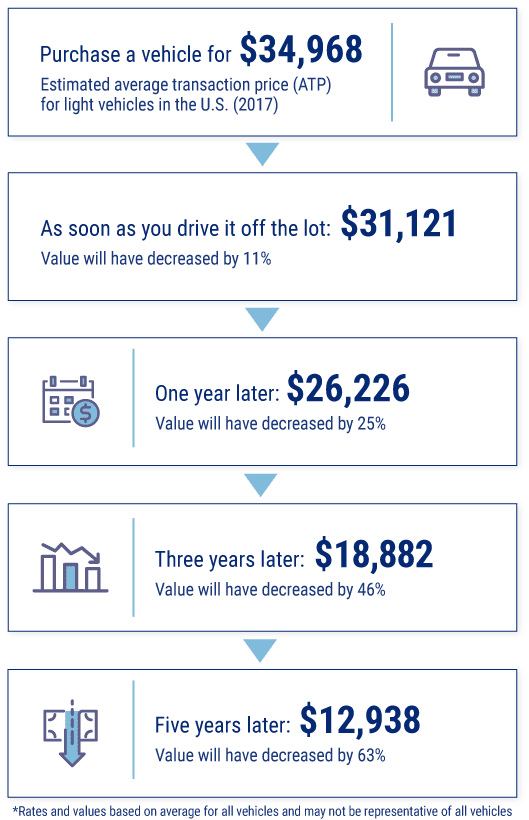
Here’s something to consider: trucks often hold their value better than cars. If you buy a reliable truck like a Toyota Tacoma, you might spend more upfront, but you could get a good chunk of that back when you sell it. Cars, especially sedans, tend to depreciate faster. I sold my old Civic for a fraction of what I paid, which stung a bit.
Real-World Reliability: What Owners Say
To get a clearer picture, I’ve spent time on forums and talking to owners about their experiences. Truck owners often rave about their vehicles’ toughness. A buddy of mine with a Chevy Silverado said it’s been through mud, snow, and heavy towing without a hiccup. But he admitted it needs more upkeep than his wife’s Honda Accord.
Car owners, meanwhile, often praise their vehicles for low maintenance and long life. A coworker with a Toyota Camry hit 250,000 miles with only basic repairs. But she was quick to point out that she never pushes her car too hard—just steady, predictable driving.
One thing I’ve noticed: trucks seem to shine in tough conditions, while cars excel in everyday reliability. If you need a vehicle for heavy work, a truck’s durability might tip the scales. For commuting or light use, a car’s simplicity often wins.
Technology and Reliability: A Double-Edged Sword
Modern vehicles, whether trucks or cars, are packed with tech—think touchscreens, lane-keeping assist, and automatic braking. This can be a blessing and a curse. I love the backup camera on my car, but I’ve heard stories of infotainment systems failing and costing a fortune to fix.
Trucks, especially high-end models like the Ford F-150 Limited, often have just as much tech as luxury cars. That can make them less reliable if the electronics go haywire. I read about a Ram owner who loved his truck’s power but was frustrated by constant issues with the touchscreen.
Cars aren’t immune to this either. My friend’s new SUV had a glitchy driver-assist system that needed multiple trips to the dealer. Older, simpler vehicles—whether trucks or cars—tend to be more reliable because there’s less to break. If you’re worried about tech issues, consider a base model with fewer bells and whistles.
Which Is Right for You?
So, are trucks more reliable than cars? It depends. If you need a vehicle for heavy-duty tasks, a truck’s rugged build might make it the better choice. But if you’re looking for low maintenance and long-term dependability for daily driving, a car could be the way to go.
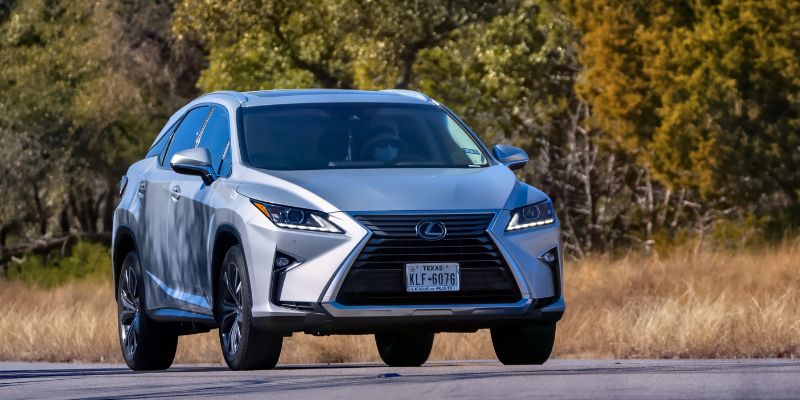
Think about your lifestyle. Do you haul equipment or tow a trailer? A truck like a Toyota Tundra or Ford F-150 might be your best bet. Are you commuting or driving kids to school? A Honda Civic or Toyota Corolla could save you money and headaches.
I’ve driven both, and here’s my take: trucks feel invincible when you’re hauling or off-roading, but they need more care. Cars are easier to live with day-to-day, but they’re not built for heavy work. Pick the one that matches how you’ll use it, and keep up with maintenance. That’s the real key to reliability.
Conclusion: Making the Right Choice for You
After diving deep into the world of trucks and cars, I’ve come to appreciate both for what they offer. Trucks are tough, built to handle the hardest jobs, and can be incredibly reliable if you treat them right. Cars, with their simplicity and efficiency, are often the champs of long-term, low-maintenance driving. There’s no one-size-fits-all answer to whether trucks are more reliable than cars—it depends on what you need and how you drive.
For me, the joy of driving is knowing my vehicle won’t let me down. Whether you choose a rugged pickup or a trusty sedan, focus on a reliable brand, stick to a maintenance schedule, and drive with care. That way, you’ll have a vehicle that’s not just reliable but also a true partner on the road. So, what’s your next ride going to be? I’d love to hear your thoughts!
FAQs
Are trucks more expens ive to maintain than cars?
Yes, trucks generally cost more to maintain. Their parts, like tires and brakes, are bigger and pricier. For example, a set of truck tires can cost $800 or more, while car tires might be $400. Repairs, like a new transmission, can also be more expensive for trucks due to their heavy-duty components. However, cars with lots of tech features can also rack up repair bills.
Which brands make the most reliable trucks?
Toyota, Ford, and Chevrolet are known for reliable trucks. The Toyota Tundra and Tacoma often top reliability lists because of their durable engines. Ford’s F-150 and Chevy’s Silverado also get high marks, especially for owners who maintain them well. Stick with these brands if reliability is your goal.
Can a car be as durable as a truck?
Cars can be very durable, especially for daily driving. Models like the Toyota Corolla or Honda Civic often last over 200,000 miles with basic care. They’re not built for heavy towing or off-roading like trucks, but for commuting or light use, they can be just as reliable, if not more so, due to their simpler designs.
Does how I drive affect my vehicle’s reliability?
Absolutely. Aggressive driving, like fast acceleration or hard braking, wears out parts faster on both trucks and cars. Trucks face extra stress when towing or hauling heavy loads. Smooth driving and regular maintenance can make any vehicle last longer. I’ve seen well-driven cars and trucks hit 300,000 miles!
Are older trucks or cars more reliable than new ones?
Older vehicles can be more reliable because they have simpler designs with fewer electronics. Modern trucks and cars have tech like touchscreens that can fail and cost a lot to fix. However, new vehicles often have better safety features and fuel efficiency. If you want reliability, consider a base model with less tech.