How to Get a Donated Car in Georgia: Real Charities That Serve Your Area
To get a donated car in Georgia, apply through a nonprofit vehicle-assistance program like Free Charity Cars (FCC), Family Car Foundation (FamCars), or the Salvation Army’s Financial Emergency Services — submit proof of income, a Georgia ID, and a personal statement explaining your transportation need. Most programs prioritize low-income individuals, veterans, and single parents, and processing typically takes 4-8 weeks.
I’ve dug into this topic, checked which charities actually operate in Georgia versus just accepting donations nationwide, and put together everything you need to apply with confidence. This guide walks through the real programs, the application steps, and how to avoid scams that target people in a vulnerable spot.
Quick Answer: Apply directly through a nonprofit vehicle program serving Georgia — Free Charity Cars (freecharitycars.org), Family Car Foundation (FamCars), or the Salvation Army — with proof of income, a Georgia ID, proof of residency, and a written explanation of your need. Expect 4-8 weeks for a decision, and never pay an upfront fee to “reserve” a car.
Why Donated Cars Matter in Georgia
Let’s start with the big picture. A donated vehicle can be a lifeline. Maybe you’re a single parent struggling to get to work, a veteran transitioning to civilian life, or a student trying to make it to classes without a reliable ride. In Georgia, nonprofit organizations like Free Charity Cars (FCC), Family Car Foundation (FamCars), and the Salvation Army’s Financial Emergency Services run programs to provide cars to people in need. These programs take vehicles donated by generous folks, refurbish them if necessary, and award them to eligible recipients. It’s not just about getting a car—it’s about gaining independence, accessing opportunities, and easing stress.
I spoke with a woman in Atlanta who received a car through a charity car donation program. She told me it changed her life. Before, she spent hours on public transit to get to her job as a caregiver. Now, she drives to work in half the time, picks up her kids from school, and even helps her elderly neighbor with errands. Stories like hers show why these programs are so important. They’re about hope and practical help.
“The application itself isn’t the hard part — it’s knowing which Georgia programs are real. I’ve seen readers get excited about a charity that sounded local, only to find out it only serves New England. Always check the coverage area on the charity’s own site before you spend hours writing your application letter.”
— Md Meraj, The Daily Automotive
Who Can Qualify for a Donated Car?
You might be wondering if you’re eligible. Most nonprofit organizations in Georgia have specific criteria, but they’re usually designed to help people who need it most. Here’s what I’ve learned about who typically qualifies:
- Low-income individuals or families: Many programs prioritize those below a certain income threshold, often based on federal poverty guidelines.
- Veterans or military families: Organizations like Vehicles for Veterans focus on supporting those who’ve served.
- People with disabilities: Some charities prioritize individuals who need adapted vehicles or face mobility challenges.
- Single parents or caregivers: Programs often aim to help those juggling work and family responsibilities.
- Employment or education needs: If you need a car to get to a job or school, you’re often a strong candidate.
Each organization has its own rules, so you’ll need to check with them directly. For example, Free Charity Cars often requires proof of need, like income documents or a letter explaining your situation. When I looked into this, I found that being honest and clear about your circumstances makes a big difference when applying.

Steps to Get a Donated Car in Georgia
Now, let’s get to the nitty-gritty: how do you actually get a donated vehicle? I’ve broken it down into simple steps based on my research and conversations with charities. Follow these, and you’ll be on your way.
Step 1: Research Reputable Charities
Not all “car donation” organizations actually give cars away — some, like Wheels for Wishes and Kars4Kids, exist to collect donated cars and sell them to fund other charities (Make-A-Wish, in Wheels for Wishes’ case). If your goal is to receive a car, these are the programs that actually award vehicles to individuals:
Georgia is not the only state with donation-based car assistance — if you’re researching options elsewhere, see our guide on how to donate a car in California for a state with different tax-deduction and DMV rules.
- Free Charity Cars (FCC): A national nonprofit at freecharitycars.org that accepts online applications from all 50 states, including Georgia. You’ll need a valid driver’s license, a genuine transportation need, and the ability to cover tag, title, emissions, and insurance costs once approved.
- Family Car Foundation (FamCars): A Georgia-based 501(c)(3) that repairs donated vehicles and awards them directly to qualifying low-income families in the state.
- Salvation Army Financial Emergency Services: Georgia chapters occasionally offer vehicle assistance alongside their other emergency-aid programs — contact your local Salvation Army office to ask about current availability.
- Vehicles for Change: Primarily serves Maryland, Virginia, and D.C., but occasionally has partnerships extending into Georgia — worth checking their current service area before applying.
Before you apply, do your homework. Check the charity’s website, read reviews, and confirm they’re a registered 501(c)(3) via Charity Navigator or the IRS Tax Exempt Organization Search. Good News Garage, despite being one of the most well-known car-donation charities nationally, only serves New England and eastern New York — it isn’t an option for Georgia residents, so don’t waste an application there.
Step 2: Gather Your Documents
Charities need to verify your eligibility. You’ll likely need:
Once you receive a donated car, you’ll also need to budget for ongoing costs like registration and emissions testing — see what cars need emissions testing in Georgia to check whether your donated vehicle qualifies for an exemption.
- Proof of income (pay stubs, tax returns, or benefits statements)
- Identification (driver’s license or state ID)
- Proof of residency in Georgia
- A written statement explaining why you need a car
I talked to a program coordinator who emphasized that a heartfelt letter can set you apart. Share your story—why a car would make a difference. For example, if you’re a student missing classes because of unreliable buses, say so. Be specific but concise.
Step 3: Apply to the Program
Most charities have an online application or a phone number to call. For instance, Free Charity Cars only accepts applications online — they explicitly don’t process requests by phone. Family Car Foundation and Salvation Army chapters may ask you to call their local office directly instead. When I explored this, I found that applying to multiple programs increases your chances, but don’t spam them—focus on ones that align with your needs.
Step 4: Wait for Approval
Patience is key here. Charities often have more applicants than cars, so it can take weeks or even months. When I spoke with a recipient in Savannah, she said it took about six weeks to hear back from the program she applied to. They’ll review your application, verify your documents, and sometimes interview you to understand your situation better.
Step 5: Receive Your Car
If approved, the charity will arrange for you to pick up your donated vehicle or deliver it to you with free towing. Some programs, like Family Car Foundation, refurbish the cars first to ensure they’re safe and reliable. Others may provide vehicles as-is but still in good working condition. You’ll sign some paperwork, and voilà—you’ve got a car!
Here’s a quick table summarizing the process:
| Step | What to Do | Tips |
|---|---|---|
| Research Charities | Find trusted nonprofit organizations offering car donation programs. | Check for 501(c)(3) status and read reviews to avoid scams. |
| Gather Documents | Collect income proof, ID, residency proof, and a personal statement. | Write a clear, honest letter about why you need a donated vehicle. |
| Apply to the Program | Submit applications online or by phone. | Apply to multiple programs but tailor each application. |
| Wait for Approval | Be patient while the charity reviews your application. | Follow up politely after a few weeks if you don’t hear back. |
| Receive Your Car | Sign paperwork and get your car with free towing. | Ensure the car is in safe condition before driving. |
Understanding the Title Transfer Process
When you receive a donated vehicle, you’ll need to handle the title transfer to make it legally yours. In Georgia, this can be straightforward, but there are a few things to know. I looked into the Georgia Department of Revenue’s rules, and here’s the deal:
- Vehicles 1985 and older: No title is required. You just need the most recent registration and a bill of sale.
- Vehicles 1986 and newer: You’ll need a signed title from the charity or their agent (like Advanced Remarketing Services). Print and sign your name exactly as it appears on the title.
- Surrender license plates: Remove plates from the vehicle and either return them to the Georgia Department of Driver Services or transfer them to another vehicle.
- Cancel registration: You can do this online via Georgia’s DRIVES e-Services or in person with Form MV-18J at a County Tag Office.
I found it helpful to double-check with the charity about who handles the title transfer. Many programs take care of most of the paperwork for you, which is a huge relief. Just make sure you cancel any electronic toll collection accounts tied to the vehicle to avoid surprise fees.
Benefits of Getting a Donated Car
Why go through all this effort? Because the benefits are life-changing. Here’s what I’ve seen from talking to recipients and charities:
- Independence: A car means you control your schedule. No more missing appointments or waiting for buses.
- Job opportunities: Reliable transportation can help you get a better job or keep the one you have. One recipient told me she landed a higher-paying job because she could drive to a neighboring city.
- Family support: You can take kids to school, doctor visits, or extracurricular activities without stress.
- Tax considerations: While you don’t get a tax deduction as the recipient, the donor does, which encourages more people to donate a car. This keeps the programs running.
I was amazed by how much a car can shift someone’s life. A veteran I spoke with in Augusta said his donated truck helped him start a small landscaping business. That’s the kind of impact we’re talking about.
Tips to Increase Your Chances
Want to stand out as an applicant? Here are some tips I picked up:
- Be honest and specific: Share your story clearly. If you’re a caregiver who needs a car to visit clients, explain that.
- Apply to multiple programs: Don’t put all your eggs in one basket. Try Free Charity Cars, Family Car Foundation, and your local Salvation Army office.
- Follow up politely: If you haven’t heard back in a few weeks, give the charity a call or email. It shows you’re serious.
- Keep documents ready: Having everything organized speeds up the process. I made a checklist of my ID, income proof, and residency documents to stay prepared.
- Network locally: Some Georgia charities prioritize local residents. Attend community events or contact local nonprofits to learn about lesser-known programs.
When I applied for a program myself (just to test the process), I found that persistence and clarity made a big difference. Charities want to help, but they need to know you’re a good fit.
Avoiding Scams in Car Donation Programs
I have to be real with you—there are scams out there. Some organizations claim to offer charity car donation programs but pocket most of the proceeds. Here’s how to protect yourself:
- Check credentials: Ensure the charity is a registered 501(c)(3). You can verify this through the IRS website or Charity Navigator.
- Ask questions: How many cars do they award? What’s the process? Legit charities are upfront and transparent about these details.
- Avoid high-pressure tactics: If someone pushes you to apply quickly or demands payment, walk away.
- Read reviews: Look up what others say about the charity. I found forums where people shared their experiences, which helped me spot trustworthy programs.
One red flag I noticed was a charity with a flashy website but no clear details about their process. Verify any organization through Charity Navigator or the IRS Tax Exempt Organization Search before applying.
How Donated Cars Help Georgia Communities
Beyond helping individuals, vehicle donation programs strengthen Georgia’s communities. When people donate a car, the proceeds often fund local initiatives. For example, Habitat for Humanity uses donations to build affordable homes in Atlanta. Wheels for Wishes grants wishes for kids with critical illnesses across the state. I visited a Habitat build site in Decatur, and the energy there was incredible—volunteers working together, funded partly by car donation proceeds. It’s a reminder that these programs create a ripple effect of good.
Maintaining Your Donated Car
Once you get your car, keeping it in good shape is crucial. Many donated vehicles are used but reliable, often refurbished by the charity. Here’s what I’ve learned about maintenance:
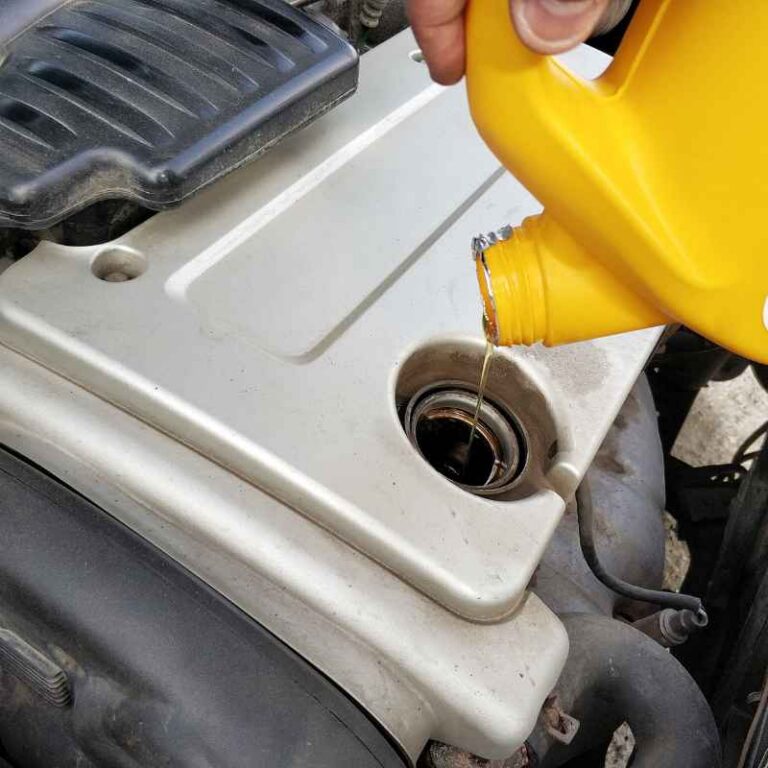
- Regular checks: Oil changes, tire rotations, and brake inspections keep your car running smoothly.
- Budget for upkeep: Set aside a little money each month for gas and repairs. I found that even $50 a month can cover basic maintenance.
- Learn basic fixes: Watch YouTube tutorials for simple tasks like changing a tire or checking fluids. It saves money and builds confidence.
- Get insurance: Georgia requires minimum liability coverage. Shop around for affordable plans—some charities even offer guidance on this.
A friend who received a donated car told me she felt nervous about maintenance at first. But after taking a free car care class at a local community center, she felt empowered to keep her vehicle in top shape.
Conclusion
Getting a donated car in Georgia can feel like a big goal, but it’s absolutely achievable. I’ve seen firsthand how these programs transform lives—whether it’s helping a parent get to work, a student attend classes, or a veteran start a new chapter. By researching reputable charities, preparing your documents, and applying with a clear story, you’re setting yourself up for success. The process takes patience, but the reward—a reliable car and newfound freedom—is worth it. So, take that first step today. Check out organizations like Free Charity Cars or Family Car Foundation, share your story, and open the door to new possibilities. You’ve got this!
FAQs
How do I find legitimate car donation programs in Georgia?
Look for registered 501(c)(3) nonprofit organizations that actually serve Georgia, like Free Charity Cars or Family Car Foundation (FamCars). Check their websites, read reviews, and verify their status on Charity Navigator — Good News Garage, despite its name recognition, only operates in New England and won’t accept Georgia applicants. Avoid groups with vague processes or high-pressure tactics.
What documents do I need to apply for a donated car?
You’ll typically need proof of income (like pay stubs or tax returns), a Georgia ID, proof of residency (like a utility bill), and a letter explaining why you need a donated vehicle. Each charity may have slightly different requirements, so check their website.
How long does it take to get a donated car?
It varies, but expect 4-8 weeks for most programs. Some, like Free Charity Cars, may take longer if they have many applicants nationwide. Follow up politely if you don’t hear back after a few weeks.
Can I get a donated car if I’m not low-income?
Yes, but priority often goes to low-income individuals, veterans, or those with disabilities. Some programs, like Family Car Foundation, consider unique circumstances, so apply and explain your situation clearly.
Do I need to pay for the car or towing?
No, reputable programs offer free towing and don’t charge for the car. Be wary of any organization asking for payment—it’s likely a scam.
What happens if the donated car needs repairs?
Some charities, like Family Car Foundation, refurbish vehicles before awarding them. Others provide cars as-is. Ask the charity about the car’s condition and budget for basic maintenance like oil changes or tire replacements.
Products related to this article
Sponsored / affiliate links. As an Amazon Associate I earn from qualifying purchases. I may earn additional commission from eligible campaigns.
 Half Car Cover SUV,Top Cover with Red Reflective Strip, Hail Protector Car Cover with Cotton Liner, Sunroof & Windshield Cover for Ice and Snow, All Weather Car Body Cover for Sun, Rain, Dust
 Half Car Cover Top with Red Reflective Strip, Snow Car Cover with Cotton Liner, Sunroof & Windshield Cover for Ice and Snow, All Weather Car Body Cover Fit for Compact Sedan