Vacuum Pump for Car: Tested & Reviewed (3 Picks)
If you want a vacuum for car interiors, buy a portable cordless or corded car vacuum; if you mean an automotive AC vacuum pump, choose a two-stage pump sized for your manifold setup. Buying the wrong one wastes money and can leave dirt in the cabin or moisture in the AC system. This guide separates both meanings and gives three top picks for each job.
Car vacuum decision table
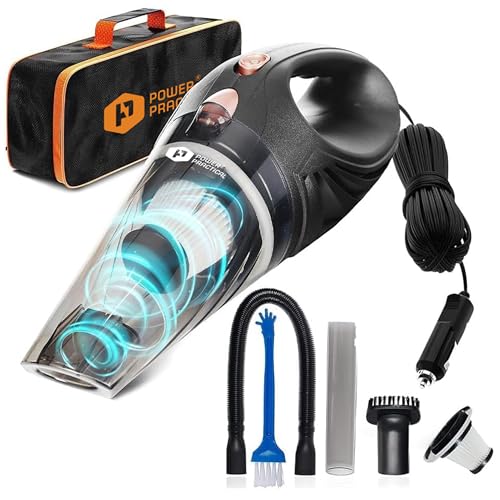
This table focuses on cabin cleanup, because that is what most shoppers mean when they search this topic. It also lays out the tradeoffs plain: runtime, weight, dust-bin size, and the attachments that matter for seats, rails, and pet hair.
| Model | Use case | Suction/runtime | Weight | Included tools | Battery or cord type | Who should buy it | Wrong choice |
|---|---|---|---|---|---|---|---|
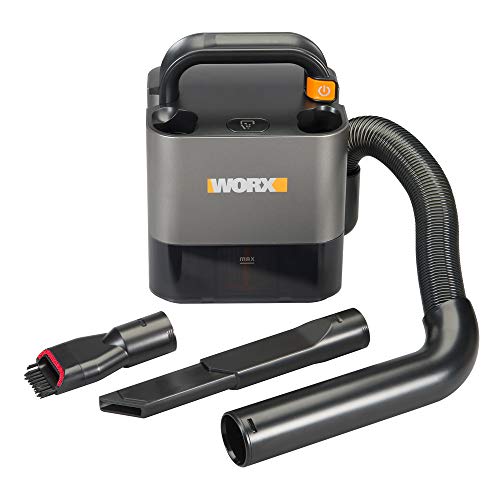
| Worx 20V Power Share Cordless Cube Vac | Best overall for most car cabins | More than 20 minutes; charges very quickly | Portable cube design with built-in attachment storage | Storage for attachments; common car-cleaning nozzles | Swappable 20V battery | Drivers who want one pick for crumbs, dirt, and day-to-day cleanup | Not the first pick if you need a tiny dust bin every day or want a shop tool for wet-dry work |
| Dyson V8 | Best premium car vacuum | Very long runtime with powered brushes | Handheld form with more reach than mini models | Powered brush head and other detailing tools | Cordless battery | Owners who deal with pet hair, mats, and seat fabric more than once a week | Too expensive if you only need a quick crumb pickup after school runs |
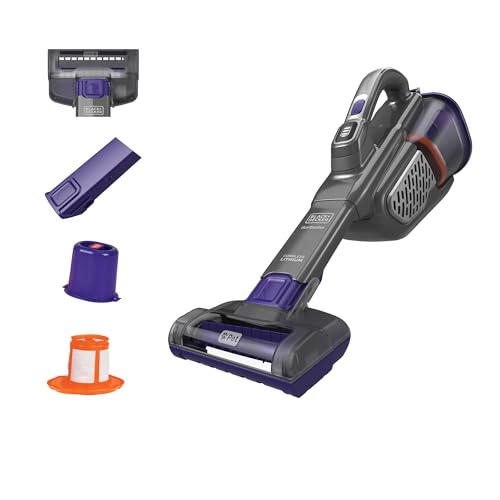
| Black & Decker Dustbuster Blast | Best budget car vacuum | Good for light cleanup; filter performance is poor | Compact handheld | Flip-up brush attachment | Cordless battery | For shoppers under $50 who need an occasional grab-and-go vacuum, this is a good option. | Weak filter makes it a poor match for heavy dust, dander, or stubborn pet hair |
Is this a car interior vacuum or an AC service pump?
Most shoppers want a handheld or cordless car vacuum for seats, floors, and trunks. A vacuum pump for automotive AC service is a different tool entirely, used to evacuate moisture and air from the refrigerant system before charging. If you want cleanup, stay with the cabin vacuums above.
When an AC vacuum pump is the right tool
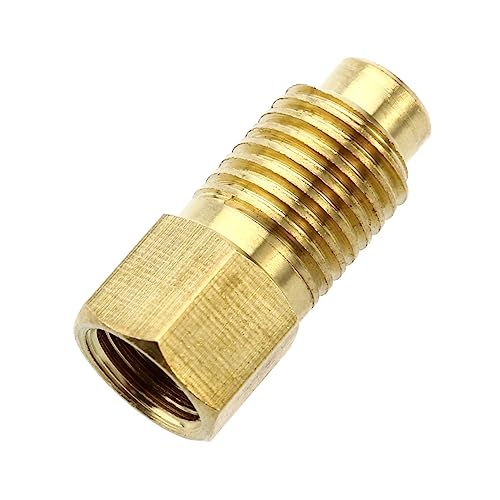
Choose an AC vacuum pump only if you are servicing a refrigerant system. A common checklist includes single-stage or two-stage designs, a CFM rating, micron pull-down performance, an oil sight glass, and refrigerant compatibility that matches your manifold setup. Mechanic-focused guides often point buyers to those specs because they affect evacuation quality.
Good Housekeeping’s Dewalt 20V Max Cordless Wet/Dry Portable Vacuum is useful only if your actual need is shop cleanup around a service job. In that testing, it removed 99.9% of fine particles and 94.7% of larger debris, but it is still not an AC vacuum pump.
Best overall car vacuum
The Worx 20V Power Share Cordless Cube Vac is the best overall car vacuum in CNET testing. It was CNET’s top pick after testing 11 models, it lasts more than 20 minutes, it charges very quickly, and CNET priced it at $96. That mix fits most drivers well.
Why it wins CNET testing
The appeal is balance. You get enough runtime for a full cabin pass, plus swappable battery support and built-in attachment storage, so the pieces stay together in the garage or cargo area. It works for weekly cleanup without turning into clutter.
Say your back seat collects crackers, sand, and a few leaves after one errand run. A compact handheld with a crevice tool can clear the seat rails fast, and the Worx format fits better than a giant shop vacuum you never want to unload from the trunk.
Where it fits best
This is the model to start with if you want one cordless vacuum for routine cabin use, occasional crumbs, and a small trunk mess. It is not the lightest option, but it handles storage better than many larger handhelds because the accessories stay onboard.
Which car vacuum has the strongest suction?
If you want the strongest suction in this group, the Dyson V8 is the premium pick CNET named best for car use. It has very long runtime and powered brushes, which matter more than raw portability when seats, floor mats, and pet hair all need attention.
Powered brushes for seats and mats
Powered brush heads matter because pet hair and lint cling to fabric. A plain nozzle can move debris around, while a powered brush agitates fibers and lifts embedded hair. That makes the Dyson V8 a better choice for textured upholstery and floor mats than a bare-bones handheld.
Picture a crossover with black cloth seats and a dog that rides in the second row. A crevice tool clears the seams, but a powered brush gets the hair out of the weave. That is the difference between a quick tidy and a cabin that still looks dusty.
When suction matters more than size
Choose the Dyson if you clean often and want a higher ceiling for pickup performance. At about $300, it makes the most sense when suction, brush action, and runtime matter more than a low entry price.
What is the best budget car vacuum under $50?
The Black & Decker Dustbuster Blast is CNET’s best cheap car vacuum, and it is the one to watch under $50. The tradeoff is straightforward: it is affordable and compact, but CNET also called out terrible filter performance, so it is not the best fit for dust-heavy jobs.
What the flip-up brush helps
The flip-up brush attachment helps on fabric surfaces, loose crumbs, and dust on plastic trim. It is useful for quick cleanup on floor mats and seat edges where you do not need a powered head. For a second car or an emergency vacuum, that is enough.
Where the filter is a problem
A weak filter matters because it can leave fine dust and allergens recirculating instead of trapping them. If you deal with dander, pollen, or frequent sand, a better filter setup is worth paying for. HEPA filtration is the cleaner option when that matters.
A common first-timer mistake is buying the cheapest handheld and expecting it to handle dried mud and dog hair in one pass. A low-cost model can work for napkins, snack crumbs, and light dust, but it can run out of steam fast when the mess is built up.
Best mini vacuum for quick cleanup
The Fanttik Slim V8 Apex is CNET’s best mini car vacuum, and the reason is simple: size. This model is lightweight at about 1 lb, charges by USB-C, and has strong battery life in testing. That makes it easy to stash where you will actually use it.
Why low weight matters in the car
Light weight helps when you are cleaning tight footwells, under seats, or the small messes that appear after one drive. A mini vacuum is also easier to keep in a center console or cargo pocket, which means it is more likely to be on hand when crumbs happen.
Battery life versus bin size
Battery life is only half the story. Compact handhelds usually have small dust cups, and that is a real tradeoff. If you clean one car seat and a floor mat, a mini vacuum is fine; if you clean a whole cabin full of gravel, you will empty it often.
How do you choose the right attachments?
Attachments decide whether a vacuum handles the job or just moves dirt around. For car detailing, the most useful pieces are the crevice tool, a brush tool, and in some cases a powered brush head. HEPA filtration matters when dust, allergens, or pet dander are part of the mess.
Crevice tool for rails and gaps
The crevice tool is the one that fits seat rails, console seams, door pockets, and the narrow strip where crumbs disappear between cushions. It is the first attachment you should want in a car kit because that is where loose debris usually hides.
Brush tool for crumbs and fabric
A brush attachment is better for loose crumbs on cloth seats, textured plastics, and light dust on trim. It loosens debris without gouging soft surfaces, which makes it the safer choice for quick interior cleanup.
HEPA filter for dust and dander
A HEPA filter traps dust and allergens more effectively than a basic filter, which matters if you carry pets or have sensitive passengers. Several tested vacuums in this category use HEPA filtration, and that is the detail worth checking when allergy control matters.
Pet hair and tight-space fixes
For pet hair, the best combination is a powered brush plus a crevice tool. The brush lifts hair from seats and mats, and the crevice tool finishes along seams and around seat mounts. That pairing handles the two failure points most handhelds run into.
- Start with the crevice tool for rails, seams, and edges.
- Switch to a brush attachment for seats, floor mats, and loose crumbs.
- Use a powered brush head if pet hair is embedded in fabric.
- Check whether the filter is washable or a higher-efficiency type.
- Empty the dust cup before it fills enough to hurt airflow.
Frequently asked questions
What size vacuum is easiest to store in a car?
The easiest size to store is a compact handheld or mini vacuum with onboard attachment storage. The Fanttik Slim V8 Apex fits this need well because it is the lightest model in CNET’s testing at 1 lb. Small size helps, but a tiny dust cup is the tradeoff.
Is a cordless or corded car vacuum better?
For most drivers, cordless is easier because it is faster to grab and use in a parking lot or driveway. Corded models can run longer and avoid battery limits, but they are less convenient if you are moving around the vehicle. If you want speed, cordless usually wins.
How long should a car vacuum battery last?
A practical target is enough runtime to clean the front seats, floor mats, and a rear bench without rushing. In the models here, the Worx runs more than 20 minutes, and the Fanttik had the longest battery life in testing. Short runtimes work only for quick cleanups.
Can a handheld vacuum clean pet hair from car seats?
Yes, but the attachment matters. A handheld with a powered brush is much better than a bare nozzle for pet hair on cloth seats and floor mats. The Dyson V8 is the stronger pick here because its powered brushes are built for that job, while simple budget models can struggle.
What is the best vacuum pump for a car interior?
There is no vacuum pump for a car interior in the normal sense. For cabin cleanup, you want a handheld or cordless car vacuum. If you mean AC service, use a two-stage automotive vacuum pump with the right CFM, micron pull-down, oil sight glass, and refrigerant compatibility.
What attachments do I need for car detailing?
The basic set is a crevice tool, a brush tool, and, if you deal with pet hair, a powered brush head. The crevice tool handles seat rails and gaps, the brush handles crumbs and fabric, and HEPA filtration helps if dust and dander are part of the job.
Products related to this article
Sponsored / affiliate links. As an Amazon Associate I earn from qualifying purchases. I may earn additional commission from eligible campaigns.