VW Golf Hot Air Through Pedals Common Causes
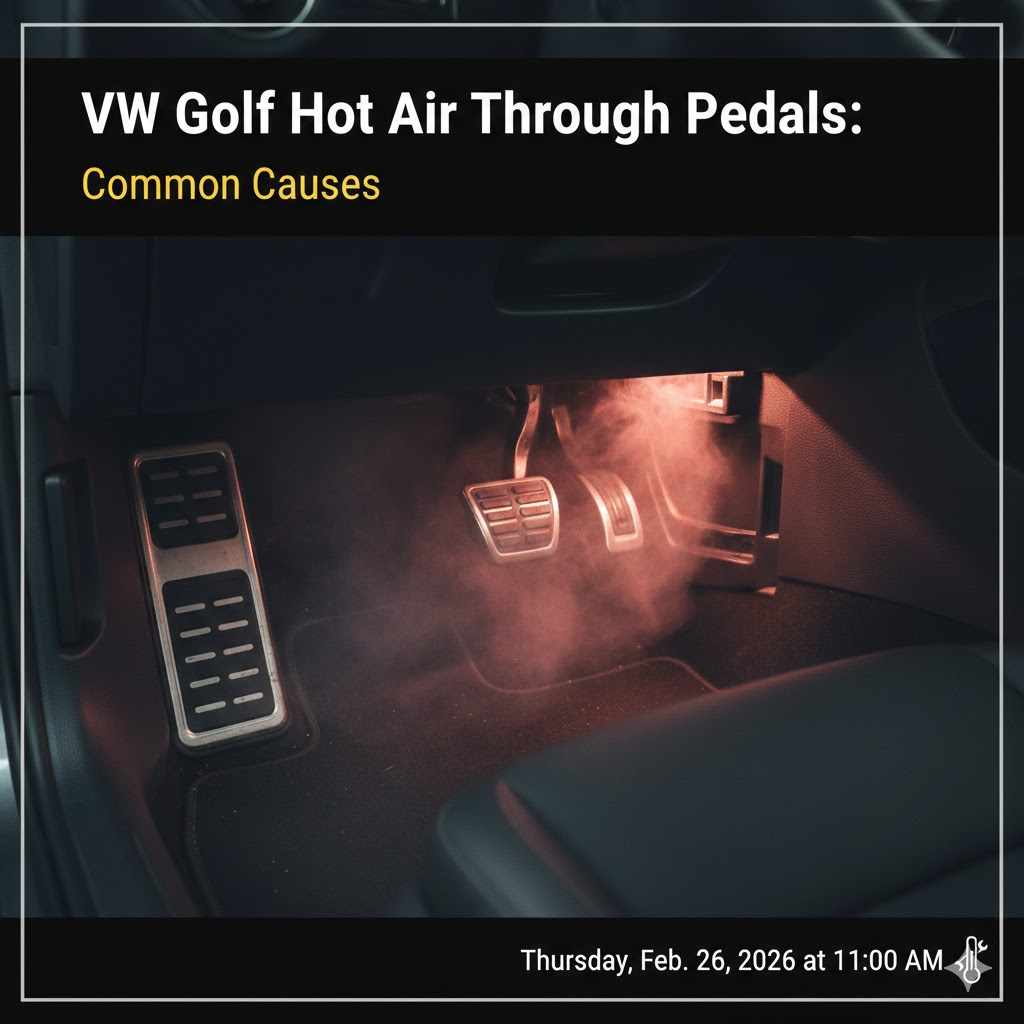
Sometimes, your VW Golf might blow warm air where you least expect it, like through the pedal area. This can be a bit confusing, especially if you’re new to car repairs. You might wonder, what could be the cause of the hot air coming through pedals in my vw golf.
Don’t worry! It’s a common issue, and we’ll break it down simply. We’ll guide you through the possible reasons and how to fix them.
Let’s find out why your car is feeling warm down there.
Understanding Your VW Golf’s Heating System
Your VW Golf’s heating system is a network of parts that work together to keep you warm. It uses the engine’s heat to warm the air that then circulates into the cabin. Understanding these parts is key to figuring out why warm air might be escaping into the footwell.
This section will explore how the system normally functions and where it can go wrong.
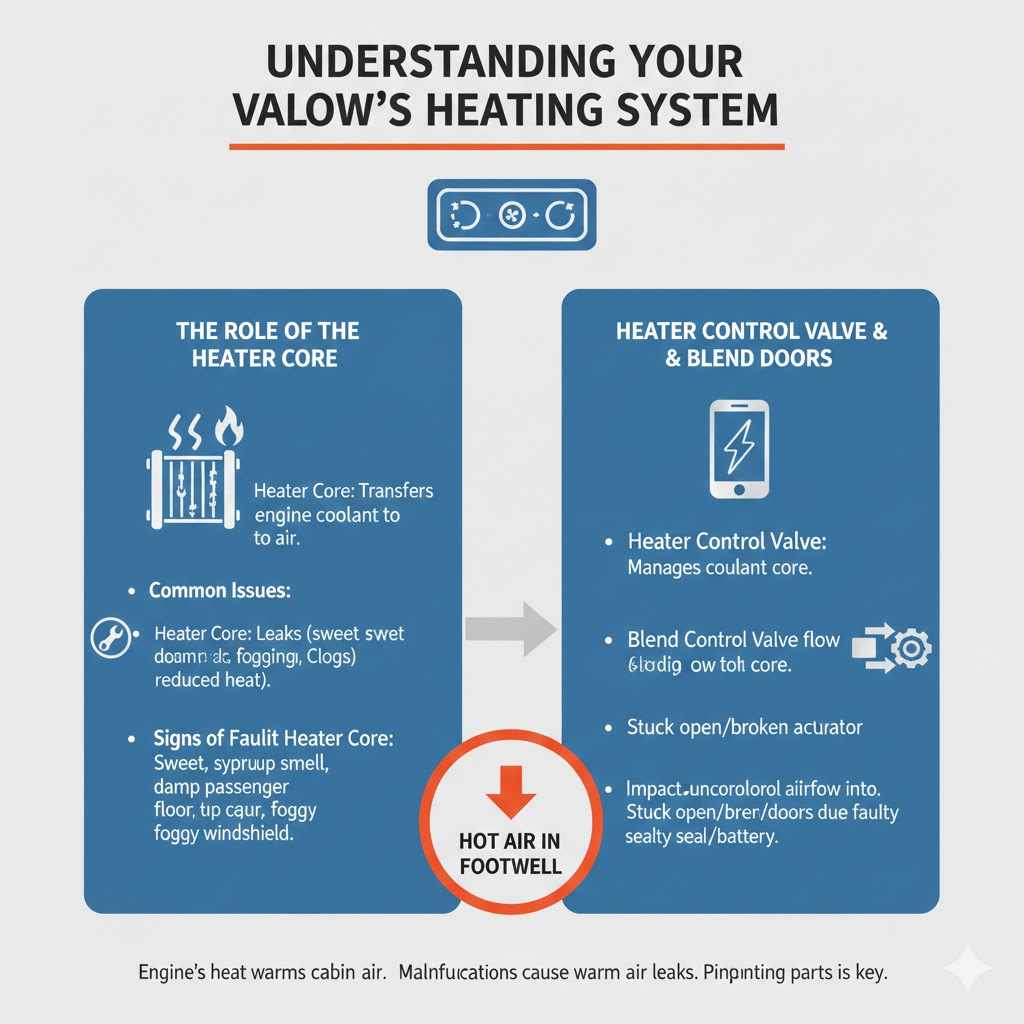
The Role of the Heater Core
The heater core is like a mini radiator for your car’s cabin. It sits behind the dashboard, usually near the passenger side. Hot coolant from the engine flows through its tiny tubes.
A fan blows air across these tubes, warming the air before it enters the car.
- Heater Core Function: The heater core’s main job is to transfer heat from the engine coolant to the air. When you turn on your heat, coolant is directed to the heater core. The system then uses the blower motor to push air through it, warming up your car.
- Common Issues with Heater Cores: Over time, heater cores can develop leaks. These leaks can cause coolant to escape. Sometimes, a clogged heater core won’t allow enough hot coolant to flow through, reducing heat output.
If the core is leaking, you might smell a sweet coolant odor inside your car or see dampness on the floor mats.
- Signs of a Faulty Heater Core: A leaking heater core is one of the primary reasons for hot air appearing where it shouldn’t. A sweet, syrupy smell inside your car is a strong indicator. You might also notice fogging on your windshield, especially when the heat is on.
The floor on the passenger side could also feel damp and sticky.
Heater Control Valve and Blend Doors
The heater control valve manages the flow of hot coolant to the heater core. Blend doors, on the other hand, are flaps inside your dashboard’s air vents. They mix hot and cold air to reach your desired cabin temperature.
If these aren’t working right, you might get too much hot air directed into the wrong places.
- Heater Control Valve Operation: This valve acts like a gatekeeper for coolant. When you set your temperature control to cold, the valve closes, blocking coolant flow to the heater core. When you want heat, it opens, allowing hot coolant to pass through and warm the air.
A faulty valve might stick open, allowing heat even when you want cool air.
- Blend Door Malfunctions: Blend doors are controlled by vacuum actuators or electric motors. If an actuator fails or a door gets stuck, it might not move correctly. This can lead to the air always being directed through the heater core, even on cooler settings.
You might experience inconsistent temperatures or hot air from unexpected vents.
- Impact on Pedal Area Airflow: When blend doors aren’t sealing properly or are stuck in a position that favors heat, the warmed air might not be effectively controlled. This uncontrolled airflow can then find its way into the footwell, especially if there are gaps or seals that have deteriorated around the pedal assembly.
Investigating Air Ducting and Seals
Your car’s air ducting system is like a maze that directs air throughout the cabin. Damaged or loose ducts, or worn-out seals, can let heated air escape. This is a very common culprit for warm air entering the footwell area.
Damage to Under-Dash Air Ducts
The air ducts running from the climate control unit to the vents can become cracked or detached. This is especially true in older vehicles. If a duct is broken, warm air can spill out directly into the dashboard cavity, which is right above your feet.
- Material and Location of Ducts: These ducts are typically made of plastic or flexible rubber. They are routed through tight spaces under the dashboard. They connect the main HVAC unit to various outlets, including those for the footwells.
- How Damage Occurs: Age, vibration, and physical impact can cause these ducts to crack or split. Sometimes, during other repairs, a duct might be accidentally dislodged or broken. Loose connections are also a frequent problem.
- Consequences of Damaged Ducts: A crack or loose connection means conditioned air escapes before reaching its intended vent. If the damaged duct is near the pedal area, this escapee air, if it’s heated, will naturally flow downwards. This is a direct path for warm air to enter your footwell.
Worn or Missing Pedal Box Seals
The pedal box is the area where your accelerator, brake, and clutch pedals pass through the firewall. There are seals designed to prevent outside air and debris from entering the cabin. If these seals are old, torn, or missing, hot air from the engine bay or areas near the heater core can seep in.
- Purpose of Pedal Box Seals: These rubber seals are vital for keeping the cabin airtight. They prevent engine heat, exhaust fumes, and water from entering the car. They create a barrier between the engine compartment and the interior.
- Causes of Seal Deterioration: Rubber degrades over time due to heat, age, and exposure to fluids like oil and coolant. Seals can become brittle, crack, or shrink. Constant flexing of the pedals can also wear them down.
- Impact on Cabin Temperature: When these seals fail, they create openings. The hot air circulating in the engine bay or under the dashboard has a direct route into the passenger compartment through these gaps. This is a very likely reason for what could be the cause of the hot air coming through pedals in my vw golf.
Examples of Ducting and Seal Issues
Imagine a VW Golf owner, Sarah, who noticed a persistent warm draft around her feet. After checking obvious issues, she found a small crack in an air duct behind the dashboard. Repairing this small crack stopped the unwanted warm air.
Another case involved John, whose car had a very faint smell of exhaust. He discovered that the rubber seal around his clutch pedal was torn, allowing hot engine air to enter the cabin.
These are common scenarios where seemingly minor issues with air pathways lead to noticeable discomfort. The simplest explanations are often the most accurate when troubleshooting.
Engine Compartment Heat Issues
Sometimes, the heat isn’t coming from the HVAC system itself but from the engine compartment. Issues with exhaust components or cooling system leaks can radiate significant heat into the cabin, especially near the firewall.
Exhaust System Leaks
Your car’s exhaust system carries hot gases away from the engine. If there’s a leak anywhere between the engine and the muffler, hot exhaust fumes can find their way into the cabin. This is particularly true if the leak is close to the firewall.
- How Exhaust Leaks Happen: Exhaust pipes are joined with gaskets, and the pipes themselves can rust and develop holes. A cracked exhaust manifold is another common leak source. Even a loose clamp can allow gases to escape.
- The Smell of Exhaust: A telltale sign of an exhaust leak is a distinct smell of exhaust fumes inside the car. This smell can be quite strong and is a serious safety concern. It indicates that dangerous gases might be entering the cabin.
- Heat Radiation from Exhaust Components: The exhaust system operates at extremely high temperatures. If there is a leak near the firewall, the heat radiating from the compromised section can easily transfer through the car’s body. This heat can then be felt in the footwell area.
Cooling System Leaks and Overheating
Your engine’s cooling system prevents it from overheating. If there’s a leak in the radiator, hoses, or water pump, coolant can escape. This loss of coolant can cause the engine to run hotter than normal.
This excess heat can radiate into the cabin, especially if the leak is near the firewall.
- Coolant and Engine Temperature: Coolant circulates through the engine to absorb heat. It then carries this heat to the radiator, where it’s dissipated into the air. If the system is low on coolant, this heat transfer becomes less efficient, leading to higher engine temperatures.
- Visible Signs of Leaks: Look for puddles of colored fluid (green, orange, or pink) under your car. You might also see white, crusty deposits around hose connections or the radiator itself, indicating dried coolant. A hissing sound from under the hood can also signal a leak.
- Heat Transfer to Cabin: A leaking cooling system component near the firewall can allow superheated steam or coolant vapor to enter the cabin. Even a minor leak can increase the ambient temperature around the firewall, leading to warm air being felt near the pedals.
Engine Bay Insulation Issues
Cars have insulation in the engine bay to prevent heat from reaching the cabin. This insulation can degrade, tear, or become dislodged over time. If the insulation is compromised, more engine heat will make its way into the passenger compartment.
- Types of Engine Bay Insulation: This typically includes sound-deadening materials and heat shields. They are strategically placed around the engine, exhaust, and firewall.
- Factors Causing Insulation Damage: Heat cycles, oil exposure, and vibrations can cause insulation materials to break down. If a heat shield becomes loose or detached, it can no longer block radiant heat effectively.
- Consequences of Compromised Insulation: Reduced or damaged insulation means the firewall barrier is less effective. Hot air and heat from engine components can then transfer more readily into the cabin, contributing to the warm air felt near the pedals.
Other Potential Causes
While the heater core, air ducts, and engine bay issues are most common, other less frequent problems can also cause hot air to enter your VW Golf’s footwell. These might involve the climate control system’s electrical components or even aftermarket modifications.
Faulty HVAC Control Module
The HVAC control module is the brain of your climate control system. If it malfunctions, it might send incorrect signals to the blend doors or heater control valve. This can lead to unintended heating or improper air distribution.
- Role of the HVAC Control Module: This module receives inputs from your temperature and fan speed controls and then operates the various actuators and motors to manage airflow and temperature.
- Symptoms of a Failing Module: Besides unexpected hot air, you might experience other climate control issues. These can include random fan speed changes, lights on the control panel flickering, or the system not responding to your inputs.
- How it Affects Pedal Area Air: A faulty module could, for instance, command the blend doors to stay in a position that directs all air through the heater core, even when you want cool air. This can result in excess warm air escaping into the footwell if ducting isn’t perfectly sealed.
Aftermarket Modifications and Installations
If your VW Golf has had any aftermarket parts installed, such as a new stereo system, alarm, or other electronics, these could be a source of the problem. Improper installation can sometimes affect air ducting or create new pathways for heat to enter.
- Potential Installation Issues: During installations, wires are often routed through the firewall or under the dashboard. If holes are not sealed properly afterward, they can become entry points for air. Also, components that generate heat themselves could be poorly placed.
- Examples of Modifications: Custom stereo systems with amplifiers, additional lighting, or remote start systems are common modifications. If the installers didn’t take care to reseal any penetrations made through the firewall, heat from the engine bay could enter.
- Troubleshooting Modifications: If the problem started after a specific installation, that’s a strong clue. You might need to have the installer re-examine their work, particularly any holes drilled or wires routed through the car’s body.
Cabin Air Filter Issues
While less common for hot air, a severely clogged cabin air filter can sometimes restrict airflow. This can put a strain on the blower motor and, in extreme cases, cause it to generate extra heat. Also, if the filter housing is damaged, it might allow outside air to bypass the filter and enter the cabin, potentially including warm air from the engine bay.
- Function of the Cabin Air Filter: This filter cleans the air that comes into your car’s cabin, removing dust, pollen, and other pollutants.
- Impact of a Clogged Filter: A blocked filter makes it harder for the blower motor to push air through. This can reduce airflow to the vents and make the blower motor work harder, potentially leading to it overheating and generating some extra heat.
- Filter Housing and Air Leaks: If the cabin air filter housing is not properly sealed or has damage, it can create a path for unfiltered air to enter. If this unfiltered air is drawn from an area that is warm, like near the engine, it could contribute to the problem.
Troubleshooting and Repair Steps
Addressing the issue of hot air coming through the pedals in your VW Golf involves a systematic approach. Starting with the easiest checks and moving to more complex ones will help you pinpoint the cause efficiently.
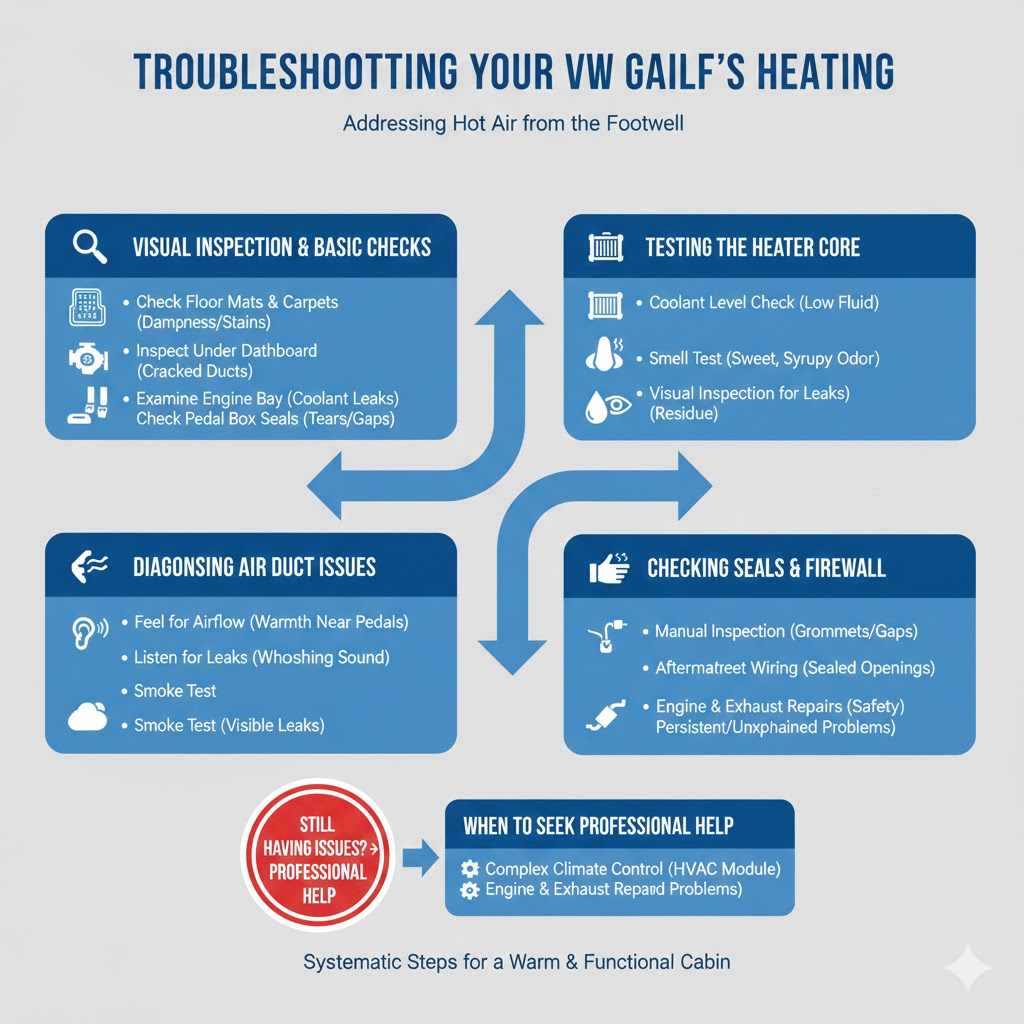
Visual Inspection and Basic Checks
Before diving into complex repairs, a thorough visual inspection can often reveal the problem. This involves looking for obvious signs of damage or leaks in the most common areas.
- Check Floor Mats and Carpets: Look for any dampness or unusual stains on the floor mats and carpets, especially on the driver’s and passenger’s sides. This could indicate a coolant leak from the heater core.
- Inspect Under the Dashboard: Get down and look under the dashboard for any signs of cracked or disconnected air ducts. Check for any loose insulation or obvious holes.
- Examine Engine Bay for Leaks: With the engine running (and cooled down to a safe temperature for inspection), look for any signs of coolant leaks around hoses, the radiator, or the water pump. Also, check the exhaust system for any visible rust or damage.
- Check Pedal Box Seals: Inspect the seals around the clutch, brake, and accelerator pedals where they pass through the firewall. Look for tears, cracks, or signs that they are missing.
Testing the Heater Core
The heater core is a prime suspect. Testing it involves checking for leaks and coolant flow.
- Coolant Level Check: Ensure your coolant level is at the proper mark in the reservoir. A low level can indicate a leak somewhere in the system, including the heater core.
- Smell Test: A sweet smell inside the cabin, especially when the heat is on, is a strong indicator of a leaking heater core. This smell comes from the ethylene glycol in the coolant.
- Visual Inspection for Leaks: If possible, and with the engine cool, remove any covers or panels that provide access to the heater core area. Look for any wetness or coolant residue. Sometimes, a small amount of coolant might drip onto the passenger side floor.
Diagnosing Air Duct Issues
You can often diagnose air duct problems by using your senses and a bit of logic.
- Feel for Airflow: With the engine running and the fan on, feel for air escaping from areas where it shouldn’t be, especially under the dashboard near the pedals. You might feel a concentrated stream of warm air.
- Listen for Leaks: Sometimes, you can hear a whooshing sound from a leaking air duct, especially if it’s a larger leak or if the fan is set to a higher speed.
- Smoke or Fog Test (Advanced): For more stubborn issues, a mechanic might use a smoke machine. This device fills the air ducts with a non-toxic smoke. Any leaks will be easily visible as smoke escapes from cracks or loose connections.
Checking Seals and Firewall Penetrations
The seals around the pedals are critical for preventing air intrusion.
- Manual Inspection: Carefully pull back the carpet or trim around the pedal assembly. Inspect the rubber grommets and seals that surround the shafts for the pedals. Look for any gaps, tears, or signs of deterioration.
- Aftermarket Wiring Inspection: If you have aftermarket electronics, check any points where wires or cables pass through the firewall. Ensure these openings are properly sealed with grommets or silicone sealant.
When to Seek Professional Help
Some repairs, especially those involving the engine or complex climate control systems, are best left to professionals. If you’re uncomfortable working under the dashboard or around engine components, or if basic checks don’t reveal the problem, it’s time to visit a mechanic.
- Complex Climate Control Systems: Modern cars have sophisticated climate control systems. Diagnosing faults with the HVAC control module or actuators can be difficult without specialized tools.
- Engine and Exhaust System Repairs: Working with exhaust leaks or cooling system issues can be dangerous due to high temperatures and potentially hazardous fluids. It’s safer to have these inspected and repaired by a qualified technician.
- Persistent or Unexplained Issues: If you’ve gone through the basic troubleshooting steps and still can’t find the cause, a mechanic has the experience and equipment to diagnose the problem accurately.
Frequently Asked Questions
Question: Could a blocked cabin air filter cause hot air in the pedals?
Answer: While a severely blocked cabin air filter can restrict airflow and potentially cause the blower motor to work harder and generate some heat, it’s not usually the primary cause of hot air directly entering the pedal area. It’s more likely to affect overall cabin airflow and temperature consistency.
Question: Is hot air coming through the pedals a safety issue?
Answer: Yes, it can be. If the hot air is due to an exhaust leak or a coolant leak, these are serious safety concerns. Inhaling exhaust fumes is dangerous, and coolant leaks can lead to engine overheating.
Question: How much does it typically cost to fix a leaking heater core?
Answer: Repairing a leaking heater core can be costly because it often requires significant labor to access and
Question: Can I temporarily stop hot air from coming through the pedals?
Answer: Temporarily, you might try turning off the heat and using the fresh air setting. If the problem is a leaky duct or seal, this might reduce the amount of hot air entering. However, this is not a permanent solution and doesn’t address the underlying cause.
Question: What is the difference between hot air from the HVAC and hot air from the engine?
Answer: Hot air from the HVAC system comes from the heater core, which uses engine coolant to warm cabin air. Hot air from the engine compartment is usually due to leaks in the exhaust system or cooling system, or degraded insulation, allowing direct engine heat to enter the cabin.
Summary
There are several common reasons for hot air entering your VW Golf’s footwell. These often involve issues with the heater core, air ducting, or seals around the firewall. By systematically inspecting these areas and understanding the function of your car’s heating and cooling systems, you can pinpoint the cause and get your car comfortable again.