What Are the Benefits of Maintaining Your Vehicle? 6 Key Reasons
Maintaining your vehicle improves safety, fuel efficiency, and resale value — and it typically costs far less than the repairs that follow neglect. NHTSA data links worn tires to 35% and worn brakes to 22% of failure-related crashes, while the U.S. Department of Energy says a simple tune-up can raise gas mileage by about 4%. This guide covers the six real benefits of regular upkeep, what skipping it actually costs, and which checks matter most.
[Insert Affiliate Disclosure reusable block here]
Quick Answer
Maintaining your vehicle regularly improves safety, fuel efficiency, and resale value while lowering long-term repair costs. NHTSA links worn tires and brakes to more than half of failure-related crashes, and the U.S. Department of Energy says a simple tune-up can raise gas mileage by about 4%. Skipping routine upkeep trades small, predictable costs for much larger repair bills later.
The 6 Benefits of Regular Vehicle Maintenance
Keeping up with routine service touches nearly every part of vehicle ownership, from what you pay at the pump to what you get when you sell. The table below breaks down each benefit alongside a real, sourced data point — not just a vague claim.
| Benefit | What It Means | Real Data Point |
|---|---|---|
| Safety | Fewer mechanical-failure crashes | Worn tires linked to 35% and worn brakes to 22% of failure-related crashes (NHTSA) |
| Fuel Efficiency | Better mileage, lower fuel spend | A basic tune-up can improve gas mileage by about 4% (U.S. DOE) |
| Longevity | Fewer major breakdowns over time | Skipped oil changes are a leading cause of early engine wear |
| Cost Savings | Small routine bills instead of large repair bills | Oil change: $45-$120 vs. engine replacement: $4,000-$7,000+ |
| Reliability | Fewer roadside breakdowns | Routine checks catch worn parts before they fail on the road |
| Resale Value | Stronger price when you sell or trade in | A documented service history is a top positive signal for buyers |
How Maintenance Improves Safety
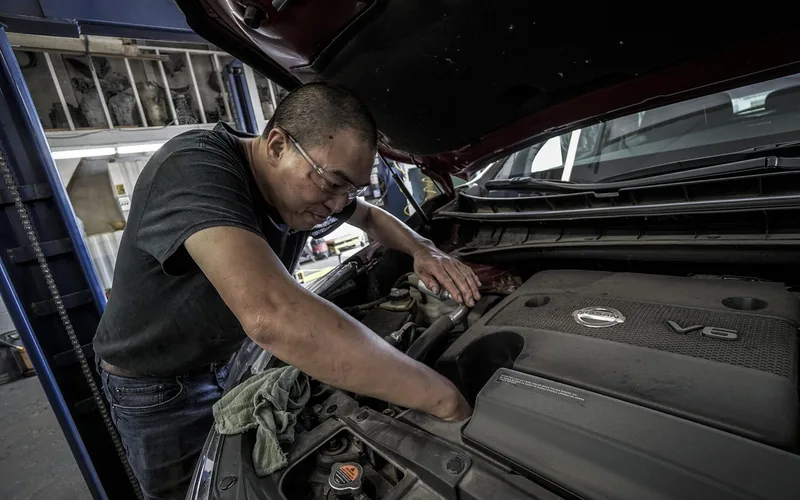
Worn parts are one of the most preventable causes of crashes on the road. Regular maintenance catches failing tires, weak brakes, and burnt-out lights before they cause a breakdown or an accident, and it keeps the systems you rely on in an emergency — braking, steering, and visibility — working the way they should.
📊 Tire-related problems are involved in about 35% of crashes where vehicle failure was a factor, and brake-related problems in about 22%. — Source: NHTSA, Tire-Related Factors in the Pre-Crash Phase
Which Mechanical Failures Cause the Most Accidents?
Tires and brakes cause the most failure-related crashes. Federal crash data attributes about 35% of vehicle-failure crashes to tire problems and about 22% to brake problems, with steering, suspension, transmission, and engine issues combined accounting for a much smaller share. Checking tire tread and pressure, along with brake pad thickness, catches the two biggest risks first.
How Maintenance Affects Fuel Efficiency
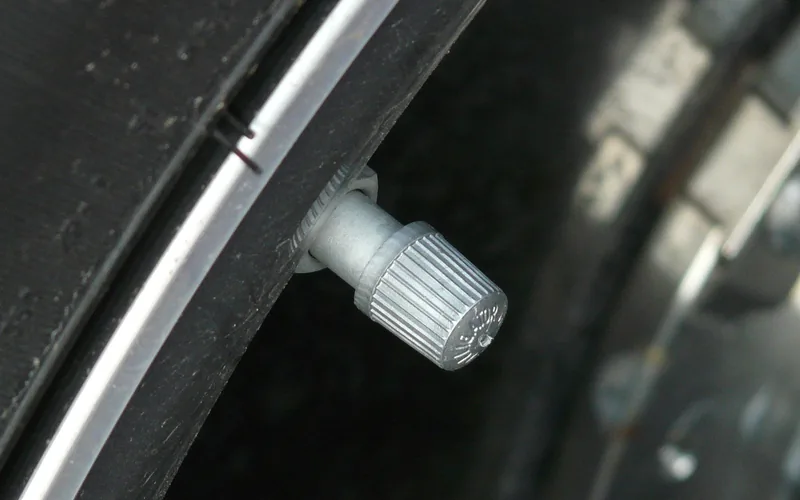
A well-maintained car burns less fuel because its engine, tires, and oil are all working the way the manufacturer intended. Several small maintenance habits add up to a real difference at the pump, especially when gas prices are high.
📊 Servicing a noticeably out-of-tune car can improve gas mileage by about 4%, properly inflated tires can add up to 3%, and using the manufacturer’s recommended oil grade adds another 1%-2%. — Source: FuelEconomy.gov, U.S. Department of Energy
Also check the temperature your engine runs at — running consistently at the optimal temperature helps the engine burn fuel efficiently and avoids the extra wear that comes from repeated overheating and cooling cycles.
Best Tire Pressure Gauge Pick
AstroAI Digital Tire Pressure Gauge (150 PSI)
A factory-calibrated digital gauge (±1 PSI) that makes the monthly tire-pressure check from this article a 10-second habit.
- Best for: monthly tire-pressure checks tied to better fuel economy
- Why we picked it: backlit display and ±1 PSI accuracy make it easy to match the door-jamb sticker reading
- Main drawback: uses small button-cell batteries that eventually need replacing
Compare more DIY maintenance essentials
 Option 1 ANCEL AD310 OBD2 Scanner
|
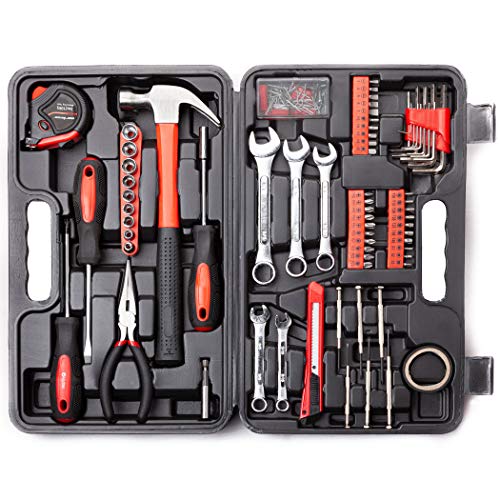
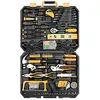 Option 2 DEKOPRO 228-Piece Tool Kit
|
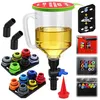 Option 3 18-Piece Oil Funnel Kit
|
As an Amazon Associate we earn from qualifying purchases.
How Maintenance Extends Your Vehicle’s Lifespan
Regular maintenance reduces the everyday wear that shortens a car’s usable life. Fresh oil protects engine internals from friction, timely fluid changes prevent corrosion and overheating, and routine inspections catch small issues — like a worn belt or a slow leak — before they cause a bigger failure. Cars that are kept up consistently are far more likely to reach very high mileage, including 300,000 miles, than cars that only get attention after something breaks.
What Happens If You Skip Maintenance?
Skipping maintenance lets small, cheap problems turn into expensive ones. Dirty oil wears engine parts faster, worn brake pads damage rotors and calipers, and low coolant can lead to overheating and a blown head gasket. You also raise your risk of a breakdown or a crash tied to worn tires or brakes, the two failure types most often linked to accidents.
How Maintenance Saves You Money
The real financial case for maintenance is simple: routine services cost a fraction of the repairs that follow when they’re skipped. The comparison below uses typical U.S. repair-cost ranges for three of the most common maintenance items.
| Routine Maintenance | Typical Cost | Cost If Neglected |
|---|---|---|
| Oil change | $45-$120 | Engine replacement: $4,000-$7,000+ |
| Brake pad replacement | $150-$300 per axle | Pads, rotors & calipers: $200-$900+ per axle |
| Coolant flush | $100-$150 | Overheating / blown head gasket: $1,500-$3,000+ |
“Taking care of your car makes for a smoother ride and can save you serious cash by avoiding pricey repairs,” says David Bennett, AAA’s Senior Repair Manager. That trade-off — small routine bills instead of large emergency ones — is the core financial reason maintenance pays for itself.
Reliability and Convenience
A well-maintained car is simply less likely to leave you stranded. Regular service keeps the systems that cause most roadside breakdowns — batteries, belts, hoses, and tires — in good working order, so the car starts, runs, and stops the way it’s supposed to every time you need it.
- Dependable transportation: routine checks catch the early warning signs of the parts most likely to fail unexpectedly, cutting your odds of a roadside breakdown.
- Improved performance: a well-tuned engine starts easier, idles smoother, and responds better, which also supports the fuel-efficiency gains covered above.
How Maintenance Affects Resale Value
A documented service history is one of the strongest positive signals in a used-car listing. It shows a buyer or dealer that oil changes, fluid checks, and tire rotations happened on schedule rather than being skipped, which typically translates into a stronger offer than a similar car with gaps in its records. Keeping receipts and service records is a simple habit that pays off directly at resale or trade-in time.
Personal Satisfaction of a Well-Maintained Car
Beyond the numbers, there’s a real, if less measurable, benefit to keeping your car in good shape.
- Pride of ownership: a clean, well-running car is simply more enjoyable to drive every day.
- Peace of mind: knowing your car has been checked over reduces the everyday worry about it breaking down.
Simple Maintenance Checks You Can Do Yourself
You don’t need a shop visit to catch most early warning signs. These five checks take a few minutes and cover the issues most likely to affect safety, fuel economy, and reliability.
- Check the oil level and color: pull the dipstick monthly (see our guide on checking your oil correctly); oil should be amber and reach the fill line, not black or below the minimum mark.
- Check tire pressure: use a digital gauge monthly and before long trips, matching the PSI on your door-jamb sticker rather than the number printed on the tire itself.
- Inspect the brakes: listen for squealing or grinding when braking, and check pad thickness through the wheel spokes where visible.
- Check lights and wiper blades: walk around the car with the lights on and replace any wiper blade that streaks or skips.
- Scan for check-engine codes: if the check-engine light is on, plug in an OBD2 scanner to see what triggered it before deciding whether it needs a shop visit.
Frequently Asked Questions
What Happens If You Don’t Maintain Your Car?
Skipping maintenance lets small, cheap problems turn into expensive ones. Dirty oil wears engine parts faster, worn brake pads damage rotors and calipers, and low coolant can lead to overheating and a blown head gasket. You also raise your risk of a breakdown or a crash caused by worn tires or brakes, which NHTSA links to more than half of all failure-related accidents.
How Much Does Regular Car Maintenance Cost Per Year?
According to AAA’s Your Driving Costs study, maintenance, repair, and tire costs run roughly $1,350 to $1,800 a year for a typical vehicle driven 15,000 miles. That’s far less than the $4,000-plus cost of a single major repair, like an engine or transmission replacement, that neglected maintenance can cause.
Does Regular Maintenance Really Improve Fuel Economy?
Yes. The U.S. Department of Energy says servicing a car that is noticeably out of tune can improve gas mileage by about 4%, keeping tires properly inflated can add up to 3%, and using the manufacturer’s recommended oil grade adds another 1% to 2%. Together, these routine checks can meaningfully lower how much you spend on fuel.
Does Maintaining Your Car Increase Its Resale Value?
Yes. A documented service history is one of the strongest positive signals in a used-car listing, showing buyers and dealers that a vehicle has been cared for. Cars with consistent oil changes, fluid checks, and tire rotations on record typically attract stronger offers than similar vehicles with gaps in their maintenance history.
Why Is Vehicle Maintenance Important for Safety?
Worn parts are a leading cause of preventable crashes. Federal crash data shows tire problems are involved in about 35% of accidents where vehicle failure was a factor, and brake problems in about 22%. Regular inspections catch worn tires, weak brakes, and failing lights before they cause a breakdown or an accident.
What Is the Most Important Vehicle Maintenance Task?
There is no single most important task, but oil changes, tire pressure checks, and brake inspections cover the most ground. Oil changes protect the engine from wear, correctly inflated tires improve handling and fuel economy, and brake inspections catch the parts most often linked to failure-related crashes before they fail on the road.
Conclusion
Maintaining your vehicle pays off across every category that matters: it makes your car safer, more fuel-efficient, more reliable, and worth more when you sell it, while keeping repair bills small and predictable instead of large and sudden. A few simple checks — oil, tires, brakes, lights, and check-engine codes — cover most of the risk.
For more guides like this one, browse our automotive services hub.
Products related to this article
Sponsored / affiliate links. As an Amazon Associate I earn from qualifying purchases. I may earn additional commission from eligible campaigns.