
What Car Rental Companies Don’t Charge Drop Fee: Essential Guide
Many major car rental companies do not charge a drop-off fee for one-way rentals if you pick up and drop off within the same state. Some even offer free one-way rentals between certain cities. Always compare quotes and confirm policies directly with rental companies to avoid unexpected charges.
Planning a road trip or need a car in a different city? The idea of a one-way car rental is super convenient, but those dreaded “drop-off fees” can really add to your bill. It’s a common frustration for many travelers. But don’t worry! It’s definitely possible to find car rental companies that either don’t charge a drop fee at all, or have ways to minimize it. You just need to know where to look and what questions to ask. This guide will walk you through everything you need to know to rent a car without that surprise fee.
Understanding Car Rental Drop Fees
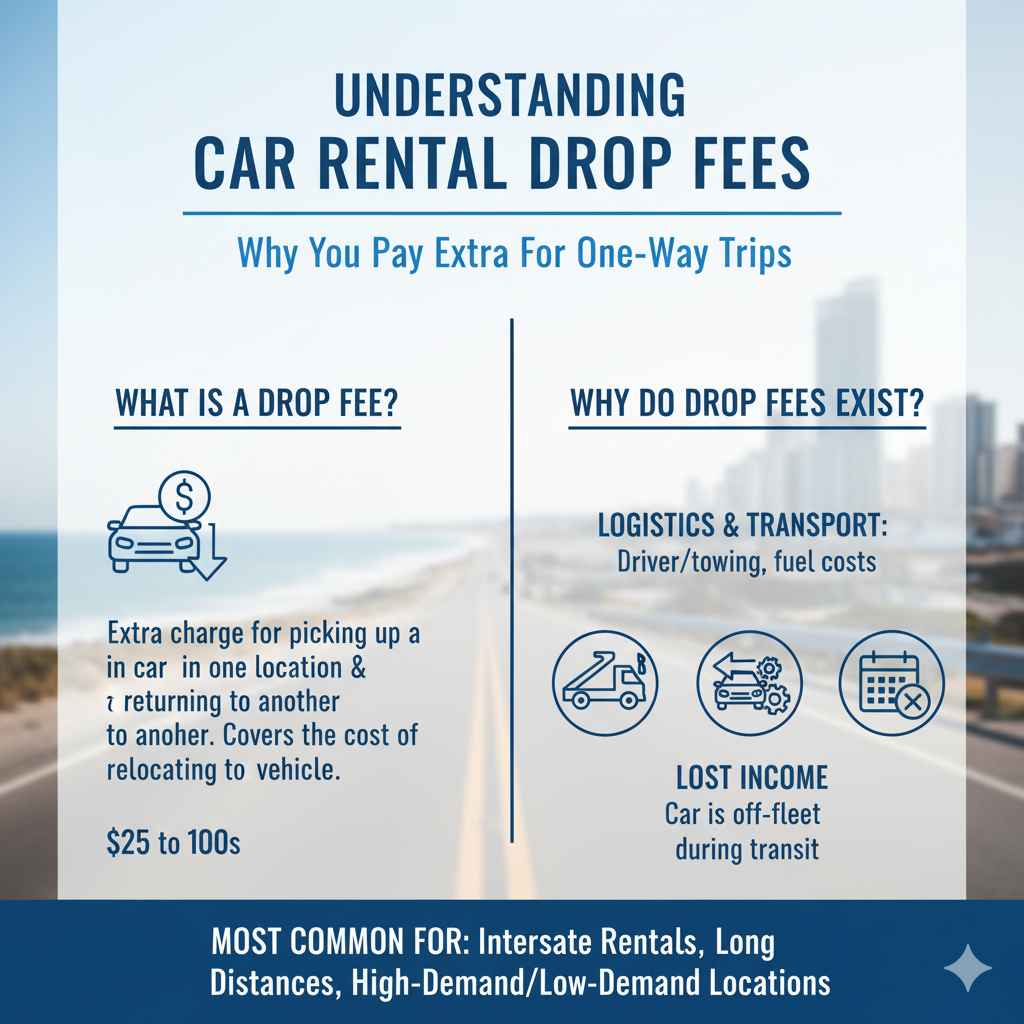
So, what exactly is a drop fee, also known as a one-way fee? Simply put, it’s an extra charge car rental companies add when you pick up a car in one location and return it to a different one. Think of it as a charge to cover the cost of relocating the vehicle back to its original base.
These fees can range anywhere from $25 to several hundred dollars, depending on the distance between locations, the type of car, and the rental company’s policies. For travelers who need to fly into one city and drive home from another, or simply want the flexibility of a one-way journey, these fees can feel like a real bummer and significantly impact your budget.
Why Do Drop Fees Exist?
Car rental companies manage a large fleet of vehicles. They need to ensure their cars are strategically positioned across their locations. When a car is returned to a different branch, the company incurs expenses to move it back. This involves:
- The cost of a driver or towing service to transport the vehicle.
- Fuel costs for the journey.
- Wear and tear on the vehicle during the repositioning drive.
- Loss of potential rental income for the vehicle while it’s in transit.
The drop fee is essentially how they cover these logistical costs and maintain their fleet balance.
When Are Drop Fees Most Common?
Drop fees are almost always applied for:
- Interstate one-way rentals: Renting a car in one state and returning it in another usually comes with a fee.
- Long distances: The farther the distance between pickup and drop-off, the higher the fee tends to be.
- High-demand or low-demand locations: If a company has too many cars in one city and not enough in another, repositioning is costly, leading to higher fees.
Car Rental Companies That Often Don’t Charge Drop Fees (or Offer Waivers)
The good news is that many rental companies understand the need for flexible one-way rentals and have policies to accommodate them. The key is often to keep your rental within the same state. Here’s a look at some major players and their general approaches:
Enterprise Rent-A-Car
Enterprise is frequently cited for its flexible policies, especially regarding in-state rentals. They are well-known for allowing customers to pick up a car in one city and drop it off at another branch within the same state without a drop fee.
- In-State Rentals: Typically free of drop fees. This is their strong suit.
- Out-of-State Rentals: Drop fees are more likely for interstate rentals, but it’s always worth checking specific routes, as they sometimes offer waivers, especially for longer rental periods or during promotional periods.
- Tips: When booking through their website or app, look for “one-way” options. Enterprise often displays whether a drop fee applies.
Hertz
Hertz also has a competitive policy, especially for rentals within the continental United States. While they do have one-way fees, these aren’t always applied universally.
- General Policy: Hertz may charge a one-way fee, but its application can vary. It’s less common for standard rentals within the US than in the past.
- Promotions: Keep an eye out for special offers or limited-time deals where Hertz might waive drop fees to encourage specific vehicle movements.
- CDP Codes: Sometimes, corporate discount codes (CDPs) can include benefits like waived one-way fees.
Avis
Similar to Hertz, Avis’s policy on drop fees can be dependent on the specific rental agreement and locations.
- Variability: Expect fees for long-distance and cross-border rentals, but check individual quotes.
- Loyalty Programs: Members of their loyalty program, Avis Preferred, might occasionally benefit from waived fees or special offers.
- Booking Channels: Fees can sometimes differ depending on whether you book directly through Avis or via a third-party aggregator.
Budget Car Rental
Budget, being part of the Avis Budget Group, shares some similarities in policy but often aims for affordability.
- Cost-Conscious: While drop fees can apply, Budget’s overall pricing is often competitive, making the total cost potentially lower even with a fee.
- In-State Focus: Like Enterprise, they are often more permissive with in-state one-way rentals.
National Car Rental & Alamo Rent A Car
Both National and Alamo are owned by Enterprise Holdings, so they often share similar advantageous policies, particularly regarding in-state rentals.
- Enterprise Holdings Synergy: Expect similar flexibility from National and Alamo when it comes to dropping off a car within the same state.
- Exotic/SUV Rentals: For higher-end vehicles, one-way fees might be more prevalent.
Sixt Rent a Car
Sixt, a prominent European rental company with a growing US presence, can be a good option, but their policies might differ from the US-centric giants.
- International Presence: Their policies might be more geared towards international one-way rentals, which often have fees.
- Promotions: Sixt frequently runs promotions. Always check their deals page or use specific promo codes.
Strategies to Avoid Car Rental Drop Fees
Even if a company doesn’t explicitly advertise “no drop fees,” there are smart strategies you can employ to potentially avoid them or significantly reduce their impact.
1. Stick to In-State Rentals
This is the golden rule. As highlighted with Enterprise and others, most companies are much more flexible if you pick up and drop off your rental car within the same state. If your travel allows, plan your route accordingly.
2. Look for “Location Specific” Deals
Rental companies sometimes have excess inventory in certain locations. To encourage rentals and reposition vehicles, they might offer no-drop-fee deals for specific routes. These are often advertised as “special offers” or “location specials” on their websites.
3. Rent for Longer Durations
Some companies might waive or reduce drop fees for rentals exceeding a certain number of days (e.g., 3 days, 5 days, or a week). The logic is that a longer rental period makes it more worthwhile for them to facilitate the one-way move, even if it means a fee reduction.
4. Be Flexible with Your Car Choice
If you’re flexible on the type of car you need, you might find better deals on one-way rentals. For instance, if a company needs to reposition an economy car, they might offer a no-fee deal for that specific vehicle type on a particular route.
5. Consider Smaller, Local Rental Companies
While major brands usually have standardized policies, smaller, independent rental agencies might be more open to negotiation, especially if you’re renting for a longer period and the pickup/drop-off locations are within their operational area. It’s worth a quick call to inquire.
6. Use a Travel Agent or Aggregator Wisely
While aggregators like Kayak, Priceline, or Expedia are great for comparing prices, they don’t always clearly display drop fees. Always click through to the rental company’s site for the final booking and confirm the terms. A good travel agent, however, can be invaluable as they know these nuances and can often find deals you might miss.
7. Negotiate (Politely!)
If you’re faced with a substantial drop fee and have a compelling reason for the one-way rental (e.g., you’re relocating, or it’s a last-minute booking due to unforeseen circumstances), don’t be afraid to politely ask the rental agent if there’s any flexibility. Sometimes, during off-peak times or specific situations, they might have the authority to waive or reduce the fee. It never hurts to ask!
Comparing One-Way Rental Costs: A Practical Look
To illustrate how drop fees can vary, let’s look at a hypothetical scenario. Imagine you need to rent a standard sedan for 3 days, picking it up in Los Angeles (LAX) and dropping it off in Las Vegas (LAS).
| Rental Company | Estimated Base Rate (3 Days) | Estimated Drop Fee | Total Estimated Cost | Notes |
|---|---|---|---|---|
| Enterprise | $150 | $75 – $150 (Varies by policy at the time) | $225 – $300 | Often more flexible; check specific route promotions. |
| Hertz | $160 | $50 – $100 (Can be waived with certain codes or promotions) | $210 – $260 | Promotions are key; check CDP benefits. |
| Avis | $170 | $70 – $120 | $240 – $290 | Policy can be route-dependent. |
| Budget | $140 | $60 – $110 | $200 – $250 | Competitive overall pricing. |
| Sixt | $155 | $100 – $200 (Can be higher due to international policies) | $255 – $355 | Check for specific US route deals. |
*Please note: These are hypothetical figures for illustrative purposes only. Actual rates and fees vary significantly based on demand, time of year, specific locations, car class, booking duration, and current promotions. Always get an exact quote.
As you can see, even a relatively short distance like LA to Vegas can incur significant drop fees with some companies. However, the range shows that comparison is crucial. Notice how Enterprise’s flexibility within a state might apply differently if your route crosses state lines. Sixt, with its international focus, might have higher fees unless a specific deal is available.
The Importance of Reading the Fine Print
No matter how straightforward a rental seems, always, always read the terms and conditions before you click “book.” Pay close attention to sections detailing:
- One-Way Rentals: This is where drop fees will be explained.
- Geographic Restrictions: Some rentals might be limited to specific states or regions.
- Cross-Border Travel: If you plan to take the car into another country (e.g., Canada from the US), fees and insurance requirements are much more complex.
- Additional Fees: Look out for taxes, airport surcharges, young driver fees, and fuel charges.
A clear understanding of these details will prevent unwelcome surprises when you return the car.
When Are Drop Fees Worth It?
Sometimes, despite the fee, a one-way rental is still the most practical or cost-effective option. Consider these scenarios:
- Saving on Flights: The drop fee might be less than paying for a last-minute flight or the cost of alternative transportation.
- Flexibility and Convenience: If you need the car at your final destination for an extended period, the convenience might outweigh the fee.
- Relocating: Moving cities? A one-way rental can be part of your relocation process, allowing you to carry belongings and travel on your own schedule.
- Special Vehicle Needs: If you need a specific type of vehicle (like a large SUV or a van) that isn’t readily available via public transport or other means, the rental car becomes essential.
In such cases, you’re not just paying for the car; you’re paying for freedom, flexibility, and a tailored travel experience.
Tips for Booking Your One-Way Rental
To make your booking process smoother and more cost-effective:
- Book in Advance: This is especially crucial for one-way rentals, as availability can be limited and prices change rapidly. Booking early often secures better rates and ensures the car you need is available.
- Compare Quotes from Multiple Companies: Don’t settle for the first quote you see. Use comparison sites, but always verify details directly on the rental company’s website.
- Be Flexible with Dates and Times: Sometimes, shifting your pickup or drop-off by a day or even a few hours can significantly impact the price and the presence of a drop fee. Weekends and holidays often have higher rates.
- Check for Loyalty Programs: Signing up for free loyalty programs with major rental companies can provide perks like discounts, upgrades, and sometimes waived fees or special offers.
- Understand Fuel Policies: Most companies offer a “pre-paid fuel” option or require you to return the car with a full tank. Understand which is cheaper for your trip. A common tip is to refuel the car yourself just before returning it to avoid potentially inflated prices charged by the rental company.
- Consider Insurance: Know what insurance coverage you already have (through your personal car insurance, credit card benefits, etc.) before buying extra insurance from the rental company.

Frequently Asked Questions (FAQ)
Q1: Which car rental company is best for one-way rentals without a drop fee?
Enterprise Rent-A-Car is often considered the leader for in-state one-way rentals without a drop fee. However, other major companies like Hertz, Avis, Budget, National, and Alamo also frequently offer no-fee options, especially for in-state rentals or during specific promotions. Always compare quotes and check the fine print.
Q2: Do all one-way car rentals have a drop fee?
No, not all one-way car rentals have a drop fee. In-state rentals are commonly exempt from drop fees with many companies. Additionally, rental companies may waive fees to reposition vehicles or during special promotional periods. Cross-state and long-distance rentals are more likely to incur a fee.
Q3: How can I find out if a specific one-way rental will have a drop fee?
The best way is to get a direct quote from the rental company’s official website. When you enter your pickup and drop-off locations, the system will usually display the total cost, including any applicable one-way fees. You can also call the rental company directly to inquire about specific routes.
Q4: Can I avoid a drop fee by returning the car to a different branch in the same city?
Usually, yes. If you are returning the car to a different branch within the same metropolitan area or city, drop fees are rarely applied, assuming both branches are operated by the same company. This is typically considered a standard return.
Q5: Are drop fees different based on the type of car?
Yes, drop fees can sometimes vary based on the car class. Rental companies might have more flexibility with standard sedans or economy cars that are in high demand everywhere. For specialty vehicles, luxury cars, or large SUVs, drop fees might be higher or more consistently applied.
Q6: Do credit card companies offer any benefits for car rentals, like waived drop fees?
Some premium credit cards offer rental car insurance, but they generally do not cover or waive the rental company’s specific fees like drop-off charges. Always check the terms of your credit card benefits, as they usually cover damage to the rental vehicle, not the rental company’s operational charges.
Q7: Is booking through a third-party travel site better for avoiding drop fees?
Not necessarily. While third-party sites are great for comparing base rates, they don’t always clearly display the drop fee, or they might include it without distinction. It’s crucial to click through to the rental company’s own website to confirm the final quote and understand all charges, including drop fees.