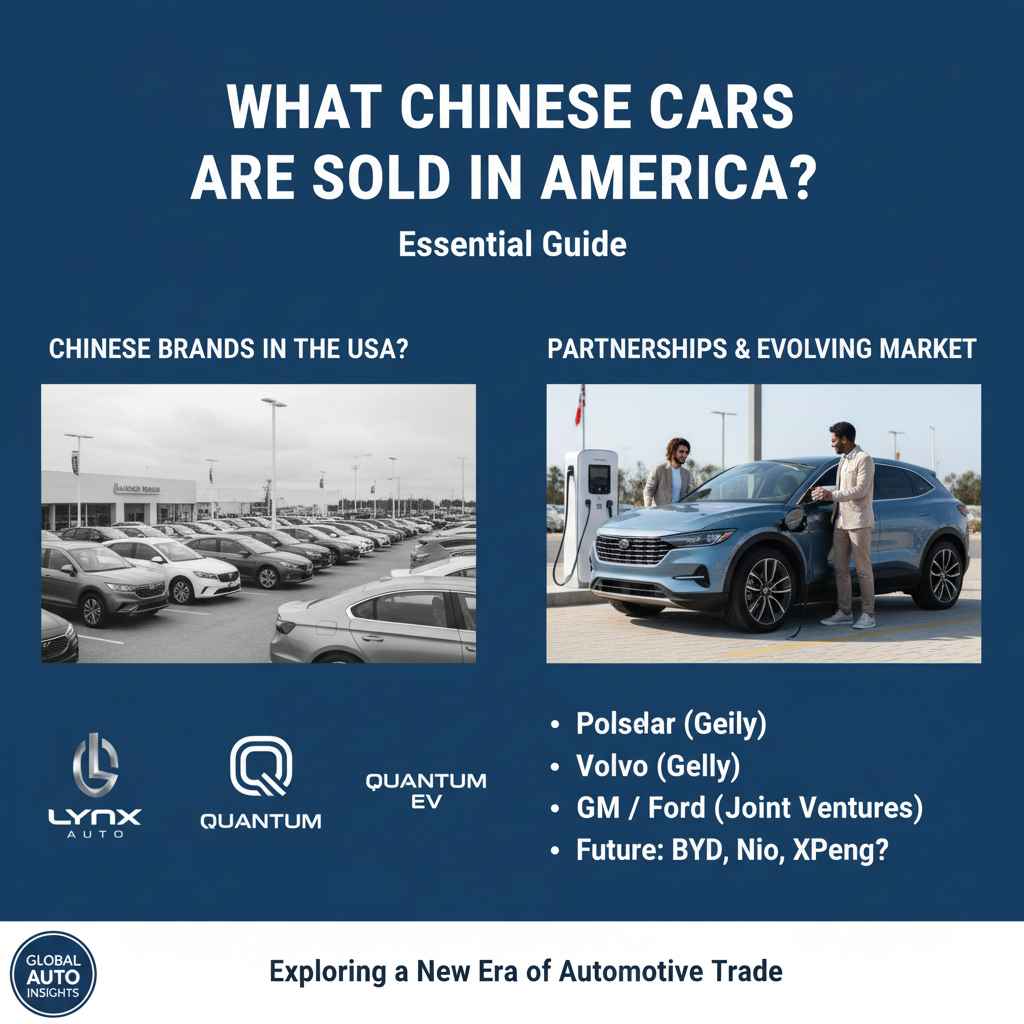
What Chinese Cars Are Sold In America: Essential Guide
As of now, very few exclusively Chinese-branded cars are directly sold in the US. However, brands like Volvo and Polestar, which are owned by Chinese companies, are readily available. Keep an eye out for emerging brands like BYD, which plans to enter the US market soon, and explore used options from brands that previously made attempts.
Ever driven past a car and wondered, “Where is that made?” It’s a common thought, especially with cars from different countries appearing on our roads. You might be curious about Chinese cars in America. For a while, it felt like a mystery, with many people asking, “What Chinese cars are sold in America?” Many drivers want to know if there are Chinese car brands you can buy here, just like you can find Japanese or German ones.
It can be confusing because business ownership can be tricky. Some brands you know very well are actually owned by Chinese companies, even if they don’t feel “Chinese” to you. This guide will clear up all your questions. We’ll break down exactly which car brands with Chinese origins or ownership you can find in the United States, making it simple and easy to understand.
The Evolving Landscape of Chinese Cars in America
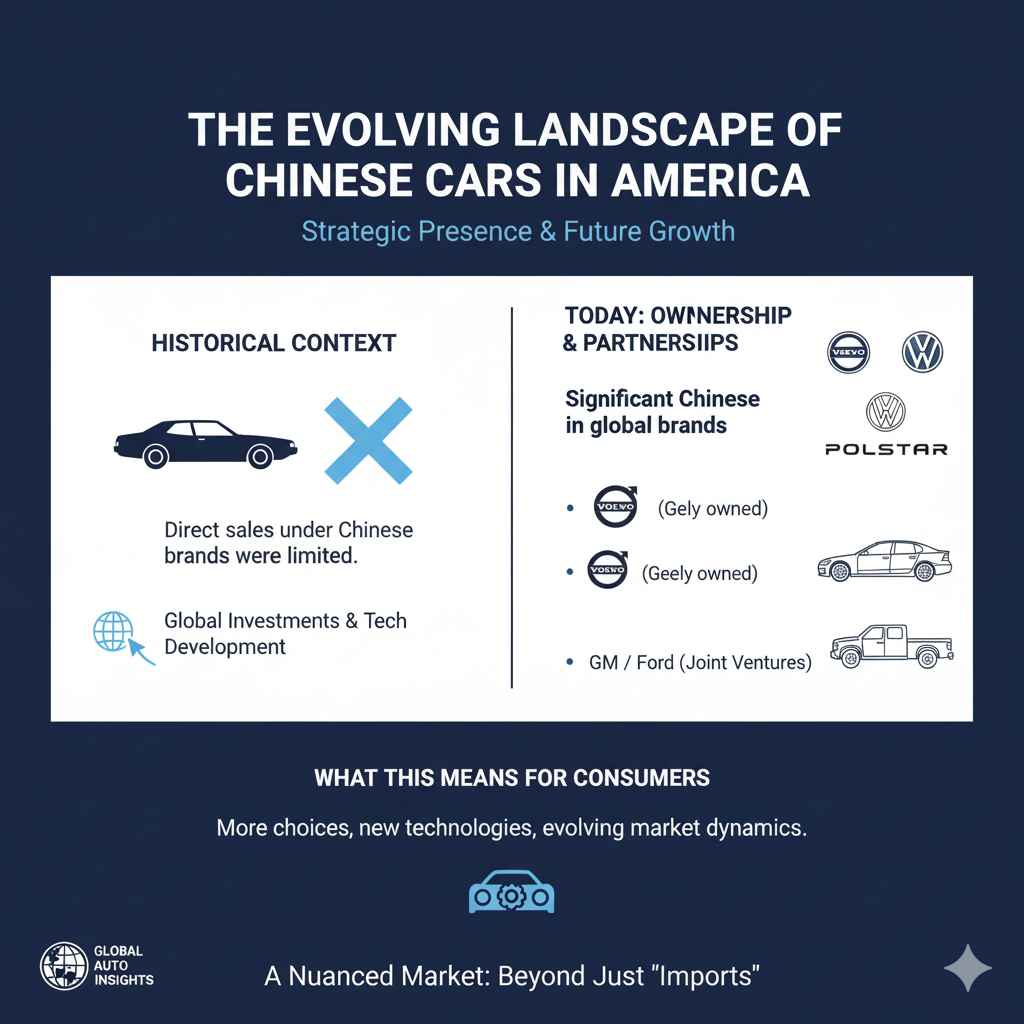
The presence of Chinese car brands in the American market has been a gradual development, marked by strategic acquisitions and future expansion plans rather than a sudden influx. Understanding this evolution helps clarify which Chinese-affiliated vehicles you might encounter today.
For a long time, the direct sale of cars from Chinese automotive manufacturers under their own brand names in the U.S. was limited. However, the automotive world is constantly changing. Companies are buying and selling brands, and new players are entering markets all the time. This means the answer to “What Chinese cars are sold in America?” isn’t a simple “none” or “many,” but rather a nuanced look at ownership and future intentions.
Chinese automotive companies have been investing heavily in global brands and developing their own technologies. This has led to a situation where you might be driving a car with significant Chinese ownership without even realizing it. We’ll explore these brands and what they offer.
Understanding Chinese Automotive Ownership in the US
When we talk about “Chinese cars” in the U.S., it’s important to understand that it often refers to brands that are owned by Chinese companies, even if they have a long history and manufacturing base elsewhere. Geely Holding Group and SAIC Motor are two major players that have significantly expanded their global reach through acquisitions and investments.
These acquisitions allow Chinese companies to leverage existing brand recognition, established manufacturing processes, and dealer networks in markets like the United States. For consumers, this can mean access to a wider range of vehicle options, sometimes at competitive price points.
It’s not just about new companies starting from scratch; it’s also about established international brands becoming part of a larger Chinese automotive group. Let’s look at the specific brands you’ll find that fit this description.
Brands with Chinese Ownership You Can Buy Today
While direct Chinese brands selling cars under their native names are scarce, several prominent automakers operating in the U.S. are owned by Chinese corporations. These brands maintain their identity, engineering, and often their manufacturing locations, but their ultimate parent company is Chinese.
Volvo Cars
Volvo, the renowned Swedish automaker famous for its safety and luxury, has been owned by Geely Holding Group since 2010. Geely is one of China’s largest private automakers. Despite the ownership change, Volvo continues to design and engineer its vehicles primarily in Sweden and manufacture them in various global locations, including the United States (South Carolina) and China.
Volvo vehicles sold in the U.S. are known for their premium features, advanced safety technology, and comfortable interiors. They offer a range of SUVs, sedans, and wagons, with a strong focus on electrification through their Recharge (plug-in hybrid and pure electric) models.
When you see a Volvo on the road, you’re looking at a car with deep Swedish heritage, but its financial backing and ultimate ownership now reside with Geely.
Polestar
Polestar started as the performance division of Volvo but has since spun off into its own electric performance car brand. It is a joint venture between Volvo Cars and Geely Holding Group. Polestar leverages Volvo’s engineering expertise and safety standards while focusing exclusively on high-performance electric vehicles.
Polestar vehicles offer sleek, minimalist designs and exhilarating driving dynamics. They aim to compete directly with other premium electric vehicle manufacturers. Currently, the Polestar 2, a fastback sedan, is available in the U.S., with plans for more models.
Its close ties to Volvo mean that Polestar benefits from established manufacturing and distribution channels, making its expansion into the American market smoother.
Lotus (Shared Ownership)
While primarily known as a British sports car manufacturer, Geely Holding Group acquired a 51% stake in Lotus in 2017. Lotus focuses on lightweight, high-performance sports cars and has recently expanded into luxury SUVs with its Eletre model. Though Lotus is not yet widely sold in the United States under its new ownership, it represents another significant investment by a Chinese company in a well-established automotive brand.
The Eletre, an all-electric hyper-SUV, signals Lotus’s ambition to capture new market segments. Its future availability and positioning in the U.S. market will be interesting to watch, as it aims to blend its performance heritage with modern electric technology.
Upcoming Chinese Brands and Market Entry
The landscape is not static. Several Chinese automakers have ambitions to enter or expand their presence in the U.S. market. BYD (Build Your Dreams) is perhaps the most talked-about.
BYD (Build Your Dreams)
BYD is a giant in the electric vehicle (EV) and battery manufacturing sectors, not just in China but globally. They have already started selling their electric vehicles in various international markets, including parts of Europe and Latin America. While BYD hasn’t officially launched its passenger car sales in the mainland U.S. yet, they have been testing the waters by:
- Selling Electric Buses: BYD has been a significant player in selling electric buses to U.S. cities and transit authorities for years. This gives them a tangible presence and understanding of the American market and regulatory environment.
- Introducing Electric Forklifts and Trucks: They also offer industrial electric vehicles, further establishing routes and customer relationships.
- Announcing Plans for Passenger Vehicles: BYD has publicly stated its intention to bring its passenger EVs to the U.S. market. The focus is expected to be on models that offer competitive range, technology, and pricing.
The entry of BYD into the U.S. passenger car market could be a significant event, potentially increasing competition and offering more choices in the rapidly growing EV segment. Keep an eye on BYD; their approach is likely to be strategic and phased.
NIO, XPeng, and Others
Other Chinese EV manufacturers like NIO and XPeng have also expressed interest in the U.S. market. These companies are known for their innovative technologies, advanced driver-assistance systems, and stylish designs. However, entering the U.S. involves significant hurdles, including:
- Regulatory Compliance: Meeting U.S. safety and environmental standards is a complex and expensive process.
- Establishing a Dealer Network: Building a reliable service and sales infrastructure across the country requires substantial investment.
- Brand Perception: Overcoming potential consumer skepticism about new, unfamiliar brands is a challenge.
While these brands might not be readily available at dealerships today, their global ambitions mean they are worth watching. Their entry, if it happens, would further diversify the choices available to American consumers.
Previous Attempts and Used Market Options
In the past, there have been attempts by Chinese automakers to enter the U.S. market directly. Some of these attempts didn’t gain significant traction, leading to limited availability of their vehicles. However, this doesn’t mean you can’t find these cars on the used market.
American Electric Vehicle (AEV) / Zotye
Years ago, there was talk and even some limited distribution of vehicles from companies like Zotye USA (selling under the American Electric Vehicle or AEV brand). These were often small, affordable SUVs. However, regulatory issues, product quality concerns, and a lack of solid distribution meant they never truly established a foothold.
If you come across an AEV or Zotye vehicle, it’s crucial to consider the availability of parts and service. Finding qualified mechanics and replacement parts for models that had a very limited run can be challenging.
Potential Pitfalls of Less Common Brands
When considering any vehicle, especially one that hadn’t had a widespread launch in the U.S., always think about:
- Warranty Coverage: Is there a valid warranty, and who backs it?
- Parts Availability: Can you easily find replacement parts?
- Service and Repair: Are there authorized service centers, or will you need to find independent specialists?
For most drivers, sticking to brands with established networks and long-term presence in the U.S., like Volvo and Polestar, is often the most practical choice for reliability and ease of ownership.
What Chinese Cars Are Sold In America: Key Takeaways
So, to directly answer “What Chinese cars are sold in America?”, the most straightforward answer today involves brands that are part of larger Chinese automotive groups:
- Volvo: A Swedish brand under Geely ownership, known for safety and luxury. Available now.
- Polestar: An electric performance brand, a joint venture of Volvo and Geely. Available now.
While you won’t find cars branded as “BYD,” “NIO,” or “XPeng” at American dealerships yet, these companies are poised to enter the market, especially BYD. Their arrival could significantly change the automotive landscape, particularly in the electric vehicle sector.
The key is to look beyond the badge and understand the ownership. What might appear as a European or American car could have significant Chinese investment and strategic direction.
Table: Chinese-Owned Brands Available in the US
Here’s a quick look at the brands with Chinese ownership that you can reliably purchase in the United States:
| Brand | Origin of Brand | Chinese Parent Company | Vehicle Types Available in US | Key Characteristics |
|---|---|---|---|---|
| Volvo | Sweden | Geely Holding Group | SUVs, Sedans, Wagons (including plug-in hybrids and EVs) | Safety-focused, premium, comfortable, strong electrification push |
| Polestar | Sweden (performance brand) | Volvo Cars (Joint Venture with Geely) | Electric Sedans/Fastbacks (EVs) | Performance-oriented EVs, minimalist design, sustainable focus |
Table: Chinese Brands with Future U.S. Market Plans
These brands are not yet widely sold for passenger vehicles in the U.S. but are expected to enter or expand their presence:
| Brand | Country of Origin | Key Models/Focus | Current U.S. Presence | Future U.S. Plans |
|---|---|---|---|---|
| BYD (Build Your Dreams) | China | Electric Sedans, SUVs, Trucks (including Blade Battery technology) | Electric Buses, Trucks | Upcoming launch of passenger EVs |
| NIO | China | Premium Electric SUVs and Sedans (known for battery swapping technology) | None (as of now) | Exploratory and potential future market entry |
| XPeng | China | Smart EVs with advanced driver-assistance systems | None (as of now) | Exploratory and potential future market entry |
The Future of Chinese Carmakers in America
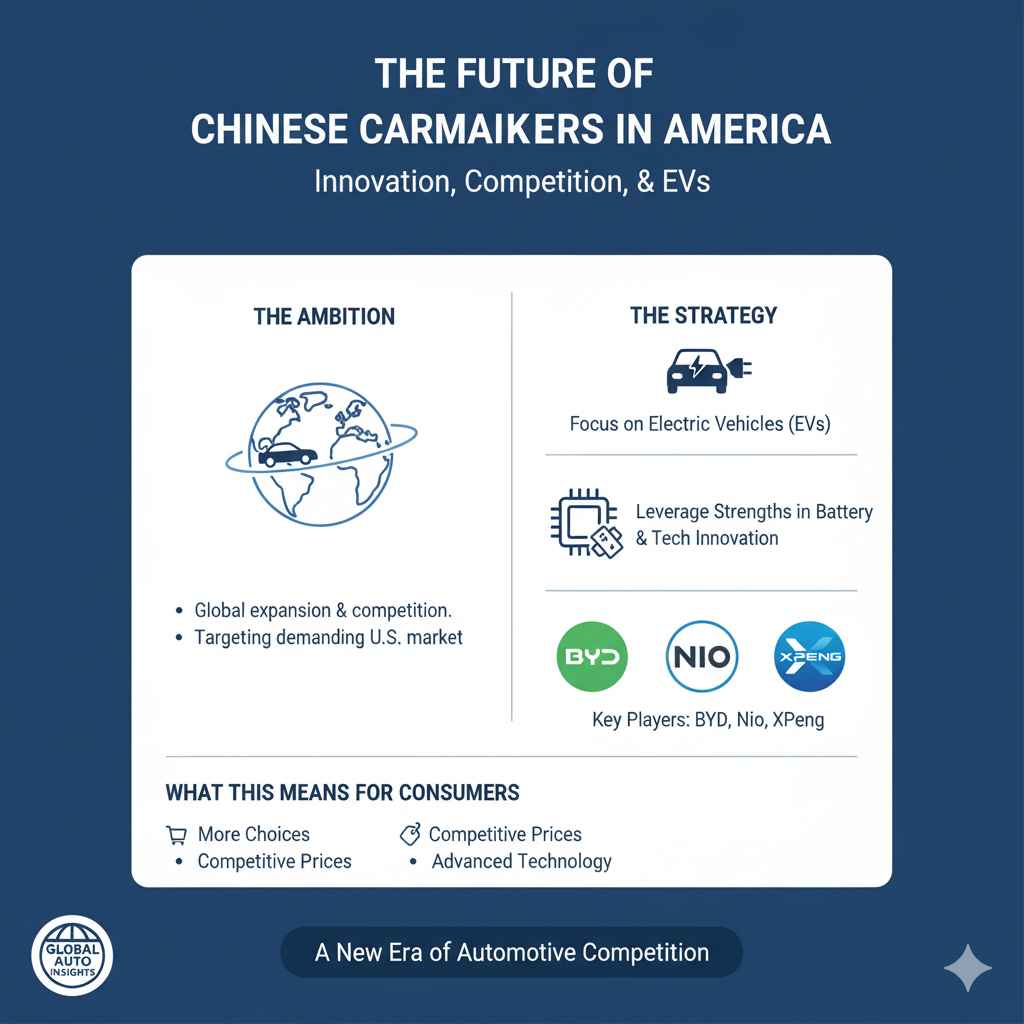
The automotive industry is a global marketplace. As Chinese automakers grow and innovate, their ambition to compete on the world stage, including in the demanding U.S. market, is clear. Companies like BYD are already making serious inroads with their advanced battery technology and diverse EV lineups.
Their strategy often involves focusing on electric vehicles, where they can leverage their strengths in battery production and innovation. This aligns perfectly with the increasing demand for EVs in the U.S.
For consumers, this means more choices, potentially at more competitive price points, and a greater variety of technological features. It’s an exciting time to follow the automotive industry. As these brands establish themselves, we can expect to see significant shifts in market dynamics and consumer preferences.
Frequently Asked Questions (FAQ)
Are there any Chinese car brands you can buy in the US right now?
Yes, but not directly with Chinese brand names. Brands like Volvo and Polestar, which are owned by Chinese companies (Geely and Volvo/Geely respectively), are widely available for purchase in the U.S.
Is Volvo a Chinese car?
Volvo is a Swedish brand with a long history. However, it has been owned by the Chinese company Geely Holding Group since 2010. Volvo vehicles sold in the U.S. are designed and engineered with Swedish input and often manufactured in plants globally, including the U.S.
Will BYD sell cars in the United States?
BYD has publicly stated its intention to sell its passenger electric vehicles in the U.S. While they currently sell electric buses and trucks here, the launch of their car lineup is anticipated, though a specific timeline hasn’t been announced.
Are Chinese cars safe?
Safety standards vary by manufacturer and model. Brands like Volvo and Polestar, which are owned by Chinese companies but maintain European engineering and design standards, have excellent safety ratings. Any new brand entering the U.S. must meet strict Federal Motor Vehicle Safety Standards (FMVSS) imposed by the National Highway Traffic Safety Administration (NHTSA).
What about the quality of Chinese cars?
Quality is a broad spectrum. Established brands like Volvo, now under Chinese ownership, continue to uphold high quality. Emerging Chinese brands are investing heavily in research and development, aiming to produce competitive vehicles. Early adopters of new brands should research reliability reports from reputable sources as they become available.
Are there any Chinese electric car brands entering the US soon?
Yes, BYD is the most prominent example expected to launch passenger EVs. Other Chinese EV makers like NIO and XPeng have expressed interest and are exploring market entry, though specific launch dates are unconfirmed.
What should I consider if I wanted to buy a car from a newer Chinese brand?
You should research warranty coverage, parts availability, and the dealer/service network. Understanding after-sales support is crucial, especially for brands that are new to the market. Look for independent reviews and owner feedback once the vehicles are available.
Conclusion
Navigating the international automotive market can feel complex, especially when ownership structures change. When asking “What Chinese cars are sold in America?”, the answer today largely points to established European brands like Volvo and Polestar, which are owned by Chinese corporations. These vehicles offer the quality, safety, and features you’d expect from their heritage, now backed by global automotive giants.
Looking ahead, the U.S. market is poised to see more direct entries from Chinese automakers, particularly in the burgeoning electric vehicle sector. Brands like BYD are expected to offer compelling alternatives, further diversifying the choices available to consumers. As always, whether you’re looking at a familiar European badge or an exciting new entrant, doing your research on safety, reliability, and long-term support is key to making a smart car-buying decision. The automotive world is always evolving, and understanding these changes helps you stay informed as a driver and owner.