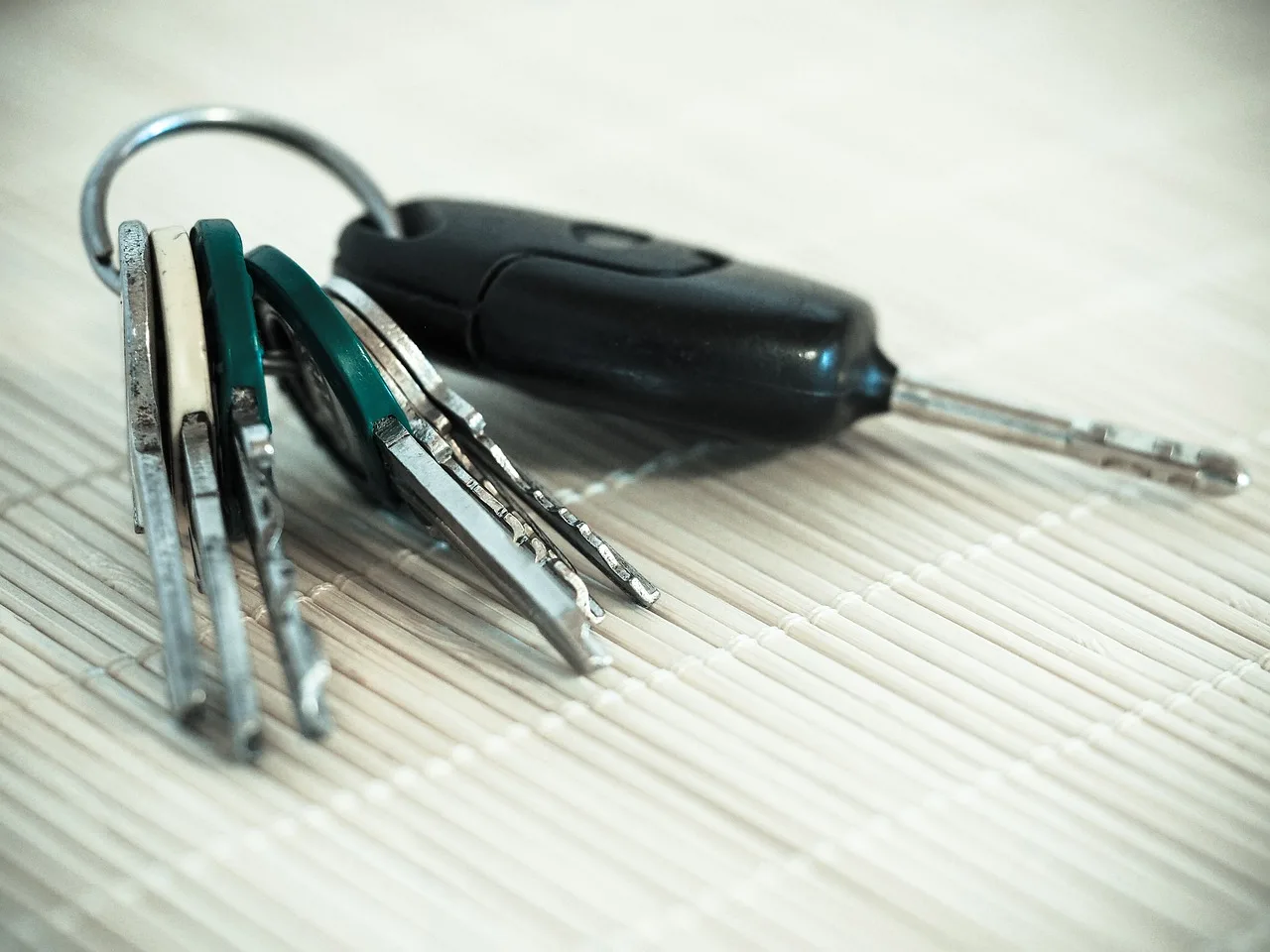
Why Wrap Car Keys in Foil at Night? Security Guide
Wrapping a keyless-entry fob in foil can block its signal and may reduce relay-attack risk, but it is still a stopgap rather than a lasting security fix. If the wrap leaks or the foil tears, thieves can still extend the signal and take the car. This guide explains when foil helps, when it fails, and the better low-cost options.
Why wrap car keys in foil at night?


Because a key fob sends a wireless signal, and many keyless cars are built to detect that signal automatically. Putting the fob in foil overnight aims to keep that signal from leaving the house, which can reduce relay-attack exposure while the car sits parked. It is a short-term move for specific risk cases, not a blanket habit.
The short answer for keyless-entry drivers
If your car opens and starts when the fob is simply nearby, signal blocking can matter. A wrapped fob stored away from doors and windows is harder for thieves to detect and relay. That matters most overnight, when the car is unattended and the fob is often left on a table, counter, or hook near the front door.
What foil can and cannot do overnight
Foil can block or weaken radio communication, but only if coverage is complete and the wrap is tight. It does not stop every theft method, and it is not as durable as a purpose-built pouch or box. If the foil is loose, torn, or incomplete, protection falls off fast.
Say your fob sits in a bowl just inside the front door of a townhouse. A relay thief only needs the fob’s wireless response to travel outward. A tight foil wrap can reduce that risk for the night, but a thin, crumpled layer with open seams can leave the signal usable.
How key fobs and relay attacks work
Modern key fobs can lock, open, and start a car. The key fob sends a signal to the car, and the keyless entry system relies on the fob being detected nearby. Many of these systems keep the signals always on, which is convenient for drivers and useful for thieves.
Why the fob signal matters
That wireless communication is the point of attack. If the car accepts the fob’s response at a distance, an intruder does not need the actual key. They only need to make the vehicle think the fob is close enough to authorize access or ignition.
How thieves extend the signal from near your house to your car
A relay attack uses two devices. One is placed near the house to pick up the fob signal. The other sends that signal to the car. If the car thinks the fob is beside it, the doors may open, or the engine may start.
Where RFID fits in modern keyless systems
RFID means radio frequency identification. In this context, it is part of the wireless technology used by modern fobs and security systems. Because the signal can be copied or hijacked, signal protection matters when the fob is stored close to exterior walls, doors, or windows.

Does aluminum foil really block car key signals?

Aluminum foil can block or weaken car key signals in some cases, and it is sometimes compared to a basic Faraday cage. But the result depends on thickness, wrapping tightness, and complete coverage. One torn corner or a loose fold can be enough to let some signal escape.
Why complete coverage and tight wrapping matter
Signal blocking generally works best when the fob is fully enclosed and there are no gaps. The foil has to wrap every side, including the seams and corners. Pressure matters too, because a loose shell can leave channels where radio communication still leaks through.
Where foil fails: gaps, thin layers, and tears
Foil tears easily, and daily handling makes that worse. A single thin layer is generally less protective than a thicker wrap, and a partial wrap can leave weak spots. If the fob can still talk to the car after wrapping, the method is not doing its job.
A common first-timer mistake is folding foil around the fob like a gift, then tucking the top closed loosely. That looks covered, but the seam may leak enough signal for a relay device to work. The wrap needs to be complete, snug, and checked before anyone trusts it.
Use this simple signal-block test before you rely on foil
Before relying on foil, confirm that it actually blocks the fob signal. A quick test is better than assuming a wrap works because it looks thick enough. If the car still reacts normally, the foil is not giving meaningful protection.
- Wrap the fob completely. Cover every side with foil and press the edges flat so the package stays tight.
- Test lock, open, and start functions from outside the wrap. Stand by the car and try the fob. If the car still responds normally, the wrap may be leaking.
- Re-test after handling and storage. Check again after carrying the wrapped fob in a pocket or bag, because foil can tear or open at the seams.
What a failed test looks like
If the car locks, opens, or starts normally while the fob is wrapped, treat that as a failure. Do not assume “mostly blocked” is good enough. For relay risk, partial blocking can still leave enough usable signal for a thief to work with.
Foil failure checklist: common mistakes that let signals out
Most foil problems come from simple handling and coverage errors, not from the idea itself. If the wrap is loose, thin, torn, or stored badly, the fob may still communicate. Use this checklist before depending on foil for the night.
- Loose wrap with open seams
- Single thin layer only
- Missed corners or folded edges
- Torn foil after daily use
- Wrapped fob stored next to other devices or metal objects
Why storage location still matters
Even a blocked fob is better off stored away from doors and windows. That adds distance and makes relay theft harder. If the key sits right beside an exterior wall, a weak wrap and a strong relay device can become a bad combination.
Is wrapping my key fob in foil a good anti-theft method?
It is a good emergency method, not a best-in-class one. For overnight use, foil can be cheap and quick, and it may cut off the signal enough to lower relay exposure. For daily carry, repeated reuse, or long-term storage, a purpose-built signal blocker is usually the better answer.
Pros and cons of using foil on keys
| Option | Main advantage | Main drawback | Best use |
|---|---|---|---|
| Aluminum foil | Cheap and available at home | Tears easily and needs replacement | Short-term overnight use |
| Faraday pouch | Made for signal blocking | Costs more than foil | Daily carry and repeated use |
| Faraday box | Easy home storage for multiple keys | Takes up more space | Keeping keys off counters and entry tables |
When foil makes sense and when it does not
Foil makes sense if you need something tonight and do not yet have a pouch or box. It does not make sense as a decorative layer or as a stand-in for real security habits. If the key is handled every day, the foil will wear out quickly.
What are better alternatives to foil for car keys?
A Faraday pouch is usually the better low-cost choice because it is built for signal blocking and is more durable than foil. A Faraday box is useful at home, especially if you want a fixed place to drop the fob at night. Both are more practical than rebuilding foil every day.
Durability and reuse
Foil is fragile. Once it tears or loosens, you replace it. A Faraday pouch handles repeated opening and closing far better, and it is easier to carry without rebuilding the barrier each night. That makes it more realistic for everyday life.
Convenience for nightly storage
If your routine is “keys on the kitchen counter, leave in the morning,” a pouch or box is cleaner and more reliable. You close it once, check that the vehicle does not respond, and move on. Foil requires more attention every time the wrap is reused.
What better everyday protection looks like
For many drivers, the strongest routine is simple: store the fob in a signal-blocking pouch or box, keep it away from doors and windows, and use another theft deterrent for the vehicle itself. Signal blocking is only one part of the job.
How tightly do car keys need to be wrapped in foil?
Very tightly. The fob should be completely enclosed, with no exposed edges or obvious gaps. A loose or partial wrap can leak enough radio communication to defeat the point, especially against relay devices built to catch weak signals.
What tight wrapping means in practice
Press the foil snugly around the fob so the shape is held firmly and the seams are flattened. If the wrap springs open, crinkles into a gap, or leaves a corner uncovered, it is not tight enough for trust. The goal is full coverage, not neat appearance.
Why thickness matters
Thickness matters because one thin layer can be fragile and inconsistent. The sourced guidance for foil points to thickness and wrapping tightness as key factors. More material can help, but only if the coverage stays complete and the foil does not rip at the folds.
Can foil damage a key fob or stop the car from starting?
Foil usually does not damage the fob by itself, but it can cause confusion. If you try to start the car while the fob is still wrapped, the car may not detect it. That is the point of signal blocking, but it also means the wrap has to be removed before use.
What can go wrong during daily use
If the fob stays in foil when you need it, the car may refuse to open or start. That is not damage. It is the shield doing its job. The practical problem is human error: forgetting to unwrap the key, or letting a torn wrap fail without noticing.
Why replacement matters
Foil tears easily. Once the wrap gets thin, creased, or split, the protection drops. A damaged wrap should be replaced, not patched casually, because a patch can leave weak spots and false confidence.
What is the best overnight anti-theft routine for keyless cars?
The best overnight routine is to store the fob away from doors and windows, use signal blocking only if your car is vulnerable, and add another deterrent such as a steering-wheel lock or garage storage. Foil can fit into that routine, but it should not be the only defense.
Who should consider signal blocking most
Drivers with keyless cars parked on driveways, near street access, or close to a front door should think about signal blocking first. The same is true if the fob sits near the entryway overnight. If the vehicle is kept in a locked garage with the key stored far inside the home, the urgency may be lower.
Who may not need foil as a nightly habit
If the car is parked well away from the home, the fob is already stored in a signal-blocking box, or the vehicle uses another anti-theft setup, foil may be unnecessary. A simple routine is enough for many owners; the right answer depends on the parking setup, not panic.
Simple overnight anti-theft checklist
- Put the fob in a signal-blocking pouch, box, or tight foil wrap.
- Store the key away from doors and windows.
- Run the 3-step signal-block test before trusting the wrap.
- Use an extra deterrent such as a steering-wheel lock if the car is a known target.
- Check the wrap again after a few days of handling for tears or loose seams.
Frequently asked questions
Why wrap car keys in foil at night?
People wrap key fobs in foil at night to block the wireless signal that keyless cars use. The aim is to reduce exposure to relay attacks while the car is parked. It is a temporary, low-cost step, not a full anti-theft plan on its own.
Does aluminum foil really block car key signals?
It can, but only if the fob is fully enclosed and the wrap is tight. Thin, loose, or torn foil may let enough signal through for a thief to use. That is why testing the wrapped fob matters before relying on it.
What is a relay attack on a key fob?
A relay attack uses two devices. One sits near the house to capture the fob signal, and the other passes that signal to the car. The vehicle thinks the fob is nearby and may open or start, even though the key is inside the home.
Is wrapping my key fob in foil a good anti-theft method?
It is a decent last-resort method for overnight storage if you do not yet have a Faraday pouch or box. It is not ideal for daily carry because foil tears easily and needs frequent replacement. Better options exist for routine use.
What are better alternatives to foil for car keys?
A Faraday pouch or Faraday box is usually better than foil. Both are made for signal blocking and are more durable, more convenient, and easier to trust over time. They also avoid the repeated rewrapping problem that foil creates.
How do I know if my key fob is vulnerable to theft?
If your car is keyless, the fob communicates wirelessly, and the vehicle opens or starts when the fob is nearby, there is relay risk. If the fob sits close to doors or windows overnight, the exposure is higher. A quick signal-block test can show whether the fob is actually protected.
Products related to this article
Sponsored / affiliate links. As an Amazon Associate I earn from qualifying purchases. I may earn additional commission from eligible campaigns.