What Connects the Tire to the Car: Essential Parts Explained
Have you ever wondered what actually connects your tire to your car? It might seem simple, but this connection is crucial for your safety and driving experience.
Understanding this link helps you appreciate how your car moves, steers, and stays stable on the road. You’ll discover the key parts that join your tire to your vehicle and why they matter to you every time you drive. Keep reading to unlock the secrets behind this vital connection and learn how it affects your ride.
Tire And Wheel Basics
The connection between a tire and a car starts with understanding the basics of tires and wheels. Tires and wheels work as a team. They carry the car’s weight and help it move safely. Knowing their parts helps you see how they fit together.
Tire Components
A tire has several key parts. The tread is the outer layer that touches the road. It provides grip and traction. Inside, the sidewall protects the tire’s shape. The bead keeps the tire sealed to the wheel. These parts work to keep the tire strong and flexible.
Wheel Structure
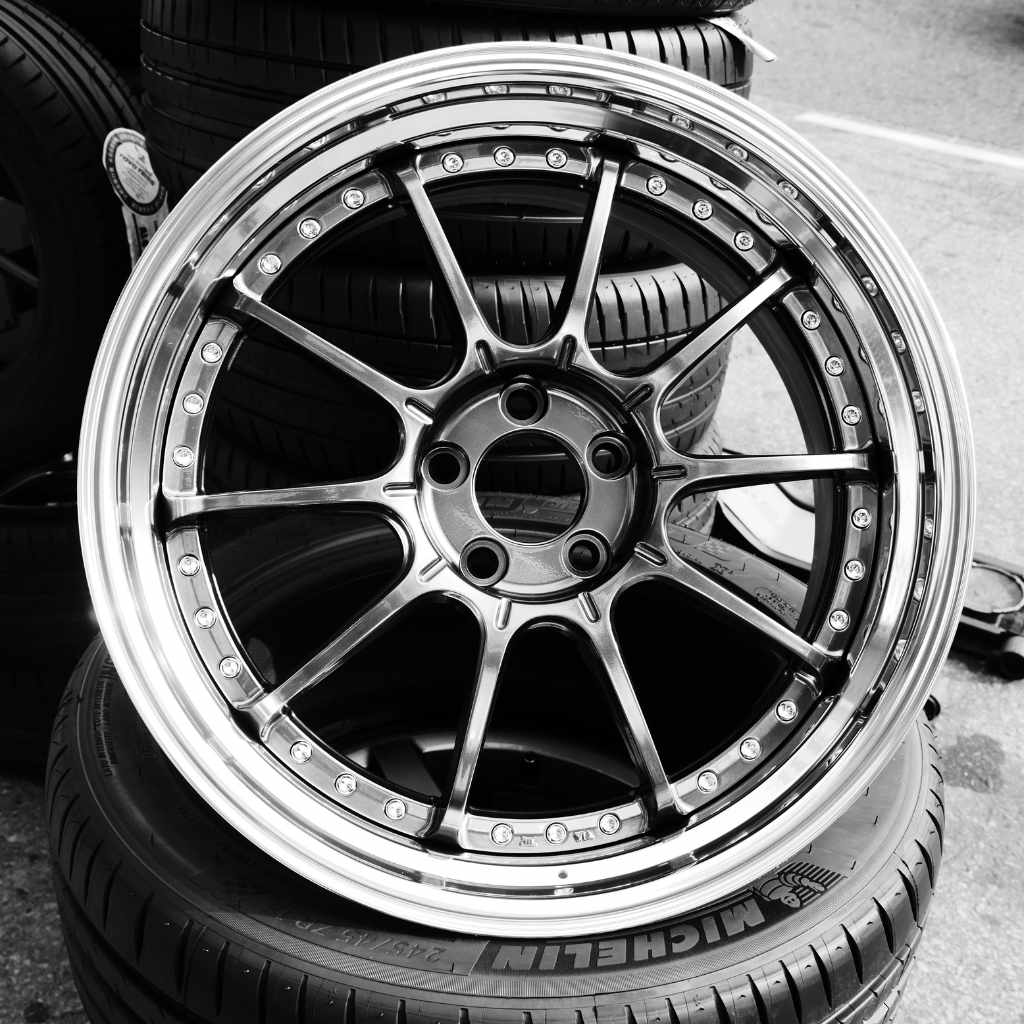
The wheel is the metal part that holds the tire. It has a rim where the tire sits. The center has holes for the car’s bolts. The spokes connect the rim to the center. Wheels need to be strong to support the car and handle road forces.
How Tires Attach To Wheels
The tire attaches to the wheel at the rim. The tire bead fits tightly against the rim edge. Air pressure inside the tire pushes the bead to seal it. This seal keeps the tire in place. The wheel bolts then fix the wheel to the car’s hub securely.
Role Of The Hub Assembly
The hub assembly is a key part of the car’s wheel system. It connects the tire to the car’s axle. This connection allows the wheel to spin smoothly and stay attached to the vehicle.
The hub assembly supports the wheel and helps it turn with minimal friction. It also holds the wheel in the right position. Without the hub assembly, the tire cannot function properly.
Hub Function
The hub holds the wheel and tire firmly in place. It acts as a central point where the wheel attaches to the car. The hub also helps transfer the car’s power to the wheels. This lets the car move forward or backward.
Wheel Bearings
Wheel bearings sit inside the hub assembly. They allow the wheel to spin freely without much friction. Bearings support the wheel’s weight and reduce wear on the parts. Good bearings ensure a smooth and quiet ride.
Hub And Axle Connection
The hub connects tightly to the axle. This link transfers power from the engine to the wheels. It also keeps the wheel stable while driving. A strong hub and axle connection is vital for safety and control.
Credit: yeckstireandauto.com
Lug Nuts And Bolts
Lug nuts and bolts play a key role in connecting the tire to the car. They hold the wheel tightly against the hub. Without them, the wheel cannot stay on the vehicle safely. These small parts carry a lot of responsibility during driving.
Each lug nut or bolt fits into the wheel and hub holes. They keep the wheel from moving or wobbling. Proper use of lug nuts and bolts helps avoid accidents and damage to the car.
Purpose Of Lug Nuts
Lug nuts keep the wheel securely attached to the car. They create a strong grip between the wheel and the hub. This grip stops the wheel from slipping or falling off.
They also help in distributing the car’s weight evenly. This balance improves the car’s stability and handling. Lug nuts make sure the wheel stays in place during turns and bumps.
Types Of Lug Nuts
Different cars use different types of lug nuts. Some common types include conical, ball seat, and mag nuts. Each type fits a specific wheel design.
Conical lug nuts have a cone shape that fits into the wheel’s hole. Ball seat nuts have a rounded shape. Mag nuts are flat and often used on magnesium wheels.
Proper Torque And Safety
Using the right torque on lug nuts is very important. Too loose nuts can cause the wheel to wobble or come off. Too tight nuts can damage the bolts or wheel.
Always use a torque wrench to tighten lug nuts. Follow the car manufacturer’s torque settings. Checking lug nuts regularly helps keep the car safe on the road.
Suspension Link To The Tire
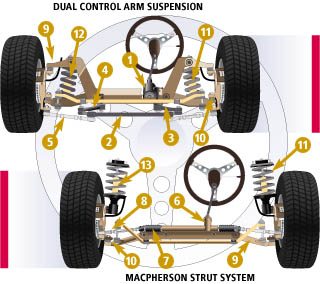
The suspension links the tire to the car’s frame and controls its movement. It keeps the tire steady and absorbs bumps on the road. This system helps the car stay balanced and smooth during drives. Each part of the suspension plays a key role in tire connection and control.
Understanding these parts helps you see how tires move and respond to the road. The suspension not only supports the tire but also guides its direction and keeps it firm on the ground.
Control Arms
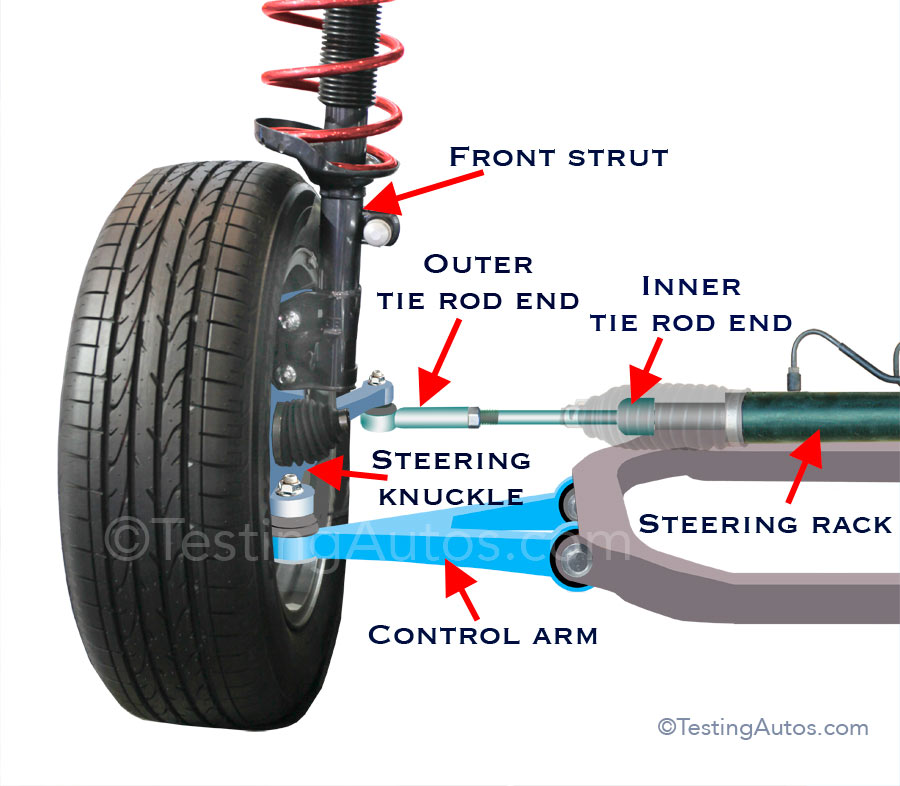
Control arms connect the car’s frame to the wheel hub. They allow the tire to move up and down. This movement helps absorb shocks from bumps. Control arms keep the tire aligned and stable. They work with bushings to reduce noise and vibration. Without control arms, the tire would move uncontrollably.
Struts And Shock Absorbers
Struts and shock absorbers manage the tire’s bounce. They absorb energy from road bumps and rough surfaces. This prevents the car from shaking too much. Struts also support the car’s weight. They help keep the tire in contact with the road. Shock absorbers slow down the suspension’s movement for smooth driving.
Tie Rods And Steering Knuckles
Tie rods connect the steering system to the tires. They help turn the wheels left or right. Steering knuckles hold the wheel hubs and attach to the suspension. They allow the tire to pivot for steering. Together, tie rods and knuckles control tire direction and ensure precise handling.
Axle And Driveshaft Connection
The connection between the tire and the car is crucial for smooth driving. Two main parts link the tire to the car’s engine power: the axle and the driveshaft. These components work together to move the wheels and keep the car rolling.
The axle carries the car’s weight and transmits power from the engine to the tires. The driveshaft connects the engine to the axle, transferring rotational force. Together, they turn engine power into tire movement.
Axle Function
The axle holds the wheels on the car. It supports the car’s weight and keeps the wheels in place. The axle also helps in steering and absorbing road shocks. Most importantly, it delivers power to the tires from the driveshaft.
Driveshaft Role
The driveshaft transmits power from the engine to the axle. It spins fast and turns the axle. This spinning motion allows the wheels to move. The driveshaft is strong and flexible to handle the engine’s force.
Impact On Tire Movement
The axle and driveshaft work together to move the tires. The engine power travels through the driveshaft to the axle. The axle then turns the wheels, making the car move forward or backward. This connection controls how smoothly the tires roll on the road.
Brake System Interaction
The brake system plays a key role in how the tire connects to the car. It controls the speed and stops the vehicle safely. This system works closely with the tires and the wheels. The way brakes function affects tire grip and overall car performance.
Brake Rotors And Drums
Brake rotors are metal discs attached to the wheel hub. When brakes apply, the pads press against these rotors to slow the car. Some vehicles use brake drums instead of rotors. Drums work by pressing brake shoes outward to touch the drum’s inside surface. Both rotors and drums create friction to reduce wheel speed.
Calipers And Pads
Calipers hold the brake pads and push them onto the rotors. They use hydraulic pressure from the brake system. Pads are made of materials that produce strong friction. This friction stops the wheel from spinning. Well-maintained calipers and pads ensure smooth braking and tire safety.
Effect On Tire Performance
The brake system affects how tires grip the road. Strong braking can heat tires, changing their performance. Proper brakes help tires stop quickly without slipping. Worn brakes may cause uneven tire wear or loss of control. Good brake care keeps tires and car safe on the road.
Credit: www.testingautos.com
Frequently Asked Questions
What Part Connects The Tire To The Car?
The tire is connected to the car via the wheel hub. This hub attaches to the axle and supports the wheel assembly, ensuring smooth rotation and stability.
How Does The Wheel Hub Function In A Car?
The wheel hub holds the tire and allows it to rotate freely. It also houses bearings that reduce friction, supporting safe and efficient vehicle movement.
Why Are Wheel Bearings Important For Tire Connection?
Wheel bearings reduce friction between the wheel hub and axle. They enable smooth rotation, prevent wear, and enhance driving safety and comfort.
What Role Do Lug Nuts Play In Tire Attachment?
Lug nuts secure the wheel to the hub. Tightening them properly ensures the tire stays firmly attached during driving, preventing accidents.
Conclusion
The tire connects to the car through the wheel and axle. This link helps the car move and stay stable. The wheel holds the tire tightly in place. The axle transfers power from the engine to the wheels. Together, they make sure the car drives smoothly and safely.
Every part works as a team to keep control on the road. Understanding this connection helps you appreciate how your car moves. Simple parts, big job.